Key Factors to Consider When Buying a Shot Blaster
The key factors to consider when buying a shot blaster are the cleanliness grade you must reach, the size and type of your workpieces, hourly throughput, power and voltage compatibility, dust control, safety compliance, and the supplier's service record. I suggest checking each factor against your real production needs before you request proposals. A machine that reaches Sa2.5 on your own parts, ships on schedule, and comes with spare parts and clear manuals protects both your production plan and your customers' inspections. This guide covers each factor in plain language so you can decide with confidence.
Understanding Shot Blasting and Its Industrial Applications
How a Shot Blaster Works
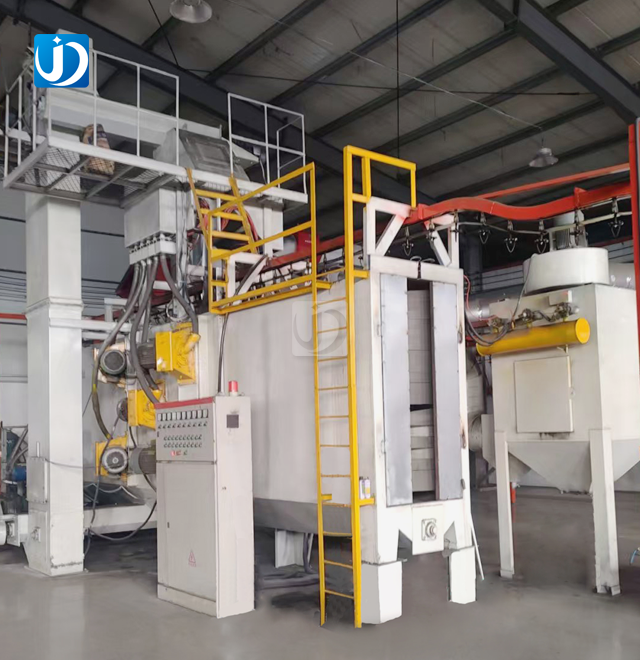
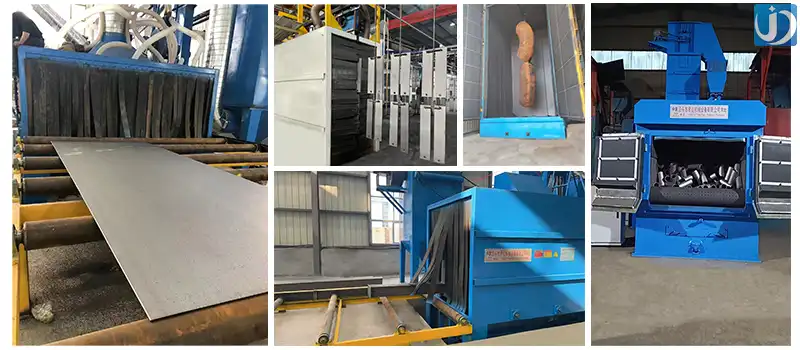
A shot blaster quickly fires steel grit at a metal surface. A motor in one kind of machine turns a blast wheel. Centrifugal force then pushes the media off the blades and toward the workpiece. On Junda Machinery machines, the throw moves at a speed of 60 to 85 m/s. It gets rid of old coats, rust, and mill scale. It also smooths the surface, which helps the paint stick. Disks and dust that have been used fall into a divider. The dust is collected, and the clean shot is sent back to the wheels. Since the media is used over and over, there isn't much trash and the process never stops.
Wheel Blast and Air Blast Systems
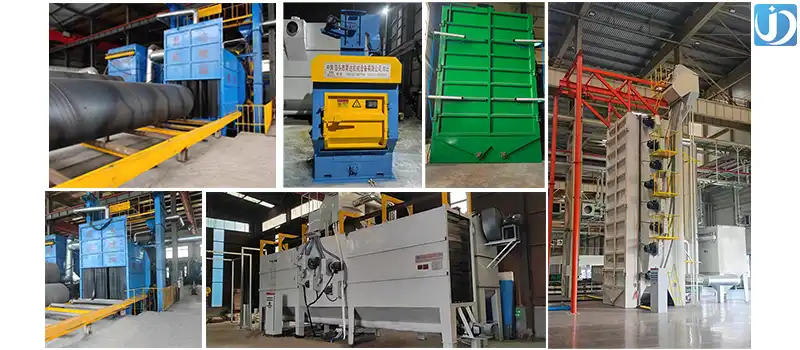
Many people choose between two styles. This is helpful for shops that work with steel all the time. A wheel blast machine has wheels that move back and forth. It can work steadily and quickly on plates, sections, castings, and hardware. Pressurized air is used in an air blast device to push things through a tube. The operator can fine-tune small areas with it, but it takes more energy and depends on how skilled they are. Wheel blasting is a good way to clean parts of your business that get cleaned every day. If you need to move a lot of big or awkward things, a blast of air might help. The three-dimensional plan from Junda Machinery shows how to put several wheels around the part so that you can reach more than one face in one pass.
Industrial Applications and Method Comparison
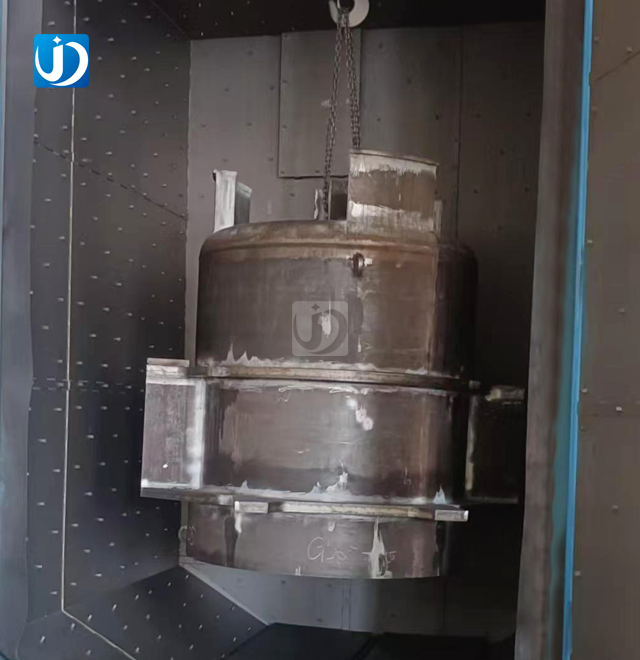
Shot blasting is used to build steel buildings in foundries, axle and farm machinery plants, tool shops, and places that take care of heavy machinery. Getting rid of mill scale from steel beams and plates before welding and painting is important. It cleans castings and gets rid of sand buildup in foundries. In contrast to open sandblasting, a closed shot blasting machine reuses steel media and collects dust instead of letting it fly into the air. When you compare it to grinding by hand, it treats the whole area evenly and saves hours of work. Many people don't like the dust in plants that still use hand blasting lines. A closed machine that gets rid of the dust can directly solve this problem.

Core Factors to Evaluate Before Buying a Shot BlasterCleanliness Grade and Surface Profile
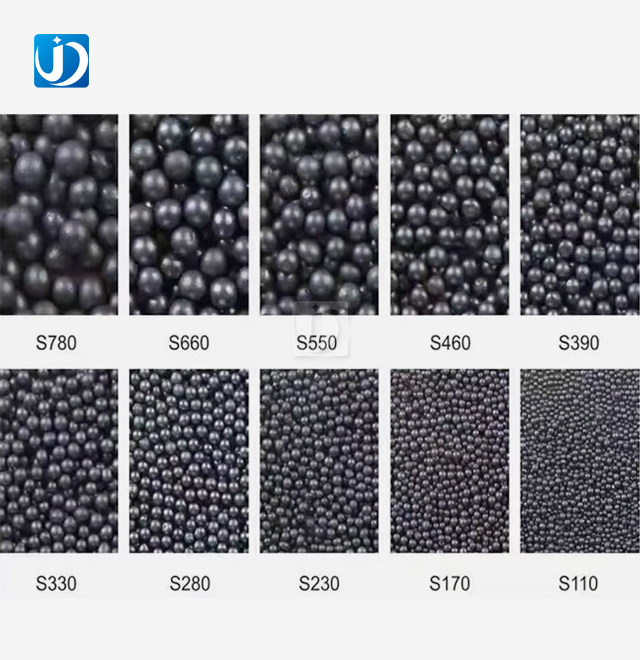
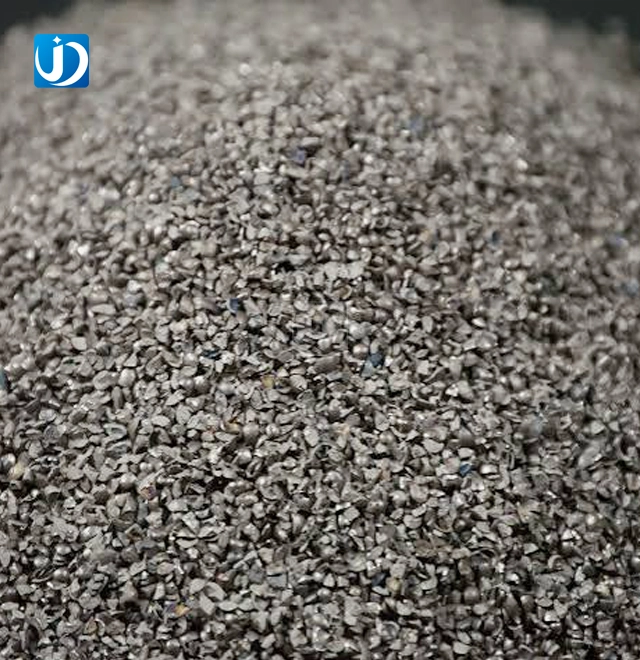
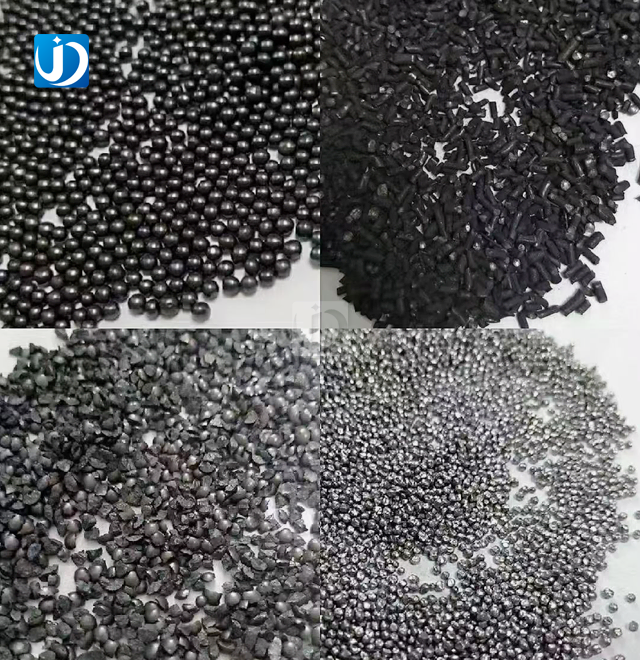
ISO 8501-1 gives the grades Sa1, Sa2, Sa2.5, and Sa3 for how something looks. "Near-white metal," which sounds like Sa2.5, is talked about in SSPC-SP 10/NACE No. 2. This level is needed for many finishing jobs, like those that are used for exporting or making things. Junda Machinery shot blasters can reach between Sa2.0 and Sa2.5 in a single pass, depending on the part and the amount of rust. The shape of the surface is also important. To get a deeper anchor pattern for thick coats, grinders with sharp edges are used. Round steel shot is used to clean and smooth. There is a list of standard shot and grit sizes in SAE J444. Ask the company that makes the finish what profile range they need, and then make sure that your grit fits that range.
Throughput, Wheel Layout, and Power
Next, make sure the machine can handle the amount of work you do every day. Shot blasters from Junda Machinery have power ranges from 15 to 120 kW and can handle up to 20 t/h. It's possible to make something up to 200 kW. Belts and chambers need to be very different sizes and types for small hardware parts and big beams. Count how many shifts you have each day and how much your biggest piece weighs on a piece of paper. It's better for parts of the structure that aren't straight to have more wheels at different angles so they can cover more ground at once. Also, check the power source. Our team will set up the power system to work with your plant's voltage and frequency, so you won't have to bring any extra converters with you.
Automation, Energy Use, and Dust Control
Being automated changes both the level of work and the cost of running a business. PLC control means that different workers can use the same cycle settings. Variable frequency drives let you change the motor speed to fit the part instead of running it at full load. Used media is put back on the wheels automatically by a shot recovery system. This means that less grit is needed. The dust catcher needs to be hooked up to the machine so that the movement starts and stops with the mode of blasting. These features are built into Junda Machinery's machines, and the company also offers a way to check how well the machines are cleaning up dust. Good dust control keeps workers safe, the shop floor clean, and stops the damage that old open firing lines do to the environment.
Safety Rules and Compliance
US factories must follow OSHA rules to keep workers safe. The standard for respirable crystalline silica says that a person can be exposed to no more than 50 grains per cubic meter over the course of an eight-hour shift. Silica isn't in steel shot, but castings that still have molding sand on them can give off silica, so you still need to collect the dust and let air flow through them. Pay attention to doors with guards, interlocks, emergency stops, and areas that are closed off. Technology sheets, approval files, test records, and even help with getting certifications like CE are all things that Junda Machinery gives out. In some places of the US, electrical screens need to be checked out in the field too. Before you take the machine anywhere, check with your local inspection.
Comparing Shot Blasting solutions and BrandsJudging Manufacturer Experience and Quality Systems
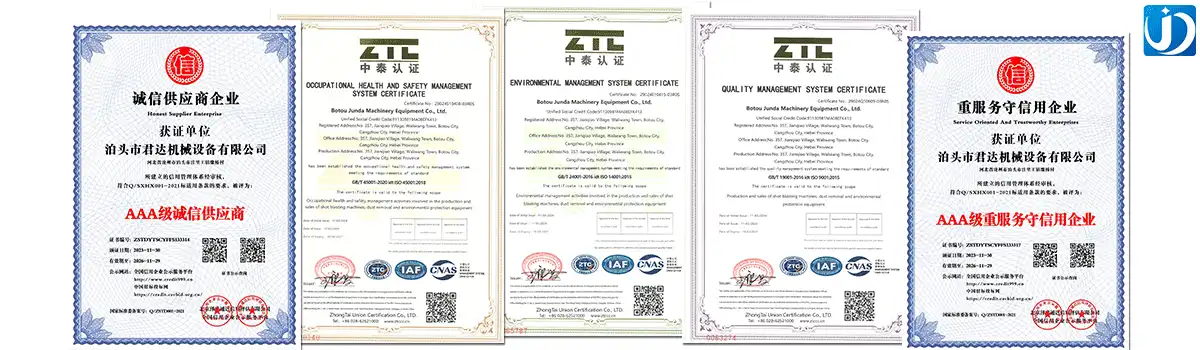
The past of a brand tells you more than its literature. Botou Junda Machinery Equipment Co., Ltd. is in Botou, which is in Hebei Province. For twenty years, they have been making shot blaster equipment. Botou is a center for businesses that make casting machines and tools for getting rid of dust. Eight software patents and two utility model patents belong to the company. It also has ISO 9001, ISO 14001, and ISO 45001 certifications. Ask all of the suppliers the same things: test results, certificates, videos of the plant, and customer cases. This will help you compare them. You can tell which company writes down its work and which one just talks about it by putting them next to each other.
Core Advantages of a Junda Machinery Shot Blaster
These are the best things about a Junda Machinery shot blaster for your business.
- Stable cleaning results: The cleaning results stay the same: three-dimensional blast wheels throw media at speeds of 60 to 85 m/s. All of these things—steel plates, sections, molds, tools, and odd-shaped building parts—can be reached at Sa2.0 to Sa2.5 all at once. You can use a movie or your own sample to check the result before you sign the contract.
- Intelligent control: For smart control, the PLC can change the speed and frequency, and the system can also recycle shots automatically and get rid of dust automatically. Junda Machinery also makes its own software, like tools for tracking production and gathering data. This way, managers can keep track of how much work is being done, plan repairs, and make work schedules before something breaks down and stops the line.
- Fast supply and support: When you place an order for a machine that is made to order, it will generally be shipped in 15 days, but this can change depending on the details. The people on our team answer questions within 6 to 8 hours. We offer English operation manuals and maintenance videos to customers from other countries. If needed, we can also help with remote installation and give training to operators.
Reading Warranties, Service Terms, and Total Cost
After the sale, read the terms of service one by one. What does the warranty cover? How long does it last? Who do you call if the machine breaks down? Junda Machinery backs up the whole machine with a warranty, helps fix problems, trains operators, gives maintenance tips, and always has original spare parts on hand. It can also get professional help from outside of China if needed. The price of the item is not the only thing that costs money to own. The cost of electricity, broken parts, and downtime all add up over time. Please ask for a quote that includes the machine, spare parts, and wear parts. You can then compare companies on the same level.
Procurement and Supply Chain Considerations for BuyersChoosing the Right Source
You should only buy from a company that can back up what it says and prove that it is who it says it is. You can buy a shot blaster from the company that made it, a store near you, or an approved dealer. When you buy from the maker, you can talk to experts who can change the design, power, dust collector, and control system of the machine to make it work for you. They may have stock in your area and be easy to reach, but make sure they have real spare parts and help from the maker. Make sure you get written proof of licenses, a video of the plant, and how to get in touch with them no matter what. Junda Machinery also does OEM and ODM work for brands that sell under their own names, like private labeling.
Lead Time, Shipping, and Documents
When you plan for shipping, you can keep the start date of your work. In stock at all times at Junda Machinery are standard models. It takes about 15 days to ship custom equipment. Then there is the time it takes to get from the ocean to your port. Make sure you get a written schedule that includes production, leaving the port, and arriving at the port. We ship full containers, less-than-containers, oversize things, and door-to-door with the help of foreign freight forwarders. We also protect tools, package exports, and fumigate them. We can also help you with documents for sale, immigration, and certificates of origin. So send us your purchase needs early so that ports don't have to wait.
Spare Parts and Maintenance Planning
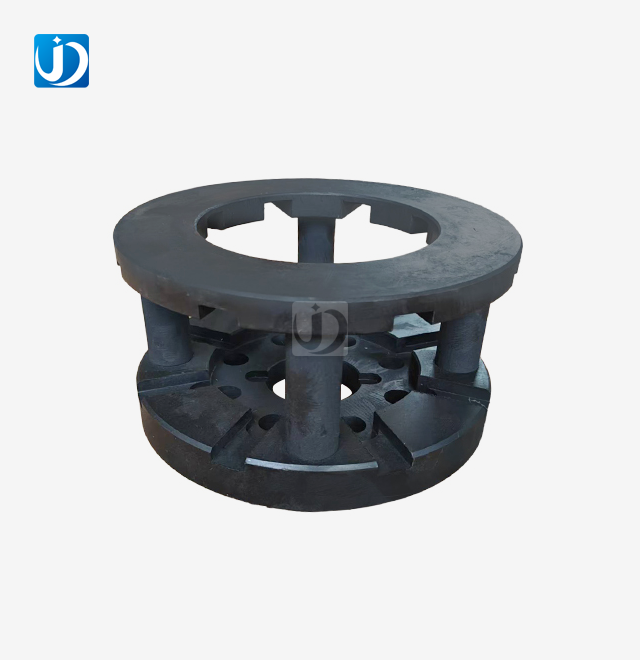
Be ready to get hurt right away because a shot blaster is tough. Things like blast blades, control cages, impellers, and dividers get worn down when trash hits them. As a general rule, many providers say that blades should be checked every 50 to 80 hours of use. However, the exact number of hours varies on the type of blade and how hard the abrasive is. Tell your provider what parts wear out and how often they need to be changed. They should also give you a starter spare parts package. You can keep the original parts in your building, even if the cushion is worn out. One shift will still happen. With Junda Machinery, you can get original spare parts and fix tips over time, which helps your maintenance staff plan their work.
Making the Final Decision: Matching Your Needs with the Right Shot Blaster
Match the Machine to Your Workpieces
Write down your parts before you talk about shot blasters. Write down the material type, the longest length, the widest width, the tallest height, the weight, the grade of rust, and the hourly volume. Roller conveyors work best with steel that is cut into plates and shapes. Sometimes, castings and small pieces of hardware need to be treated in a different way. Also, parts of structures that aren't round need a layout that can reach all of their sides. For instance, companies that make steel, foundries, axles, and farm equipment all have different needs. Junda Machinery changes the size of the machine, the way it collects dust, how it is controlled, and how it paints the surface to fit those needs. Lines that move a lot of goods every day might need automated systems, but shops that do a lot of different jobs might be able to get by with loading by hand.
Test Your Decision With Evidence
Before you promise something, get proof of it. When someone normally buys something, they ask about it, the video factory looks it over, takes samples, signs a contract, puts down a deposit, makes it, ships it, installs it, and the buyer accepts it. In the video review, you can see how a machine cleans parts that are like the ones you have. Then send in some pieces to see how they compare to the ISO 8501-1 reference pictures. Write down the score you want, such as Sa2.5. How quickly can they help you? Who will be in charge of setting up and training you? Junda Machinery lets operators be trained and set up remotely via video chat, so your team can get used to the machine before it starts making things.
Plan for Growth and Long-Term Support
Think about more than just the next sale. Think about the next five years too. If you think your volume will go up, choose a model with more power and speed. Power is built in between 15 and 120 kW, and with some builds, it can go up to 200 kW. Get tools that can keep track of info about production. This data helps you plan upkeep and shows clients that the quality is good. Finally, you should give the supplier a score. It's not just the specs of the machine that matter; response time, extra parts available, and training are also very important. The investment you make will be safe for a long time if you work with a partner who responds quickly and keeps parts on hand.
Conclusion
It's important to make sure that the sale, the customer service, and the machine all meet your output goals before you buy a shot blaster. The quality goal is set with the right abrasive and a cleanliness grade, such as Sa2.5 under ISO 8501-1. Your shifts may not be able to keep up with the machine if it doesn't have enough throughput, power, or voltage. PLC control, shot recovery, and dust collection all have an impact on how much it costs to run the machine and how nice the workplace is. In the US, OSHA and energy codes set the rules for how to put things safely. Before payment, there is less risk if there are records of the supplier, certificates, warranty terms, spare parts, shipping plans, and tests of samples. People can pick a machine that will last for years if they think about these things and how they plan to grow.
FAQ
What is the difference between shot blasting and sandblasting?
Sod blasting and shot blasting are two different ways to clean. Steel balls on wheels are thrown and used again and again in a controlled system during shot blasting. Media that are rough, like sand or slag, are pushed with compressed air. Most of the time, the media is only used once. Shot blasting is better for a steady stream of work, while sandblasting is better for small or detailed areas.
How often should a shot blaster receive maintenance?
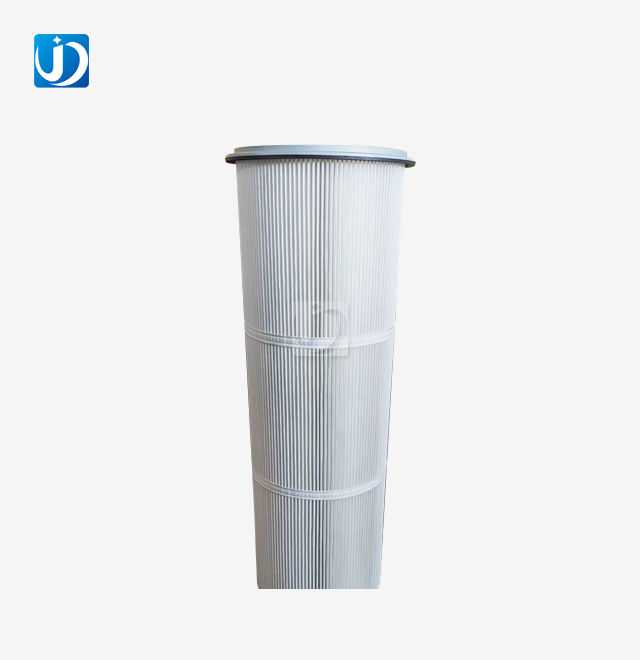
Do what it says on the box. The blast blades should be checked about every 50 to 80 hours. Also, you should check the liners, dust collector filters, and shot blaster recycling system often. Rates of wear depend on the piece being worked on and the grit.
What safety measures matter most for operators?
It is important to have safe shelters, door interlocks, emergency stops, and good dust collection. For example, when silica is present, workers should wear the right safety gear and follow OSHA rules about how much dust they can breathe in while on the job.
Can Junda Machinery match a shot blaster to my plant voltage?
Yes. Based on the voltage, frequency, and plan you give us, our team will set up the electricity.
Contact Junda Machinery for a Shot Blaster Built Around Your Parts
The company Junda Machinery has been making shot blasters for twenty years. They keep both regular models in stock and can also make custom machines that are sent out in fifteen days. Email junda001@jundablast.com with your plant's power, product sizes, and amount of cleanliness that you want. In 6 to 8 hours, our engineers will get back to you with a plan that meets your needs. You can go to jundablast.com right now to learn more about the product and ask for a video factory review.
References
1. ISO 8501-1: Preparation of Steel Substrates Before Application of Paints and Related Products, Visual Assessment of Surface Cleanliness, International Organization for Standardization, 2007
2. SSPC-SP 10/NACE No. 2: Near-White Metal Blast Cleaning, Association for Materials Protection and Performance (SSPC/NACE), 2007
3. Respirable Crystalline Silica Standard, 29 CFR 1910.1053, Occupational Safety and Health Administration, 2016
4. SAE J444: Cast Shot and Grit Size Specifications for Peening and Cleaning, SAE International, 2005
5. Directive 2006/42/EC on Machinery, European Parliament and Council of the European Union, 2006
6. ASM Handbook, Volume 5: Surface Engineering, ASM International, 1994

USER EVALUATE
Real feedback and practical experience shared by worldwide partners who purchased our machinery and environmental treatment devices.