_1786959752558.webp)
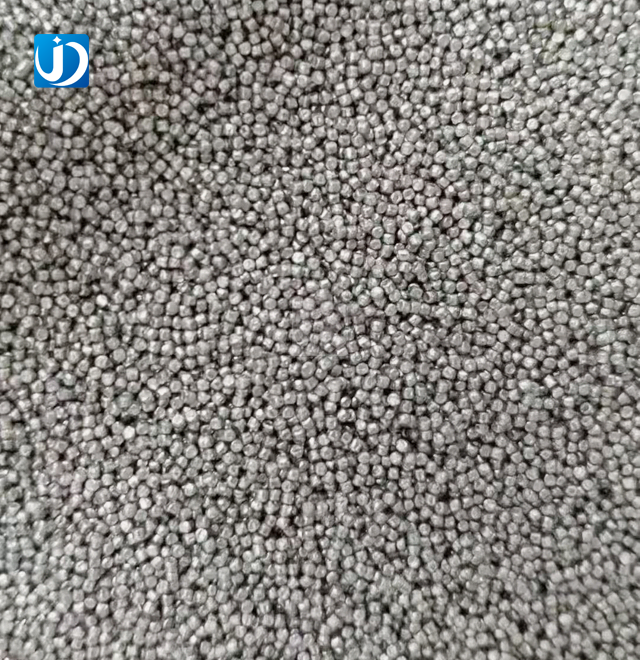
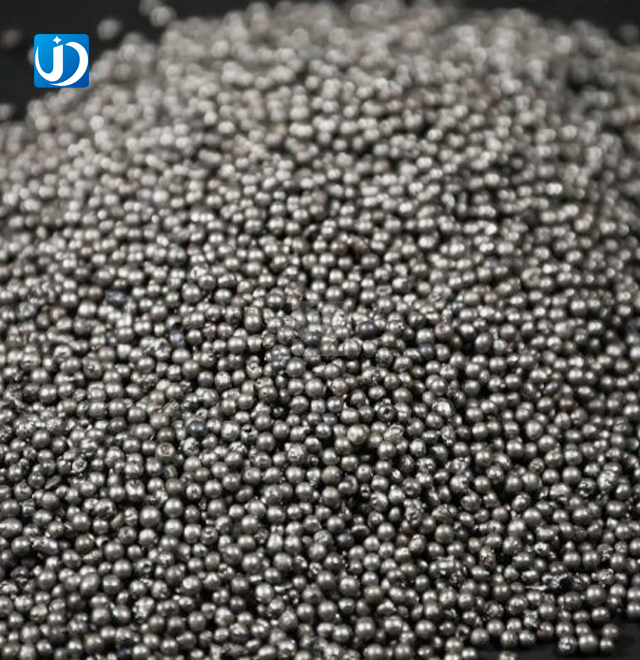
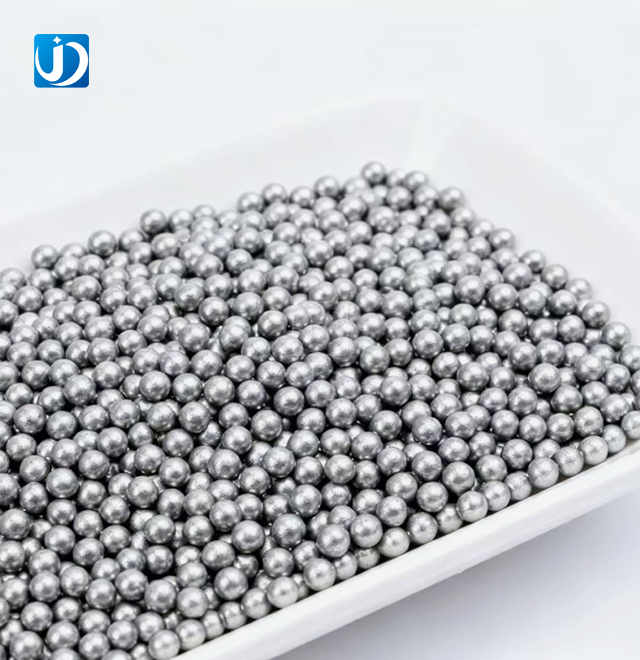
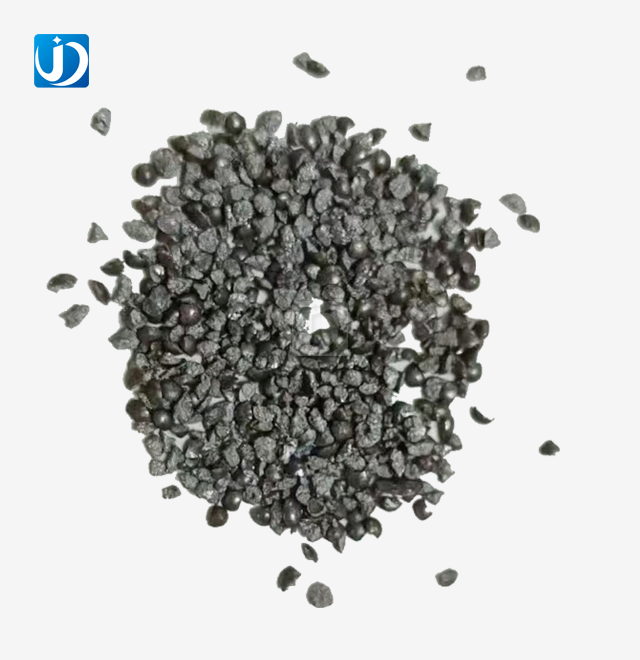
metal blasting media
Good toughness ensures controllable fragmentation. It can be reused many times with blasting booth
recovery and screening systems. Compared with disposable non-metallic abrasives, it reduces overall
consumable costs and solid waste discharge.
Adjustable surface performance to meet various anti-corrosion standards
A complete range of spherical and angular types. Different grain sizes and grades can be combined to
flexibly adjust anchor profile depth, steadily reaching Sa2.0 and Sa2.5 blasting grades and fitting
multiple coating systems.
Lower dust output for easier environmental management
It resists rapid pulverization and generates less fine dust than garnet, fused alumina and other
non-metallic abrasives.
- Product Description
Metal Blasting Media Solutions for Industrial Surface Treatment – High‑Performance Recyclable Abrasives
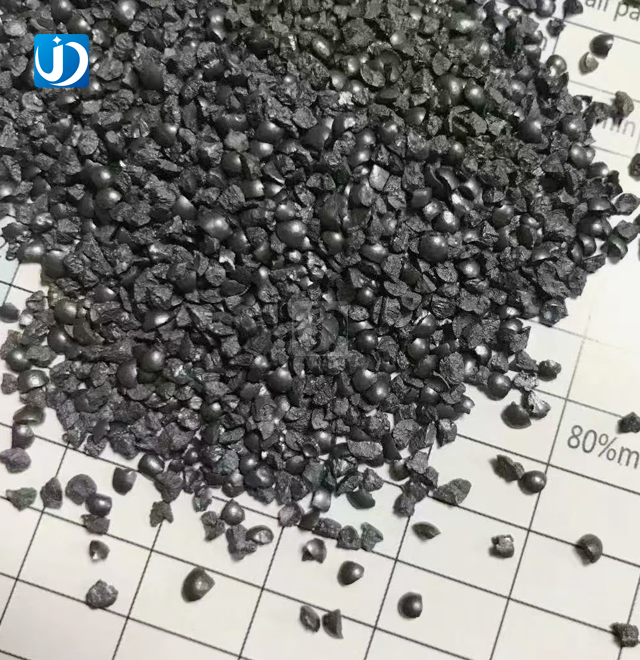
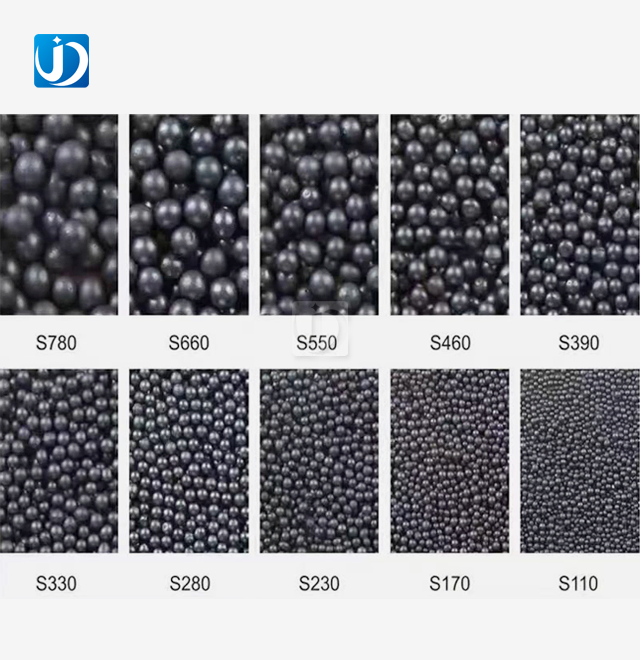
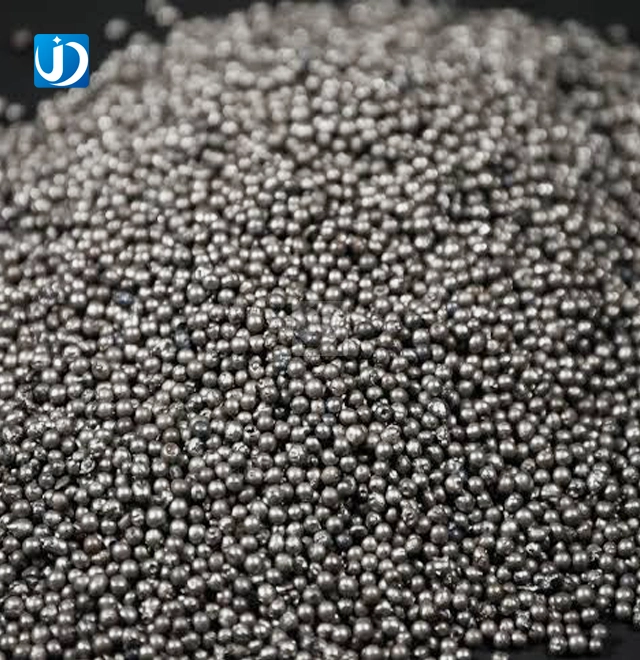
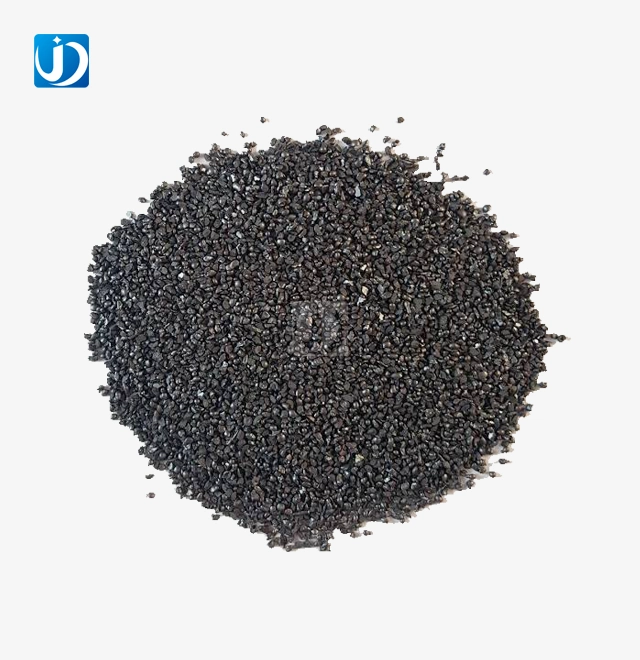
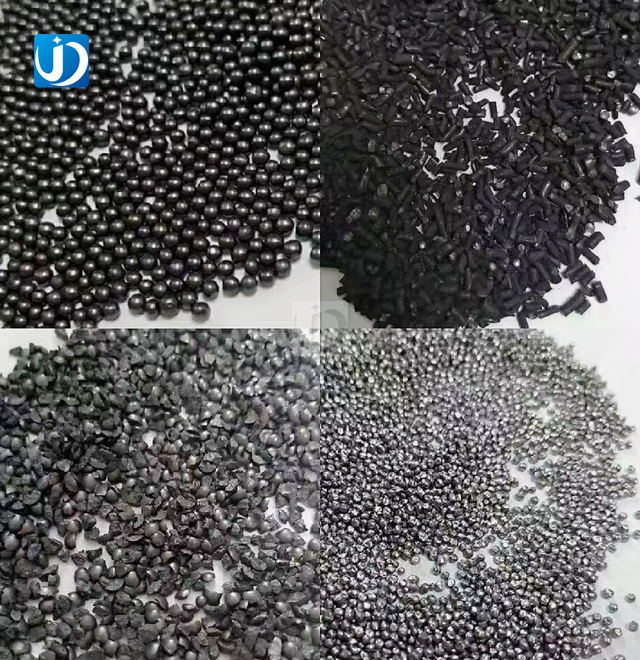
For rigorous industrial surface‑treatment applications, Botou Junda Machinery Equipment Co., Ltd. supplies a wide selection of metal blasting media. Backed by a 3,000‑square‑meter production facility and over 20 years of manufacturing experience, we deliver high‑performance abrasives engineered for optimal recyclability and cost‑effectiveness. Our blasting‑media portfolio includes carbon‑steel shot, steel grit, stainless‑steel shot and special‑alloy formulations. Particle sizes range from 0.1 mm to 8.0 mm with hardness grades of 200‑850 HV. These abrasives feature bulk density ≥7.5 g/cm³, reliably meet Sa2.5 cleanliness standards, and guarantee higher kinetic‑energy transfer and extended service life for heavy‑duty manufacturing, automotive, shipbuilding and aerospace applications.

What Makes Our metal blasting media Stand Out
Your surface‑treatment results are directly determined by the metallurgical quality of our scientifically controlled blasting media. Every production batch undergoes strict quality control to ensure hardness consistency within ±3 HV tolerance.
High‑density structures deliver powerful mechanical impact force and resist premature disintegration. This means fewer media replacements while generating consistent surface profiles.
When paired with suitable recovery systems, our metallic media can be reused hundreds of times, unlike disposable mineral abrasives. Controlled toughness prevents excessive fragmentation throughout the blasting cycle and maintains an effective particle‑size distribution.

Technical Specifications for Metal Blasting Media
| Parameter | Specification |
|---|---|
| Product Series | Full‑Range Metal Blasting Abrasives |
| Material Grade | High‑Carbon Steel, Alloy Steel, Stainless Steel |
| Particle‑Size Range | 0.1 mm‑8.0 mm (custom fine, medium and coarse grades available) |
| Hardness Range | 200‑850 HV (multiple grades optional) |
| Bulk Density | ≥7.5 g/cm³ |
| Structure Type | Spherical shot and angular grit options |
| Recyclability | Reusable with recovery and screening systems |
| Dust Generation | Significantly lower than garnet or fused alumina |
Key Performance Advantages
Outstanding Long‑Term Economy Through Recyclability
The controlled toughness of our metal blasting media delivers predictable fracture rates. When integrated with blast‑chamber recovery and screening systems, these abrasives can be reused hundreds of times.
This drastically cuts your consumable costs compared with non‑metallic disposable alternatives. You will also generate less solid‑waste output, simplifying disposal management and lowering environmental‑compliance expenses.
Tunable Surface Performance to Meet Diverse Anti‑Corrosion Standards
Our complete product portfolio includes spherical and angular particle geometries. You can flexibly control anchor‑profile depths by combining different particle sizes and grades.
This versatility enables stable achievement of Sa2.0 and Sa2.5 blasting grades. The end result is optimal surface preparation suitable for numerous coating systems, ranging from epoxy primers to marine‑grade protective coatings.
Reduced Dust Emissions for Easier Environmental Management
Our abrasives resist rapid pulverization during high‑velocity‑impact operations. They produce far less airborne dust compared with garnet, fused alumina and other non‑metallic materials.
Used together with our dust‑collection systems, you maintain cleaner workshop conditions. This simplifies environmental compliance and improves operator working conditions without sacrificing cleaning efficiency.
Cross‑Industry Applications
Manufacturing & Automotive
Cast steel shot successfully removes heat‑treatment scale and stubborn molding sand on engine blocks and gearbox housings. Consistent finishes produced by high‑capacity wheel‑blasting systems enable precision‑machining operations.
Heavy‑Duty Manufacturing & Shipbuilding
Precise anchor profiles required for marine‑grade coatings on structural plates are achieved with steel grit. Coating adhesion is critical for asset service life in corrosive salt‑spray environments and prevents delamination.
Precision & Aerospace Components
Stainless‑steel media introduces residual compressive stress on landing‑gear and turbine‑blade parts. This shot‑peening treatment extends fatigue life by halting micro‑crack propagation under cyclic‑load conditions.
General Metal Surface Treatment
Carbon‑steel, alloy‑steel, stainless‑steel, aluminum‑alloy, copper‑alloy and titanium‑alloy workpieces can all benefit from surface preparation using our metal blasting media. Applications include surface roughening, rust removal, descaling and deburring across various industrial sectors.

Material Selection Guide
For Carbon‑Steel and Cast‑Iron Workpieces
Select cast steel shot, steel grit or blended‑abrasive formulations. These deliver optimum cleaning efficiency for structural steel, steel castings and heavy‑duty manufactured components.
For Stainless‑Steel and Non‑Ferrous Metals
Choose stainless‑steel shot or grit to prevent ferrous contamination. This avoids iron embedment and contamination‑induced rust spots on aluminum‑alloy, copper and other sensitive materials.
Optimize Performance and Reduce Consumption
Equip your shot‑blasting machine with bucket elevators and air separators to continuously remove fractured particles and dust. This preserves the composition of the active working mix.
Adjust blasting pressure according to rust severity and required surface roughness. Properly sealed blast chambers prevent abrasive leakage and material loss.
Select accurate particle sizes based on your specific surface‑treatment requirements. This ensures efficient material utilization and consistent surface quality.
Frequently Asked Questions
Q: What are metal‑blasting abrasives and what are the mainstream types?
A: Metal‑blasting abrasives are recyclable media manufactured from metallic raw materials. Main categories include carbon‑steel series (cast steel shot, cast steel grit, blended shot‑grit mixtures, steel shot) and stainless‑steel series (cast stainless‑steel shot, stainless‑steel grit, stainless‑steel cut‑wire shot). They are widely used in automatic shot‑blasting machines and enclosed blast rooms.
Q: What are the core advantages of metallic abrasives versus non‑metallic abrasives?
A: High hardness delivers powerful impact and cutting force together with excellent cleaning efficiency. Good toughness supports repeated recycling and low dust generation. Overall comprehensive costs are lower for long‑run production lines, making them ideal for continuous rust‑removal pretreatment of steel structures and castings.
Q: How do I select suitable metallic abrasives according to workpiece materials?
A: For carbon‑steel, steel structures and cast iron, use cast steel shot, grit or blended abrasives. For non‑ferrous metals such as stainless‑steel, aluminum‑alloy and copper, select stainless‑steel shot or grit to avoid iron embedment and contamination‑caused rust spots.
Q: What setup conditions maximize abrasive performance and reduce consumption?
A: Fit the machine with bucket elevators and air separators for continuous removal of fractured particles and dust. Reasonably adjust blasting pressure according to application requirements. Seal blast chambers to prevent abrasive leakage. Select correct particle sizes according to rust severity and target surface roughness.
Q: How frequently should I inspect the working abrasive mix?
A: Inspect the abrasive mix every 8‑hour shift in high‑production environments. This ensures balanced particle‑size distribution for maximum cleaning efficiency and prevents inconsistent surface‑treatment results.
Why Choose Junda for Your Abrasive Requirements
We maintain ample stock for fast delivery of standard‑grade products. Custom formulations can normally be produced within approximately 15 days subject to specifications.
Our professional team replies to inquiries within 6‑8 hours. We provide comprehensive technical support including remote guidance, troubleshooting assistance, operator training and maintenance videos.
Through partnerships with major logistics companies, we offer flexible shipping solutions for FCL, LCL and over‑sized cargo. Our experience in export packaging and customs procedures guarantees smooth global deliveries.
Quality management complies with ISO9001, ISO14001 and ISO45001 standards. We can assist with export‑certificate applications and supply complete technical documentation.



Get Expert Guidance for Your Surface‑Treatment Projects
Our technical team is ready to help you select the optimal metal blasting media for your specific application requirements. Contact Us via junda001@jundablast.com to discuss your surface‑treatment challenges and receive customized abrasive recommendations.

USER EVALUATE
Real feedback and practical experience shared by worldwide partners who purchased our machinery and environmental treatment devices.