_1786959752558.webp)
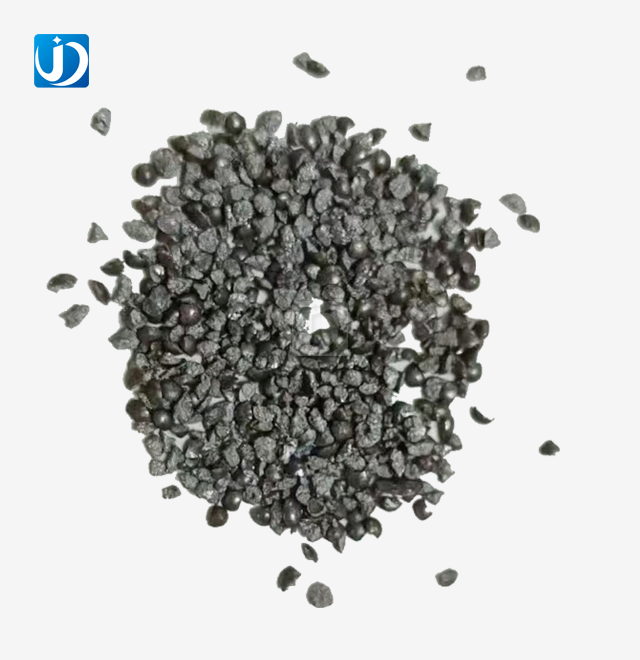
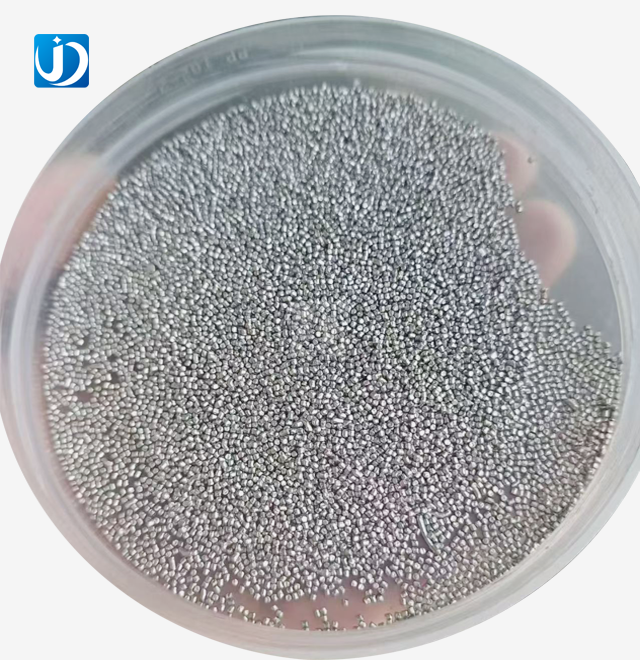
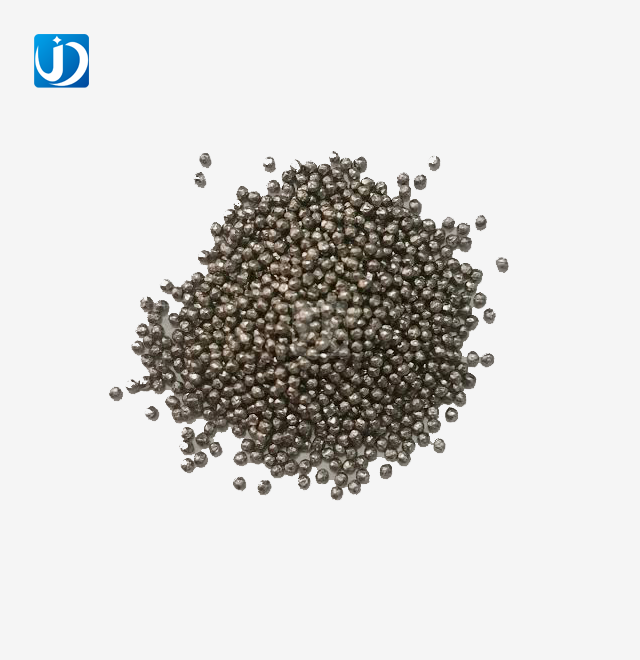
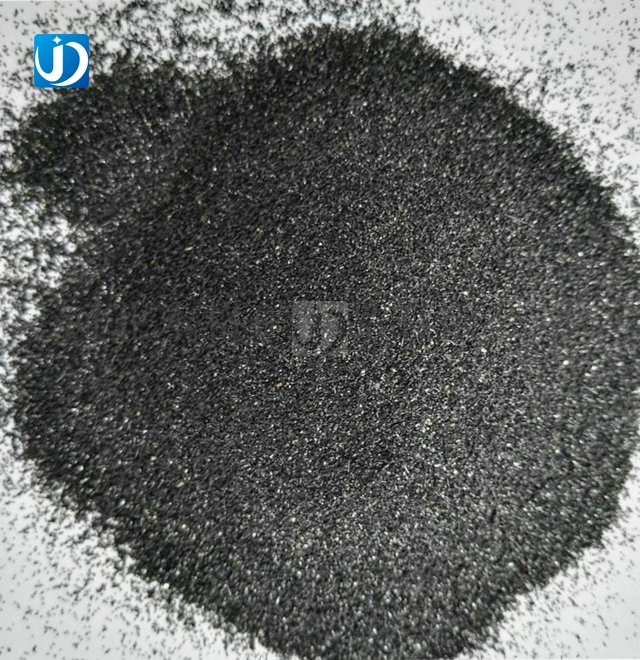
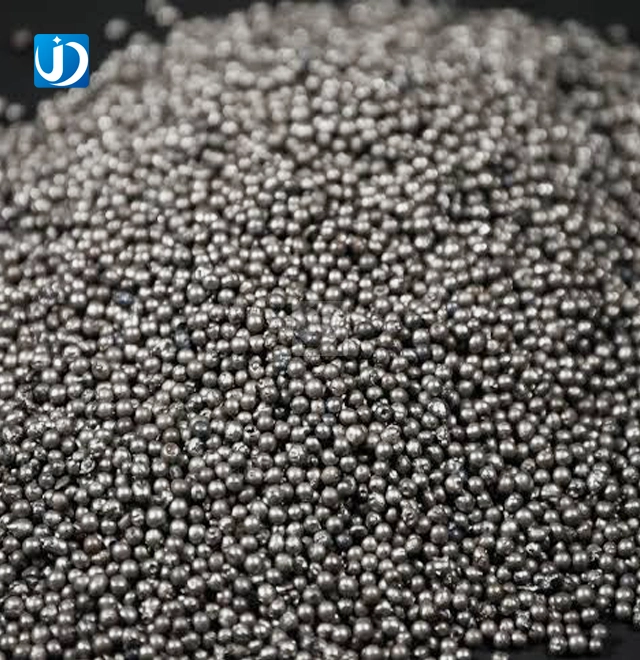
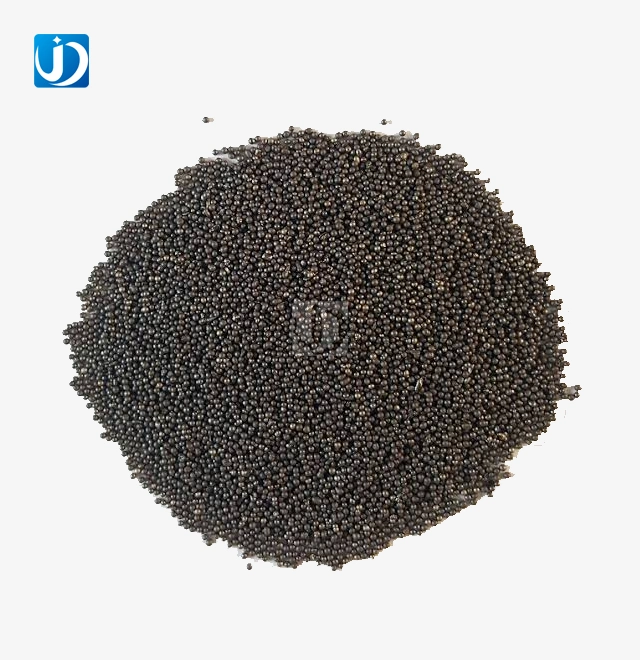
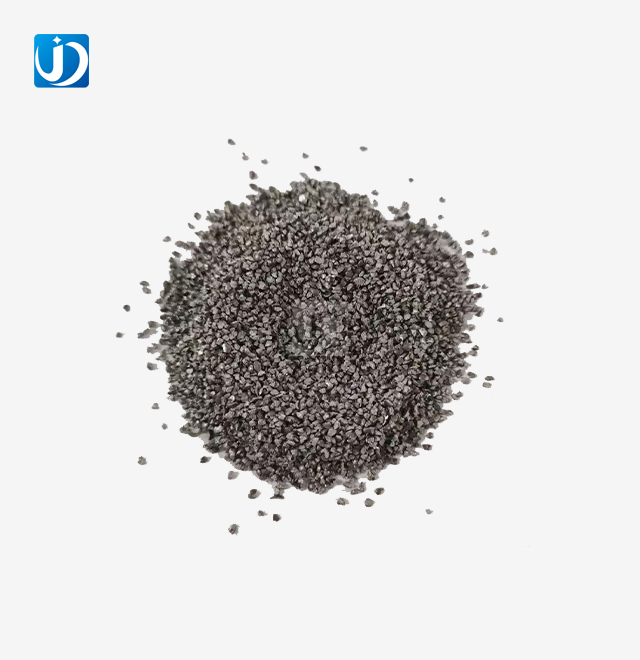
cast steel grit
Irregular angular particles rapidly remove heavy rust, mill scale, welding slag and aged coatings, ideal
for heavy-duty rust removal of steel materials.
Creates distinct and deep anchor profile
Forms well-defined uneven substrate after blasting, greatly enhancing mechanical interlocking of
anti-corrosion coatings and meeting strict standards such as Sa2.5 for heavy anti-corrosion projects.
Proper toughness with stable recycling performance
Moderate fragmentation rate prevents rapid pulverization. It can be recycled repeatedly with recovery
and screening equipment to cut long-term production costs.
Complete grain size range for flexible process matching
Various particle sizes and hardness grades available.
- Product Description
Cast Steel Grit – High‑Performance Angular Media for Heavy‑Duty Surface Treatment
Professional‑grade cast steel grit for surface treatment and heavy‑industry rust removal is manufactured by Botou Junda Machinery Equipment Co., Ltd. Supported by our 3,000‑square‑meter production facility and more than 20 years of foundry manufacturing experience, we supply high‑carbon cast‑steel abrasives with hardness grades of 400‑800 HV, bulk density ≥7.8 g/cm³ and particle sizes ranging from 0.2 mm to 5.0 mm. Our angular metallic abrasives can generate deep anchor profiles up to 150 μm, maintain recyclability of over 3,000 cycles in closed‑loop systems, and meet Sa2.5‑Sa3 cleanliness standards. Certified by ISO9001, ISO14001 and ISO45001 for quality control and environmental compliance, standard orders can be shipped within 15 days.

What Makes Our cast steel grit Better for Industrial Blasting
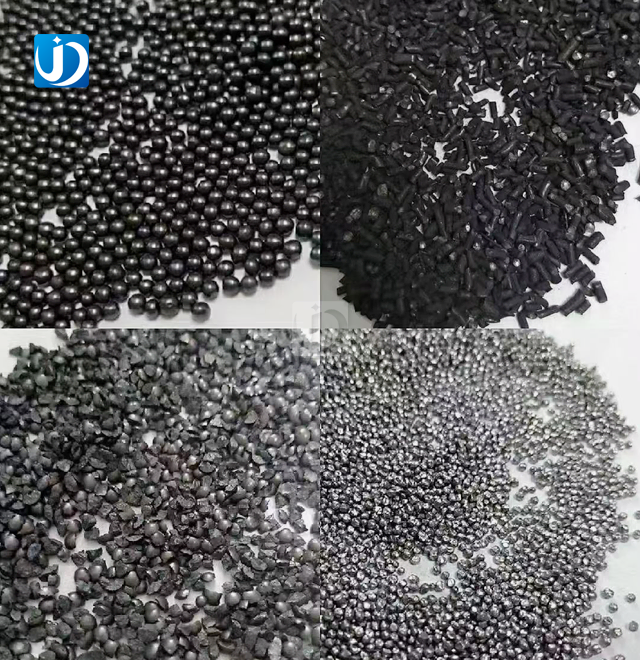
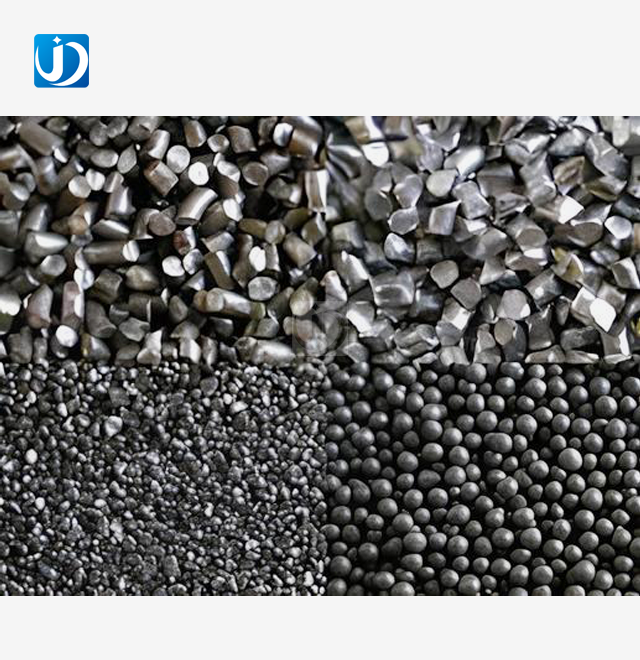
Properly heat‑treated high‑carbon steel shot is crushed to produce steel grit, a premium angular abrasive. Compared with spherical media, its irregular, sharp edges deliver aggressive cutting action to remove heavy rust, mill scale, weld slag and aged coatings more rapidly.
Induction melting, precision casting, controlled crushing and multi‑stage screening constitute the whole manufacturing process. This guarantees uniform hardness distribution and particle geometry. The end product is a robust metallic abrasive that generates high kinetic energy during blasting operations.
Compared with disposable mineral abrasives, our steel grit retains its structural integrity through hundreds of recycling cycles. This significantly cuts operating expenses and abrasive consumption. It is widely favored in shipyards, bridge construction, pressure‑vessel manufacturing and heavy‑machinery production.

Technical Specifications
| Parameter | Specification |
|---|---|
| Product Series | Cast Steel Blasting Abrasives |
| Material Grade | High‑Carbon Cast Steel |
| Particle‑Size Range | 0.2 mm‑5.0 mm (Customizable) |
| Hardness | 400‑800 HV (multiple grades available) |
| Bulk Density | ≥7.8 g/cm³ |
| Particle Shape | Sharp, irregular angular form |
| Recycling Capacity | More than 3,000 cycles in closed‑loop systems |
| Compliance Standards | SAE J444, ISO 11124, ISO 11125 |
Core Performance Advantages
Powerful Cutting Force for Faster Processing
Our cast steel grit features sharp angular shapes that generate intense mechanical impact force. It breaks down stubborn contaminants such as heavy oxide layers and forging mill scale that spherical shot cannot remove. Blasting time is reduced by 30‑40 % compared with mixed abrasives, greatly boosting production throughput.
Deep Anchor Profiles for Superior Coating Adhesion
Our grit produces distinct surface roughness to improve mechanical bonding after blasting. Depending on grit size and pressure settings, anchor‑profile depth generally ranges from 75 μm to 150 μm. This satisfies strict requirements for heavy‑duty anti‑corrosion systems, thermal‑spray treatments and epoxy coatings used in offshore and marine environments.
Outstanding Durability for Extended Service Life
Our unique heat‑treatment process strikes a balance between fracture resistance and hardness. The grit prevents premature fragmentation while retaining cutting edges for effective cleaning. This extends service life and minimizes abrasive replacement frequency, lowering blasting costs per square meter.
Process Adaptability Across Full Size Range
We offer multiple hardness grades together with grain sizes from fine G80 (0.2 mm) to coarse G14 (5.0 mm). Accurate specifications are available for heavy‑duty forging descaling, structural‑steel manufacturing and thin‑walled castings. Our specialists provide blending recommendations when you need a trade‑off between cleaning speed and surface‑finish quality.
Industrial Applications
Shipbuilding & Offshore Structures
Our steel grit efficiently eliminates marine corrosion and prepares hull plates for coating systems. Deep profiles ensure long‑term protection in saltwater environments, where coating failure would lead to costly repairs.
Steel‑Structure Manufacturing
Manufacturers use our angular abrasives to clean H‑beams, box girders and large welded assemblies. Consistent surface texture complies with architectural coating specifications and accelerates production progress.
Foundry & Forging Operations
Heavy castings and forgings arrive with thick oxide layers. Our high‑hardness grit removes mill scale while generating the surface roughness required for subsequent machining or coating operations.
Pressure‑Vessel & Storage‑Tank Manufacturing
Pipe and storage‑tank manufacturers rely on our abrasives to achieve Sa2.5 cleanliness standards prior to applying fusion‑bonded epoxy (FBE) or polyurethane coatings.

Why Choose Junda Steel Grit
Twenty Years of Manufacturing Excellence
Since establishment more than 20 years ago, we have continuously optimized metallurgical processes to produce reliable, high‑performance abrasives. Every production batch undergoes microstructure analysis, hardness testing and sieve analysis in our in‑house quality‑control laboratory.
Fast Delivery & Prompt Service
We maintain large stocks of commonly used grain sizes for timely shipment. Custom specifications can be developed within approximately 15 days. Our technical staff replies to inquiries within 6‑8 hours, offering blasting‑parameter suggestions and troubleshooting support.
Flexible OEM / ODM Customization
We tailor abrasive specifications to match your requirements for surface finish, workpiece materials and equipment setups. Distributors and equipment manufacturers can opt for custom packaging and private labeling.
Trustworthy International Logistics
We handle over‑sized cargo, LCL and FCL shipments through agreements with major freight forwarders. Our export documentation and fumigation compliance guarantee smooth customs clearance at destination ports.



Frequently Asked Questions
Q: How is steel grit manufactured?
A: Steel grit is produced by crushing cast steel shot, followed by screening and shaping to form sharp angular edges. High‑carbon steel base material undergoes controlled heat treatment to reach specified hardness levels, combining impact strength and cutting performance for effective rust removal and surface roughening.
Q: Which industries and workpieces are suitable for steel grit?
A: It is widely applied to steel structures, steel plates, pipelines, heavy castings, shipbuilding and storage‑tank refurbishment. This abrasive removes heavy rust, mill scale and aged coatings, and rapidly creates high‑roughness substrates complying with Sa2.5 and Sa3 coating‑preparation specifications.
Q: How to select and match steel grit and cast steel shot?
A: Use pure grit for heavy corrosion and high‑roughness requirements. Use pure shot for thin‑walled workpieces with light rust removal to avoid deep scratches. Mixtures balance cleaning efficiency and uniform surface finish, and are widely adopted in automatic steel‑structure production lines.
Q: What precautions should be taken when using steel grit?
A: Equip your system with complete abrasive recovery and screening equipment to remove fine powders and heavily fractured particles. Control blasting pressure to prevent deformation of thin workpieces. Regularly inspect chamber liners and hoses for wear. Select proper grit sizes according to rust severity and required anchor‑profile depth.
Contact Us for Technical Support
Ready to improve blasting efficiency and cut abrasive costs? Our engineering team can recommend optimal cast steel grit specifications for your applications. Contact Us via junda001@jundablast.com for product samples, technical data sheets and customized solutions.

USER EVALUATE
Real feedback and practical experience shared by worldwide partners who purchased our machinery and environmental treatment devices.
YOU MAY LIKE