_1786959752558.webp)
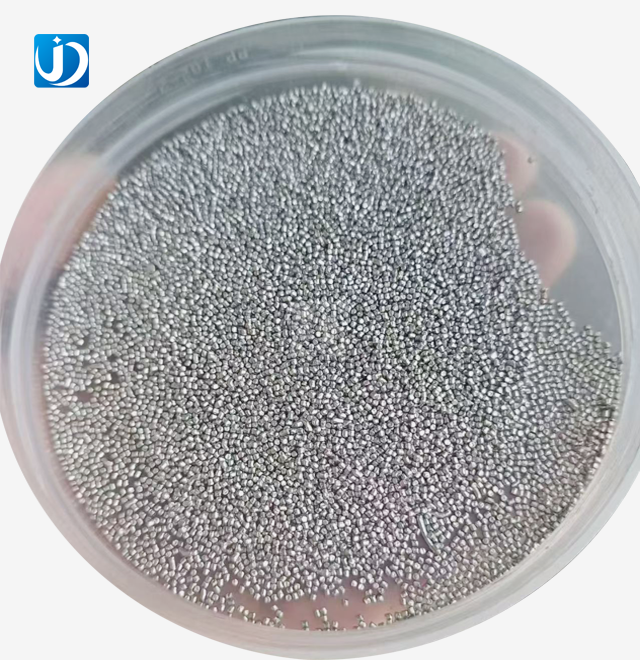
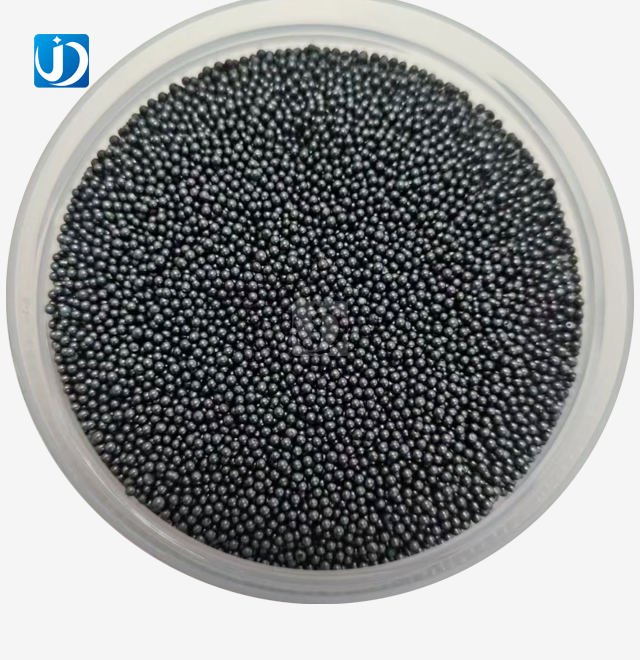
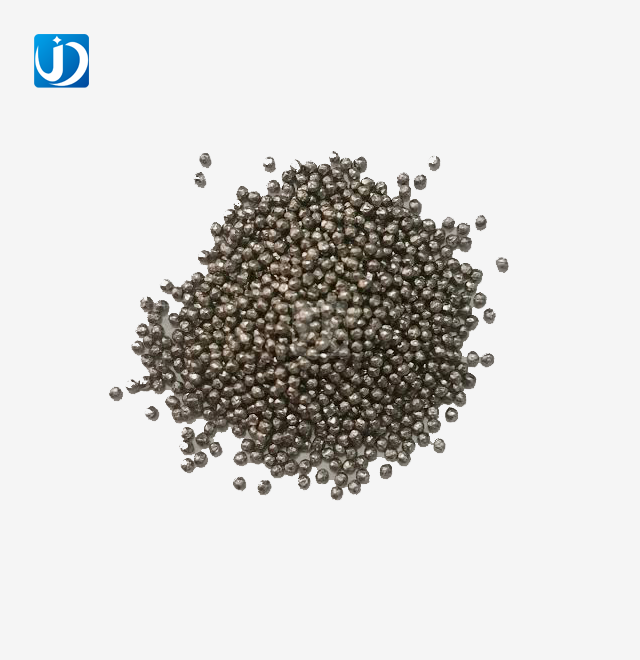
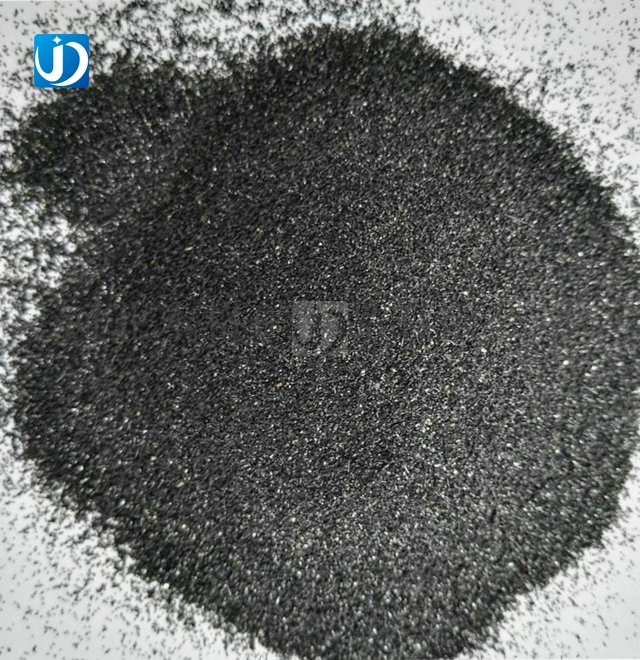
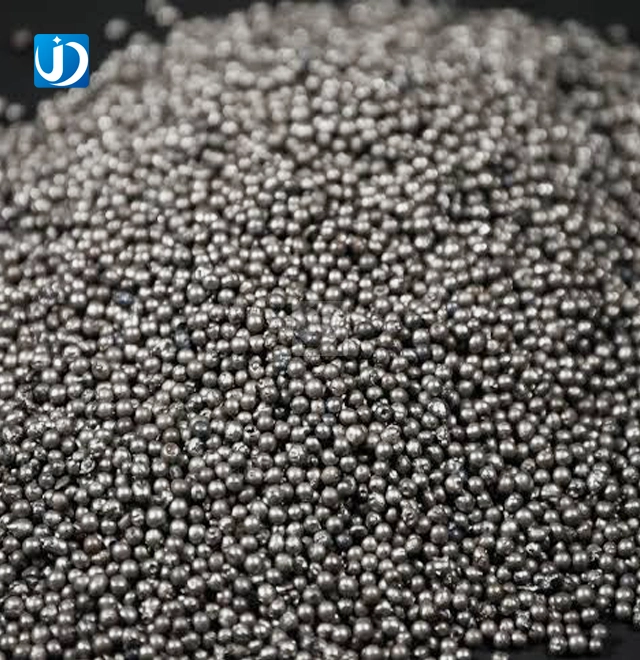
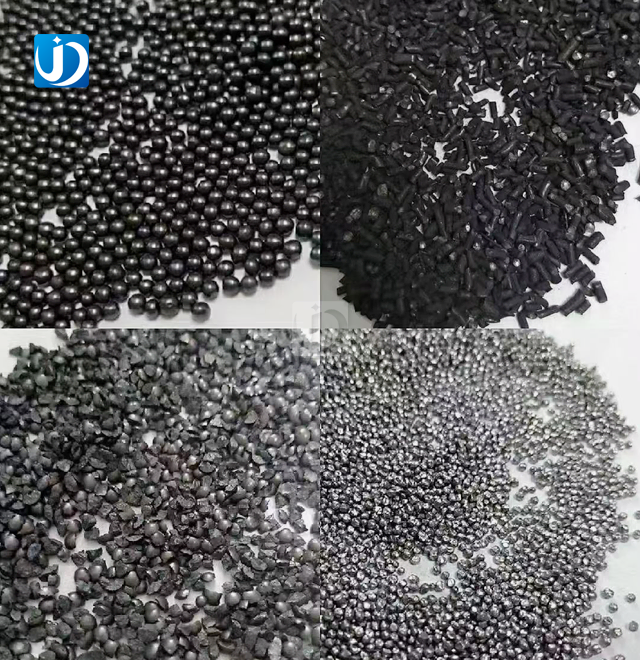
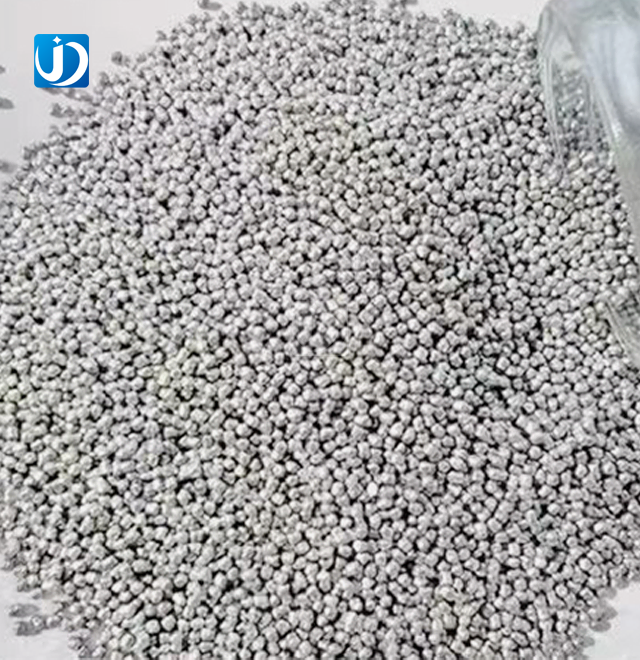
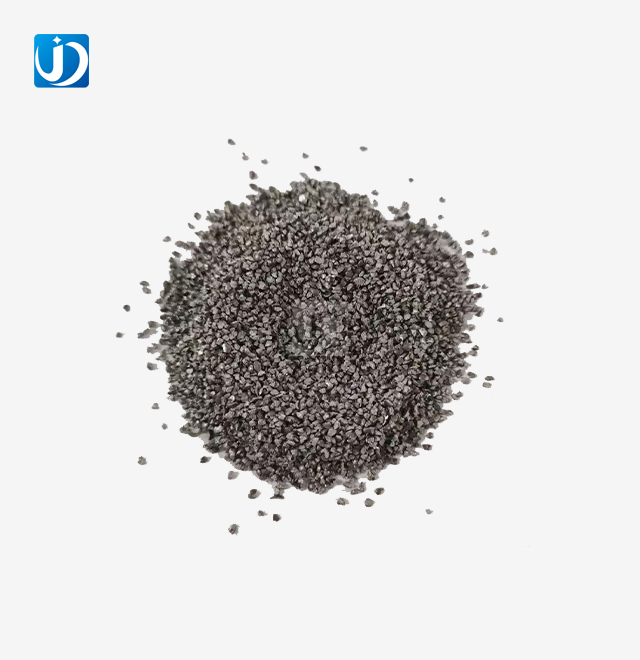
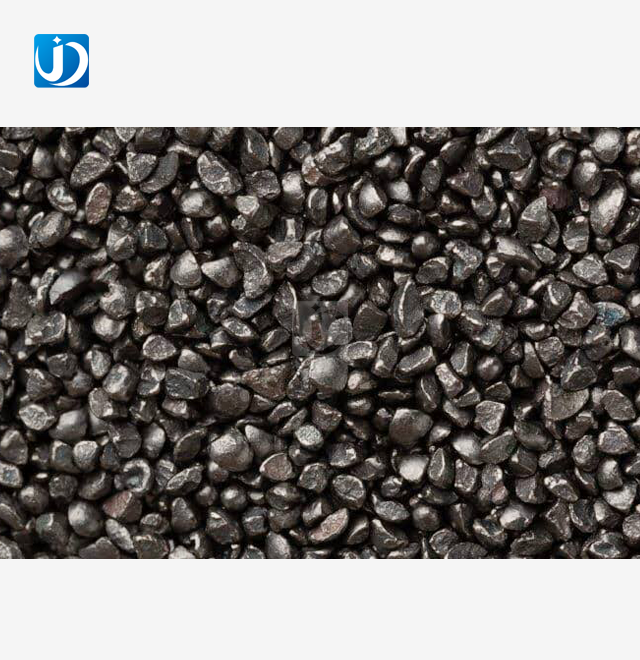
stainless steel shot blasting media
It avoids rust spots on workpieces, ideal for high-cleanliness treatment of stainless steel, aluminum
alloy and copper parts.
Spherical Granules with Gentle Impact: Spherical particles deliver balanced impact force without easily
scratching the substrate. Suitable for deburring, matte finishing and descaling of precision components.
Corrosion Resistance & Stable Consumption: Anti-oxidation and rust-proof, free from caking. Good
toughness and low breakage rate enable multiple recycling to control long-term consumable costs.
Fine & Uniform Surface Finish: Produces delicate matte texture with stable roughness without altering
workpiece dimensions, meeting high-standard pretreatment requirements before electroplating and
painting.
- Product Description
Stainless Steel Shot Blasting Media – Premium Non-Contaminating Abrasive Solution for Precision Surface Treatment
Botou Junda Machinery Equipment Co., Ltd. delivers enterprise-grade stainless steel shot blasting media engineered for zero iron contamination in high-precision manufacturing. With a 3,000 square meter production facility and more than 20 years of experience with foundry gear, we produce high-quality SUS202/SUS304/SUS430 abrasives with a bulk density of ≥7.7g/cm³ and a hardness range of 200–700HV. Compared to traditional abrasives, our media guaranties a 30–50 times longer service life, lowering consumption costs without sacrificing ISO9001-certified quality. For aluminum alloy, titanium components, and stainless steel fabrications needing rust-free surface finishing, particle sizes ranging from 0.2 mm to 3.0 mm offer adaptable solutions.

What Makes Stainless Steel Blasting Media Critical for Modern Manufacturing
Austenitic and martensitic stainless steel alloys are used to make the spherical metallic abrasive known as blasting media. This technique completely removes the risk of contamination, in contrast to carbon steel abrasives that embed ferrous particles into workpiece surfaces.
Even little iron deposits can lead to disastrous rust stains and component failure in the food processing, aerospace, and medical device industries. Our media's corrosion-resistant metal composition addresses this serious issue.
Without scratching the substrate, the spherical shape provides controlled impact energy. This makes it perfect for preparing stainless steel surfaces for electroplating, deburring precision hardware, and producing consistent matte finishes on aluminum die castings. Compared to single-use mineral abrasives, it significantly lowers waste disposal costs because it can be recycled up to thousands of times.

Technical Specifications & Performance Parameters
| Parameter | Specification |
|---|---|
| Material Grade | SUS202 / SUS304 / SUS430 |
| Particle Size Range | 0.2mm – 3.0mm (customizable) |
| Hardness | 200 – 700HV (Vickers) |
| Bulk Density | ≥7.7g/cm³ |
| Specific Gravity | 7.8g/cm³ |
| Roundness | High uniformity (spherical structure) |
| Chromium Content | >16% (austenitic grades) |
| Nickel Content | >6% (austenitic grades) |
| Compliance Standards | SAE J441, ISO 11124-4, DIN 8201-4 |
| Dust Generation | Minimal (low breakage rate) |
| Recycling Capability | Multiple cycles with stable performance |
Core Advantages for Industrial Applications
Control of Iron-Free Contamination
This medium, which is made of pure stainless steel alloys, keeps non-ferrous metals from rusting. Surface cleanliness is maintained during blasting procedures for titanium medical implants, copper electrical components, and automobile alloy housings. Rust cleanup is not necessary after treatment.
Increased Service Life Lowers Operating Expenses
Compared to silica sand or glass beads, superior toughness and fracture resistance allow for 30–50 times more recycling cycles. Reduced shipping costs, less production downtime for abrasive replacement, and fewer media replenishments will all benefit you.
Accurate Surface Finishing Without Dimensional Alteration
Uniform matte textures with regulated roughness (Ra values) are produced by the balanced impact force. Your precise parts meet esthetic standards for decorative coatings or powder coating adherence while maintaining strict tolerances.
Improved Environmental Compliance and Workplace Safety
Reduced dust production lowers respiratory risks and enhances operator visibility. The rust-proof composition makes disposal processes easier by removing the hazardous waste classification problems related to tainted carbon steel shot.
Industrial Applications Across Critical Sectors
Die Casting and Extrusion of Aluminum
Eliminate burrs, flash, and heat treatment scales from structural elements, electronic enclosures, and automobile housings. Attain satin-bright finishes without leaving behind dark oxidation deposit that lowers the quality of appearance.
Production of Stainless Steel for the Food and Pharmaceutical Sectors
Processing tanks, containers, and piping systems should have clean surfaces and welds. To comply with strict hygiene regulations and avoid contamination in hygienic settings, maintain 100% carbon-free surface integrity.
Components of Aerospace and Defense
Prepare landing gear assemblies and titanium alloy airframe components for coating adherence. Remove any imbedded iron particles that can lead to galvanic corrosion when different metals come into contact.
Stone Finishing and Architecture
Apply anti-skid texturing to natural stone surfaces and external concrete panels. Unattractive streaks on outdoor installations subjected to humidity and weathering cycles are avoided by the non-rusting qualities.

Quality Control & Material Selection Guidance
Five crucial verification indicators should be the main emphasis when assessing vendors of stainless steel shot blasting media.
Analysis of Chemical Composition
Get certificates from Optical Emission Spectroscopy (OES) verifying the amount of nickel and chromium. Long-term corrosion resistance and media deterioration during recycling are guarantyd by proper alloy balance.
Distribution of Particle Sizes
Tight size tolerances are shown in demand sieve analysis results. Uniform surface profiles and predictable blast coverage rates are the results of consistent granule diameters.
Verification of Hardness
Indicate which Rockwell C or micro-Vickers test findings meet the needs of your application. While work-hardened grades (450-600HV) can sustain rigorous descaling, softer media (200-300HV) are better for delicate finishing.
Inspection of Microstructures
Request photos from a metallographic study that demonstrate an interior structure free of porosity. Defects infect your recycling system with uneven particles and cause early fracturing.
Testing for Durability Performance
Compare the outcomes of the Ervin Life Tester to industry standards. This validates claims about cost-per-cycle efficiency by simulating actual recycling cycles.

Frequently Asked Questions
Q: What workpieces are suitable for stainless steel shot blasting abrasive?
A: Widely used on aluminum alloy, stainless steel castings, die castings and precision hardware. It removes rust and oxide scale and achieves matte surface finishing for non-ferrous metals. It prevents iron contamination and rust spots on workpieces.
Q: What advantages does stainless steel shot have over carbon steel shot?
A: It hardly rusts and will not leave iron residue on non-ferrous metals. It features good toughness and low dust. Treated surfaces remain clean without iron penetration, ideal for high-grade appearance parts and components with strict anti-corrosion requirements.
Q: What standard sizes are available for stainless steel shot?
A: Common sizes include 0.2mm, 0.4mm, 0.6mm, 0.8mm, and 1.0mm. Fine sizes are used for delicate matte finishing, while larger grains deliver powerful descaling. Select specifications according to required surface roughness.
Q: Can I use this media in a standard blast cabinet designed for sand?
A: Yes, but due to its higher density, you may need to adjust air pressure and ensure the reclamation system can handle the heavier weight for optimal performance.
Q: How do I prevent cross-contamination when switching from carbon steel shot?
A: Dedicate the blasting machine solely to stainless media. If carbon steel has been used previously, thoroughly clean all system components to prevent residual iron dust from contaminating your blasting media.
Customization and Technical Support Services
Botou Junda provides professional ODM/OEM solutions tailored to your specific process requirements. We customize particle size distributions, hardness grades, and packaging configurations based on your equipment specifications and target surface profiles.
Our engineering team delivers remote installation guidance, operator training programs, and troubleshooting support within 6-8 hours of inquiry. English operation manuals and maintenance videos ensure your staff maximizes media performance and equipment efficiency.
For complex projects requiring on-site commissioning, we arrange overseas technical service visits. Fast delivery channels for original spare parts and consumables maintain continuous production schedules.


Get Started With Premium Blasting Media
Ready to eliminate iron contamination and reduce abrasive costs? Contact our technical specialists at junda001@jundablast.com for customized stainless steel shot blasting media recommendations and quotations tailored to your application requirements.

USER EVALUATE
Real feedback and practical experience shared by worldwide partners who purchased our machinery and environmental treatment devices.