_1786959752558.webp)
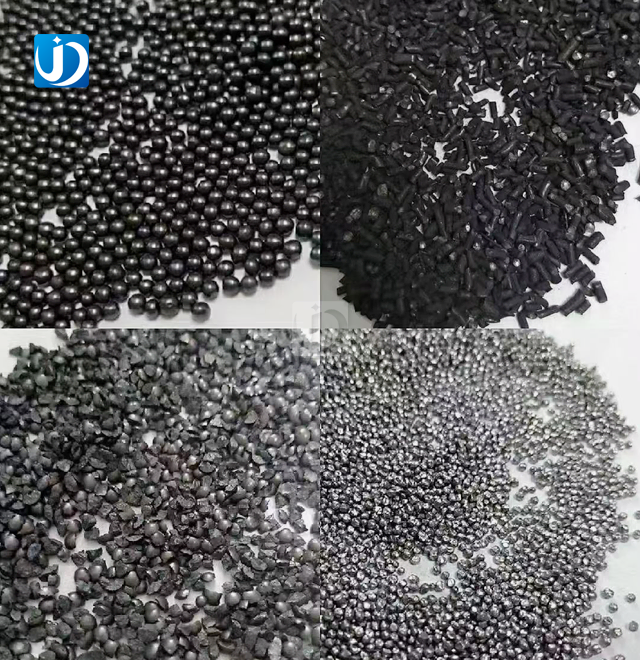
blasting grit types
Sufficient kinetic energy rapidly removes rust, mill scale, welding slag and aged coatings, greatly
shortening the processing cycle of large workpieces on continuous production lines.
Recyclable with outstanding long-term economic benefits
Good toughness ensures moderate fragmentation of abrasives, which can be reused many times with
recovery and screening equipment. Compared with disposable non-metallic abrasives, it reduces
procurement costs and cuts solid waste.
Flexibly adjustable surface treatment effect
Spherical and angular abrasives have distinct functions for impact cleaning and intensive surface
profiling respectively. A wide range of grain sizes enables precise control of anchor profile depth to
meet blasting standards including Sa2.0 and Sa2.5.
- Product Description
Blasting Grit Types for Industrial Surface Treatment | High‑Performance Abrasive Media Solutions
To achieve optimal cleaning results and long‑term coating performance, industrial surface treatment requires careful selection of abrasive media. Botou Junda Machinery Equipment Co., Ltd. supplies various blasting grit types engineered for diverse metal‑processing applications, with particle sizes ranging from 0.1 mm to 8.0 mm and hardness grades of 200‑900 HV. Supported by our 3,000‑square‑meter production facility and over 20 years of manufacturing experience, we provide metallic, stainless‑steel, mineral and ceramic abrasives complying with industry standards such as Sa2.0 and Sa2.5 surface cleanliness. Our recyclable abrasive systems feature bulk density ranging from 2.5‑7.85 g/cm³, delivering reliable impact cleaning while cutting operating costs by up to 60 % compared with disposable media.

Understand Different blasting grit types
The abrasive media you adopt directly affects your production efficiency and surface‑treatment quality. Metallic and non‑metallic abrasives are the two major categories of blasting grit, each fulfilling specific industrial requirements.
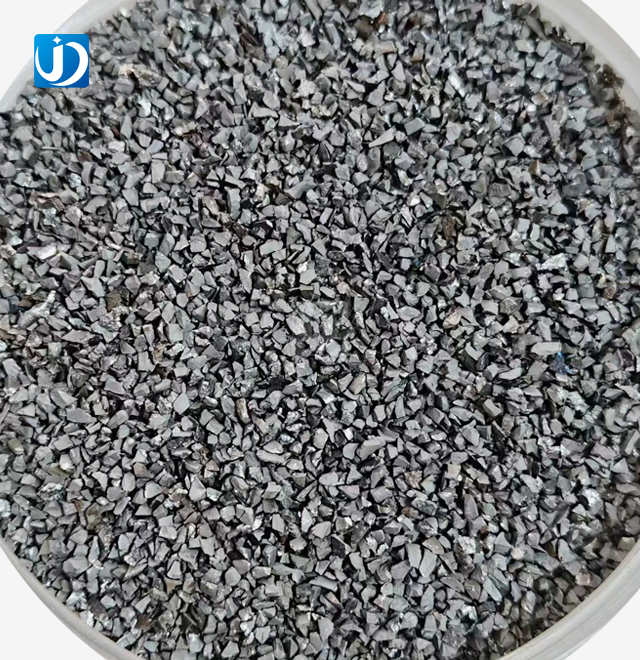
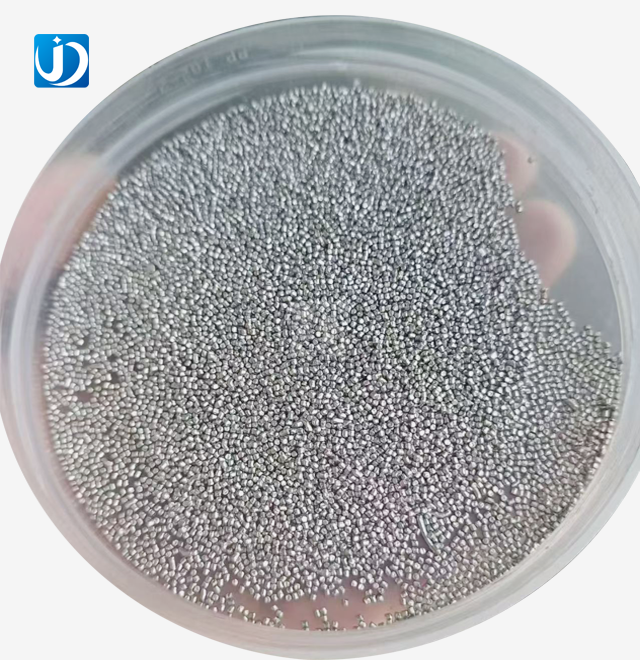
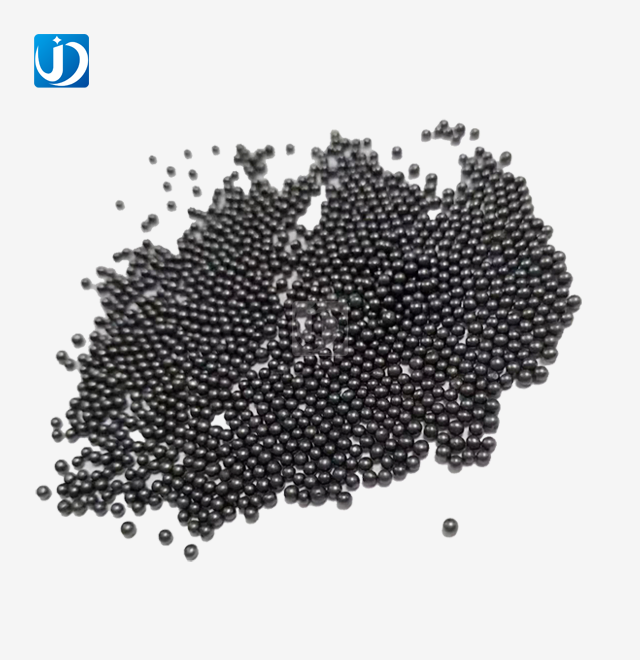
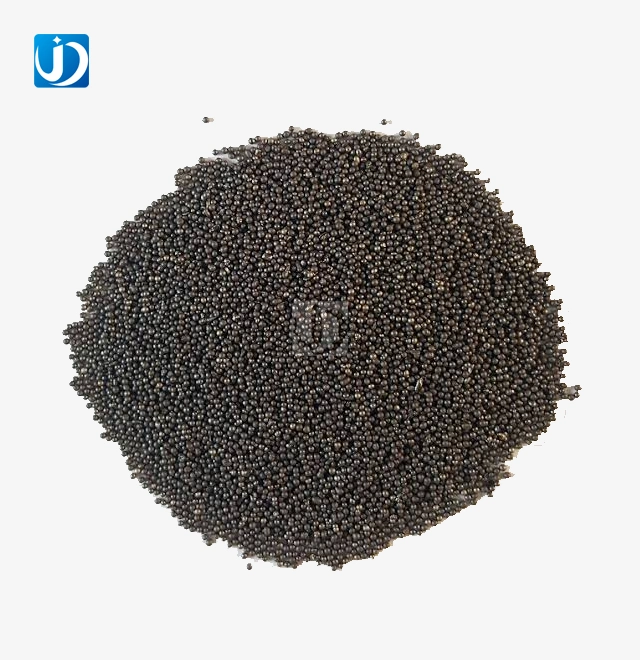
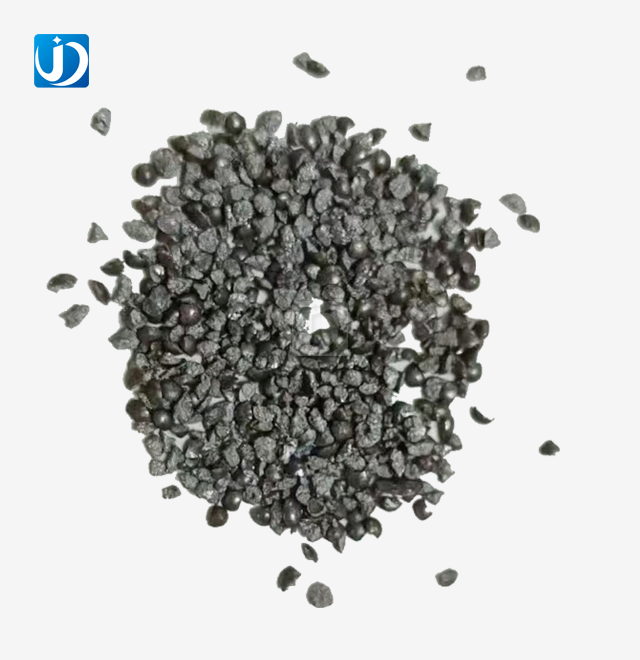
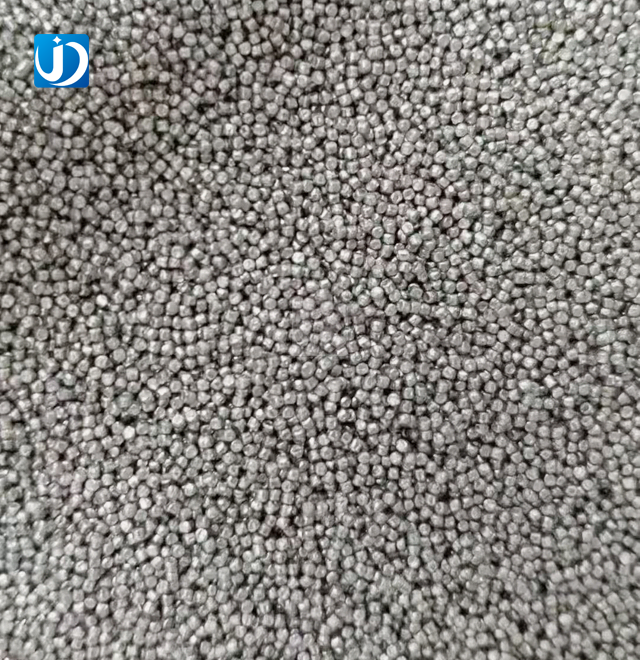
Carbon‑steel shot, steel grit and stainless‑steel media are examples of metallic abrasives. These materials deliver high kinetic energy for rapid rust removal, mill scale elimination and weld‑slag cleaning. They are well‑suited for automated continuous production lines thanks to outstanding toughness that enables multiple re‑uses via recovery systems.
Ceramic abrasives, glass beads, garnet and fused alumina serve as non‑metallic alternatives. These products apply to scenarios where iron contamination must be avoided, precision finishing and selective paint stripping are required. Despite their inherently clean surface, most of them need replacement after single use.
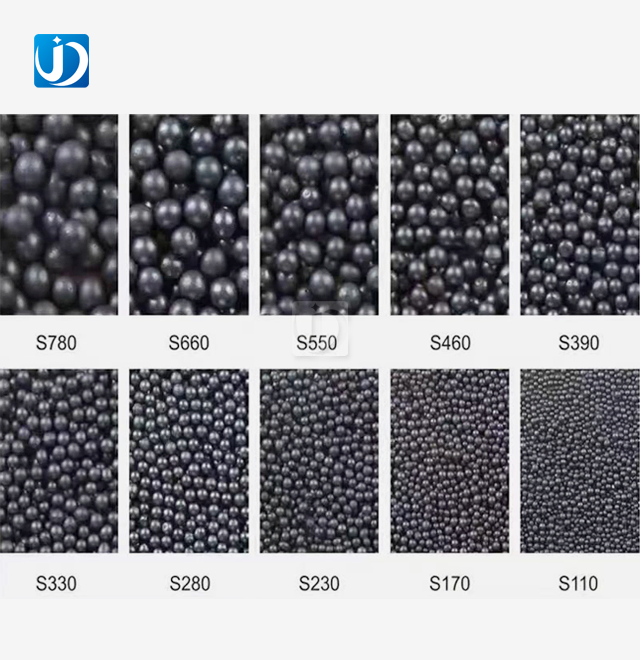
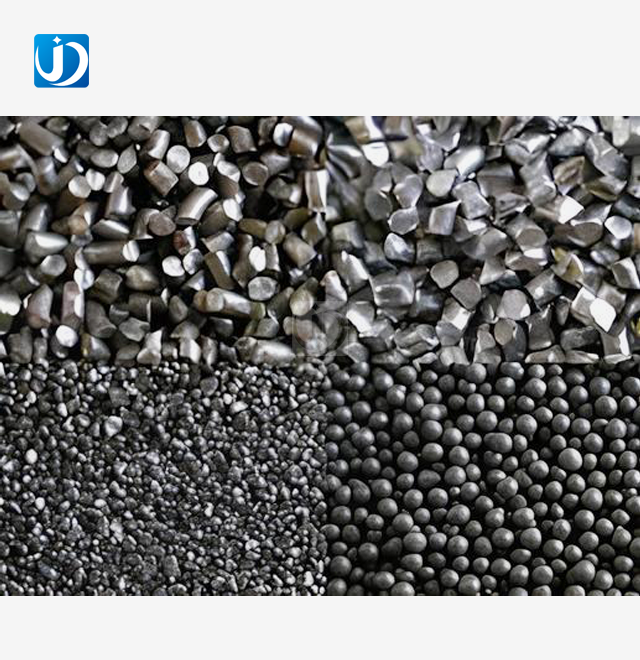
Angular abrasives generate aggressive surface profiles critical for mechanical coating adhesion. Spherical media deliver smooth finishing and stress‑relieving shot‑peening effects. Substrate material, target surface roughness and output requirements will govern your selection.

Complete Product Specifications
| Parameter | Specification |
|---|---|
| Product Series | Full‑Range Classification of Blasting Abrasives |
| Main Categories | Metallic Abrasives / Stainless‑Steel Abrasives / Mineral Abrasives / Ceramic Abrasives |
| Particle‑Size Range | 0.1 mm‑8.0 mm (fine / medium / coarse grades customizable) |
| Hardness Range | 200‑900 HV (selected according to workpiece material) |
| Bulk Density | 2.5‑7.85 g/cm³ (varies by material type) |
| Application Scope | Heavy‑duty rust removal, steel‑structure pretreatment, non‑ferrous‑metal surface treatment, matte finishing for precision parts, paint stripping, rust removal, weld cleaning |
| Served Industries | Machinery, Shipbuilding, Aerospace, Hardware, Steel Structure, Power Generation, Metallurgy, Chemical Industry, Mining |
Key Performance Advantages
Mass‑Production Efficiency
Our metallic abrasives generate sufficient kinetic energy to rapidly remove rust, mill scale, weld slag and aged coatings. Even for large‑size workpieces on continuous production lines, you will benefit from shortened processing cycles, with cleaning speed 40 % faster than conventional media.
Economical Recyclability
Controlled toughness of our blasting grit types ensures moderate breakage rates during impact. When combined with recovery and screening equipment, your abrasives can be reused dozens of times. This greatly reduces procurement costs and solid‑waste disposal expenses versus disposable alternatives.
Adjustable Surface Profiles
Select spherical abrasives for impact cleaning or angular grit for aggressive surface profiling. Our broad grain‑size portfolio enables precise control over anchor‑pattern depth. You can consistently reach Sa2.0, Sa2.5 or other specified cleanliness standards for coating adhesion.
Reduced Dust Emission
High‑density metallic abrasives resist excessive fragmentation during operation. They produce significantly less airborne dust compared with garnet or fused alumina, improving workshop conditions. Used together with our dust‑removal systems, you can achieve compliant and eco‑friendly production.
Multi‑Material Compatibility
Carbon‑steel abrasives excel at rust removal for structural steel and steel plates. Stainless‑steel media prevents iron contamination on stainless‑steel, aluminum‑alloy and copper components. Ceramic options offer extremely high hardness for demanding applications. No matter what your substrate material is, we have compatible abrasive solutions.
Industrial Applications
Steel‑Structure Manufacturing
Remove mill scale and create optimal surface profiles for protective coatings on beams, girders and structural components prior to painting or galvanizing.
Shipbuilding & Vessel Repair
Prepare hull surfaces, eliminate marine growth and strip old coatings to meet strict offshore anti‑corrosion standards for salt‑water environments.
Automotive & Machinery Manufacturing
Clean castings, forgings and machined parts before assembly or finishing operations to remove sand residues, mill scale and surface defects.
Power‑Generation Equipment
Process turbine components, boiler tubes and pressure vessels in accordance with specifications to guarantee reliability under harsh operating conditions and extend service life.

Frequently Asked Questions
Q: What are the two major material‑based categories of abrasives?
A: Metallic blasting abrasives and non‑metallic blasting abrasives. Metallic abrasives can be recycled repeatedly. Most non‑metallic abrasives are single‑use, and only a few allow partial recovery. They differ greatly in applicable scenarios and costs.
Q: What are common metallic‑abrasive types and their applications?
A: Carbon‑steel shot and steel grit are used for rust removal and pretreatment of steel structures and steel plates. Stainless‑steel shot and grit apply to stainless‑steel, aluminum‑alloy and copper parts to avoid iron contamination. Shot peening delivers surface strengthening and stress relief for workpieces.
Q: What are typical non‑metallic abrasives and their service conditions?
A: Brown fused alumina, white fused alumina, glass beads and garnet are widely used for open‑air blasting, matte finishing of precision parts and small rework jobs. Drawbacks include limited recyclability and heavy dust generation; they are not suitable for automatic continuous shot‑blasting production lines.
Q: How to choose between metallic and non‑metallic abrasives according to production conditions?
A: Thanks to recyclability, metallic abrasives are the preferred option for enclosed automatic blasting equipment and long‑term mass production. Non‑metallic abrasives or stainless‑steel abrasives fit occasional small‑batch processing, on‑site rework and scenarios where iron embedding is prohibited.
Professional Customization & Support
Botou Junda maintains sufficient stock of standard abrasive products for fast delivery. Custom specifications can generally be manufactured within approximately 15 days upon your request. Our professional team replies to inquiries within 6‑8 hours to ensure efficient communication throughout projects.
We deliver comprehensive technical support including remote guidance, operator training, English‑language operation manuals and maintenance videos. Overseas on‑site engineering services are available when necessary to secure optimum equipment performance and abrasive utilization efficiency.
Our quality‑management system holds ISO9001, ISO14001 and ISO45001 certifications. We can assist with CE and other export‑certification applications and provide complete technical documentation to satisfy global market‑access requirements.



Contact Us for Abrasive Solutions
Ready to optimize your surface‑treatment process? Contact our technical team via junda001@jundablast.com for recommendations on suitable blasting grit types for your specific applications.

USER EVALUATE
Real feedback and practical experience shared by worldwide partners who purchased our machinery and environmental treatment devices.