_1786959752558.webp)
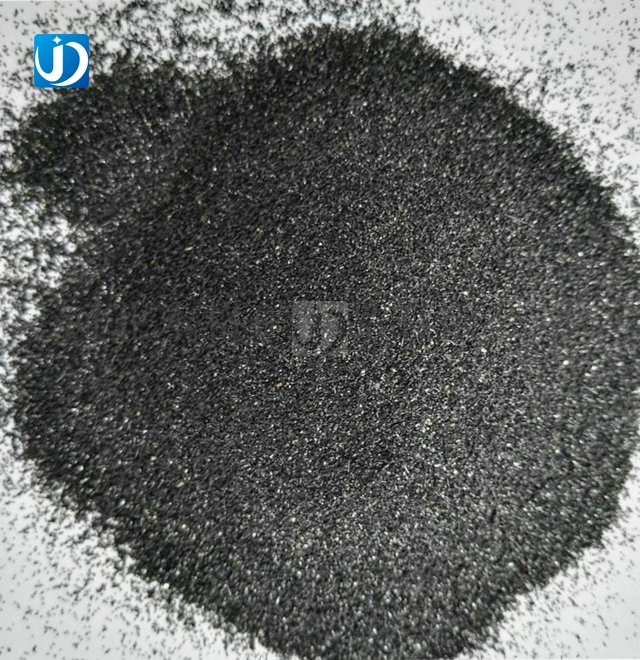
best abrasive for sandblasting metal
High density and superior toughness enable repeated screening and recycling when matched with
recovery systems of enclosed blasting booths and pressure blast machines. Compared with disposable
abrasives such as garnet and fused alumina, it greatly reduces long-term consumable procurement
costs and generates lower dust emissions.
Wide Adjustable Range of Surface Treatment Results
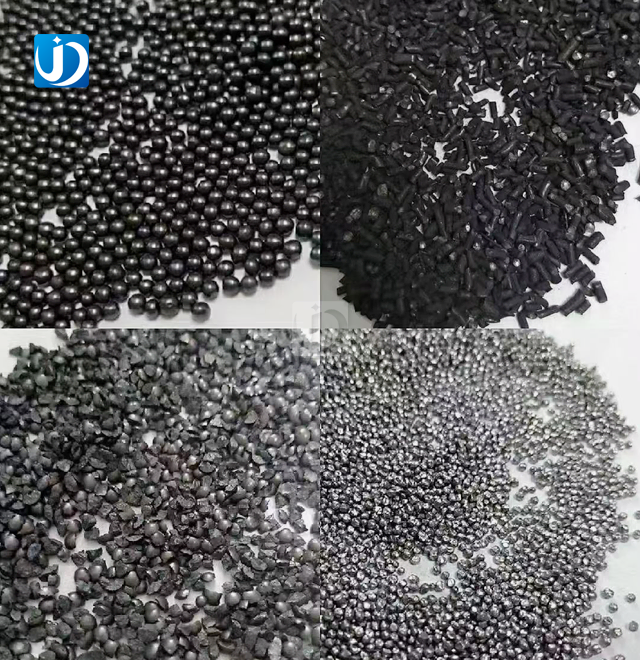
Spherical metallic abrasives focus on impact cleaning with weak cutting effect, while angular metallic
abrasives are dedicated to surface profiling. With various grain sizes and hardness grades available,
they can precisely meet different Sa2.0~Sa2.5 blasting standards and flexibly adjust anchor profile
depth.
- Product Description
Best Abrasive for Sandblasting Metal – High‑Performance Abrasive Solutions | Professional Surface‑Treatment Media for Industrial Applications
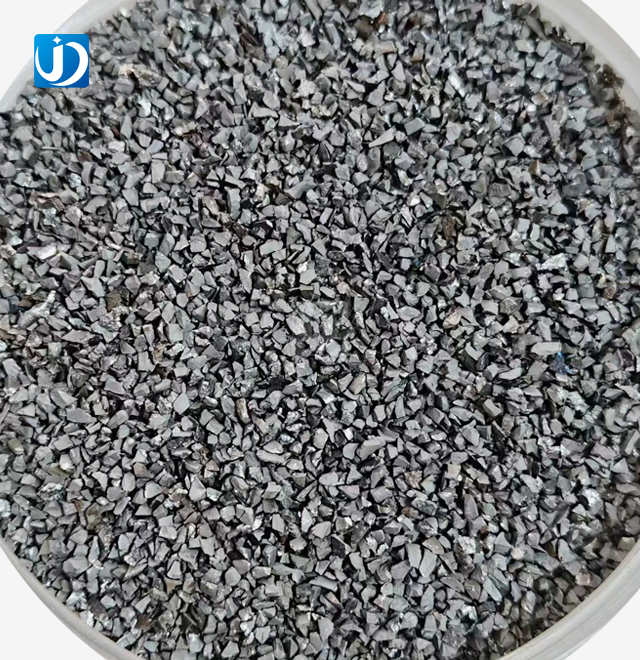
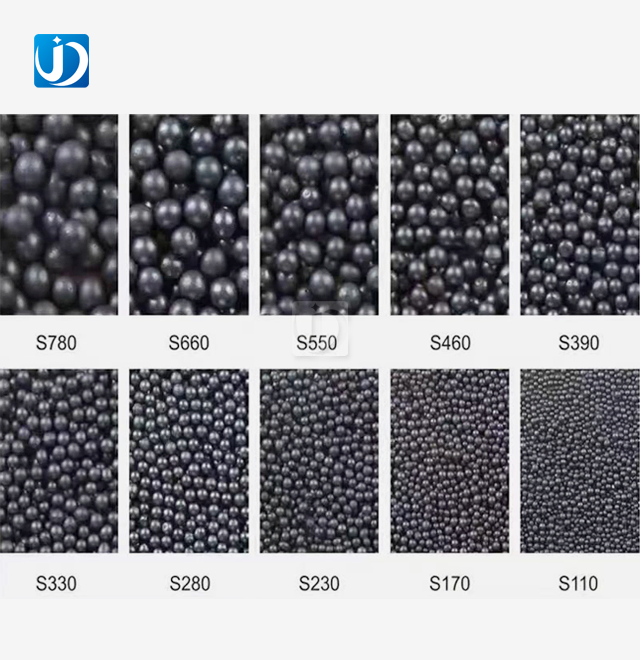
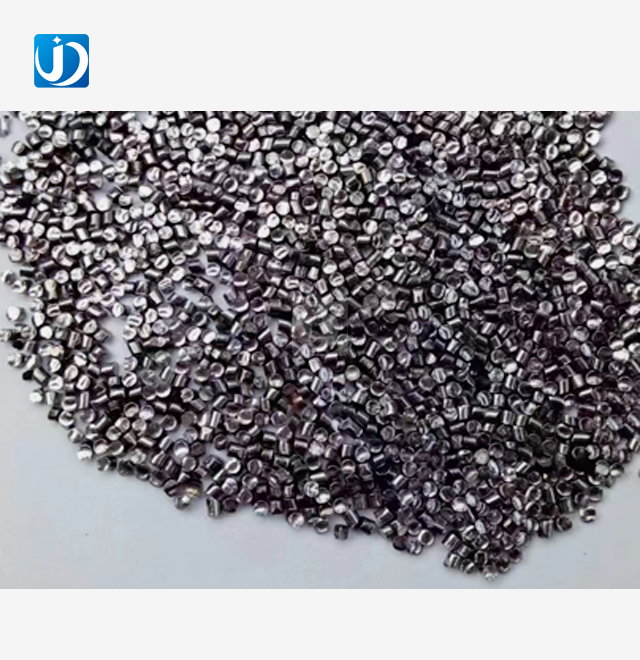
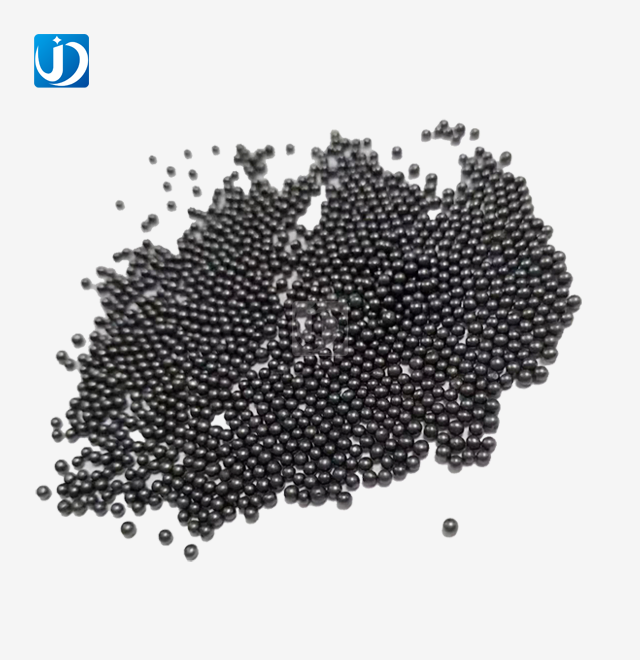
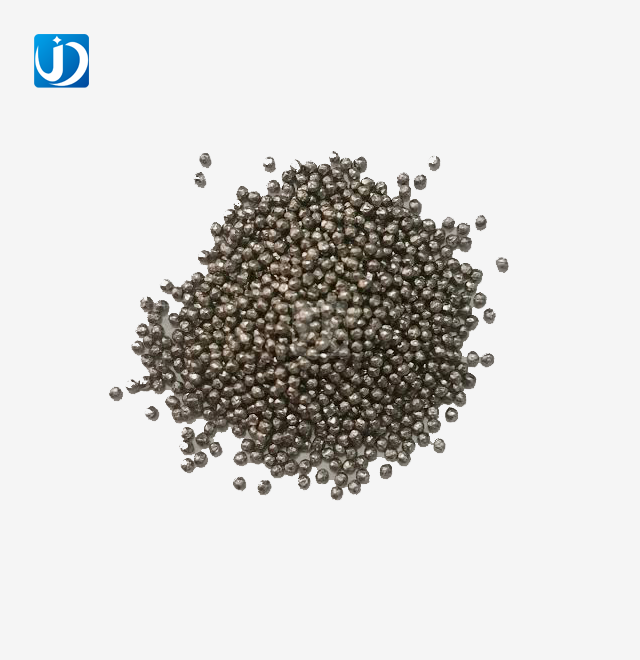
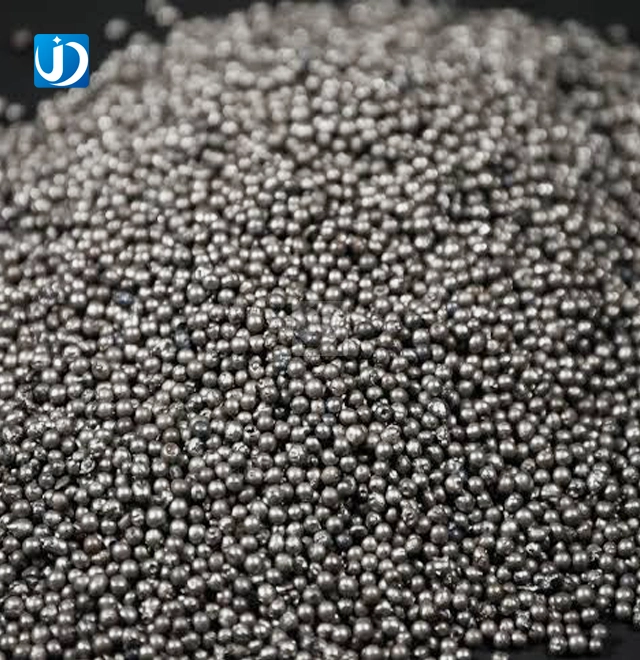
Botou Junda Machinery Equipment Co., Ltd. provides precision metallic abrasives designed for demanding industrial metal surface‑treatment projects. Our best abrasive for sandblasting metal solutions include carbon‑steel shot/grit, stainless‑steel media, alloy‑steel grit and white fused alumina, with particle sizes ranging from 0.1 mm to 6.0 mm and hardness grades of 200‑750 HV. With over 20 years of foundry‑machinery experience and a 3,000‑square‑meter production plant, these recyclable high‑density (≥7.5 g/cm³) abrasives reduce long‑term operating costs by up to 60 % compared with disposable media, while consistently meeting Sa2.0‑Sa2.5 cleanliness requirements.

Why Metallic Abrasives Are Ideal for Industrial Metal Treatment
Workpiece material, target surface profile and production environment all affect blasting‑media selection. Metallic abrasives are well‑suited for continuous production lines due to excellent recyclability and high impact energy.
For carbon‑steel structures, blends of steel shot and steel grit deliver balanced cleaning and profiling. Angular and spherical particles jointly remove rust deposits and create optimal anchor patterns for protective coatings. When used with recovery systems inside enclosed blast booths, these materials can be reused 50‑200 times, significantly cutting consumable costs.
Stainless‑steel‑based abrasives protect non‑ferrous and stainless‑steel parts from iron contamination. This eliminates galvanic corrosion risks that impair coating adhesion, passivation and anodizing. Stainless‑steel media maintains surface integrity for titanium, copper and aluminum workpieces subject to strict cleanliness standards in subsequent processes.
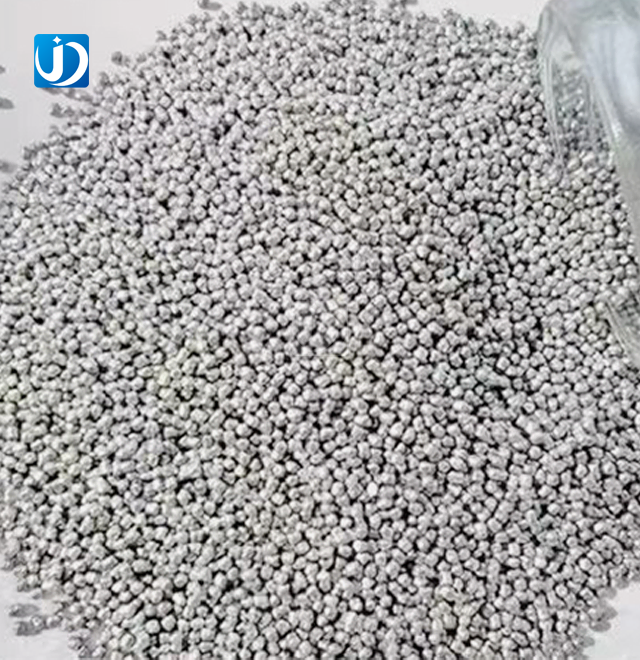
For fine finishing operations, white fused alumina enables precise process control. Its medium hardness removes oxides without excessive substrate material loss, making it perfect for precision instruments and aircraft components where dimensional accuracy is critical.

Technical Specifications for best abrasive for sandblasting metal
| Parameter | Specification |
|---|---|
| Product Series | High‑efficiency Optimized Metallic Blasting Abrasives |
| Material Options | Carbon‑Steel Shot / Stainless‑Steel Grit / Alloy‑Steel Grit / White Fused Alumina |
| Particle‑Size Range | 0.1 mm‑6.0 mm (customizable according to material and roughness requirements) |
| Hardness Range | 200‑750 HV (graded for different metal workpieces) |
| Bulk Density | ≥7.5 g/cm³ |
| Structural Features | Professionally graded to achieve balanced impact and cutting performance |
| Recyclability | Low breakage rate and high reusability within closed‑loop systems |
| Dust Generation | Minimal emissions compared with disposable abrasives |
| Surface Quality | Free of secondary oxidation and iron contamination |
Core Performance Advantages
Outstanding Recyclability & Cost‑Effectiveness
Our high‑density best abrasive for sandblasting metal withstands repeated impacts without excessive fragmentation. When equipped with proper screening equipment, fractured particles and contaminants are separated, and intact media is recycled for reuse. Compared with disposable garnet or fused alumina, this closed‑loop solution lowers procurement costs by 40‑70 % and generates far less hazardous dust.
Adjustable Surface‑Treatment Results
Spherical steel shot delivers concentrated impact energy to remove heavy rust and mill scale. Angular steel grit forms well‑defined anchor profiles to improve coating adhesion. By selecting suitable grain sizes and hardness grades, you can achieve strict Sa2.0‑Sa2.5 cleanliness standards and control profile depth between 50‑150 μm to satisfy your coating specifications.
Optimized for Continuous Production
Metallic abrasives generate higher kinetic energy under identical air pressure, improving throughput for automatic blasting production lines. This performance benefit is critical for high‑volume steel manufacturing, foundry operations and heavy‑equipment fabrication, where downtime costs rise rapidly.
Material‑Specific Solutions to Prevent Process Defects
Carbon‑steel abrasives work well for carbon‑steel substrates. For non‑ferrous metals and stainless steel, switching to stainless‑steel media eliminates embedded foreign‑particle risks that trigger galvanic corrosion. Such material matching guarantees stable surface chemistry for passivation, anodizing and high‑end coating systems, where contamination may lead to catastrophic bonding failure.
Application Scenarios
Our metallic abrasives cover diverse industrial metal‑treatment demands. Carbon‑steel shot and grit perform heavy‑duty descaling for structural steel, ship hulls, pressure vessels and bridge components. They efficiently remove corrosion layers, welding spatter and mill scale with powerful cleaning action.
Stainless‑steel abrasives are ideal for architectural metalwork, food‑processing equipment, medical‑device manufacturing and finishing of aerospace components. They deliver controlled surface etching without introducing iron contamination that would impair corrosion resistance or visual appearance.
White fused alumina is suitable for precision cleaning of aircraft landing‑gear parts, surgical instruments and electronic housings, where surface cleanliness and dimensional correctness directly determine product reliability.

Frequently Asked Questions
Q: How do I select the proper media for metal blasting jobs?
A: There is no universal media for all applications. First evaluate workpiece materials: carbon‑steel workpieces tolerate carbon‑steel abrasives, while stainless‑steel and non‑ferrous parts require stainless‑steel or ceramic media to avoid contamination. Consider target surface roughness, availability of recovery systems and budget limits. Projects requiring Sa2.5 profiles for thick coatings benefit from angular grit, whereas light‑duty cleaning can use spherical shot.
Q: Which metallic abrasive delivers the best cost‑performance for carbon‑steel structure blasting?
A: Blended carbon‑steel shot and grit produce optimal results. Steel shot provides impact energy for rust and scale removal. Angular steel grit quickly forms surface profiles meeting Sa2.5 coating standards. Combined usage accelerates production and keeps per‑square‑meter operating costs low thanks to extensive recyclability (typically over 100 cycles in well‑maintained recovery systems).
Q: Why are stainless‑steel abrasives regarded as qualified abrasive for sandblasting metal such as aluminum and stainless steel?
A: Carbon‑steel media embeds tiny iron particles that oxidize into rust stains and contaminate workpiece surfaces. Stainless‑steel abrasives completely eliminate such cross‑contamination risks. Treated surfaces remain chemically clean for painting, anodizing, electroplating and assembly processes. Costly rework and warranty claims caused by premature corrosion can be avoided.
Q: What supporting conditions extend media service life and ensure optimal performance?
A: Install complete recovery and screening systems to remove fractured particles and dust contaminants. Set blasting pressure per manufacturer recommendations — excessive pressure accelerates media degradation. Seal equipment housings to prevent material loss. Precisely select grain sizes matching your target roughness; oversized grit wastes energy and creates unnecessary debris.
Get Professional Blasting‑Media Solutions
Botou Junda replies to technical inquiries within 6‑8 hours. Custom best abrasive for sandblasting metal solutions are available with around 15‑day lead time. Contact our engineering team via junda001@jundablast.com for application‑specific recommendations and detailed technical specifications.




USER EVALUATE
Real feedback and practical experience shared by worldwide partners who purchased our machinery and environmental treatment devices.