


_1786959752558.webp)
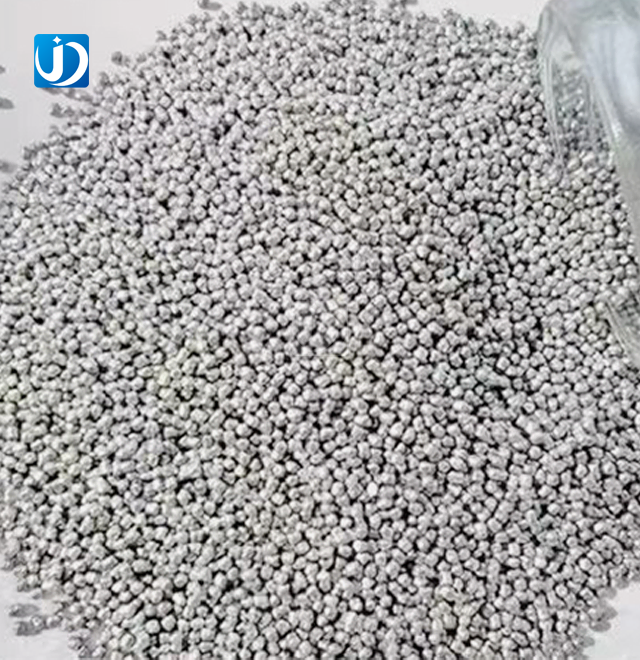
metal shot blasting
Spherical particles remove contaminants by impact without excessive erosion. Thin-walled and
precision machined workpieces can avoid deep grooves and surface damage.
Produces fine and uniform matte surface
Consistent delicate texture meets aesthetic requirements of decorative parts, ideal for passivation,
anodizing and decorative coating pretreatment.
Effectively relieves surface residual stress
Continuous impact provides mild shot peening effect, improving fatigue resistance and reducing the
risk of crack initiation.
Moderate abrasion fragmentation and long recycling life
Even force distribution on spherical media ensures steady wear rate.
- Product Description
Metal Shot Blasting Machine – Industrial Surface‑Treatment Solutions for High‑Performance Finishing
Botou Junda Machinery Equipment Co., Ltd., with more than 20 years of foundry‑machinery expertise, supplies enterprise‑grade metal shot‑blasting systems. Our metal shot blasting processes workpieces at an impact velocity of 50‑100 m/s, achieving cleanliness standards of ISO 8501‑1 Sa 2.5 to Sa 3 while maintaining surface roughness between Ra 15‑80 μm. Supported by a 3,000‑square‑meter production facility and professional ODM/OEM capabilities, we support custom configurations including intelligent monitoring software, automatic control systems and private labeling. Standard machines ship from stock, custom solutions are manufactured in approximately 15 days, and technical inquiries receive replies within 6‑8 hours.

What metal shot blasting Technology Delivers
metal shot blasting is a high‑speed mechanical process that uses centrifugal wheel turbines or pneumatic systems to propel spherical abrasive media such as cast steel shot, stainless‑steel shot or alloy‑steel shot onto workpiece surfaces. The process forms consistent anchor profiles for coating adhesion while effectively removing oxide layers, rust, mill scale and weld slag.
The spherical geometry of metal shot guarantees impact‑dominated cleaning action. Round particles transfer kinetic energy through elastic impact and preserve substrate integrity, in sharp contrast to aggressively‑cutting angular abrasives. Thanks to this characteristic, the method is well‑suited for base materials, thin‑walled components and precision‑machined parts requiring controlled surface modification without deep gouges.
Beyond cleaning, continuous impact induces beneficial compressive stress in surface layers. This shot‑peening effect improves fatigue resistance by relieving residual tensile stress from welding or cold‑working operations and reduces the possibility of crack formation in load‑bearing components.

Core Technical Specifications
| Parameter | Specification |
|---|---|
| Process Name | Metal Shot Blasting Process |
| Applicable Media | Cast steel shot, stainless‑steel shot, alloy‑steel shot |
| Media Particle Size | 0.1 mm‑8.0 mm (multiple grades available) |
| Working Pressure | 0.4‑0.8 MPa (adjustable according to workpiece thickness and contamination level) |
| Nozzle Distance | 100‑300 mm vertical clearance |
| Blasting Angle | 70°‑90° for vertical blasting applications |
| Surface Roughness | Ra 15‑80 μm (customizable for rust removal, matte finishing and coating pretreatment) |
| Cleanliness Grade | ISO 8501‑1 Sa 2 to Sa 3 (depends on process parameters) |
| Impact Velocity | 50‑100 m/s (wheel‑type systems) |
Why Choose Our Shot‑Blasting Systems
Material Protection & Impact‑Focused Action
Spherical particles remove contaminants via elastic impact rather than aggressive cutting. Precision parts and thin‑walled structures are protected against surface damage, retaining dimensional accuracy throughout the cleaning cycle.
Uniform Matte Surfaces for Decorative Applications
Consistent fine textures meet aesthetic standards for consumer electronics, vehicle trim and architectural panels. Powder coating, anodizing and passivation procedures all benefit from high‑quality surface preparation.
Stress Reduction via Controlled Shot‑Peening
Continuous impact delivers mild shot‑peening effects to boost fatigue resistance for drive shafts, springs and welded components. Tensile stress that causes premature failure is counteracted by compressive‑stress layers.
Lower Operating Costs Through Extended Media Service Life
Even force distribution across spherical media ensures consistent wear rates. Integrated recovery and screening systems save consumable costs and media‑replenishment downtime through long‑term abrasive recycling.
Flexible Multi‑Material‑Compatible Parameters
Grain‑size selection and air‑pressure control are two ways to vary cleaning intensity. Stainless‑steel shot shields non‑ferrous and alloy components from ferrous contamination, while cast steel shot works for carbon‑steel substrates.
Industrial Applications
Steel Production & Structural Components
Large‑scale cleaning of H‑beams, steel plates and bridge sections to reach Sa 2.5 cleanliness for long‑term corrosion protection in industrial and marine environments. The process efficiently handles large‑size workpieces within roller‑conveyor or pass‑through systems.
Foundry Operations
Bulk‑volume processing of engine blocks, gearbox housings and hydraulic components removes residual molding sand and mill scale. Batch cleaning is automated by overhead chain systems and delivers reliable results for a wide range of complex geometries.
Automotive & Machinery Manufacturing
Shot‑peening of gears, crankshafts and suspension parts improves fatigue life for high‑stress applications. The process also prepares body panels and chassis frames for electrostatic painting to secure optimal coating adhesion.
Welded Assemblies with Heat‑Treated Components
Dimensional tolerances are restored once mill scale is removed from annealed or hardened parts. Deformation during subsequent machining or service loading is avoided when welded structures undergo stress‑relief treatment.

Frequently Asked Questions
Q: What surface results can be achieved by shot blasting?
A: High‑velocity impact from spherical metal shot removes loose rust, mill scale and welding contaminants from workpiece surfaces. The process relieves welding and cold‑working stresses, delivers matte finishes and moderately increases substrate roughness for coating‑pretreatment applications.
Q: Which workpieces are suitable or unsuitable for this process?
A: Suitable materials include steel structures, steel plates, iron castings, stainless‑steel and aluminum die‑castings. Avoid application on ultra‑thin parts prone to deformation, workpieces requiring extremely high roughness, and components with heavy stubborn corrosion where angular steel grit performs better.
Q: How should core process parameters be adjusted?
A: Key variables include abrasive size, blasting pressure, distance, angle and travel speed. Larger particle sizes and moderate pressure suit heavy‑duty rust removal, while lower pressures protect thin workpieces. Maintain 150‑300 mm distance and a blasting angle of 30°‑75°, avoid perpendicular impact to prevent deformation.
Q: What is the difference between shot blasting and grit blasting?
A: Spherical shot has no sharp edges and seldom creates deep scratches, yet its roughening capacity is limited. Equipment should include recovery and screening systems to remove fractured abrasives. Avoid excessive mixing with steel grit to prevent irregular deep scratches, and replenish fresh shot regularly to guarantee consistent impact performance.
Q: Can this process cause workpiece warpage?
A: Compressive stress may lead to deformation on thin‑gauge materials. Mitigation strategies include adjusting wheel speed, reducing media size, controlling blasting duration and properly supporting workpieces during processing.
Quality Assurance & Certifications
Our quality‑management system complies with global standards, holding ISO 9001 quality management, ISO 14001 environmental management and ISO 45001 occupational‑health‑and‑safety certifications. Equipment compliance tests ensure adherence to CE marking regulations for European‑market access.
Technical documentation packages include English‑language operation manuals, maintenance schedules, spare‑parts lists and qualification materials supporting global‑market entry. We assist customers with export‑certificate applications and supply test documents to satisfy regional regulatory requirements.

Customization & Global Support
Expert OEM and ODM services modify equipment to match local codes and operating conditions. Machine dimensions, dust‑collection capacity, automatic‑control systems, intelligent‑monitoring software, technical drawings and private labeling are examples of available custom options.
In partnership with leading logistics companies, we ship full‑container, LCL and heavy‑lift over‑dimensional cargo worldwide. Export‑packaging complies with safety and fumigation regulations to reduce transportation risks across the whole supply chain.
Comprehensive after‑sales service covers remote installation assistance, commissioning support, troubleshooting procedures, operator‑training programs and maintenance videos. Genuine OEM spare parts are shipped via expedited channels to maximize equipment uptime, and overseas on‑site engineering services are available upon request.


Start Your Surface‑Treatment Project
Contact our technical team via junda001@jundablast.com to discuss your metal shot blasting requirements. We deliver application analysis, equipment recommendations and customized solutions within 6‑8 hours.

USER EVALUATE
Real feedback and practical experience shared by worldwide partners who purchased our machinery and environmental treatment devices.