_1786959752558.webp)
Do You Know About the Steel Pipe Shot Blasting Machine?
When we talk about preparing steel pipes for protective coatings—especially for critical applications like oil and gas pipelines—surface quality becomes non-negotiable. A Steel Pipe shot blasting machine is specialized industrial equipment designed to remove rust, mill scale, and contaminants from pipe surfaces using high-velocity abrasive media. This automated cleaning process creates the ideal anchor profile necessary for coating adhesion, ensuring corrosion resistance and extended pipeline service life. Unlike manual cleaning or chemical treatments, shot blasting delivers a consistent Sa2.5-grade surface finish, meeting stringent industry standards required for infrastructure and energy projects worldwide.
What Is a Steel Pipe Shot Blasting Machine, and How Does It Work?
Procurement teams can make better decisions when they understand how the steel pipe shot blasting machine works. At its heart, this machinery uses rotational force to move abrasive particles, usually steel shot or grit, at controlled speeds toward the pipe surface.
Core Components and Their Functions
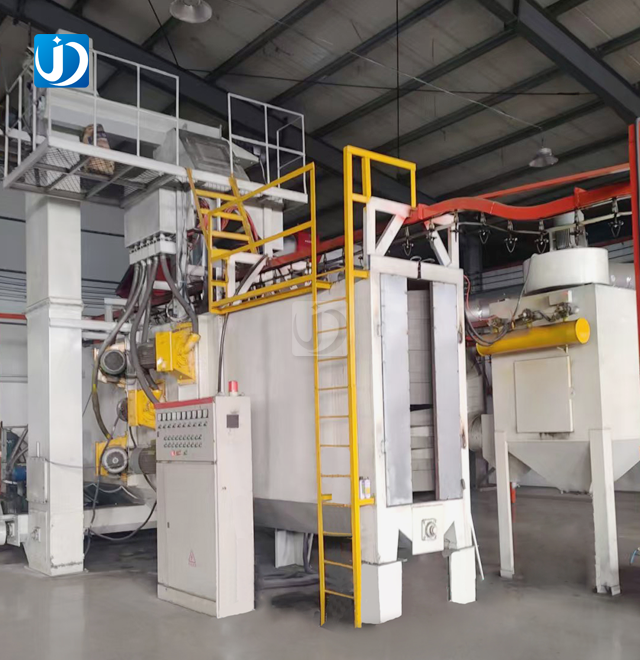
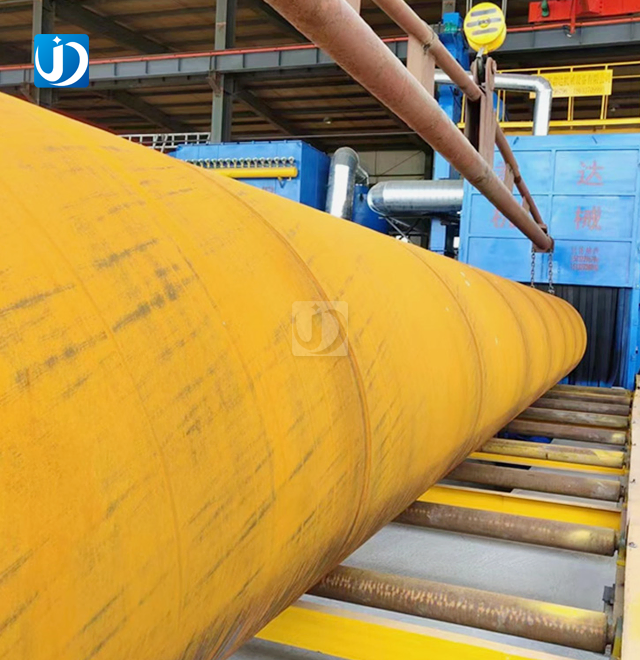
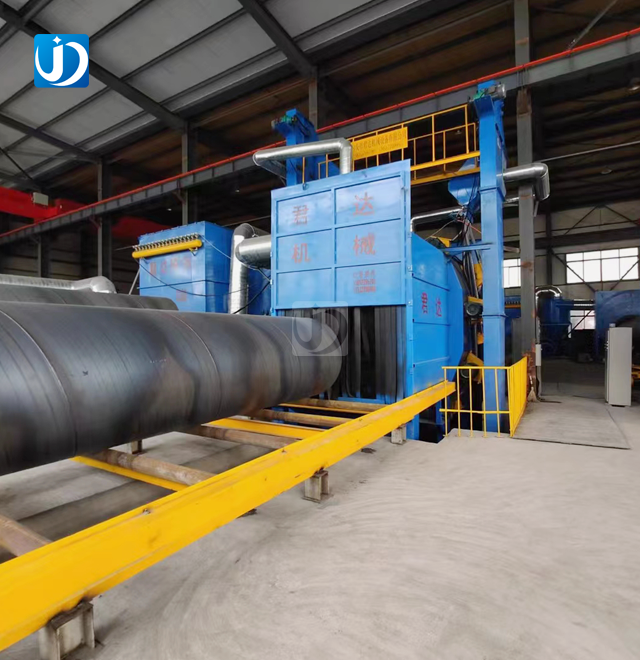
The system is made up of many parts that are all linked and work together. Blast wheels are the most important part of the process. They spin quickly to accurately throw sharp materials. The hopper system stores and measures these particles, and advanced dust collection units catch contaminants in the air. Pipes move forward and are driven to rotate by V-shaped inclined spinning wheels. This makes sure that every surface gets the same treatment. This rotating, forward-moving system gets rid of the blind spots that come with older systems.
The Cleaning Process Explained
A continuous feed system brings pipes into the chamber, where they rotate and move along the production line at the same time. Multiple blast wheels set up at the best angles hit the surface from all directions, covering the whole area without any dark spots. When the abrasive media is hit, it bounces back and falls into a system for recycling. There, whole pieces are sorted from dust and other debris so they can be used again. This closed-loop automatic abrasive recycling cuts media use by a large amount while keeping operations running smoothly.
Abrasive Media Selection and Surface Quality
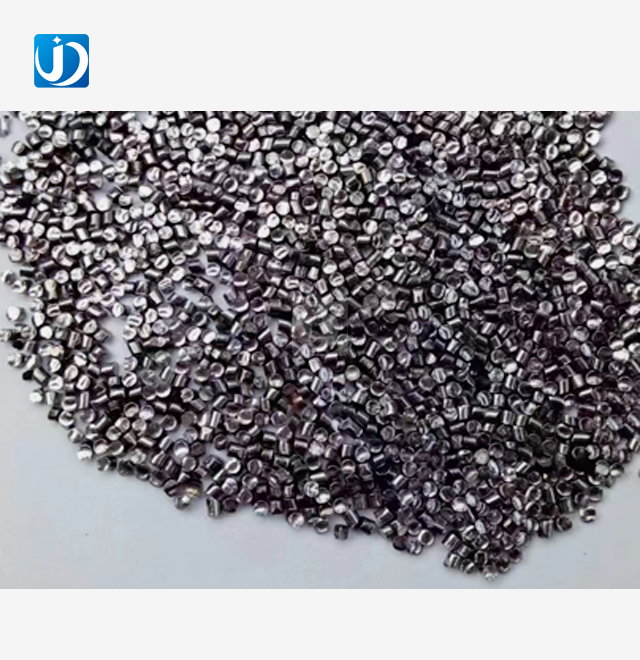
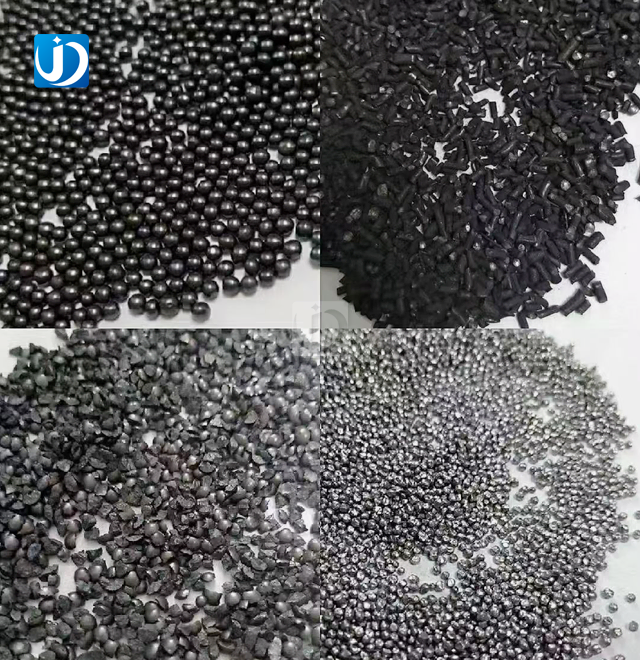
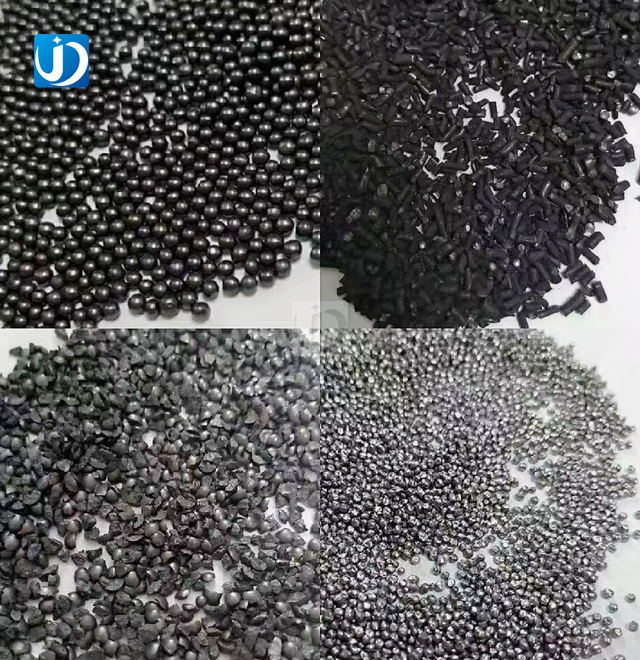
The end surface shape is directly affected by the material choice. Cast steel shot makes rounded holes that are great for general cleaning, while angular steel grit makes anchor patterns that are more precise. A lot of places use shot-grit blends to find the right balance between cleaning speed and profile depth. You can fine-tune the surface roughness by changing the size of the media, the speed of the blast wheel, and the moving rates. This adjustability makes it compatible with a wide range of coating systems, from epoxy to polyurethane. This keeps the protective layer from peeling too soon and increases its lifespan.
It's important to know the difference between shot blasting and sandblasting. Shot blasting uses reused metal media that are moved by motorized wheels. This method is more consistent and has less of an effect on the environment. For sandblasting, throwaway silica particles are sprayed with compressed air. This method makes more dust and isn't precise enough for current pipeline standards. There are different levels of automation, from semi-automatic systems that need to be loaded by hand to fully integrated lines that work with finishing processes further downstream, allowing for production rates of 1 to 12 tons per hour.
Benefits and Applications of Steel Pipe Shot Blasting Machines
Putting money into the right tools for surface preparation, such as a Steel Pipe Shot Blasting Machine, pays off in a number of ways. The benefits go beyond just cleaning; they also include better product quality, faster production, and longer-term operations.
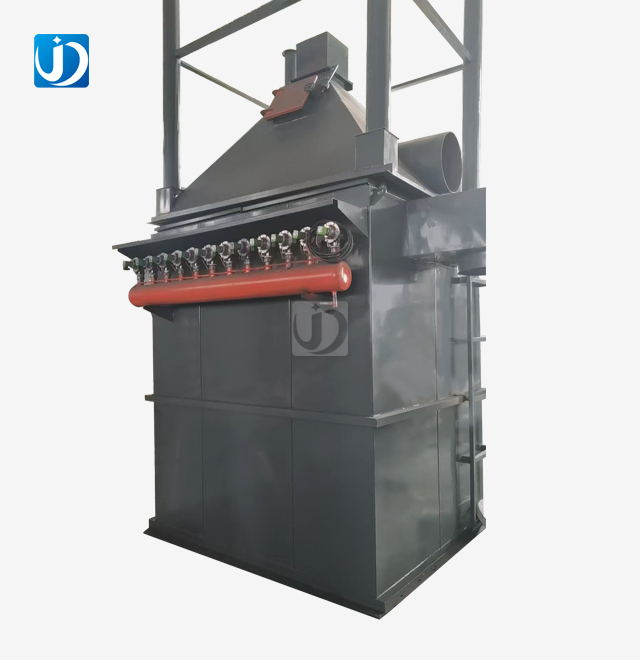
The biggest benefit is a better surface finish. According to ISO 8501-1 standards, achieving consistent Sa2.5-grade cleanliness gets rid of all oil, grease, and mill scale that can be seen and makes the texture uniform. This micro anchor profile makes it much easier for coatings to stick, which means they will be less likely to rust in harsh environments. This amount of preparation is needed for oil and gas pipes that are exposed to chemicals, water, and high temperatures to last for decades. When you compare batch processing to continuous through-feed systems, you can see that the latter is more efficient at making things. Pipes are fed and emptied without stopping, and the speeds of the flow can be changed to match the welding and coating operations going upstream and downstream. This smooth merging gets rid of bottlenecks in factories that make a lot of pipes, where the costs of downtime rise quickly. The benefits to the earth should also be thought about. Abrasive dust can't get out of sealed chambers, and pulse-jet cartridge filters catch particles as small as a few microns. Adhering to pollution standards below 20 mg/m³ meets both national rules and international environmental standards.
Industrial Applications Across Sectors
The biggest application area is oil and gas infrastructure. Transmission pipes that move natural gas, crude oil, and refined goods need coating systems on the outside that can last for thousands of miles without losing their structure. For projects that follow API guidelines, surface preparation to Sa2.5 standards is now required. Similar benefits can be seen in building projects that use structural steel tubes. Corrosion protection that can stand up to weather and mechanical stress is needed for building frames, bridge parts, and architectural elements. When making cars, smaller-diameter pipe blasting is used for exhaust systems and frame parts because they are made of lighter materials that need softer treatment parameters.
Choosing the Right Steel Pipe Shot Blasting Machine: A Comprehensive Comparison
A lot of technical and financial factors need to be carefully thought through in order to choose equipment that fits both production needs and budget limits. The framework for making decisions should find a mix between short-term skills and long-term scalability.
Automation Levels and Operational Flexibility
Manual systems cost less to buy at first, but they need skilled workers to load, place, and remove workpieces. Semi-automatic setups use mechanized conveying to lower the amount of work that needs to be done while still requiring human setup. Sensors, PLCs, and variable frequency drives are all built into fully automatic production lines so that factors can be optimized in real time. Processing speeds of 1 to 12 tons per hour can accommodate a wide range of production sizes, from small job shops to large pipe mills. With installed power ranging from 15kW to 120kW, throughput and pipe width capabilities can be matched.
Machine Capacity and Pipe Diameter Compatibility
The specs of the equipment must match the sizes of the workpieces that are most often handled. The highest pipe weight and length per cycle are based on the single hook load strengths, which range from 300 kg to 8000 kg. The roller spread can be changed to fit pipe diameters from Φ50 mm to Φ2000 mm and even larger. Modular designs that allow for quick changeovers are helpful for facilities that make both small-bore tubing and large-diameter line pipe. Hook speeds can be set to be between 2 and 5 revolutions per minute, depending on the thickness of the pipe wall and the length of time that needs to be exposed.
The total cost of ownership of a Steel Pipe Shot Blasting Machine is affected by energy efficiency and dust control solutions in a big way. Modern designs have motors that use less energy, blast wheels that are better shaped, and smart power control that lowers the amount of electricity used per ton handled. Multistage filtering using cyclone separators, cartridge filters, and extra HEPA units captures more airborne particles than what is required by environmental laws. Pulse-jet cleaning systems keep the airflow steady and increase the life of the filter, which stops pressure drops that make cleaning less effective. There are more costs to think about than just the purchase price. Long-term financial planning takes into account things like the need for maintenance, the availability of spare parts, and the risk of downtime. High-chromium liners that don't wear down and have hardness ratings above HRC 60 make replacements more frequent, and standard parts make it easier to find what you need. Operational dependability is affected by things like warranty coverage, how quickly technical help is provided, and how operators are trained. To get a good idea of lifetime costs, procurement teams should ask for specific information on the normal repair time and mean time between failures (MTBF).
Purchasing, Maintenance, and Safety Guidelines for Steel Pipe Shot Blasting Machines
Strategic sourcing, careful planning of maintenance, and strict safety rules are all important parts of buying equipment. Each step helps to get the best return on investment and make sure workers are healthy.
Supplier Evaluation and Customization Capabilities
To find qualified manufacturers, you need to look at their engineering skills, production capacity, and quality certifications. Certifications like ISO 9001, ISO 14001, and ISO 45001 show that a company is serious about quality control, protecting the environment, and keeping workers safe. Companies that have utility model patents and proprietary software copyrights show that they can come up with new ideas. It is easier to plan projects and get regulatory approvals when you can provide detailed technical paperwork, such as 3D CAD models, installation instructions, and compliance reports. Flexibility in customization meets the specific needs of production. The way the equipment is set up can be changed to fit different pipe diameters, local voltage standards, and environmental rules. Different options include different dust collection abilities, special roller materials for thin-wall tubing, and built-in tracking systems that keep track of measurements for efficiency. Distributors and trade companies that want to set their brands apart, like private labeling and OEM agreements. Quality of help after the sale is often predicted by how willing the supplier is to work with you on making changes to the specifications.
Installation, Training, and After-Sales Support
Professional fitting makes sure that the equipment works as it should from the start. Technicians with a lot of experience check the integrity of the foundation, line up conveying systems, set the parameters for the blast, and start up control software. Internal expertise is built through operator training programs that cover routine tasks, how to fix problems, and preventative upkeep. Manuals and instructional videos in English help international customers keep the knowledge flowing. Most warranties cover the whole machine unit and include provisions for key wear parts. During busy production times, quick technical support that cuts down on downtime is very helpful. With remote diagnostics, makers can fix problems by connecting to the internet, which cuts down on the need for on-site trips. When needed, service experts from other countries can be sent to do complicated repairs or updates. Long-term availability of spare parts, especially for blast wheel blades, bearings, seals, and roller assemblies, keeps production from stopping because of old parts.
Maintenance Best Practices and Safety Protocols
Scheduled maintenance helps equipment last longer and keep working at the same level. Every day, the levels of abrasive media, filter pressure differences, and chain tension are checked. As part of weekly chores, dust must be cleaned up, wear patterns on blast wheels must be checked, and sensor performance must be confirmed. As part of monthly procedures, rotating assemblies need to be oiled, fasteners that are subject to vibration need to be tightened, and emergency shutdown systems need to be tested. How often you need to change blast wheel blades depends on the type of grit, how hard it is, and how many hours you use it. Under normal conditions, high-chromium alloy blades usually last between 500 and 800 hours before they lose some of their impact efficiency. Keeping an eye on the amount of shaking helps predict when bearings will fail before they do a lot of damage. Filter cartridges need to be replaced when the difference in pressure goes beyond what the manufacturer recommends. This keeps the airflow high enough to capture dust.
Safety rules protect workers from technical risks and breathing problems. Safety glasses, hearing protection, steel-toed boots, and dust masks rated for metallic particles are all pieces of personal protective equipment that must be worn. Lockout-tagout procedures keep equipment from starting up by accident while it's being serviced. Enough airflow and regular checks on the air quality make sure that the exposure guidelines for respirable dust at work are met. Multiple emergency stop buttons at entry points allow for quick shutdown when dangers appear.
Conclusion
The quality of the surface preparation affects how well protective coating systems work on steel pipes that are used in important infrastructure. The automated steel pipe shot blasting machine meets the needs of both high production speed and uniform quality. It can achieve Sa2.5-level cleanliness that can't be achieved reliably with human methods. The technology gets rid of rust, scale, and other impurities while making the best anchor profiles that make coatings stick better and prevent corrosion. Finding the right machinery means finding a balance between the need for capacity, the amount of automation, the need for customization, and the need for long-term support. Proper maintenance and operator training get the most out of an investment, and strict safety rules keep people safe. As environmental laws and industrial standards get stricter, companies that invest in cutting-edge pipe surface treatment technology will be able to keep up with changing market needs and stay competitive in the long run.
FAQ
1. What is the typical lifespan of blast wheel blades?
When used normally and made of a high-chromium metal, blast wheel blades last between 500 and 800 hours before they need to be replaced. Ratings of hardness above HRC 60 make between-service times longer. Monitoring shaking patterns and cleaning effectiveness helps figure out the best time for a change-out, which avoids unplanned downtime.
2. Can the machine handle both internal and external pipe surfaces?
Yes, both applications can be met by special configurations. External blast wheels placed around the pipe's edge clean the outside diameters while it's being conveyed continuously. For internal surface treatment, hydraulic or pneumatic lances must be pushed into the pipe bore, and changed nozzle designs must be used for cylinder shapes.
3. How is dust emission controlled effectively?
Multistage filter systems catch smaller and smaller particles over time. Cyclone separators use centrifugal force to get rid of bigger particles, and pulse-jet cartridge filters collect dust that is less than one micron in size. Emission levels below 20 mg/m³ are reached by high-efficiency designs, which meet strict environmental standards and protect worker health.
4. What causes uneven cleaning on pipe surfaces?
Usually, inconsistent results are caused by not putting the blast wheel in the right place, not turning the pipe fast enough, or using worn-out blast parts. By changing the directional cage angle, adjusting the speed of the conveyor, and replacing worn-out blades, you can get even coverage again. Regular testing keeps the Sa2.5 grade the same from one production run to the next.
Partner with Junda Machinery for Your Pipe Surface Treatment Needs
To get better results with surface preparation, you need to work with manufacturers who have a lot of experience and who understand the technical and operational problems that pipe producers face. For twenty years, Junda Machinery has been designing and making Steel Pipe Shot Blasting Machines as a skilled engineer. Our quality control systems are ISO-certified and make sure that every machine meets strict performance standards. Additionally, our own monitoring software improves working intelligence and tracking of efficiency.
We know that the needs of each work setting are different. Because of this, our engineering team works closely with clients to make sure that the equipment is set up in the best way possible. This includes changing the ranges of pipe diameters and speeds, as well as adding special dust collection features. Our full help covers the whole duration of the equipment and includes fitting advice, user training, remote troubleshooting, and long-term supply of extra parts. Our solutions match the initial investment with the total cost of ownership, whether you're replacing old infrastructure or adding new output capacity.
Find out how our rotary hanger Steel Pipe Shot Blasting Machines clean in all directions without leaving any blind spots, work seamlessly with coating lines, and cut media use by a measurable amount. Get in touch with our team at junda001@jundablast.com to talk about your specific application needs. Manufacturers of steel pipes who want reliable surface treatment solutions that improve the quality of their products and make production more efficient are welcome to Contact Us.
References
1. American Petroleum Institute (2019). API Specification 5L: Specification for Line Pipe, 46th Edition. Washington, DC: API Publishing Services.
2. International Organization for Standardization (2020). ISO 8501-1: Preparation of Steel Substrates Before Application of Paints and Related Products—Visual Assessment of Surface Cleanliness. Geneva: ISO Standards.
3. Liu, J., & Wang, S. (2021). "Optimization of Shot Blasting Parameters for Pipeline Coating Adhesion." Journal of Materials Processing Technology, 289, 116-124.
4. National Association of Corrosion Engineers (2018). NACE SP0178: Design, Fabrication, and Surface Finish Practices for Tanks and Vessels to Be Lined for Chemical Immersion Service. Houston: NACE International.
5. Zhang, H., Instruction, L., & Kumar, R. (2022). "Comparative Analysis of Surface Treatment Methods for Steel Pipe Corrosion Protection." Surface and Coatings Technology, 438, 128-139.
6. European Committee for Standardization (2017). EN 13507: Surface Treatment Equipment—Enclosures for Blast Cleaning and Metal Spraying—Safety Requirements. Brussels: CEN Publications.

USER EVALUATE
Real feedback and practical experience shared by worldwide partners who purchased our machinery and environmental treatment devices.