_1786959752558.webp)
Baghouse Dust Collector Guide and How It Works
A Baghouse Dust Collector serves as the backbone of industrial air filtration systems, safeguarding worker health and ensuring regulatory compliance across manufacturing facilities worldwide. When purchasing managers and environmental engineers evaluate dust control solutions, understanding how these systems operate becomes essential to making cost-efficient and reliable procurement decisions. This comprehensive guide walks you through the core principles of baghouse filtration technology, maintenance best practices, and strategic procurement considerations tailored for global B2B clients in heavy industries such as foundry operations, metal fabrication, and chemical processing. Whether you're upgrading an existing system to meet ultra-low emission standards or designing a new facility, this roadmap equips you with practical insights to select equipment that delivers measurable results while protecting your long-term investment.
What Is a Baghouse Dust Collector, and How Does It Work?
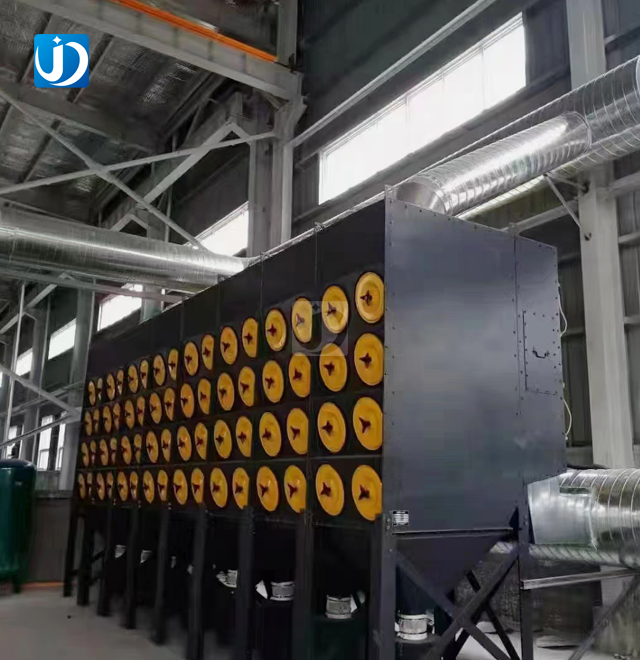
A Baghouse Dust Collector is an extremely effective way for factories to clean up the air by filtering and removing dust from the gas streams that are made during production and burning processes. The system collects airborne contaminants with a collection efficiency of over 99.9% by using cloth filter bags grouped in tubes or envelopes. It is essential for keeping the workplace safe and meeting strict environmental standards. Negative pressure force brings dusty gas into the collector. The dust particles get stuck on the filter bags' outside, but clean air flows through and out of the collector. An automatic pulse jet system blows compressed air on the filter bags on a regular basis to clean them. This gets rid of any dust that has built up and keeps the filtration working well for a long time without stopping production.
Core Components and Their Functions
The success of any cloth filter system relies on a number of important parts working together. The main filtering surface is made up of filter bags, which are usually made of polyester felt, anti-static fibers, or PTFE membrane materials. Inside each bag, metal cages keep it from falling apart while it's being used. The bottom pan catches the dust that is taken away so that it can be thrown away or recycled. Pulse-jet valves on the clean-air plenum send short bursts of compressed air to the filter surface to remove dust that has built up there. A differential pressure monitor checks the resistance of the system and starts cleaning cycles on its own.
Operational Types: Pulse Jet, Shaker, and Reverse Air
There are three main designs that meet different needs in industry. Pulse-jet systems clean bags with short bursts of compressed air while the unit is still running. This makes them perfect for heavy-duty tasks that need to be done all the time. Shaker systems vibrate the bags mechanically, but they need to be turned off while they are being cleaned, so they are best for areas with less dust. Reverse-air systems clean bags gently by moving low-pressure air in the opposite way. This is best for fine or sticky dusts that need to be handled carefully. Modern factories like pulse-jet designs more and more because they are divided into sections that can be cleaned one at a time without having to shut down the whole unit.
Common Dust Materials and Efficiency Ratings
Industrial Baghouse Dust Collectors are able to collect a wide range of particles, such as steel shot fragments, mill scale, grinding dust, welding fumes, and powder processing residues. The machine keeps a filtration efficiency of at least 99.9% for fine dust, catching ultra-fine particles well and meeting strict emission standards for industrial environmental protection. Foundries like that the system can filter rough materials without the bags wearing out too quickly, and metal production shops like how well it picks up fine metal dust. Specialized filter media are used in chemical and pharmaceutical factories to keep products pure and stop cross-contamination.
Maintenance and Common Issues with Baghouse Dust Collectors
Regular maintenance is what makes the difference between your filter system working well for the 15 to 20 years it's supposed to last and breaking down and costing a lot of money to fix. Setting up a proactive maintenance schedule will protect your investment and make sure that you always meet emission standards.
Routine Inspection and Predictive Servicing
Visual checks should be done once a week to make sure that the pulse-cleaning system is working properly and that there are no odd dust releases or differential pressure readings. As part of monthly reviews, the condition of the filter bags is checked through access doors, the operation of the valves and compressed air pressure are confirmed, and the hopper discharge mechanisms are checked. Replacement of worn pulse valves, checking of structural welds, and rotating bags to even out wear patterns are all part of the annual thorough service. Advanced facilities use continuous pressure differential monitoring and vibration sensors to do predictive maintenance. These tools find problems before they become system failures.
Troubleshooting Common Problems
High differential pressure even after regular cleaning usually means that the bag is blinding from moisture condensation or not enough air to cloth. Emissions that can be seen are usually caused by tears in the bags, bad seals on access doors, or going around the tubesheet. Less movement can be caused by a clogged hopper, ductwork that is too small, or a problem with the fan motor. By taking care of these problems right away, small problems can be stopped before they become big problems. When you use OEM spare parts and filter bags, you keep the integrity of the system and avoid the compatibility issues that come up with using aftermarket alternatives.
The Importance of Genuine Components
The filter bags are the most important part of your Baghouse Dust Collector system, and their quality has a direct effect on both how well it works and how much it costs to run. Standard polyester felt bags are good for most manufacturing tasks, while anti-static versions keep places that handle flammable dust from becoming ignition hazards. PTFE membrane bags don't get clogged up with fine dust, and they last longer between services in harsh environments. Getting replacement bags from the company that made the original equipment guarantees a good fit, the right materials, and consistent performance, which you can't be sure of with aftermarket options.
Comparing Baghouse Dust Collectors with Other Industrial Dust Collectors
To choose the best dust control technology, you need to know how different systems work in key areas that affect your bottom line. Depending on the needs of your application, each technology has its own unique benefits.
Baghouse vs. Cartridge Collectors
Pleated filter media are used in cartridge collectors to make the most of the space they have, even though they have small housings. This makes them space-efficient for moderate dust loads. When it comes to high-volume applications, Baghouse Dust Collector systems use less energy because they can hold more dust and have a lower pressure drop. When your facility makes a lot of dust from processes like grinding or shot blasting, a Baghouse Dust Collector setup is better in the long run, even though it costs more up front. When space is limited in a small fabrication shop, cartridge units are a good way to get rid of welding fumes.
Baghouse vs. Cyclone Dust Collectors
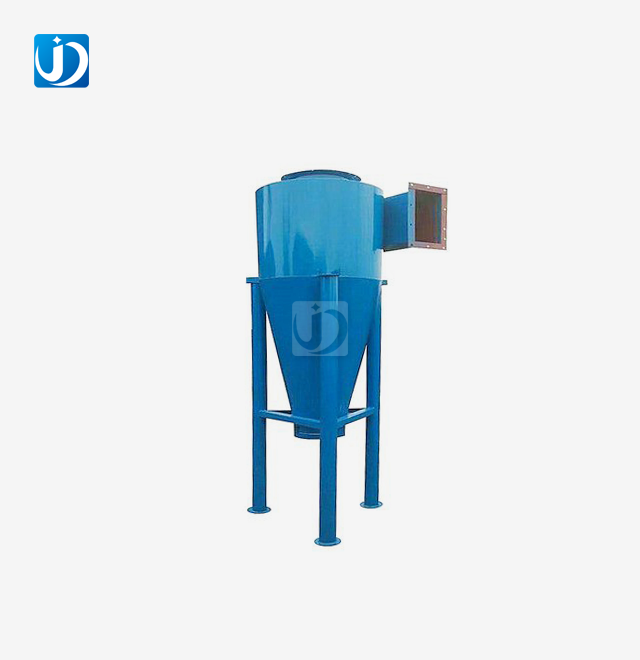
Cyclone separators use rotational force to get rid of bigger particles, but they only get rid of 80–90% of particles bigger than 10 microns and don't do a good job of getting rid of dust smaller than 1 micron. Cyclones are cheaper and don't need as much upkeep, but they can't meet today's ultra-low emission guidelines when used by themselves. Cyclones are often used as pre-separators to get rid of large particles before the final filtering in a Baghouse Dust Collector. This lowers the dust load on expensive filter bags and makes them last longer. This two-step process is both cost-effective and in line with regulations.
Baghouse vs. Wet Scrubbers
Wet scrubbers remove the risk of explosion from flammable dusts by touching the particle-filled gas stream with water or chemical solutions. Scrubbers, on the other hand, produce wastewater that needs to be treated, can't recycle dust because it's wet, and use more energy to run the pumps and fans. In a Baghouse Dust Collector system, dry filtration keeps the collected dust dry, which lets you screen and separate reusable steel shot and grit from fine waste dust to save money on buying abrasive media. Baghouse Dust Collector technology is always preferred by industries that put material recovery first.
How to Choose the Right Baghouse Dust Collector for Your Business
Before you can choose the right equipment, you need to accurately assess your facility's dust conditions and operational needs. To make smart choices, you need to look at a number of factors that affect how well a system works and how much it costs to own.
Assessing Airflow Requirements and Dust Load
Finding all the places in your building where dust is made and figuring out the speed at which it needs to be captured is the first step in figuring out how much air you need. Shot blasting usually needs between 3000 and 30000 m³/h, but this depends on the size of the machine and how the room is set up. Each grinding station might need between 2000 and 5000 m³/h. The total system airflow is found by adding up the needs of each source and adding 10 to 15 percent as a safety cushion. The amount of dust and the way the particles are spread out affect the choice of filter media and the frequency of cleaning cycles. Larger filter surface areas help keep the pressure drop between cleanings at a good level when there is a lot of dust in the filter.
Filter Media Selection and Dust Load Capacity
Making sure that the material of the filter bag matches the type of dust and the conditions of the process keeps it from failing too soon. Standard polyester felt can handle temperatures up to 130°C and most dusts that don't corrode that are found in mechanical processing. When handling powders with low minimum firing energy, anti-static bags with conductive threads safely get rid of electrical charges. PTFE membrane laminated bags filter dust on the outside so it doesn't get into the base fabric. This makes them last longer in situations where ultra-fine particles are produced. The best media specification takes into account temperature changes, chemical exposure, and the ability to wear down.
Cost Considerations and ROI Projections
The total cost of ownership includes more than just the price of the equipment itself. It also includes installation, energy use, filter bag replacement, and upkeep work over the equipment's useful life. Higher-efficiency systems with better filter media cost more up front, but they save money in the long run because they use less energy and last longer. To figure out the payback period, you need to guess how much the annual operating costs will be. These costs should include electricity at your local rate, regular bag replacements, compressed air use for pulse cleaning, and labor for regular maintenance. When looking at cheaper options that might not always meet emission limits, businesses that have to deal with a lot of environmental checks should think about how much it would cost to pay fines and stop production.
Working with Trusted Manufacturers
Working with well-known Baghouse Dust Collector makers guarantees access to technical know-how, solid product quality, and quick customer service after the sale. Suppliers with a good reputation give full technical documentation, performance test reports, and certification that help people apply for environmental permits. Their tech teams help with things like system size, ductwork planning, and connecting new equipment to old ones. Well-known companies keep extra parts in stock and offer reliable delivery plans that help you keep your project on track. Building ties with dependable providers pays off in the long run by giving you better prices on projects like expansion and faster service when you need it most.
Procurement and After-Sales: Your Guide to Purchasing Baghouse Dust Collectors
A good buying strategy includes more than just comparing prices. It also takes into account things like the ability to customize, help with installation, guarantee terms, and long-term service partnerships. Skillfully navigating these features will help you get the most out of your investment.
Sourcing Channels and Supplier Evaluation
Buyers in business-to-business (B2B) can get in touch with Baghouse Dust Collector providers in a number of ways, such as directly with manufacturers, through industrial dealers, environmental engineering firms, and online B2B platforms. When you deal directly with a manufacturer, you can usually get better prices and expert help, but you have to buy more. Distributors make it easy to find local inventory and buy a lot of different types of equipment at once. Environmental engineering firms manage projects from start to finish, but they charge more for the tools they use. Online platforms let you quickly compare prices, but they also require careful screening of suppliers to avoid quality problems.
Customization and System Integration
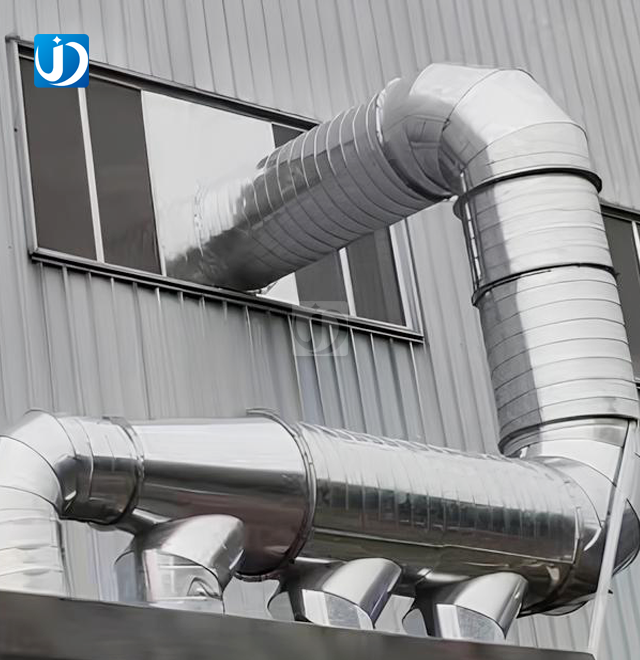
Most of the time, standard stock units don't meet the special needs of industrial processes. Modular housing designs let you make changes to anything from small units that work on their own to large central dust collection systems. The layout is also flexible, so you can match a single machine or do central extraction for the whole workshop. Configurations of equipment change based on local power standards, floor space, and existing ducts. Automated differential pressure monitoring, remote system diagnostics, and integration with software for facility management are some of the more advanced features. Through a fully welded housing with gaskets on access doors and tube sheets, well-sealed construction stops air leakage and fugitive dust. The housing is also equipped with rotary airlock valves to stop secondary dust during ash discharge.
Warranty Coverage and Spare Parts Availability
Full guarantee terms protect your investment during the important first few months of use and show that the maker trusts the quality of the product. Standard coverage usually lasts for two years for structural parts and major systems, but for important uses, you can get longer coverage. The warranty terms should make it clear what is covered, how long it takes for service calls to be answered, and whether on-site support is free or costs extra. Making sure that spare parts are available will help keep downtime to a minimum when parts need to be replaced. Manufacturing companies that keep a large stock of parts and well-run logistics networks keep production interruptions to a minimum.
After-Sales Support and Technical Services
A simple buy of tools can turn into a strategic relationship with ongoing expert help. Quality providers offer online installation help, equipment commissioning, troubleshooting, user training, and planning for upkeep. In international installations, English operation manuals and instructional videos make it easier for people to use the system correctly. When online support doesn't work, having access to field service experts who can fix complicated issues on-site is very helpful. Setting up clear lines of communication and service level agreements during buying keeps everyone on the same page when problems come up quickly.
Environmental Impact and Future Trends of Baghouse Dust Collectors
Stricter environmental laws around the world keep pushing dust collection technology to keep getting better. Procurement professionals can make smart investment decisions that stay in line with changing standards by understanding new trends.
Meeting Regulatory Requirements
As governments try to protect public health and meet climate goals, there is more and more pressure on factories to cut down on particulate emissions. Ultra-low emission standards that demand particulate amounts below 10 mg/m³ make it impossible for regular dust catchers to work. These difficult goals are met by modern Baghouse Dust Collector systems that use better filter media, better sealing, and precise control of cleaning cycles that reduce re-entrainment. Facilities in industries with a lot of rules choose equipment that has comfortable compliance margins over equipment that just barely meets current standards. This is done to protect against future rules becoming stricter.
Emerging Technologies and Energy Efficiency
The newest Baghouse Dust Collectors have smart monitoring systems that keep an eye on performance parameters and guess what maintenance needs to be done before it happens. Variable frequency drives on fan motors change the flow of air automatically to meet real-time needs. This saves 30 to 40 percent of the energy used by constant-speed operation. Nanofiber technology in advanced filter media traps smaller particles with less pressure drop, which increases efficiency and lowers operating costs at the same time. These new ideas come from the need for equipment in industry that has less of an effect on the environment and lowers costs.
Strategic Investment for Long-Term Value
The environmental compliance of your building and its running costs for the next 20 years will depend on the purchases you make today. When regulations aren't clear, investing in tried-and-true technology from well-known companies gives you peace of mind. Modularly expandable equipment lets production grow without having to be replaced all at once. Designs that use less energy protect against rising electricity costs. Environmental permits and governmental checks are easier to get through when you have a lot of paperwork and third-party certification. Long-term results are better when you think of dust collection as core infrastructure instead of just another piece of equipment.
Conclusion
Baghouse Dust Collectors are a tried-and-true method for improving particulate capture efficiency while maintaining continuous industrial production. This guide taught you useful things about how to use a system, how to keep it in good shape, how to compare different technologies, and how to make smart purchases. Knowing how the choice of filter media, the amount of airflow, and the cleaning processes work together lets you make smart choices that balance the cost of the initial investment with the cost of running the system over time. As environmental laws get stricter around the world, it becomes more valuable to work with well-known manufacturers who can provide technical support and advice. The businesses that do well in this changing environment don't see collecting dust as a legal requirement but as an important part of their infrastructure that protects workers' health, helps them improve processes, and puts them in a position to grow in the future.
FAQ
1. How often should filter bags be replaced in a baghouse dust collector?
The life of a filter bag depends on the type of dust, how hard it is cleaned, and the temperature at which it is used. Usually, it lasts between 2 and 5 years. When the differential pressure stays high after cleaning cycles or when the emission opacity rises, the filter needs to be replaced. When facilities work with rough dusts or at high temperatures, the bags don't last as long. Keeping an eye on changes in the pressure difference and inspecting the bags once a year can help you figure out when to replace them before their performance starts to decline.
2. Can baghouse systems handle combustible dust safely?
When working with combustible dusts, you need special safety features like explosion venting, spark detection, chemical suppression systems, and grounding to stop static electricity. NFPA guidelines say that deflagration risks can be reduced by designing systems correctly. Using anti-static filter bags and keeping the humidity above 40% lowers the chance of an explosion. A lot of facilities use pre-separator cyclones to get rid of bigger particles before they get to the Baghouse Dust Collector. This lowers the percentage of exploding dust.
3. What causes high differential pressure in baghouse dust collectors?
A high pressure drop usually happens when the bag blinds because of condensation of moisture, dust getting into the filter fabric, or not cleaning it well enough. Other reasons are too much dust, filter bags that have collapsed, or dampers that are only partially closed, which stop airflow. The first step in troubleshooting is to make sure the pulse-jet is working correctly and look for water vapor in the gas stream coming in. If problems keep happening, you might need to replace the bags or change the method to fix the root causes instead of just the symptoms.
Partner with Junda Machinery for Your Dust Control Solutions
Choosing the right Baghouse Dust Collector maker will have long-lasting effects on the environment and the efficiency of your business. With 20 years of experience, Junda Machinery knows how to design and build industrial dust collection systems that always meet ultra-low emission standards and keep costs as low as possible. Our engineering team helps with everything, from original sizing and customization to fitting advice and plans for long-term upkeep. We keep full stockpiles of filter bags and new parts so that your downtime is as short as possible when service is needed.
With ISO 9001, ISO 14001, and ISO 45001 certifications and our own smart monitoring systems, our equipment gives procurement professionals the reliability and compliance assurance they need. Depending on the specs, standard customized systems ship in about 15 days, and our expert team answers questions within 6 to 8 hours. We can make solutions that are exactly what you need, whether you need a stand-alone unit for a single production line or a centralized system that serves the whole building.
Get in touch with junda001@jundablast.com right away to talk to one of our application engineers about your dust control problems. You can be sure that our detailed technical proposals and clear pricing will help you make good decisions about your purchases.
References
1. American Conference of Governmental Industrial Hygienists. Industrial Ventilation: A Manual of Recommended Practice for Design, 30th Edition. ACGIH Press, 2019.
2. Cooper, C. David, and Alley, F.C. Air Pollution Control: A Design Approach, 4th Edition. Waveland Press, 2010.
3. Dennis, Richard, and Wilder, James. Fabric Filter Performance and Selection for Industrial Applications. Journal of the Air Pollution Control Association, 2018.
4. Environmental Protection Agency. Guidelines for Particulate Emission Control in Industrial Applications. EPA Technical Document Series, 2020.
5. Liptak, Bela G. Environmental Engineer's Handbook, 2nd Edition. CRC Press, 2018.
6. National Fire Protection Association. NFPA 654: Standard for the Prevention of Fire and Dust Explosions from the Manufacturing, Processing, and Handling of Combustible Particulate Solids. NFPA Publications, 2021.

USER EVALUATE
Real feedback and practical experience shared by worldwide partners who purchased our machinery and environmental treatment devices.