_1786959752558.webp)
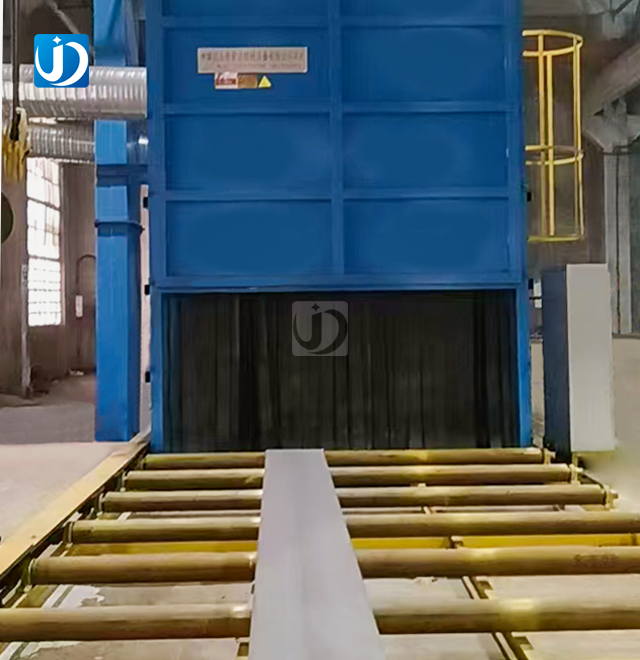
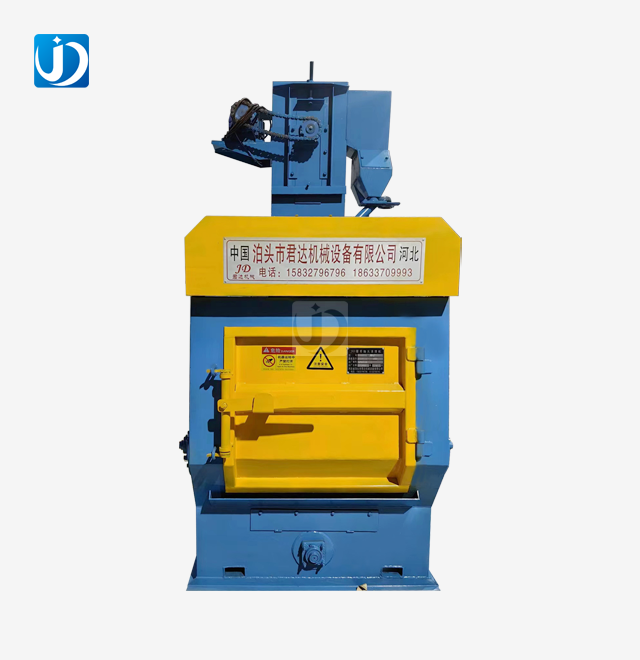
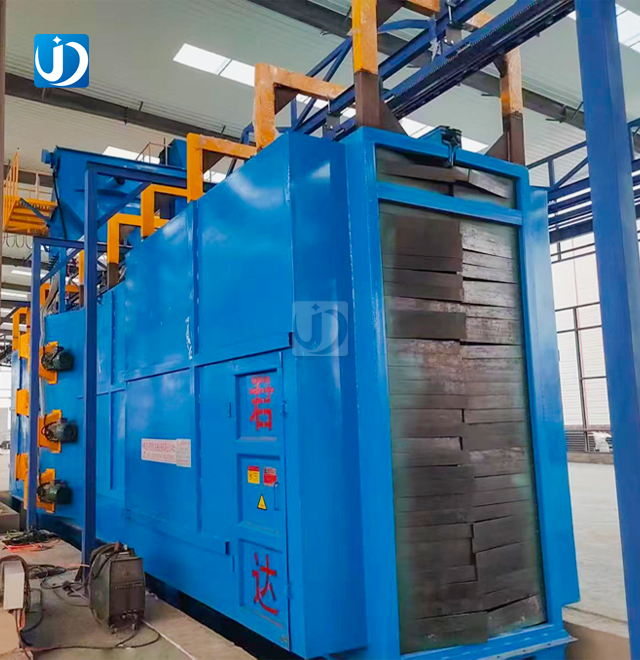
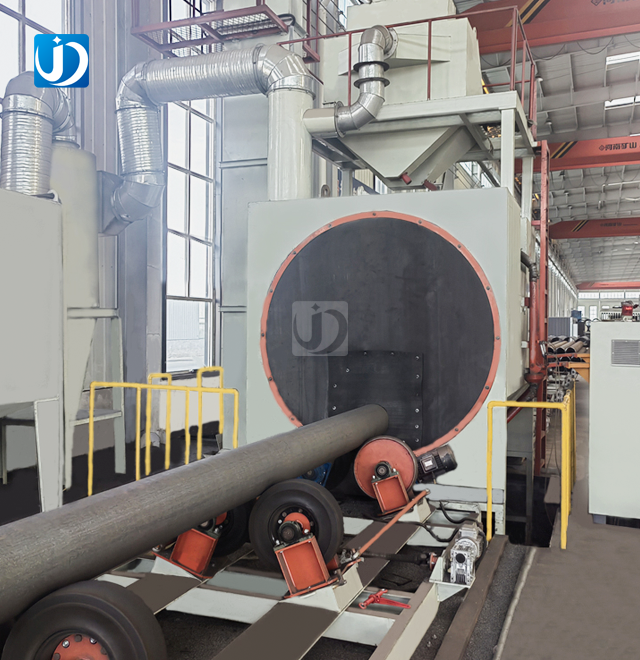
short blasting machine
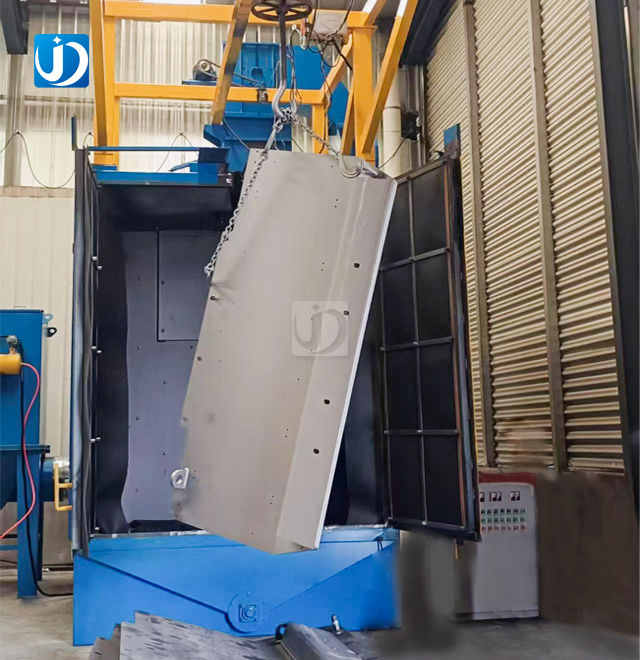
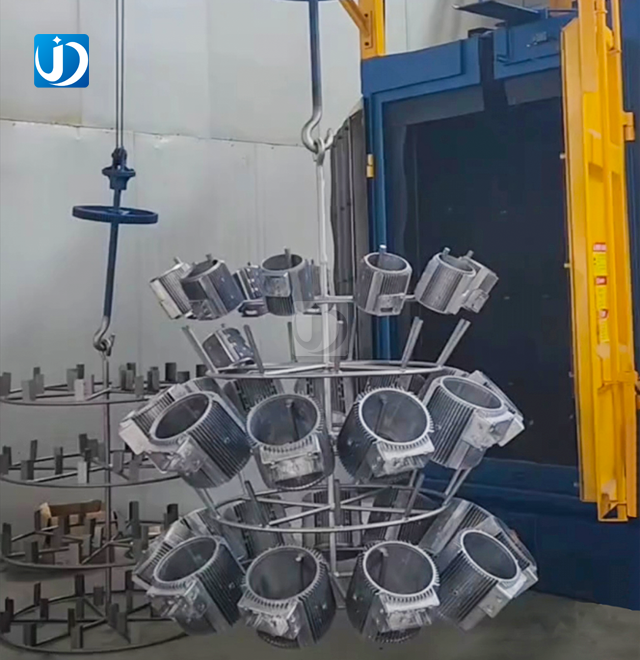
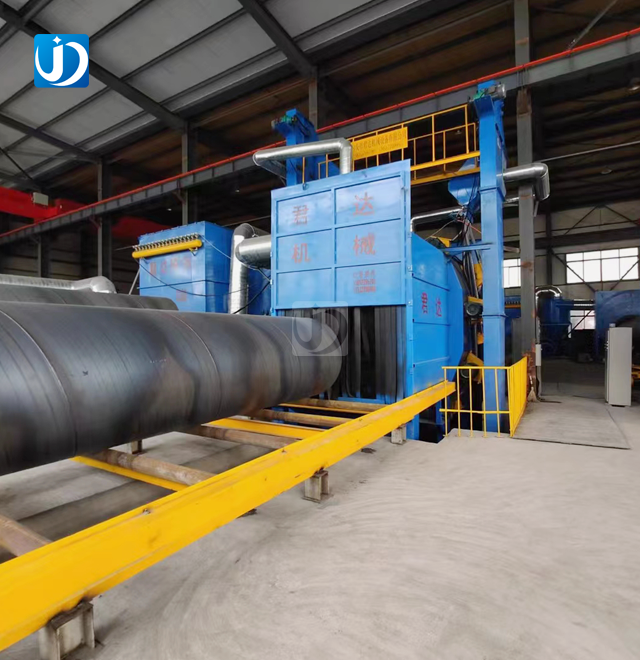
Suitable for flat surfaces, special-shaped parts, cavities and weld seams. Compatible with castings,
steel structures and construction machinery components.
Adjustable process parameters to meet standard blast cleaning grades
Air pressure, abrasive flow and blasting distance are adjustable. It steadily achieves Sa2.0, Sa2.5
standards and precisely controls anchor profile to ensure coating adhesion.
Supports automation upgrade, available for manual and automatic operation
Equipped with manual blasting guns by default and can be fitted with robotic arms for automatic
blasting. Ideal for small-batch prototype processing and large-scale mass production.
Compatible with recyclable metallic abrasives to cut operating costs
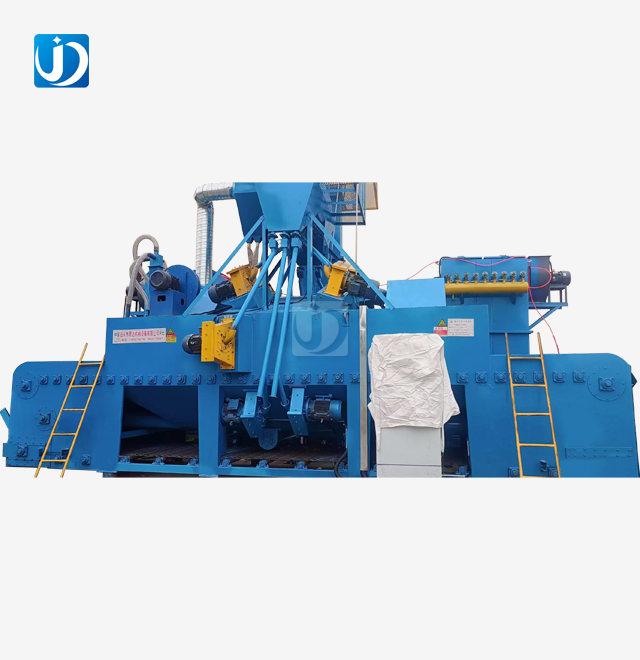
When matched with recovery elevator and separator, intact shot and grit can be recycled automatically.
- Product Description
Short Blasting Machine for Industrial Surface Treatment | High‑efficiency Rust Removal & Metal Strengthening Solutions
Backed by 20‑year expertise in foundry machinery, Botou Junda Machinery Equipment Co., Ltd delivers enterprise‑grade short blasting machine systems. Our units feature installed power ranging from 15kW to 160kW with throughput of 1‑18 tons per hour for diverse industrial applications, delivering blasting velocity of 60‑85 m/s.
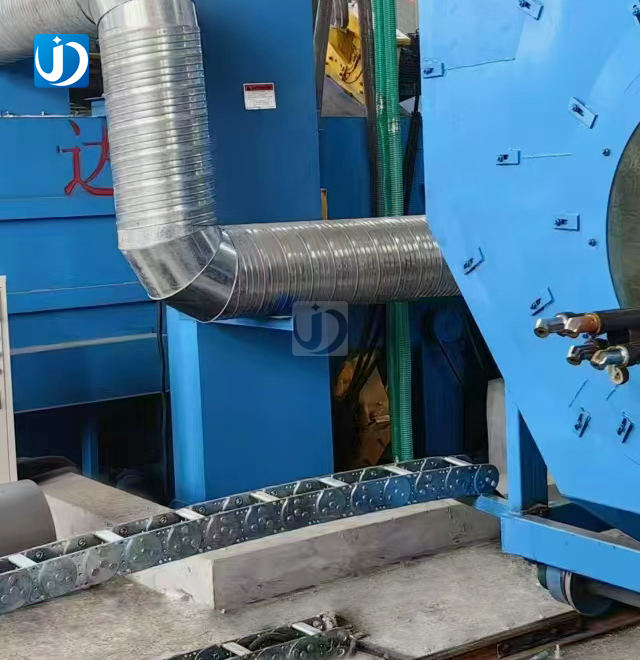
Every unit is manufactured at our 3,000 m² certified factory. It is fitted with standardized components to minimize downtime, multi‑stage dust‑removal systems achieving 99% filtration efficiency, plus automatic abrasive recovery. Complying with ISO9001, ISO14001 and ISO45001 quality management standards, our solutions deliver reliable performance for power generation, metallurgy, chemical processing and construction machinery sectors.

What Makes Our short blasting machine Stand Out
Demanding surface treatment calls for precision‑engineered equipment. Combining centrifugal acceleration technology with enclosed operating chambers, our short blasting machine consistently achieve Sa2.5 and Sa3.0 cleanliness grades required for coating adhesion and corrosion resistance.
You may adjust air pressure, abrasive flow and nozzle distance via blasting parameters. Such flexibility works equally well for welded joints, complex casting geometries and flat steel plates. Whether you process structural H‑beams or automotive engine blocks, the machine maintains uniform surface profile critical for subsequent coating procedures.
Automation capabilities evolve to match your production demands. Manual spray guns come as standard for prototype jobs. As output rises, robotic arm integration converts the system into a fully‑automatic unit. This modular approach supports future expansion while safeguarding your initial capital investment.

Technical Specifications
| Item | Value |
|---|---|
| Model Series | Short Blasting Machine |
| Blasting Speed | 60–85 m/s |
| Installed Power | 15kW‑160kW |
| Processing Capacity | 1‑18 tons/hour |
| Structural Features | Integrated structure, automatic abrasive recovery, high‑efficiency dust removal |
| Applicable Workpieces | Castings, forgings, steel structures, auto parts, hardware products, construction machinery components |
| Surface Treatment Functions | Rust removal, scale elimination, deburring, metal strengthening |
Core Operational Advantages
Cross‑industry Workpiece Versatility
Your production line handles a wide range of components. The chamber design accommodates flat surfaces, cavities and irregular geometries without fixture replacement. Foundries deploy it for casting cleaning. Steel manufacturers process structural members. Construction equipment manufacturers rely on it for component strengthening prior to assembly.

Precision Process Control
Attaining specified anchor profiles demands consistent abrasive impact. Adjustable parameters allow technicians to fine‑tune blasting intensity according to material hardness and target roughness. Digital controls sustain Sa2.0 or Sa2.5 grades throughout production runs, eliminating rework triggered by insufficient blasting or substrate damage from over‑treatment.
Cost Benefits from Abrasive Recovery
Ongoing operating costs relate heavily to metallic abrasives. Our integrated recovery system employs elevators and magnetic separators to reclaim reusable steel shot and grit. Compared with open blasting methods, the closed‑loop cycle cuts abrasive consumption by up to 70%, generating measurable cost savings for high‑volume production.
Full Environmental Compliance
Global regulations on dust emissions keep growing stricter. Pulse‑jet dust collectors capture particulates at source and keep airborne dust below 30 mg/m³. The enclosed booth design prevents fugitive emissions with no extra sealing hardware required, helping you satisfy local environmental and plant regulations.
Maintenance‑friendly Construction
Production schedules cannot afford extended downtime. Wear‑resistant parts follow standardized specifications; nozzles, blast wheels and seals can be replaced within minutes using common hand tools. Our spare‑parts inventory enables fast delivery of OEM components, usually within 48 hours, to minimise production disruption.

FAQ
Q: What is a blasting machine?
A: A blasting machine accelerates metallic abrasives via centrifugal force to strike workpiece surfaces. This mechanical process removes rust, scale and contaminants, meanwhile generating controlled surface roughness to boost coating adhesion and metal fatigue resistance.
Q: What abrasives can be used for blasting work?
A: Steel shot, steel grit and stainless‑steel shot are standard options. Abrasive selection depends on your substrate hardness and target surface profile. Softer abrasives suit aluminium parts, while angular grit creates deeper anchor patterns for heavy‑duty coatings.
Q: What workpieces are suitable for blasting treatment?
A: This equipment processes castings, forgings, steel structural parts, hardware fittings and metal components used in machinery, automotive and shipbuilding industries. Both complex internal geometries and external surfaces receive uniform treatment.
Q: What auxiliary units are required for a complete blasting system?
A: A full set consists of blasting main unit, abrasive circulation assembly and pulse dust‑removal equipment. This configuration enables continuous abrasive recovery while meeting emission standards for industrial facilities.

Your Partner with Proven Manufacturing Competence
Botou Junda Machinery Equipment Co., Ltd delivers custom‑configured short blasting machine within approximately 15 days. Our engineering team replies to enquiries within 6‑8 hours, offering equipment selection guidance, installation support and operator training across the full equipment lifecycle.
Ready to upgrade your surface‑treatment performance? Contact our engineering team via junda001@jundablast.com to discuss your specific application requirements and receive a detailed technical proposal.


USER EVALUATE
Real feedback and practical experience shared by worldwide partners who purchased our machinery and environmental treatment devices.