_1786959752558.webp)
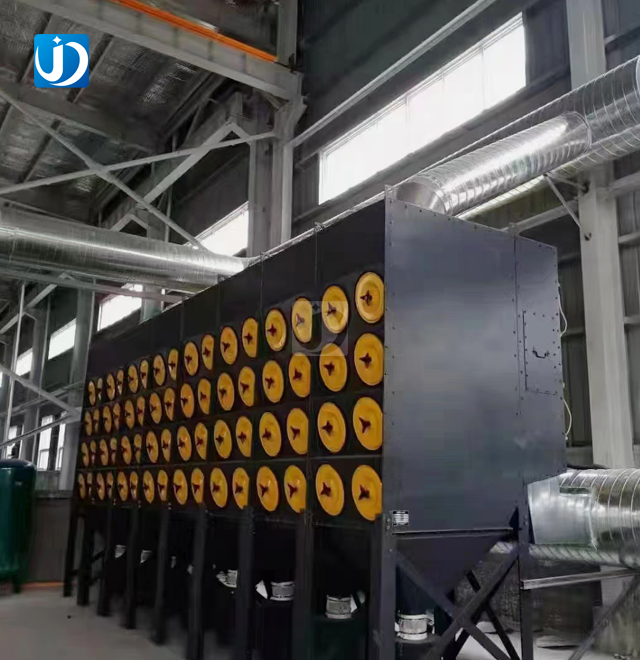
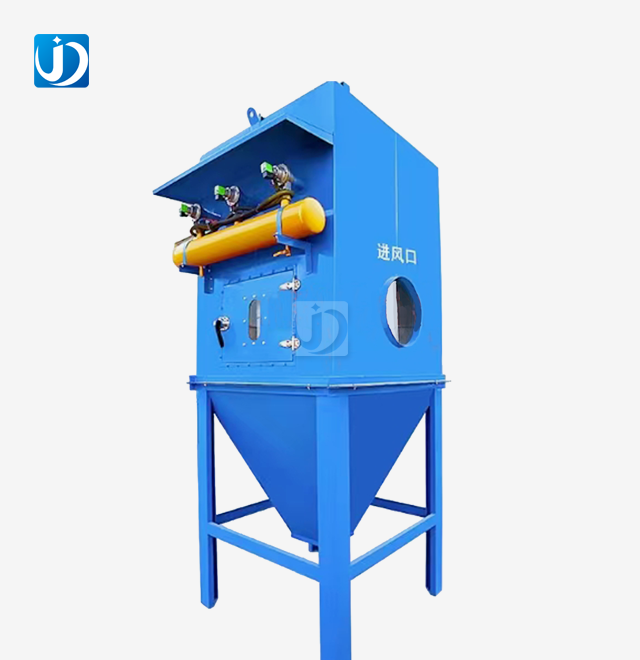
cyclone dust collection system
Effectively capture heavy particles such as broken steel shot and mill scale, recover reusable media,
reduce abrasive consumption and cut dust load on downstream baghouse.
No filter consumables for low long-term operating cost
Separation relies purely on air centrifugal force without filter bags or cartridges, eliminating recurring
filter replacement cost.
Robust wear-resistant housing for heavy abrasive dust
Thickened plate or wear-resistant lining can be adopted on cylinder and cone to resist continuous
erosion, ideal for high-dust intake of shot blasting systems.
Simple structure with low failure rate and easy maintenance
No moving parts inside for stable operation. Only regular ash hopper cleaning is required with minimal
maintenance workload.
- Product Description
High‑Performance Cyclone Dust Collection System|Industrial Pre‑Separation Solution for Shot‑Blasting and Heavy‑Dust Applications
Botou Junda Machinery Equipment Co., Ltd. provides industrial‑grade cyclone dust collection system specially designed for foundries, shot‑blasting workshops and heavy‑duty manufacturing environments. With more than 20 years of manufacturing expertise and a 3,000‑square‑meter production facility, our system achieves separation efficiency ≥95% for medium and large‑sized dust particles. Multiple standard models offer air‑handling capacity ranging from 1,500 to 15,000 m³/h. Our cyclone separators adopt wear‑resistant steel structure with optional liners, zero filter consumables and stable pressure operation. Custom‑built equipment is normally delivered within 15 days and certified with ISO9001, ISO14001 and ISO45001. Professional technical support ensures efficient execution of global projects.

What is a Cyclone Dust Collection System
The cyclone dust collection system operates via centrifugal‑force separation. Dust‑laden air enters tangentially and forms a high‑speed vortex inside the conical chamber. Powerful centrifugal force acts on medium‑and‑large particles, which collide against the cylinder wall and sink into the ash hopper.
Clean air flows upward through the vortex finder and discharges out of the system. This moving‑part‑free design eliminates mechanical wear and enables stable operation under extreme temperatures. Separation efficiency depends on particle size, inlet velocity and geometric proportions.
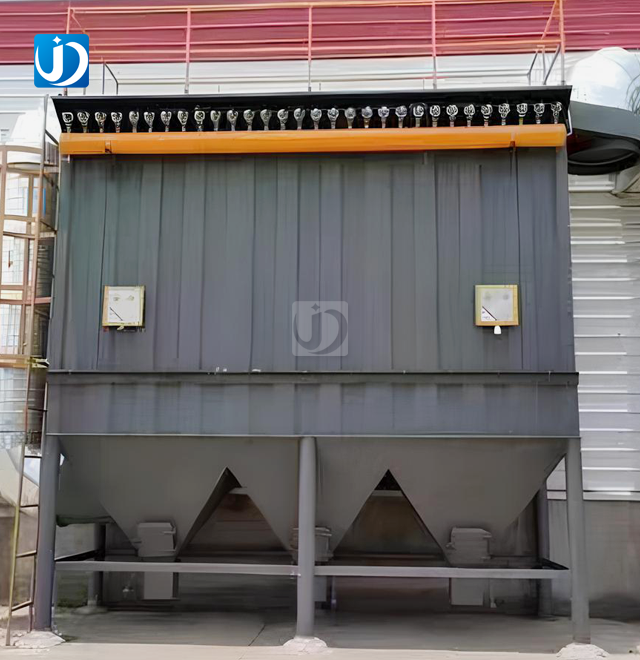
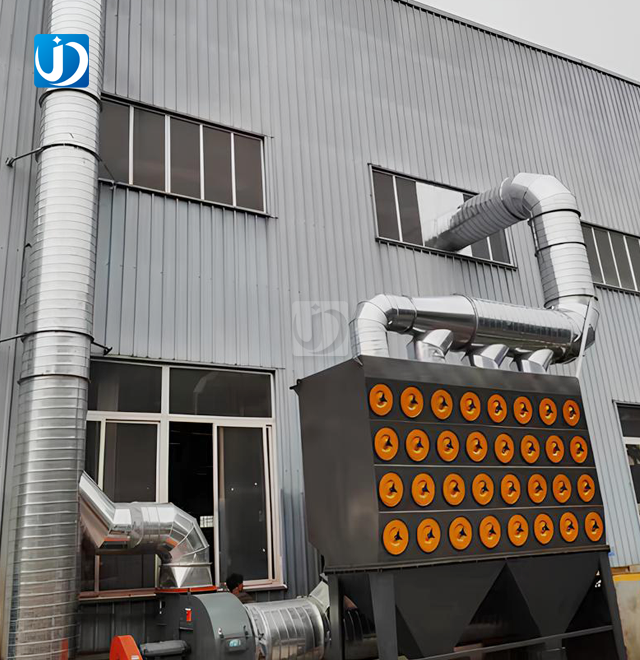
Our systems are engineered for coarse dust and abrasive waste. They serve as primary pre‑separation units ahead of baghouse or cartridge filters. This two‑stage configuration protects downstream equipment and extends filter service life.

Core Advantages for Shot‑Blasting Applications
Primary Pre‑Separation for Recoverable Abrasives
The system effectively captures heavy particles including broken steel shot, mill scale and reusable media. This separation reduces abrasive consumption and cuts the dust load on downstream baghouse units by up to 70%. Your production cost decreases while material recovery rate increases.
No Filter Consumables, Low Operating Cost
Separation relies purely on air centrifugal force. No filter bags or cartridges are required. This eliminates recurring filter‑replacement costs and reduces maintenance labor. Long‑term operational savings can be achieved compared with conventional bag‑only systems.
Robust Wear‑Resistant Housing
Cylinder and cone sections are constructed from thickened steel plates or optionally fitted with wear‑resistant liners. This structure resists continuous erosion from high‑concentration abrasive dust. The design is well‑suited for shot‑blasting environments with daily dust load exceeding 500 kg/h.
Simple Structure with Minimal Maintenance
There are no moving parts inside the separation chamber. Only regular ash‑hopper cleaning is required to guarantee stable operation. Your maintenance workload stays minimal while equipment uptime remains high.
Dry Separation for Screening Treatment
Mechanical dry‑type separation keeps collected dust in solid form. This facilitates subsequent screening to separate waste from reusable abrasives. The process matches complete abrasive‑recovery workflows in modern foundries.
Flexible Integration Layout
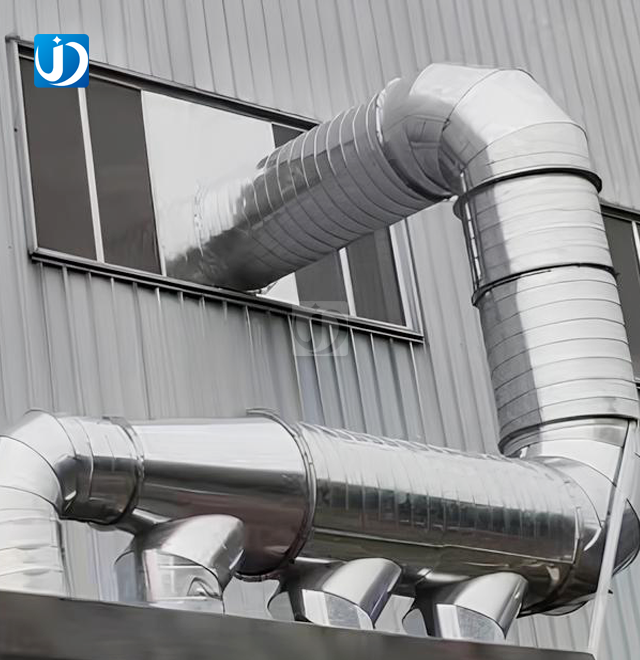
The compact vertical structure can be directly connected with bucket elevators, screw conveyors and duct outlets. You can easily integrate the unit into existing dust‑collection ductwork without major facility modifications.
Technical Specifications
| Parameter | Details |
|---|---|
| Air‑Handling Capacity | 1,500 – 15,000 m³/h |
| Separation Efficiency | ≥95% for medium‑and‑large particles |
| Particle Cut‑off (d50) | 5 – 10 μm, subject to model |
| Inlet Velocity | 3,500 – 4,500 FPM (feet per minute) |
| Construction Material | 12‑gauge to 7‑gauge carbon steel or stainless steel |
| Temperature Resistance | Up to 1,000°F with special alloys |
| Pressure Drop | Stable delta‑P; no loss when hopper is full |
| Installation Type | Vertical standalone or in‑series integration |
| Hopper Capacity | Customizable according to dust volume |
| Compliance Standards | ISO9001, ISO14001, ISO45001; NFPA 68/69 compliance support available |
Industrial Applications
Machinery Manufacturing & Steel‑Structure Fabrication
The cyclone dust collection system handles coarse dust generated during shot‑blasting, sandblasting and grinding. It protects secondary bag filters from puncture and prolongs their service life. Consistent suction pressure is maintained in your workshop during multi‑shift operations.
Foundry, Metallurgy & Building‑Materials Industry
High‑concentration dust from crushing, polishing and material‑handling processes is efficiently separated. The system withstands high temperatures and abrasive media. You benefit from stable performance in harsh foundry environments.
General‑Industrial Workshops
Compact‑size models apply to CNC machining centers, thermal‑spray booths and precision grinding stations. The pre‑separation stage prevents rapid filter blinding. This keeps your workspace breathable and extraction systems operating efficiently.

Why Choose Junda Cyclone Dust Collection System
20‑Year Proven Manufacturing Experience
We integrate R&D, equipment design, manufacturing and commissioning. Our team understands the specific challenges of shot‑blasting and foundry dust‑control. You receive solutions tailored to real‑world industrial conditions.
Comprehensive Customization Capability
ODM and OEM services adapt equipment to your local voltage standards, environmental regulations and installation conditions. Machine dimensions, control systems, wear‑resistant liners and private labeling can be fully customized. Your project requirements are precisely fulfilled.
Fast Delivery & Responsive Support
Standard equipment ships from stock. Custom‑built units are normally produced within 15 days subject to specifications. Our technical team replies to inquiries within 6‑8 hours. Your project schedule stays on track.
Reliable Global Logistics
We cooperate with major freight forwarders to provide flexible shipping solutions. FCL, LCL and out‑of‑gauge cargo options are available. Export packaging, fumigation and customs documentation are professionally handled.
Complete Technical & After‑Sales Service
Services include remote installation guidance, commissioning support, troubleshooting and operator training. English‑language operation manuals and maintenance videos ensure your team can operate equipment with confidence. Overseas on‑site engineering services are available upon request.
Quality‑Management Certifications
ISO9001, ISO14001 and ISO45001 certifications verify our quality‑management system. We assist with CE certification applications and provide technical documentation for global‑market access to support your compliance requirements.



Frequently Asked Questions
Q: What are the components and working principle of this setup?
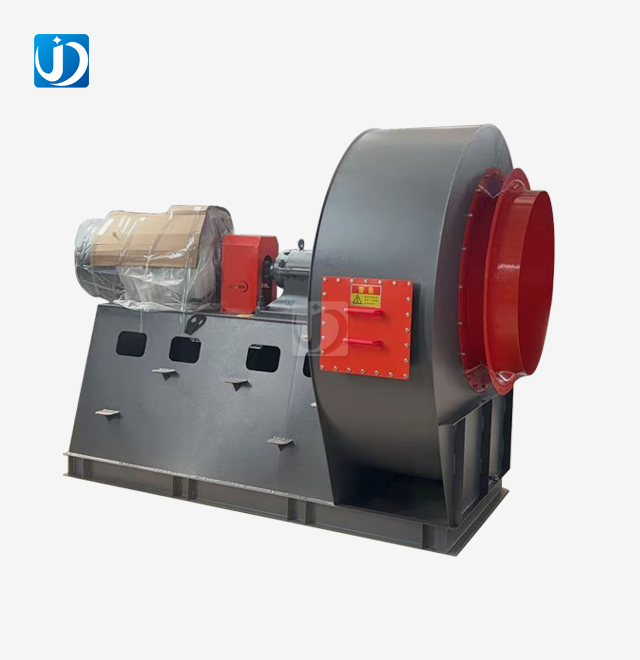
A: The system consists of suction ductwork, separator, fan, ash hopper and discharge device. Dust‑laden air enters tangentially and forms rotary airflow. Centrifugal force throws coarse dust, steel shot and grit onto the cylinder wall for collection. Clean air flows upward. It is widely adopted as a pre‑separation and recovery system.
Q: What functions does this setup perform for shot‑blasting and sandblasting production lines?
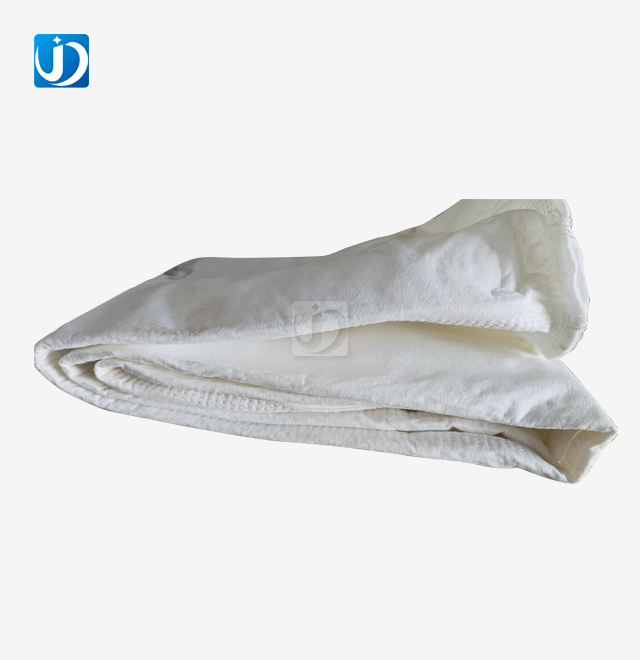
A: It efficiently separates large steel shot and grit for recovery. It intercepts coarse hard debris to reduce the burden on downstream baghouse dust collectors and prevent filter‑bag puncture. It lowers dust concentration, extends filter‑bag service life and cuts maintenance costs.
Q: What are the limitations when this setup runs standalone?
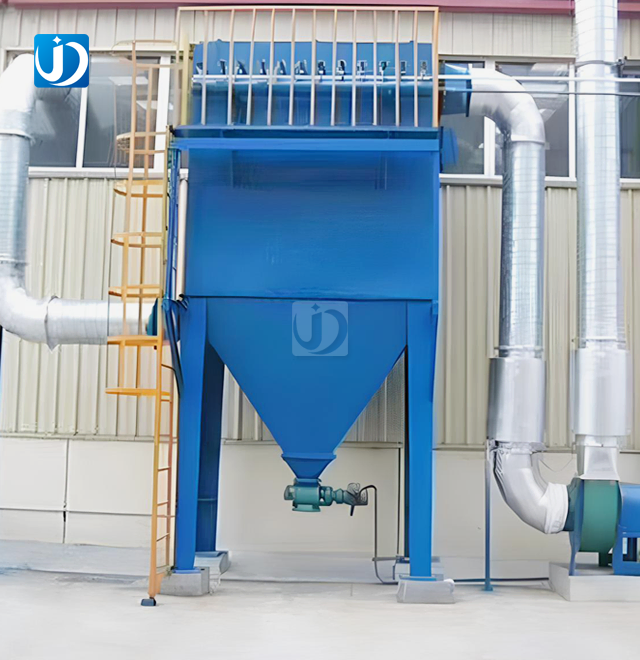
A: It delivers excellent separation efficiency only for coarse particles and cannot capture fine dust. It cannot meet emission standards when used alone. The standard industrial solution is to connect this system in series with a pulse baghouse dust collector for coarse‑material recovery plus fine‑gas purification.
Q: What are key installation and maintenance points for this setup?
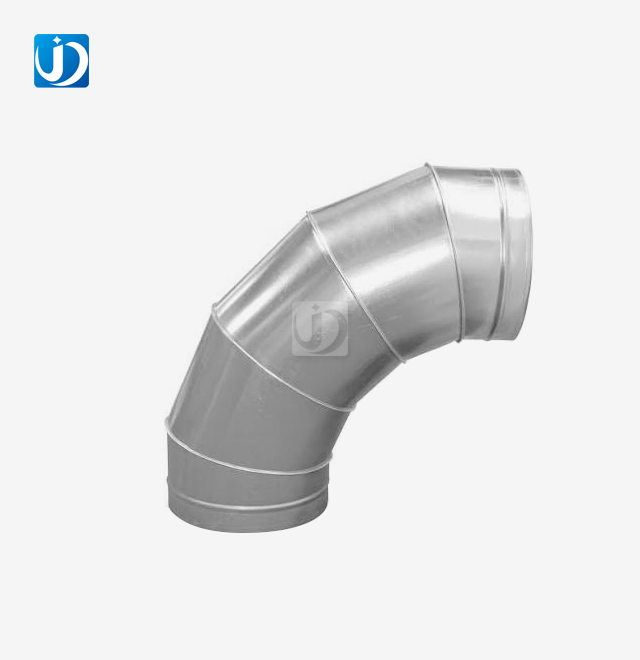
A: Ensure tight sealing of flanges and access doors, since air leakage will greatly reduce separation efficiency. Fit wear‑resistant liners on elbows and cylinder walls. Periodically clean hopper deposits to avoid dust re‑entrainment. Stabilize fan pressure and repair perforations on worn housing immediately.
Q: Does humidity affect system performance?
A: High humidity may cause bridging or blockage inside the discharge cone. For such environments, we recommend polished inner surfaces or vibration motors to maintain consistent flow.
Contact Us for Your Dust‑Control Solution
Let us help you design the optimal cyclone dust collection system for your application. Please contact our team via junda001@jundablast.com to discuss your project requirements.

USER EVALUATE
Real feedback and practical experience shared by worldwide partners who purchased our machinery and environmental treatment devices.