_1786959752558.webp)
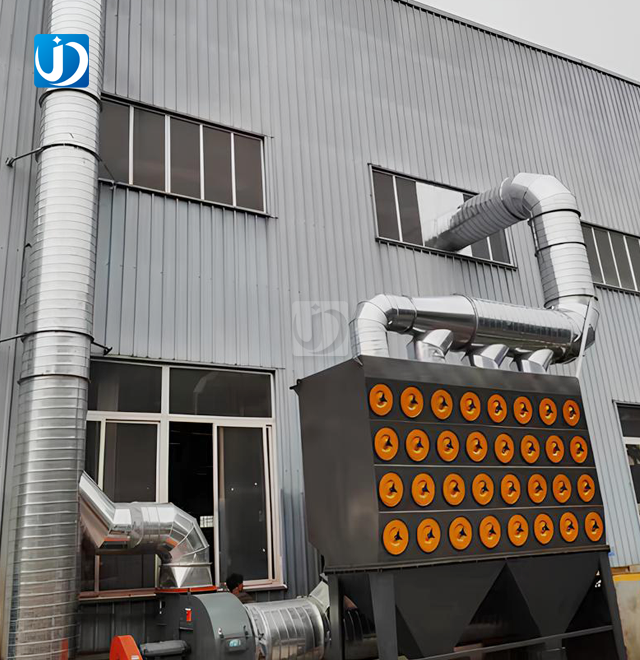
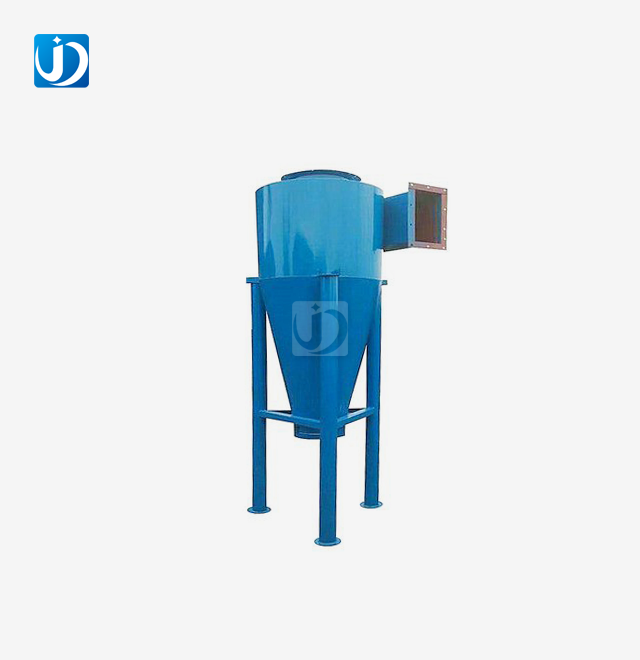
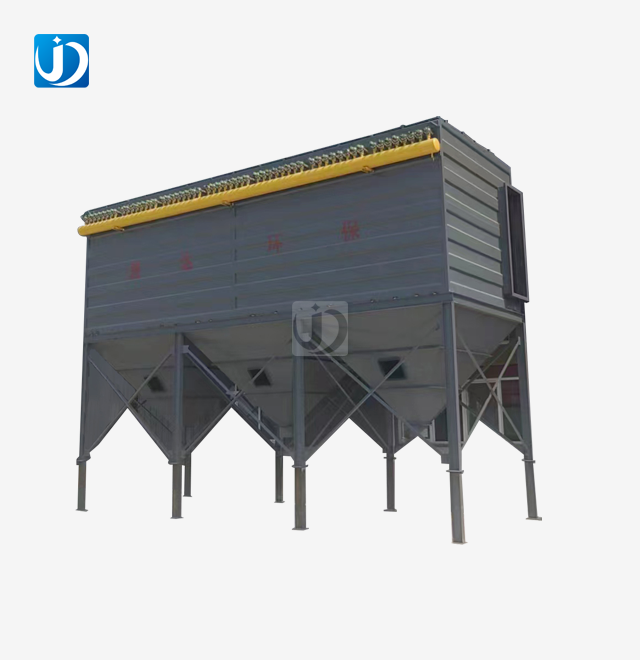
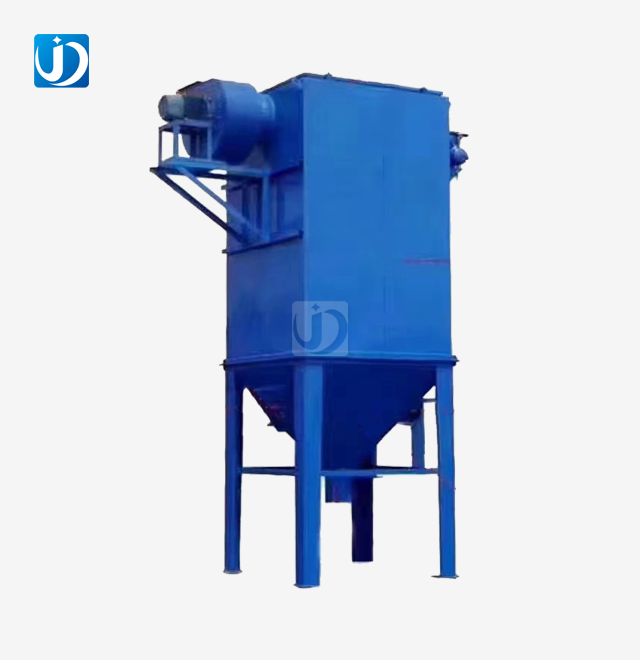
industrial cyclone dust collector
Prioritizes capturing broken steel shots, mill scale and hard abrasive particles. Recycles reusable media
to cut procurement cost and reduce waste.
No filter consumables for low long-term maintenance cost
Pure mechanical centrifugal separation without filter bags or cartridges. No recurring expense on filter
replacement, suitable for continuous heavy dust conditions.
Robust wear-resistant housing against hard particle erosion
Cylinder and cone can be constructed with thickened carbon steel or lined with wear-resistant material
to withstand long-term abrasion by metal dust and blasting media.
Simple and reliable structure with ultra-low failure rate
No moving parts inside ensures stable operation. Only regular hopper cleaning is required with
minimal maintenance work.
- Product Description
Industrial Cyclone Dust Collector - High-Efficiency Centrifugal Pre-Separation System for Heavy-Duty Industrial Applications
With more than 20 years of experience in producing reliable industrial cyclone dust collector systems designed for harsh foundry and surface treatment settings, Botou Junda Machinery Equipment Co., Ltd. With air volume capacities ranging from 1,500 to 15,000 m³/h across standardized variations, our cyclone separators provide ≥95% filtering performance for coarse and medium particles. These machines can operate continuously at temperatures as high as 1000°F without the need for periodic filter consumables since they are constructed of ceramic-lined materials or wear-resistant carbon steel. In order to ensure maximum separation performance and zero air leakage, every unit produced in our 3,000 square meter facility with ISO9001, ISO14001, and ISO45001 certifications is put thru rigorous NDT weld inspection and pressure decay testing.

What Is an Industrial Cyclone Dust Collector?
Disposable filters are not necessary when a dust collector uses centrifugal separation techniques to remove big particles from gas streams. A high-speed vortex is created when dust-filled air enters the cylindrical chamber tangentially at a speed of 15 to 25 m/s.
Centrifugal force pushes heavy particles outward, causing them to slide down the conical sides and gather in the bottom hopper. In the meantime, purified air ascends via the central vortex finder and leaves via the discharge duct. In situations where traditional fabric filters would break readily, this mechanical separation method can tolerate abrasive materials, high temperatures, and continual heavy loads.

Technical Specifications
| Parameter | Specification |
|---|---|
| Air Volume Range | 1,500 – 15,000 m³/h |
| Separation Efficiency | ≥95% (for particles >10 microns) |
| Inlet Velocity | 15 – 25 m/s |
| Pressure Drop | 2 – 6 inches water gauge |
| Temperature Resistance | Up to 1000°F (540°C) |
| Construction Material | Thickened carbon steel / AR-400 plate / Ceramic-lined |
| Hopper Discharge | Manual or rotary valve options |
| Flange Standards | Customized to customer ductwork |
| Structural Design | All-steel welded, vertical compact layout |
Core Advantages of Our Cyclone Separation System
High-Efficiency Abrasive Recovery
Your shot blasting operations generate substantial volumes of reusable steel shot mixed with mill scale and broken media. Our cyclone captures these valuable abrasives before they reach downstream filters, allowing you to recycle intact media and significantly reduce procurement costs. This recovery process cuts waste disposal expenses while maintaining consistent blasting quality.
Zero Filter Consumable Costs
Unlike baghouse or cartridge systems requiring frequent filter replacements, our industrial cyclone dust collector relies purely on mechanical centrifugal force. You'll eliminate recurring expenses for filter bags, cartridges, and labor-intensive changeouts. This design proves especially economical in continuous heavy-dust environments where fabric filters would blind within days.
Robust Wear-Resistant Construction
The cylinder and cone sections withstand severe erosion from hard metal particles and abrasive blasting media. We offer thickened carbon steel construction or AR-400 steel liners in high-impact zones like the inlet scroll and lower cone. Ceramic tile protection is available for extremely abrasive applications, extending service life beyond ten years in demanding conditions.
Ultra-Low Failure Rate Design
Internal simplicity defines our cyclone's reliability—no moving parts, no motors, no bearings to maintain. Your maintenance team only needs to perform routine hopper cleaning and periodic inspection of access door seals. This simplicity translates to 24/7 operation capability with minimal downtime risk.
Dry Material Collection
All separated particles remain completely dry, facilitating downstream screening and sorting processes. You can easily separate reusable abrasives from waste materials using vibrating screens or magnetic separators, integrating seamlessly with complete media recycling systems.
Flexible Installation Integration
The compact vertical design with standardized inlet and outlet flanges allows direct connection to bucket elevators, blasting booths, and shot blasting machine discharge points. Whether you're building a new production line or retrofitting an existing workshop, our units adapt to your spatial constraints and ductwork configurations.
Primary Industrial Applications
Sandblasting and Shot Blasting Procedures
In blasting workshops, our cyclones are crucial pre-separators before pulse-jet baghouses. They catch large rust flakes, sand particles, and coarse steel shot that would otherwise pierce fabric filters. This pre-separation recovers valuable abrasive media and increases bag filter life by three to five times.
Casting and Foundry Facilities
During the shakeout, grinding, and fettling processes, foundries produce large amounts of scale, metal fines, and sand dust. As initial separation equipment, the dust collector manages these abrasive, high-temperature streams, preventing premature wear on costly secondary filtration systems.
Environments for Thermal Processing
Hot, particulate exhaust is produced by sintering processes, drying ovens, and heat treatment furnaces. Before gasses cool and move on to the final filtration stages, our high-temperature resistant cyclones can endure gas streams that are above 1000°F.
Crushing and Grinding Materials
Cyclone pre-separation helps reduce dust loads on main collectors in circuits for grinding, stone crushing, and mineral processing. For optimal erosion resistance, ceramic linings are supplied for the units that handle extremely abrasive mineral dust and clinker particles.

Why Choose Junda Cyclone Dust Collectors?
Customized ODM/OEM Engineering
We tailor equipment dimensions, material specifications, and inlet/outlet configurations to match your specific dust characteristics, ventilation requirements, and installation conditions. Custom solutions accommodate local voltage standards, environmental regulations, and space limitations across different countries and industries.
Rapid Production and Delivery
Standard models ship from available inventory for immediate delivery. Customized units typically complete production within 15 days depending on specifications. Our established logistics partnerships provide flexible shipping solutions for full containers, LCL shipments, and oversized breakbulk cargo to your facility worldwide.
Comprehensive Technical Support
Our engineering team responds to your inquiries within 6-8 hours. We provide remote installation guidance, commissioning support, operator training, and English operation manuals. When needed, overseas on-site service ensures successful startup and integration with your existing dust collection infrastructure.
Certified Quality Systems
All manufacturing processes comply with ISO9001 Quality Management, ISO14001 Environmental Management, and ISO45001 Occupational Health and Safety standards. We assist with CE certification applications and supply complete technical documentation for international compliance requirements.



Maintenance Best Practices
Proper maintenance ensures sustained separation efficiency and equipment longevity. Inspect hopper discharge valves and access door seals monthly—air leakage at the bottom disrupts the internal vortex and can reduce efficiency by up to 50%. Empty hopper materials regularly to prevent dust re-entrainment into the air stream.
Check the inlet scroll and lower cone sections quarterly for erosion patterns. Minor wear is normal, but perforations require immediate welding repair to maintain structural integrity. For extremely abrasive applications, schedule annual replacement of AR plate liners in high-impact zones.
Verify flange connections remain tight throughout the system. Even small air leaks significantly compromise separation performance. Conduct annual smoke testing or pressure decay checks to identify and seal any leak paths.
Frequently Asked Questions
Q: What is the working principle of dust collector?
A: Dust-laden air enters tangentially and forms high-speed swirling airflow. Dust particles are thrown to the cylinder wall under centrifugal force and slide down into the hopper. Clean air flows upward through the central outlet. It works as pre-separation equipment without filter consumables.
Q: What applications does dust collector serve on shot blasting & sandblasting machines?
A: It recycles intact steel shot and grit to cut abrasive costs. It intercepts coarse hard debris to reduce the load of downstream bag dust collectors and prevent filter bag puncture. Usually installed in series ahead of pulse bag dust collectors.
Q: What are the advantages and disadvantages of dust collector?
A: Advantages include wear-resistant structure, high temperature resistance, no filter bags, and low operating cost. The limitation is lower efficiency for fine dust below 5 microns. It cannot meet emission standards alone and needs to work with fine dust removal equipment for complete air purification.
Q: Why is my cyclone losing collection efficiency?
A: The most common cause is air leak at the hopper discharge or rotary valve. Air entering from the bottom disrupts the vortex and re-entrains dust. Check all seals and door gaskets, then conduct pressure testing to locate leak sources.
Q: Can your cyclone handle explosive dust environments?
A: Yes, we can equip units with NFPA-compliant explosion vents and back-draft dampers when handling combustible dusts. Proper grounding, bonding, and spark detection systems integrate with your facility's explosion protection strategy.
Q: How do I prevent internal erosion from abrasive materials?
A: We recommend AR-400 steel liners or replaceable ceramic tiles in high-impact zones. Material selection depends on particle hardness, velocity, and annual operating hours. Our engineering team will specify appropriate wear protection for your application.
Contact Us for Custom Solutions
Ready to reduce filter replacement costs and improve your industrial cyclone dust collector efficiency? Contact our engineering team at junda001@jundablast.com to discuss your specific application requirements and receive a tailored cyclone separator solution.

USER EVALUATE
Real feedback and practical experience shared by worldwide partners who purchased our machinery and environmental treatment devices.