_1786959752558.webp)
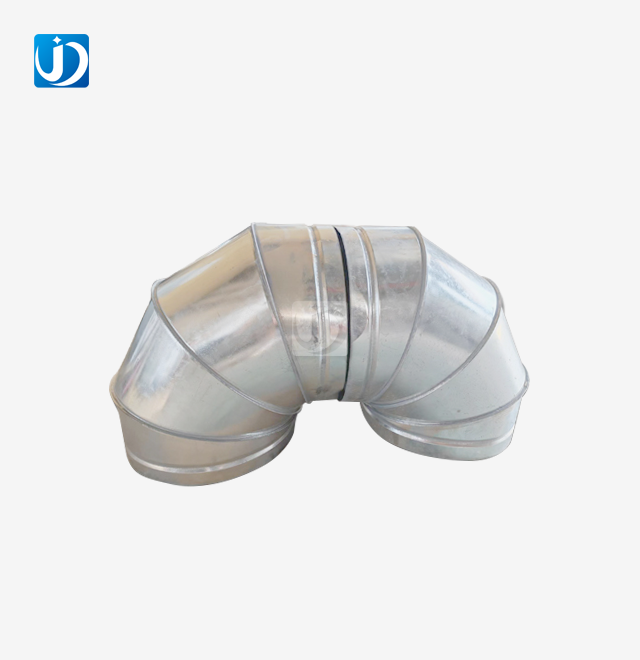
dust collection pipe
Wind speed is designed based on fluid mechanics to prevent metal dust accumulation. Optimized
elbows and tees lower pipeline resistance and maintain stable suction of the whole extraction system.
Flexible material options; wear-resistant version for abrasive dust
Made of carbon steel as standard. Wear-resistant steel is optional for heavy dust containing steel shot
fragments and mill scale to resist particle erosion and extend service life.
Modular standard components for fast on-site assembly
Straight ducts, elbows, tees, reducers, dampers and access ports are standardized. Flange connection
allows flexible routing according to workshop layout and speeds up installation.
Reliable sealing to avoid air leakage and dust escape
Gaskets are installed between flanges with continuous welding, minimizing air infiltration which
would weaken suction at dust capture points.
- Product Description
Industrial Dust Collection Pipe Systems for High‑Performance Dust Removal & Ventilation Applications
With more than 20 years of expertise in foundry machinery and industrial‑equipment manufacturing, Botou Junda Machinery Equipment Co., Ltd. designs professional‑grade dust collection pipe systems. Our 3,000‑square‑meter production facility delivers complete dust‑removal solutions as well as custom‑built equipment generally manufactured within 15 days. Every pipe component features optimized airflow design to maintain a transport velocity of 18‑24 m/s, modular flange connections for flexible workshop routing, and wear‑resistant material options to extend service life in abrasive environments containing steel‑shot fragments and mill scale.

What Makes Our dust collection pipe Systems Reliable
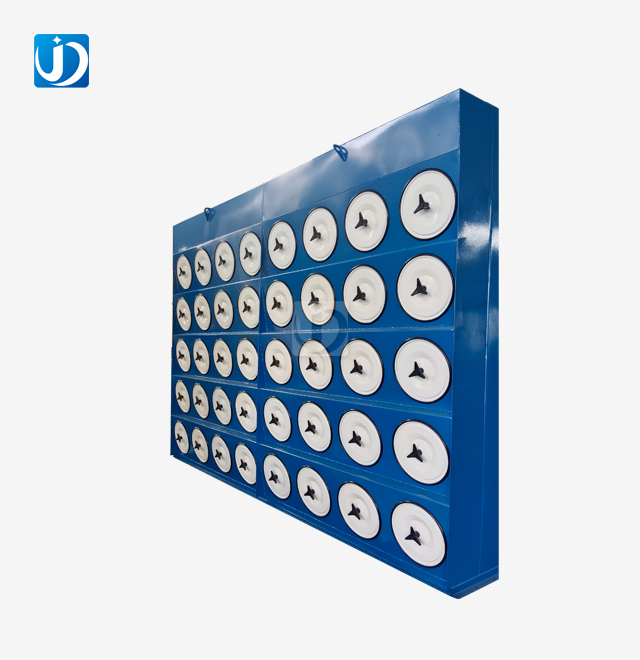
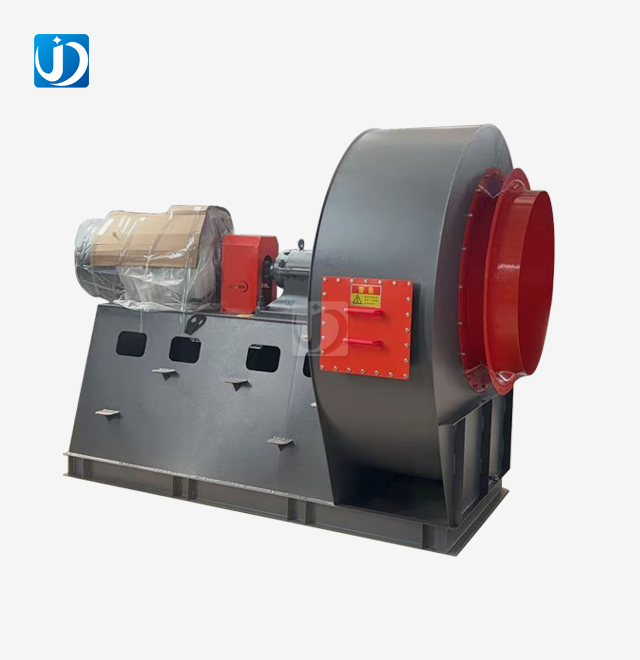
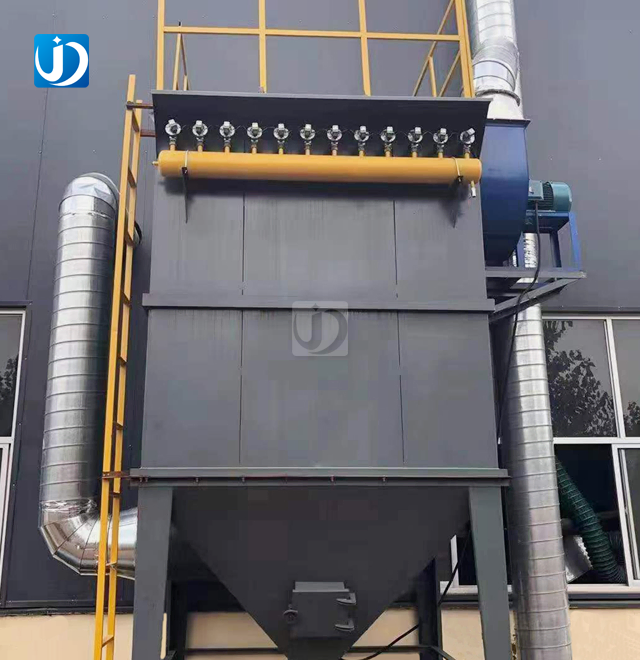
Our piping serves as the critical pneumatic conveying duct connecting dust hoods, shot‑blasting machines, pulse dust collectors and exhaust fans. Each component is carefully engineered to handle high‑velocity airflow while preserving structural integrity under negative pressure.
The system addresses three core industrial challenges. First, optimized elbows and tees designed according to fluid‑mechanics principles prevent metal‑dust accumulation and sustain consistent suction across multiple capture points. Second, reliable gasket‑sealed flange joints minimize air infiltration that would degrade system performance. Third, optional wear‑resistant steel construction withstands particle erosion in heavy‑duty applications.
Standard carbon‑steel construction delivers durability for general‑industrial use. For environments with abrasive metallic dust, we supply reinforced versions with thickened plates or wear‑resistant liners at high‑impact zones such as elbows and reducers.

Technical Specifications
| Parameter | Specification |
|---|---|
| Applicable Industries | Machinery manufacturing, steel‑structure processing, foundries, metallurgy, shot blasting, sandblasting |
| Compatible Equipment | Pulse dust collectors, cyclone separators, dust‑removal systems |
| Pipe Diameter Range | Full set of standard sizes, customizable lengths |
| Standard Material | High‑quality welded carbon‑steel plate |
| Optional Materials | Wear‑resistant steel, galvanized steel, stainless steel |
| Designed Airflow Velocity | 18‑24 m/s (prevents dust sedimentation) |
| Pressure Rating | 10‑15 inches water gauge (standard) |
| Connection Method | Flanged joints with gasket sealing |
| Available Components | Straight pipes, elbows, tees, reducers, dampers, access ports |
| Installation Options | Overhead, wall‑mounted, floor‑run routing |
| Temperature Resistance | Capable of withstanding high temperatures, suitable for hot‑dust applications |
| Sealing Performance | Continuous welding and gasketed flanges prevent air leakage |
Core Performance Advantages
Optimized Airflow Engineering
Wind‑speed calculations follow fluid‑mechanics principles to avoid particle deposition inside pipes. Our engineers design elbow angles and transition sections to reduce duct resistance by up to 20 % compared with standard configurations. Stable negative pressure is maintained throughout the entire extraction network.
Material Flexibility for Different Dust Types
Standard carbon‑steel structures handle general industrial dust effectively. When your process generates abrasive particles containing steel grit or mill scale, wear‑resistant liners are fitted at impact zones. Stainless‑steel variants are suitable for corrosive environments within chemical‑processing facilities.
Modular Assembly Accelerates Installation
All parts adopt standardized flange connections. Your maintenance team can configure routing according to workshop‑layout constraints without custom fabrication. This modular approach cuts installation time by approximately 40 % versus on‑site welded systems.
Superior Sealing Technology
Rubber gaskets are fitted between all flange joints, with continuous welding at connections. This dual‑sealing method stops air infiltration that would reduce suction at capture hoods. Proper sealing also prevents fine‑dust escape into your working space.
Maintenance‑Friendly Design
Strategically positioned access ports allow operators to clear deposited dust during routine maintenance. These inspection openings prevent blockages that cause system failure and production downtime.
Adaptable Configuration Options
Our dust collection pipe systems accommodate standalone single‑machine ductwork or centralized networks serving multiple production lines. Whether you require overhead routing to save floor space or floor‑mounting for easy access, we configure layouts to match your facility requirements.
Practical Applications Across Industries
Shot‑blasting equipment utilizes our dust collection pipe systems to extract steel grit and mill scale from surface‑treatment machinery. Wear‑resistant configurations handle large volumes of metallic particles without perforation.
Welding workshops benefit from high‑temperature‑resistant construction for safely conveying hot flue gas and spark‑laden air. Proper earthing prevents static‑electric buildup within combustible‑dust atmospheres.
Sandblasting operations require large‑diameter configurations to preserve transport velocity over long horizontal runs. Our optimized elbow design avoids frequent blockages caused by sedimentation seen in standard piping.
Metal‑manufacturing plants integrate our modular components into existing ventilation systems by using standard reducers and adapters. This compatibility eliminates the need for full‑system replacement when expanding capacity.

Frequently Asked Questions
Q: What are the main functions of a dust collection pipe system, and which material works best?
A: Piping creates airflow channels linking your production equipment to filtration units for efficient transport of dust‑laden air. Carbon‑steel plates are commonly used for components for cost‑effectiveness and durability. Heavy‑abrasive applications require wear‑resistant liners installed at high‑impact zones. Stainless‑steel construction fits special environments with corrosive fumes.
Q: What are the most critical design requirements for shot‑blasting and sandblasting systems?
A: Maintain airflow velocity between 18‑24 m/s to prevent dust settling inside pipes. Use long‑radius elbows to minimize sharp 90‑degree bends. Fit access doors at intervals for regular cleaning. Branch ducts should connect to the top or side of main ducts instead of the bottom to avoid back‑flow deposition.
Q: What causes failures in shared dust collection pipe systems?
A: Dust blockages stem from insufficient airflow velocity and poorly‑designed elbow layouts. Air leakage occurs when flanges, welds or access ports lack proper sealing, lowering negative pressure and weakening suction. Wall abrasion and perforation happen when high‑speed metallic particles repeatedly strike elbows and reducers. Vibration and noise indicate fan‑resonance issues or inadequate support brackets.
Q: How should installation and maintenance be performed for dust collection pipe systems?
A: Fit rubber gaskets on all flanges for tight sealing during assembly. Reinforce elbows and reducers with thicker plates or wear‑resistant liners for abrasive applications. Remove accumulated dust through cleaning openings according to scheduled maintenance plans. Install robust support brackets to reduce system‑wide vibration. Promptly repair thin or worn sections to prevent dust leakage into your workspace.
Why Partner with Junda for Your Dust‑Removal Needs
Our manufacturing capabilities integrate R&D, equipment design, production and commissioning support. We maintain sufficient stock of standard components for fast delivery, while custom configurations are available within approximately 15 days.
Professional ODM and OEM services adapt equipment to your local environmental regulations and voltage standards. Custom options include machine dimensions, automatic‑control systems, intelligent‑monitoring software and technical drawings.
We respond to customer inquiries within 6‑8 hours and provide comprehensive technical support including remote installation guidance, operator training, English‑language operation manuals and maintenance videos. Our quality‑management system holds ISO9001, ISO14001 and ISO45001 certifications to guarantee consistent manufacturing standards.



Request Custom Dust‑Removal Solutions
Contact our engineering team via junda001@jundablast.com to discuss your specific dust collection pipe requirements. We will provide technical recommendations and delivery timelines for your application.

USER EVALUATE
Real feedback and practical experience shared by worldwide partners who purchased our machinery and environmental treatment devices.