_1786959752558.webp)
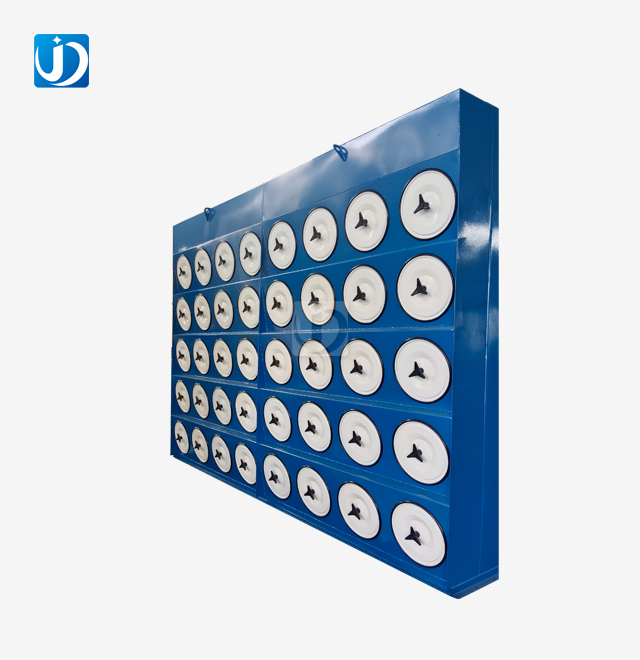
dust extraction unit
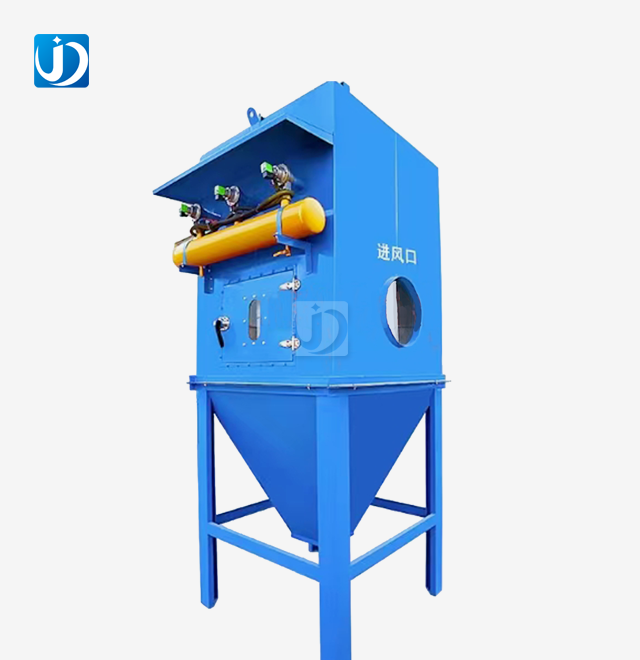
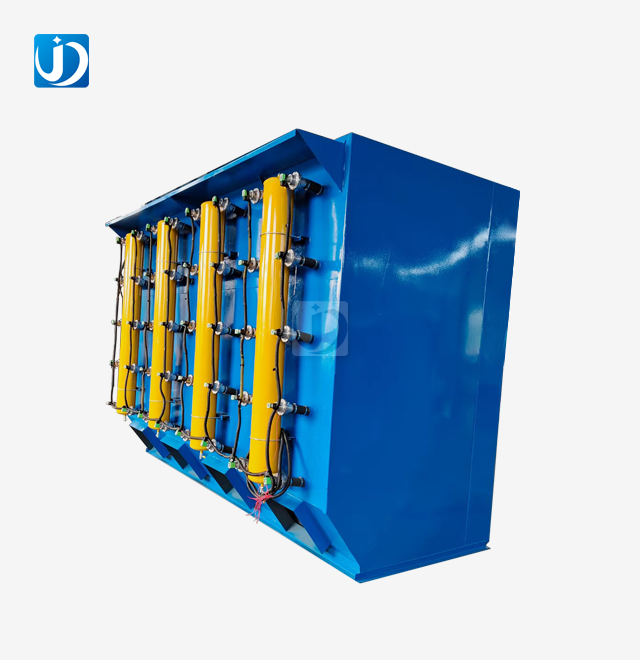
Centrifugal fan, filter chamber, pulse cleaning system and control cabinet are pre-assembled. Only
suction duct connection is required to cut field construction time.
Stable negative pressure for effective dust capture
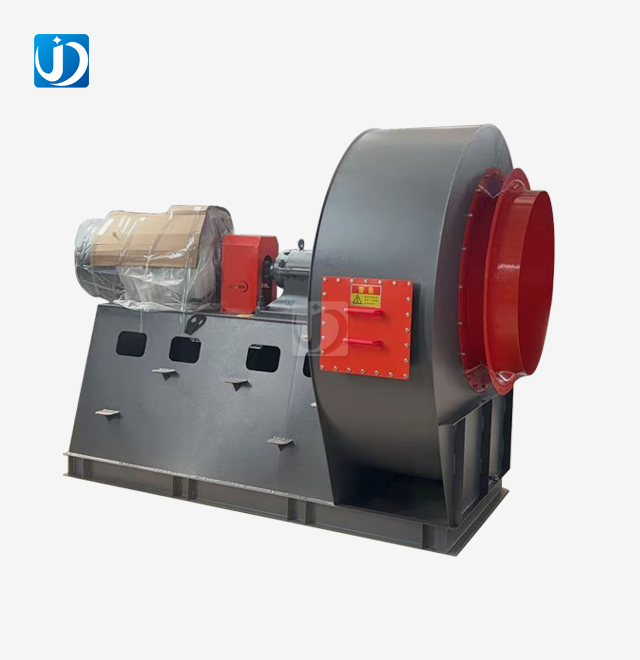
Specially matched exhaust fan provides sufficient vacuum power to maintain steady suction over long
pipelines and suppress fugitive dust.
Optional multi-stage filtration for abrasive recovery & compliant emission
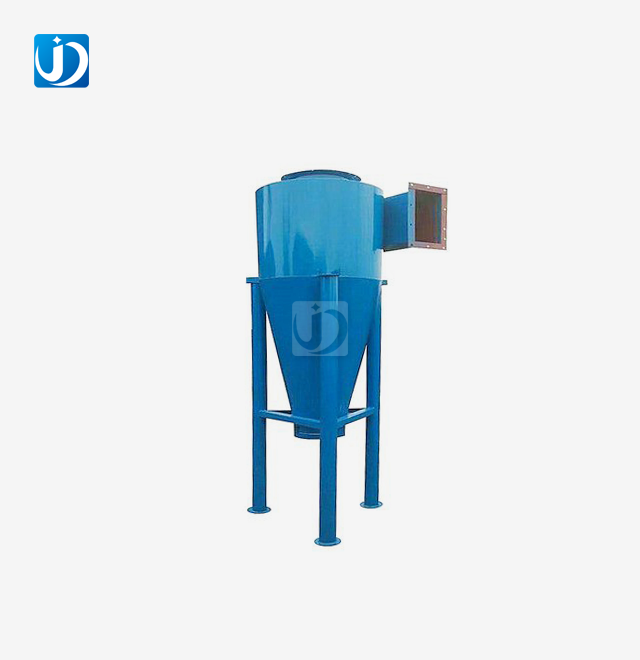
Built-in cyclone pre-separator is available for high-concentration dust to recycle coarse steel shot.
Secondary filters trap fine dust to realize media recovery and air purification.
Automatic pulse cleaning supports long continuous production
Dual-mode cleaning controlled by timer or differential pressure removes dust from filters automatically,
keeping stable airflow for non-stop production lines.
- Product Description
Industrial Dust Extraction Unit|High‑Efficiency Filtration System for Shot‑Blasting and Surface‑Treatment Applications
Botou Junda Machinery Equipment Co., Ltd. provides industrial‑grade dust extraction unit solutions for foundry, metal‑processing, surface‑treatment and other processes. Our all‑in‑one filtration systems are backed by a 3,000‑square‑meter production plant and over 20 years of manufacturing experience, featuring airflow ranging from 1,500‑15,000 m³/h with filtration efficiency ≥99.5%. For fast on‑site deployment, pre‑assembled modular components include control systems, centrifugal fans and pulse‑cleaning mechanisms. To guarantee your production continuity, our specialized equipment is normally delivered within 15 days, and technical assistance replies within 6‑8 hours.

Why Industrial Facilities Choose Integrated Dust Extraction Unit
Reliable air filtration is critical for protecting workers and equipment within modern shot‑blasting and metal‑processing environments. Specialized extraction methods are required to resolve various operational issues caused by airborne metallic dust and abrasive particles.
Regulatory compliance acts as an immediate driving factor. Inhalable particulate matter must be strictly controlled to satisfy workplace air‑quality regulations. Facilities handling alumina, steel grit or silica must possess high‑efficiency filtration and capture capabilities.
Clean air is essential for equipment service life. When abrasive dust enters precision machinery, bearings, seals and control components suffer accelerated wear. Unplanned downtime and shortened equipment lifespan occur under contaminated conditions.
Protecting operator health remains paramount. Long‑term exposure to fine metallic particles may trigger respiratory problems. High‑efficiency extraction systems lower inhalation risks and create a safer workplace for your team.

Technical Specifications
| Parameter | Specification |
|---|---|
| Air‑Handling Capacity | 1,500 – 15,000 m³/h (customizable) |
| Filtration Efficiency | ≥99.5% for fine particulate matter |
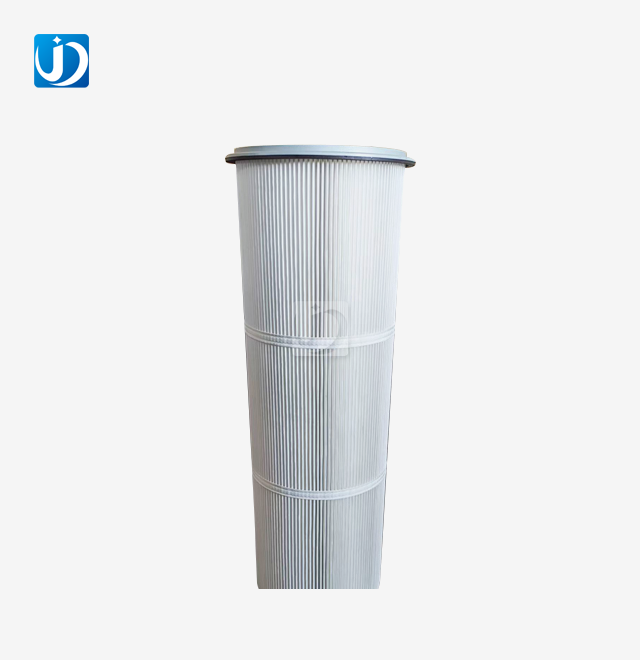
| Filter Media Options | Polyester filter bags, pleated filter cartridges, anti‑static membrane materials |
| Cleaning Method | Automatic pulse‑jet cleaning (timer or differential‑pressure control) |
| Negative‑Pressure Range | Adjustable to match duct length and dust load |
| Power Supply | Customizable voltage: 220V/380V/415V/440V, 50Hz/60Hz |
| Noise Level | ≤80 dB(A) during standard operation |
| Unit Configuration | Integrated design of fan, filter chamber, ash hopper and control panel |
| Optional Components | Cyclone pre‑separator for abrasive media recovery |
| Operating Temperature | Standard: ‑10°C to +60°C (high‑temperature version available) |
| Control System | Manual, semi‑automatic or PLC‑based intelligent control |
Core Advantages of Junda Dust Extraction Unit
Integrated Pre‑Assembly Reduces Installation Time
Your dust extraction unit arrives fully assembled with centrifugal fan, filter housing, pulse‑jet valves and electrical cabinet. Installation teams only need to connect suction ductwork to your shot‑blasting machine or grinding station. This design eliminates weeks of on‑site construction and gets your production lines operational faster.
Full‑Range Dust Collection with Long‑Term Negative Pressure
Our specially matched exhaust fans deliver stable vacuum power for long duct runs. Spill‑over dust cannot escape at loading zones, blast‑chamber openings and workpiece transfer positions thanks to consistent suction. You can maintain clean indoor air within the building.
Multi‑Stage Filtration Meets Emission Regulations and Recovers Abrasives
Cyclone pre‑separators are an optional feature for high‑concentration‑dust applications. These components collect coarse steel shot and grinding media for future reuse, cutting consumable costs. Secondary filter cartridges capture tiny particles below 5 μm, ensuring exhausted air complies with environmental regulations.
Consistent Airflow Maintained via Automatic Pulse‑Jet Cleaning
Differential‑pressure sensors or configurable time intervals are adopted in dual‑mode cleaning. Compressed‑air pulses remove accumulated dust from filter surfaces without halting production processes. This self‑maintenance mechanism extends filter service life and preserves airflow performance.
Adaptable Filter Media for Specific Dust Characteristics
For applications involving metallic dust, select anti‑static membrane materials, pleated cartridges for enlarged filtration area, or polyester filter bags for general dust. PTFE‑coated media resists moisture and fine‑particle blinding, sustaining filtration performance across diverse operating conditions.
Leak‑Proof Structure Prevents Cross‑Contamination
Fully‑welded housing with flange connections and sealed access ports prevents air infiltration. Dust cannot flow back into your workspace, and the sealed structure avoids suction loss under negative pressure.
Versatile Configurations Support Multiple Purposes
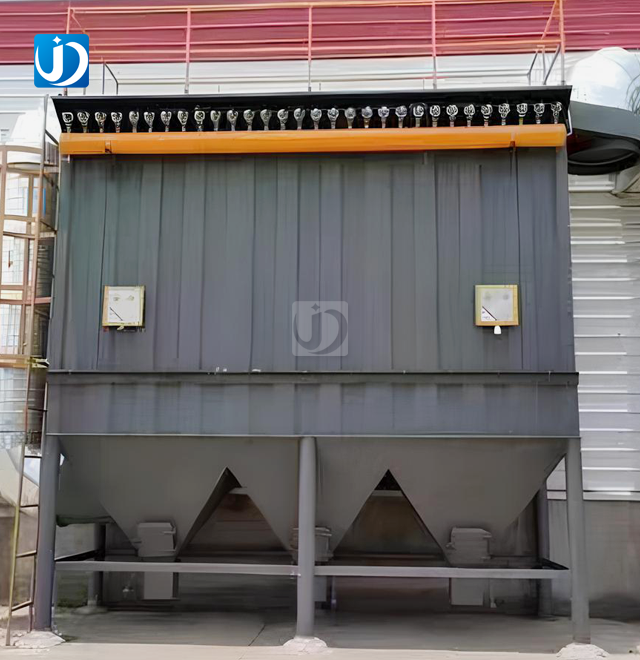
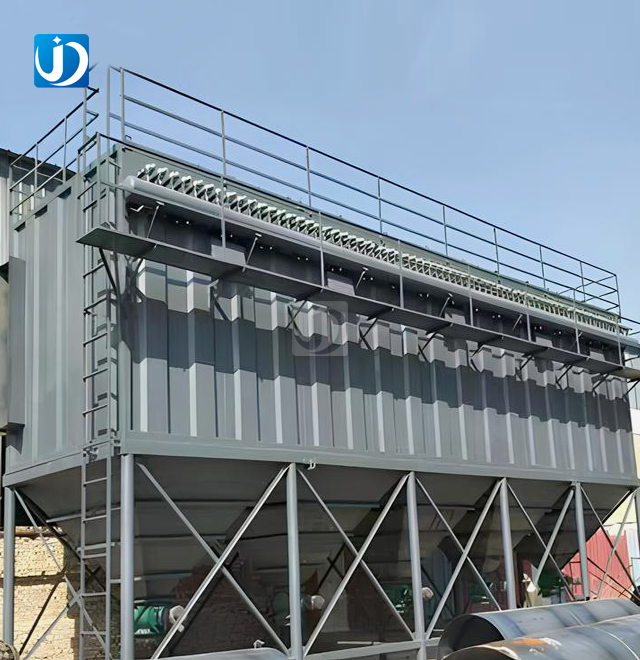
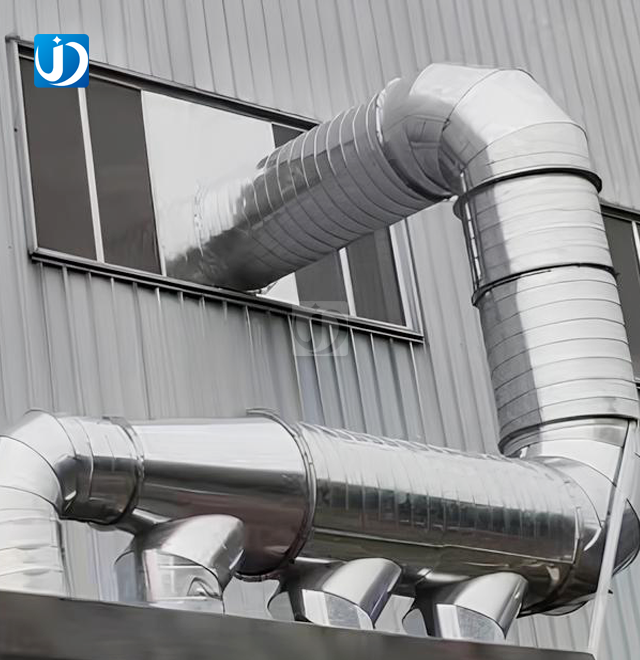
Portable grinding equipment and standalone blast cabinets integrate with compact‑size units. High‑capacity central units support numerous workstations via manifold ductwork, delivering dust control for an entire workshop through one main extraction host.
How Extraction Units Enhance Your Shot‑Blasting Operations
When connected to shot‑blasting equipment, your dust extraction unit generates controlled negative pressure inside the blast chamber. This airflow captures dust particles the moment they form, before they settle onto machinery or spread to surrounding areas.
The extraction process starts at workpiece surfaces. As blast wheels propel steel shot toward metal components, impact generates fine dust. Negative‑pressure draws this dust‑laden air through dust hoods into main ductwork.
Air enters the filter chamber and velocity drops, causing heavier particles to fall into the optional cyclone pre‑separator. Recovered steel shot returns to your abrasive‑recycling system, lowering media consumption costs by up to 30%.
Remaining fine dust proceeds toward the filter section. Air passes through specialized filter media, trapping particles as small as 0.3 μm. The pulse‑cleaning system periodically releases compressed air to flex filter materials and dislodge built‑up dust into collection hoppers.
Clean air is discharged by exhaust fans, complying with workplace air‑quality standards. Collected dust accumulates inside sealed hoppers for safe disposal according to material types and local regulations.

Custom Options for International Projects
Junda provides ODM and OEM services tailored to your regional requirements. Voltage configurations conform to local power standards for North America, Europe, Asia and other markets. Equipment dimensions adapt to container‑shipping constraints or on‑site spatial limits.
Control systems extend from basic manual operation to advanced PLC integration with remote‑monitoring functions. Explosion‑proof components and ATEX‑compliant configurations are available for facilities handling combustible dust.
We assist with certification documentation for CE marking and other regional compliance requirements. Technical drawings, material certificates and test reports support your equipment‑approval procedures.

Installation & Technical Support
Our technical team delivers comprehensive support from equipment arrival through long‑term operation. Remote installation guidance helps your staff position units properly and connect ductwork efficiently. Video calls enable real‑time troubleshooting during commissioning.
Operator training covers daily inspection procedures, filter‑replacement protocols and maintenance schedules. English‑language operation manuals detail safety procedures and performance‑optimization techniques. Maintenance videos demonstrate common service tasks for local technicians.
Genuine spare parts ship directly from our factory, with expedited logistics for urgent replacements. Long‑term partnerships with international freight forwarders guarantee reliable delivery to your location.
Overseas on‑site engineering services are available for complex installations or specialized applications. Our field engineers conduct system start‑up, performance verification and staff training at your plant.


Frequently Asked Questions
Q: What components make up a complete setup?
A: A full system includes exhaust fan, ash hopper, electrical control panel, pulse‑cleaning mechanism, filter cabinet and filter media (bags or cartridges). An optional upstream cyclone pre‑separator is installed for abrasive recovery in high‑concentration‑dust applications. All components connect to your shot‑blasting or grinding equipment via sealed ductwork.
Q: How does the setup assist sandblasting and shot‑blasting work?
A: It maintains constant negative pressure inside blast chambers to prevent dust leakage. Fine metallic particles are captured; otherwise they would contaminate your facility and exceed emission limits. Operators suffer less respiratory exposure for a cleaner working environment. When fitted with a cyclone separator, the setup recovers reusable steel shot and grit to reduce consumable costs.
Q: What causes suction‑performance degradation of a setup?
A: Common issues include blinded filter media requiring pulse‑cleaning adjustment or replacement. Air leakage at duct‑joint connections reduces effective vacuum. Dust accumulation inside hoppers restricts airflow. Undersized fans or excessive duct bends create high resistance. Malfunctioning pulse valves hinder proper filter cleaning. Poorly‑sealed access doors result in pressure loss.
Q: How should I select the proper setup for my sandblasting operations?
A: Match the setup’s air‑handling capacity to your equipment’s dust‑generation rate. Calculate total airflow demand based on blast‑cabinet volume and workpiece surface area. Specify wear‑resistant filter media for hard‑metallic‑dust applications. Large‑scale production lines benefit from cyclone separators to reduce filter load. Optimize duct layout to minimize bends and resistance. Reserve sufficient access space for filter servicing during routine maintenance.
Q: Can one setup serve multiple machines simultaneously?
A: Yes, through balanced manifold ductwork. Calculate combined airflow demand of all connected machines. Verify that the setup capacity exceeds total demand during simultaneous operation. Install explosion‑proof dampers to balance suction across branches. This central‑system approach lowers equipment costs compared with standalone units for each machine.
Partner with Junda for Reliable Dust‑Control Solutions
Ready to improve air quality and equipment performance at your plant? Contact our technical team via junda001@jundablast.com to discuss your specific dust extraction unit requirements and receive customized solution proposals.

USER EVALUATE
Real feedback and practical experience shared by worldwide partners who purchased our machinery and environmental treatment devices.