_1786959752558.webp)
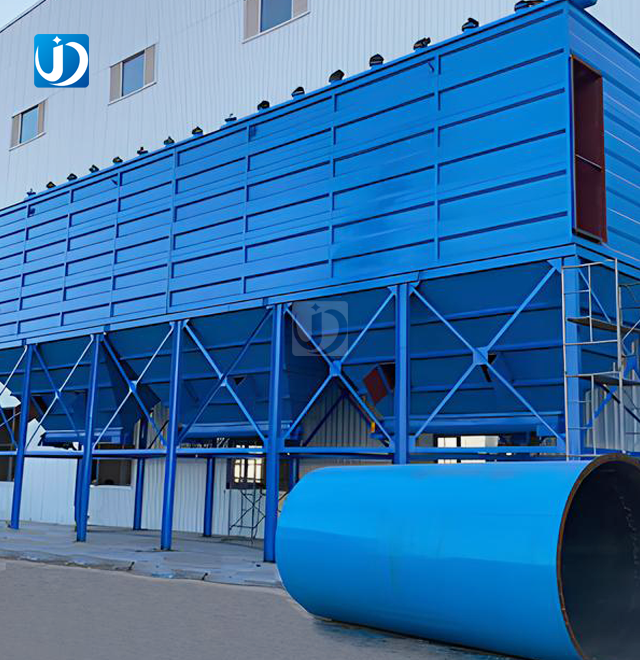
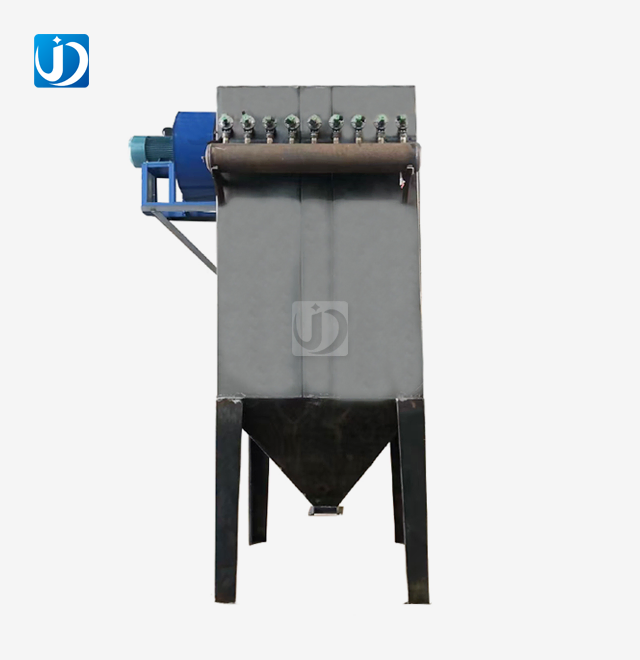
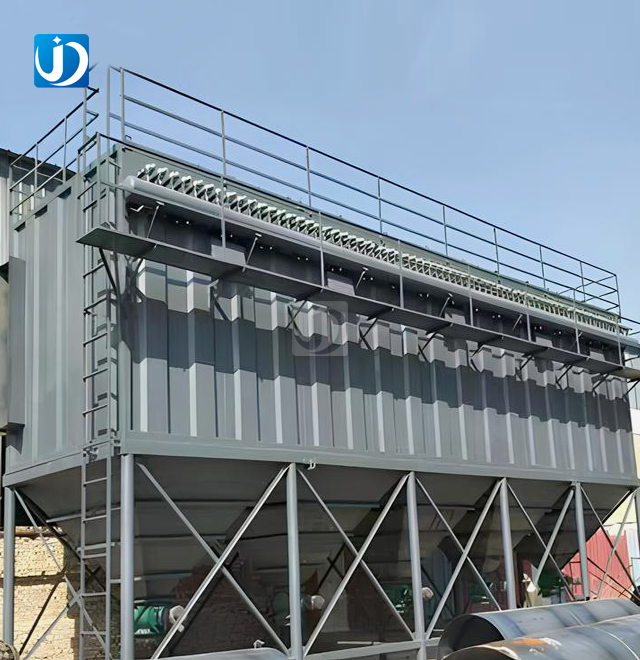
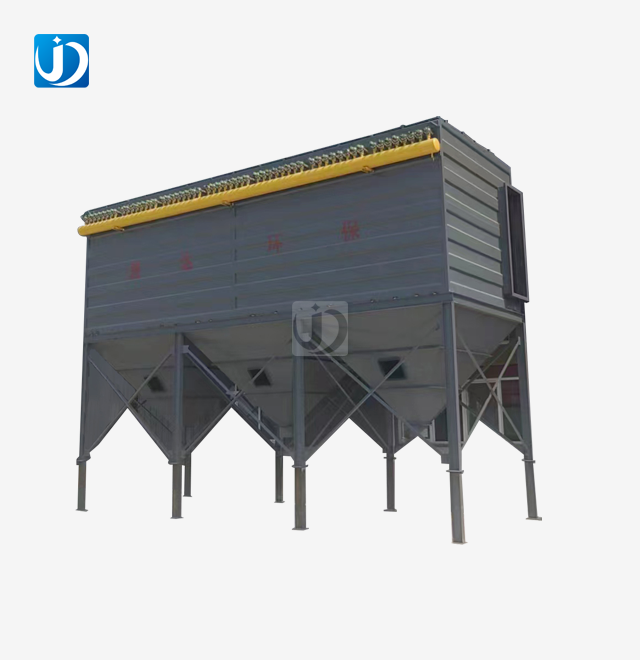
dust control equipment
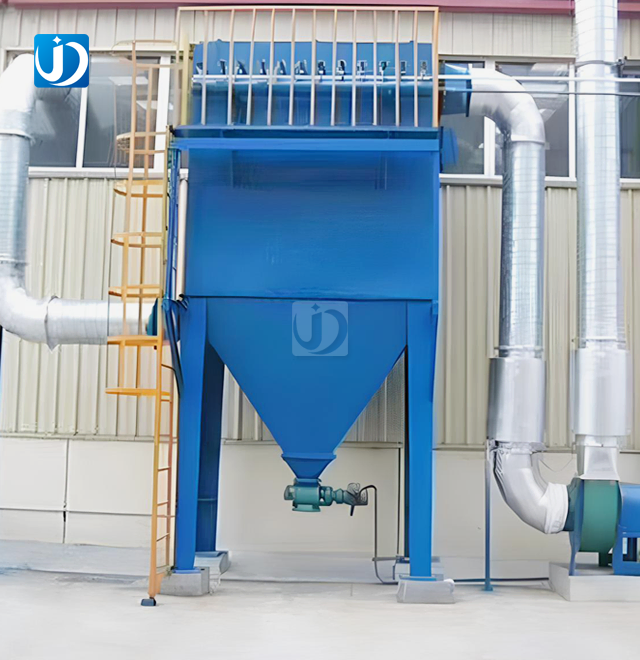
Suction hoods are arranged at dust generation zones to capture airborne dust, avoiding dust dispersion
inside the workshop, improving working conditions and protecting operator health.
Multi-stage purification balances abrasive recovery and compliant exhaust emission
Cyclone separators can be installed for heavy abrasive dust to recover recyclable blasting media.
Secondary dust collectors trap fine dust to cut media cost and ensure exhaust meets environmental
regulations.
Modular system design suitable for new production lines and plant retrofits
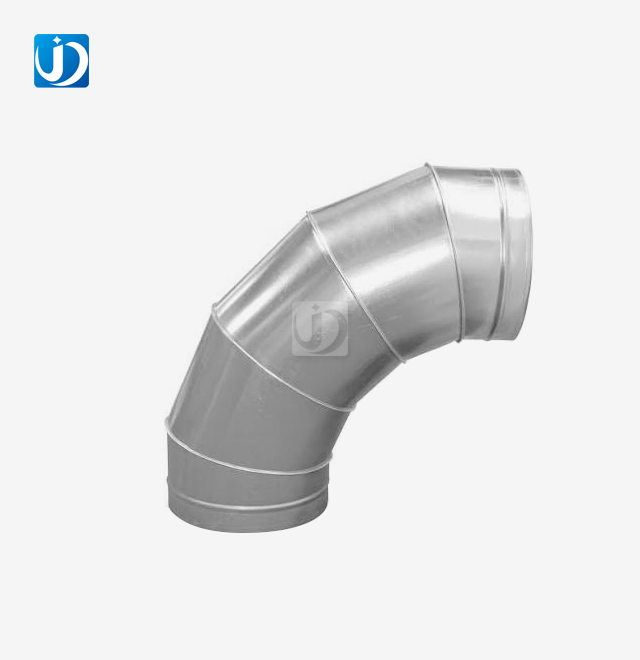
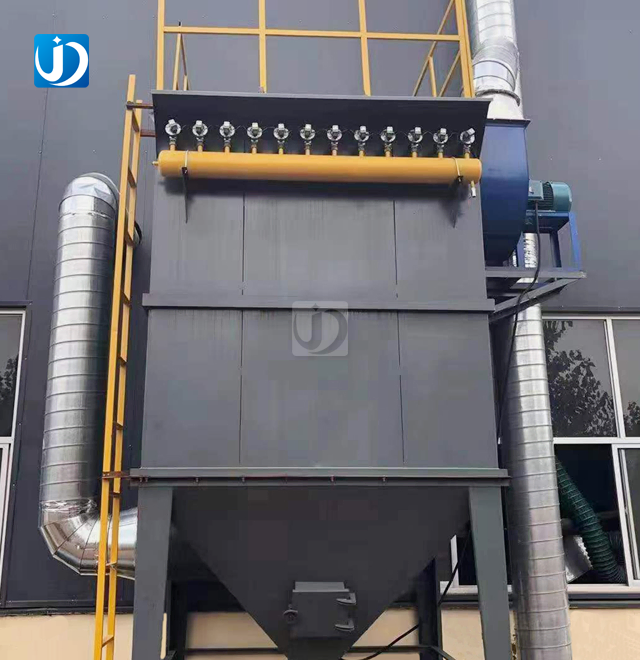
Ducts, pre-separators, filter units and fans are standardized modules for flexible layout. Ideal for new
workshops and upgrading existing dust management systems.
- Product Description
Industrial Dust Control Equipment Systems for High-Performance Air Purification and Workshop Environmental Management
Botou Junda Machinery Equipment Co., Ltd. delivers enterprise-grade dust control equipment engineered for industrial dust suppression and air purification. With a 3,000 square meter production facility and more than 20 years of manufacturing experience, our systems achieve ≥99.5% fine dust filtration efficiency by using negative pressure technology to capture airborne particulates at the source. Our equipment, which is certified under ISO9001, ISO14001, and ISO45001 standards, is used worldwide in the power generation, metallurgy, chemical processing, and surface treatment industries. While bespoke configurations are produced in about 15 days with 6-8 hour technical response times, standard devices are shipped straight from inventory.

What Makes Professional Dust Control Equipment Essential for Industrial Operations
Equipment represents critical infrastructure for capturing metallic dust, respirable particulates and industrial emissions from production processes. Modern systems integrate source-side extraction with multi-stage filtration to maintain workshop air quality.
Professional installations prevent three primary operational risks. Equipment protects workforce health by eliminating exposure to harmful airborne particles. Systems ensure regulatory compliance with occupational safety and environmental emission standards. Proper dust management reduces mechanical wear on production machinery caused by abrasive contamination.
Industrial facilities processing metal, minerals or chemical materials generate significant dust volumes during cutting, grinding, blasting and material handling. Without active capture systems, fugitive dust spreads throughout workspace areas, creating visibility hazards and coating equipment surfaces.

Core Technical Specifications
| Parameter | Specification |
|---|---|
| Filtration Efficiency | ≥99.5% for fine particulates |
| Capture Method | Negative pressure suction with localized hoods |
| Filtration Stages | Multi-stage: cyclone pre-separation + precision filter |
| Cleaning System | Automatic pulse jet with timer & differential pressure control |
| Air Volume Range | Customizable based on workshop requirements |
| Filter Media | Industrial-grade resistant to metallic dust puncture |
| Dust Discharge | Automatic hopper collection with continuous operation |
| Noise Level | Low-noise fan design for production environments |
| Operating Mode | Continuous duty for 24/7 industrial operations |
| Customization | ODM/OEM for voltage, dimensions and control systems |
Advanced Dust Capture and Filtration Technology
Source-side negative pressure extraction forms the foundation of effective dust management. Suction hoods position directly at dust generation points—shot blasting cabinets, grinding stations, welding zones—to capture particles before dispersion. This localized capture prevents workshop contamination and maintains clean breathing zones for operators.
Multi-stage purification balances media recovery with environmental compliance. Cyclone pre-separators handle heavy metallic particles, recovering valuable steel shot and grit for reuse in blasting operations. This first-stage separation significantly reduces abrasive media consumption costs.
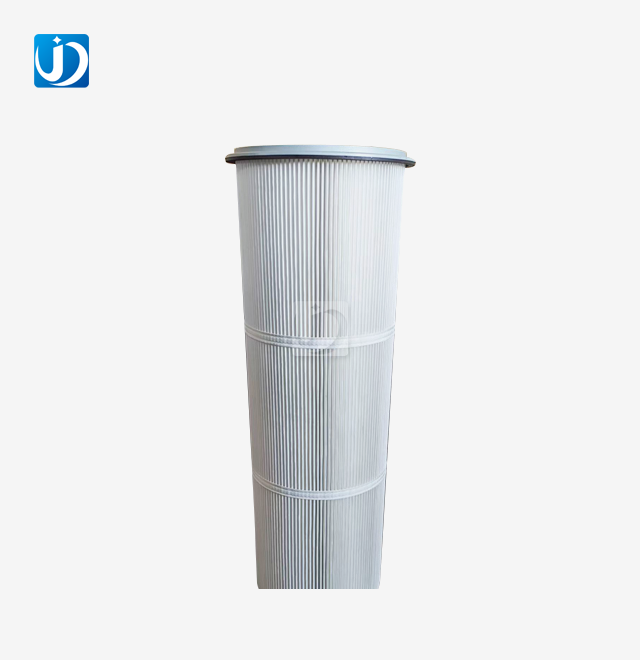
Secondary filtration removes fine dust that passes through cyclone separation. High-efficiency filter media traps submicron particles, ensuring exhaust emissions meet strict environmental regulations. This dual-stage approach protects both production economics and regulatory standing.
Modular Design for Flexible Installation
Standardized component architecture adapts to diverse facility requirements. Ductwork, filter housings, fan units and pre-separators connect as modular elements, allowing custom configurations for new construction and retrofit projects.
Your facility layout determines optimal system arrangement. Compact installations suit space-limited workshops. Distributed networks serve large production areas with multiple dust sources. Centralized systems consolidate filtration for several workstations through shared ductwork.
Modular construction simplifies future capacity expansion. Additional filter modules integrate with existing infrastructure as production volumes increase. This scalability protects your initial equipment investment while supporting business growth.
Automatic Pulse Cleaning for Continuous Operation
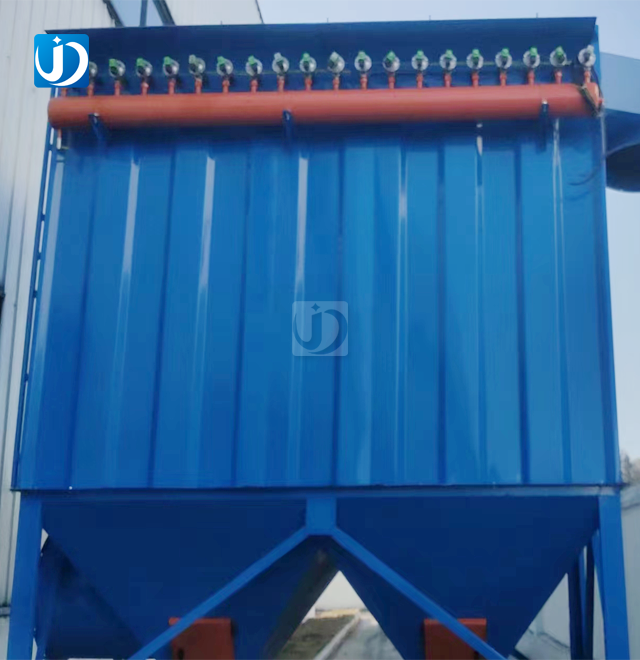
Timer and differential pressure controls trigger pulse jet cleaning automatically. Compressed air bursts reverse-clean filter elements, dislodging accumulated dust into collection hoppers without interrupting airflow. This self-maintenance capability supports non-stop production schedules.
Pulse frequency adjusts to actual dust loading conditions. Light-duty applications may clean every few hours, while heavy blasting operations trigger more frequent cycles. Differential pressure sensors optimize cleaning timing, maintaining stable airflow resistance and energy efficiency.
Automatic maintenance reduces labor requirements compared to manual filter cleaning systems. Your operators focus on production tasks rather than equipment servicing. Filter media lifespan extends significantly through gentle pulse cleaning versus aggressive manual methods.
Industrial Applications Across Manufacturing Sectors
Surface treatment operations represent primary applications. shot blasting machines generate intense metallic dust concentrations requiring immediate capture. Dust control equipment integrates directly with blasting cabinets, maintaining negative pressure to prevent leakage while recovering steel abrasives.
Welding and cutting processes produce harmful fumes and fine particulates. Extraction arms with high-velocity capture zones position near torch operations, removing contaminants before operator exposure. Filtered air returns to workspace, maintaining comfortable temperatures without exhausting conditioned air.
Material handling and processing stations benefit from overhead capture hoods. Grinding, polishing and deburring operations create continuous dust emissions throughout work shifts. Properly sized extraction systems maintain visibility and equipment cleanliness in these challenging environments.

Compliance and Health Protection Benefits
Regulatory standards mandate workplace dust concentration limits. OSHA permissible exposure limits, EPA emission requirements and international occupational health standards require documented control measures. Properly specified equipment provides verifiable compliance through measurable air quality results.
Respiratory protection becomes a secondary defense when engineering controls actively remove contaminants. Your workforce experiences reduced exposure to silica, metal fumes and organic dusts that cause long-term health complications. Clean air environments improve productivity and reduce absenteeism.
Equipment surfaces and production machinery benefit from dust-free conditions. Abrasive particles accelerate wear on moving components, electrical systems and precision tooling. Environmental control through effective filtration extends maintenance intervals and reduces unexpected downtime.
Frequently Asked Questions
Q: What is equipment and what types are included?
A: It refers to complete equipment for capturing, collecting and filtering airborne industrial dust, including cyclone dust collectors, pulse bag dust collectors, cartridge dust collectors, extraction ducts, suction hoods and exhaust fans. Widely used with shot blasting machines, blasting rooms, grinding and welding stations.
Q: Core functions of equipment for shot blasting & sandblasting processes?
A: Maintain negative pressure to prevent dust leakage. Capture metallic dust to purify exhaust gas up to emission standards. Recover steel shot and grit via cyclone separators to cut abrasive costs, reduce dust concentration and protect machinery and operators.
Q: Key selection criteria of equipment for blasting conditions?
A: Hard metallic dust may puncture filter media; cyclone pre-separator plus baghouse combination is recommended. Match air volume according to production demands. Prioritize wear-resistant structure and reliable pulse cleaning. Reserve space for filter replacement and maintenance.
Q: Routine maintenance guidelines for stable operation of equipment?
A: Run automatic pulse cleaning regularly. Inspect filters for rupture and air leakage. Check sealing of ducts and cabinet to avoid air leakage. Empty hopper dust on schedule. Maintain extraction fans. Repair or replace heavily worn components timely.
Contact Us for Custom Dust Management Solutions
Contact our technical team at junda001@jundablast.com to discuss your specific dust control equipment and receive customized system proposals with detailed specifications.




USER EVALUATE
Real feedback and practical experience shared by worldwide partners who purchased our machinery and environmental treatment devices.