Steel Plate Shot Blasting Treatment vs. Sandblasting: Key Differences
When a steel plate leaves the mill, its surface carries mill scale, rust, and embedded contaminants that will compromise any coating applied on top. Choosing the wrong surface preparation method costs money, shortens coating life, and can void warranty claims. Steel plate shot blasting treatment uses high-velocity steel abrasives propelled by centrifugal wheels at 65–85 m/s to strip these contaminants and create a controlled anchor profile — typically reaching Sa 2.5 per ISO 8501-1 in a single pass. Sandblasting uses compressed air to drive silica or garnet particles at lower, less consistent velocities. Both methods clean steel, but they differ sharply in efficiency, environmental impact, and suitability for industrial-scale production.
Understanding Steel Plate Surface Preparation Methods
What Shot Blasting Actually Does
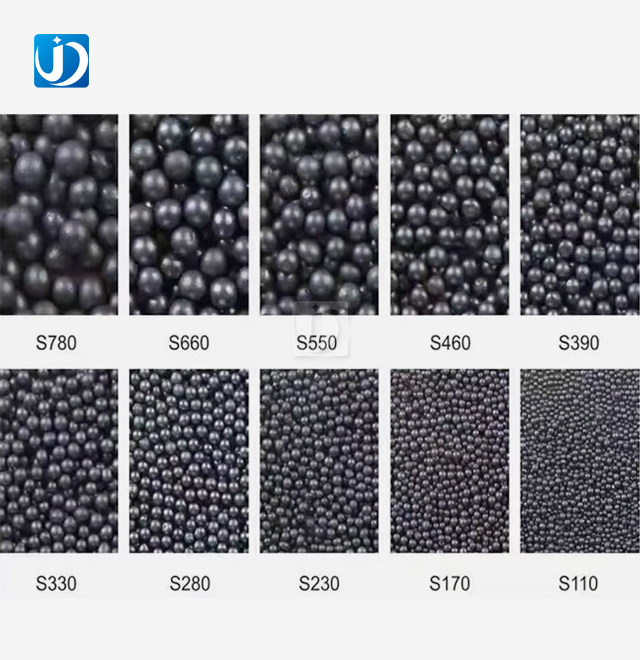
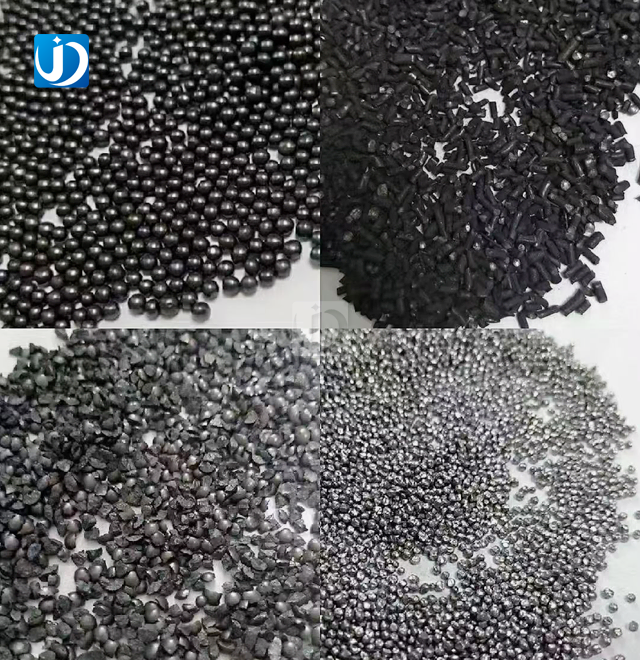
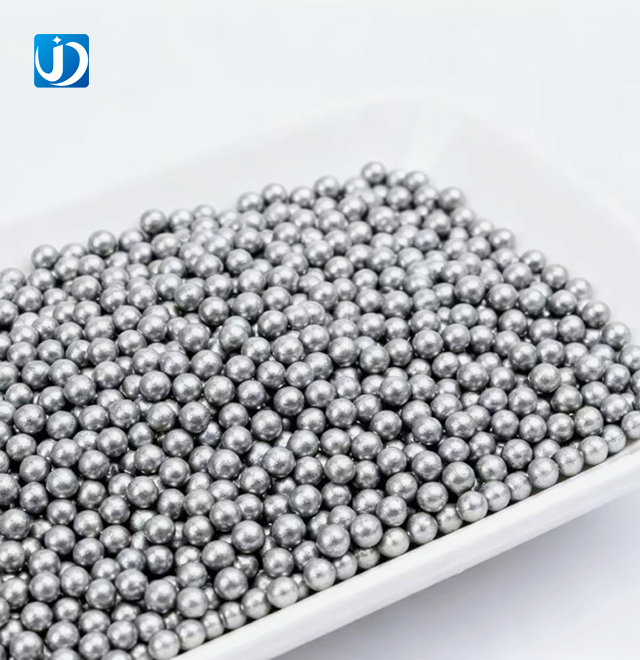
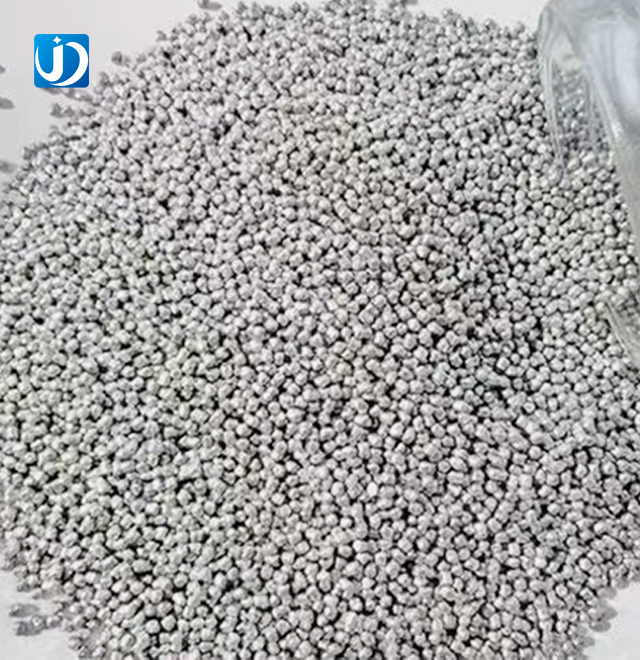
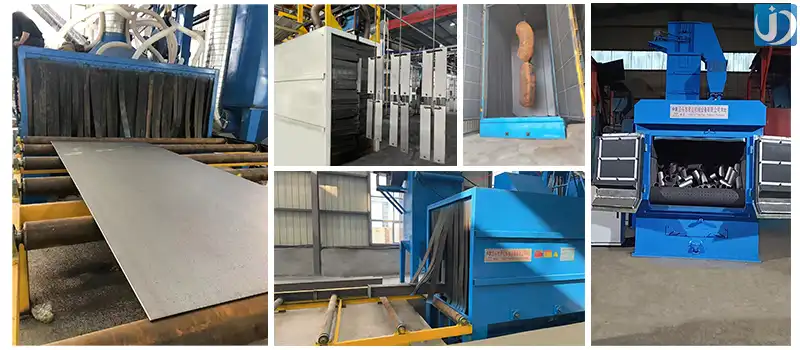
Wheels that spin very quickly push steel shot or cut wire against the plate's surface during shot blasting. Kinetic energy moves rust, mill scale, and weld spatter around, leaving the metal surface flat. After being picked up, the rough materials are cleaned up and put back into the blast circuit. This makes a closed-loop system that keeps costs stable and cuts down on waste.
What Sandblasting Actually Does
Abrasive blasting with compressed air is another name for sandblasting. It hits the surface with silica sand, garnet, or coal slag. The person using it can either open and close it by hand or let it open and close itself in part. This method works for both odd-shaped pieces and small batches, but it only needs one pass because it makes a lot of dirty dust that OSHA and EPA rules say must be thrown away carefully.
Key Structural Differences at a Glance
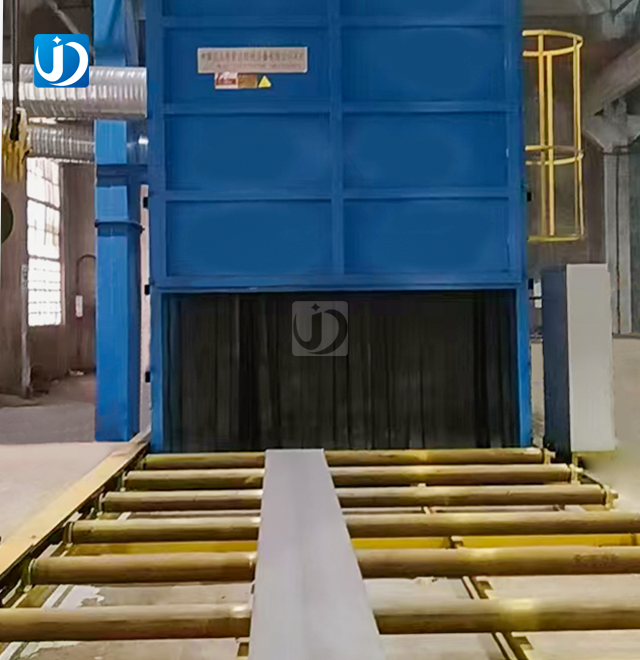
The change is not just the type of media, but also the way the whole process is set up. It is built into a roller conveyor line that can keep taking in plates at speeds between 3 and 28 t/h. Sandblasting is still done by hand or with the help of a machine. This difference helps you figure out which way will give you the best output, footprint, and long-term prices.

Benefits and Limitations: Shot Blasting vs. Sandblasting for Steel PlatesWhere Shot Blasting Wins
These are some of the main reasons why shot blasting is the best way for industry production lines:
- Abrasive recycling: Steel shot is collected, sorted, and used over and over again, which lowers the cost of consumables compared to sand that is only used once.
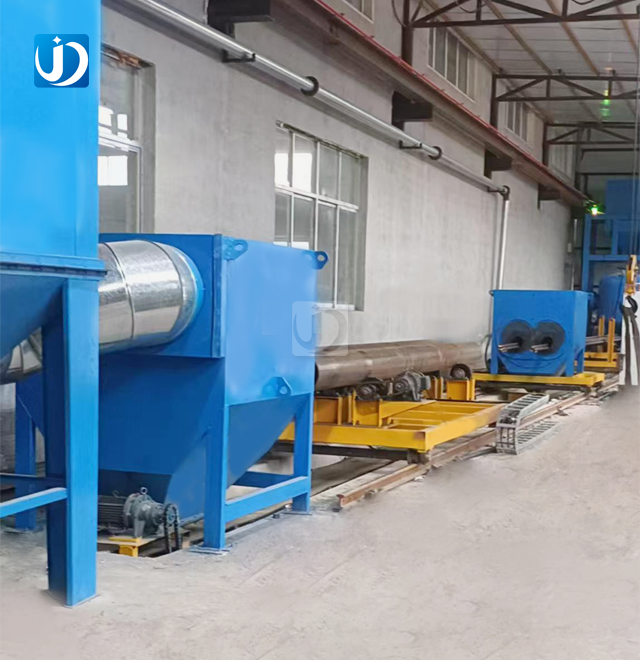
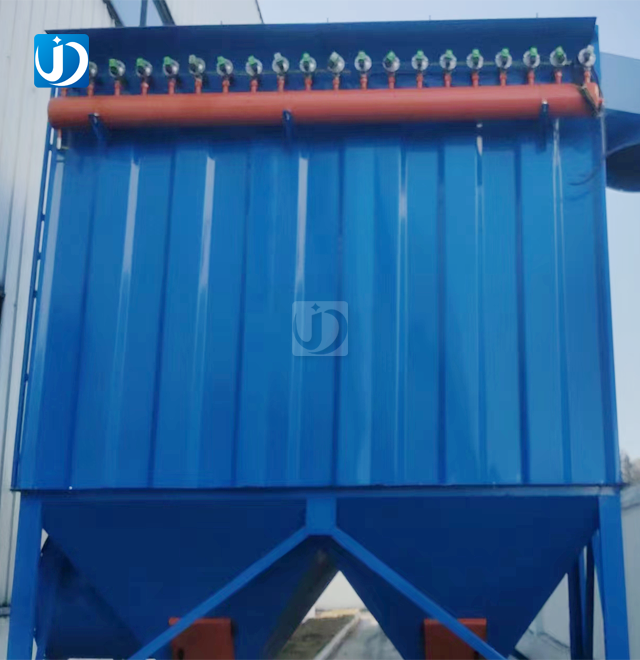
- Closed dust system: A high-efficiency cartridge dust collector connected to the blast chamber keeps particulate emissions within legal limits without the need for extra ventilation.
- Cleanliness grade that stays the same: the automated sets for the conveyor speed and wheel power make sure that every plate gets the same Sa 2.0–Sa 2.5 grade, so there is no room for error from the user.
- Integration with painting lines further down the line: PLC-controlled conveyor sequence can match the time at which the plates are removed with the speed at which a primer or paint line enters.
Where Sandblasting Still Has a Role
Sandblasting is justified when a roller conveyor line cannot be used. It is nevertheless suitable for field repairs, on-site maintenance, and sophisticated components that cannot pass through a blast chamber. Sandblasting equipment may be deployed to bridge repair sites or offshore buildings when the workpiece cannot be transported. Sandblasting also allows for abrasive choices that a fixed shot blasting line may not: fine garnet for thin-film primers and coarse coal slag for heavy-duty coatings. This versatility may outweigh the efficiency benefits of an automated line for small quantities, one-off fabrications, or mixed-material tasks.
However, these advantages have drawbacks. Many enterprises use garnet or steel grit despite greater abrasive prices because silica dust is a health risk. Sandblasting requires single-use abrasives, thus consumable costs add up rapidly. Repeatability is problematic since operator expertise and workplace cleanliness affect Sa 2.5 grade throughout a manufacturing batch.
Total Cost of Ownership
The overall cost of steel plate surface treatment goes beyond equipment procurement. Shot blasting lines' key costs include abrasive consumption, blast wheel and conveyor drive power, dust collector maintenance, replacement parts, and supervision and regular servicing personnel. Closed-loop steel shot recovery, classification, and reuse reduces abrasive consumption per ton of steel treated compared to single-use sandblasting media. The enclosed dust system cuts ventilation engineering, waste disposal, and regulatory compliance expenses. To balance continuing savings, consider the larger upfront capital expenditure and floor space needed for a roller conveyor system (usually 600-1,500 m²).
The initial equipment cost is cheaper and the setup is more flexible for sandblasting, but the running economics vary greatly. Per-job abrasive media consumption, increased labor needs, and operator competence and working circumstances affect productivity. Environmental compliance and workplace safety, especially silica dust restrictions, increase expenses. Over a multi-year production horizon, shot blasting is cheaper per ton of properly prepared steel for high-volume, repetitive industrial operations than sandblasting for low-volume, mobile, or geometrically limited applications.
Performance and Technical Specifications for Steel Plate Shot Blasting
Key Technical Parameters
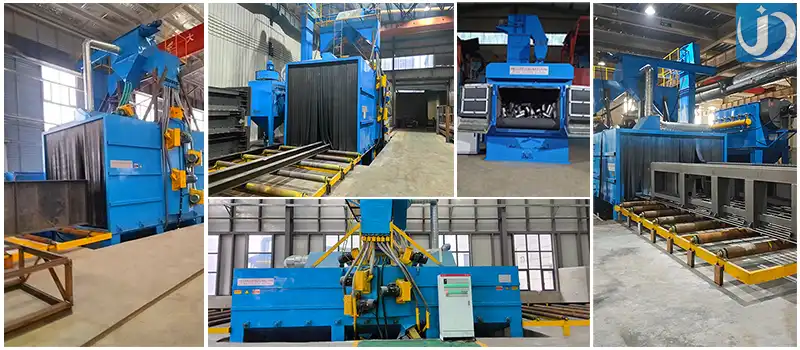
A steel plate shot blasting line on a roller conveyor usually has blast wheels with 45 to 220 kW of power and 65 to 85 m/s of blast speed. Custom-built machines can have plate widths from 1.5 m to 5 m, and the line can handle 3 to 28 t/h, depending on the thickness of the plate and the level of cleanliness that is needed. The surface roughness (Rz) usually drops to between 40 and 80 µm after blasting. This is the right level for most industrial finishing systems' anchor profile.
Quality Standards That Apply
Four steps are used to make sure that the steel plates that have been shot-blasted are all good. To begin, ISO 8501-1 visual comparators are used to check if the surface is clean. The second step is to measure the surface profile with a digital profilometer or Testex replica tape. Third, ISO 8502-3 says that pressure-sensitive tape is used to check the level of dust. The fourth step is to use the Bresle method to check for soluble chloride pollution. For marine-grade uses, the results must be less than 20 mg/m². These steps are what SSPC-SP10 (Near-White Blast Cleaning) calls for.
Coating Adhesion and Corrosion Resistance
When you shot blast something, you add a layer of compressed stress that helps it last longer and break less often from stress rust. When shot blasting is done right, one pass through a line gets rid of both free scale and scale that sticks to hot-rolled plates, wide-flange H-beams, and construction plates. Coatings can then stick to this surface at the molecular level instead of just sitting on top of it.
Choosing the Right Steel Plate Surface Treatment for Your Business
Decision Criteria to Work Through
Before choosing one method over the other for steel plate shot blasting treatment, your team should think about four things: the amount of material that needs to be processed each year, the needs of the coating system in terms of cleanliness and roughness grade, the facility's floor space (roller conveyor lines usually need 600–1,500 m²), and the local environmental laws.
Procurement Considerations for Shot Blasting Lines
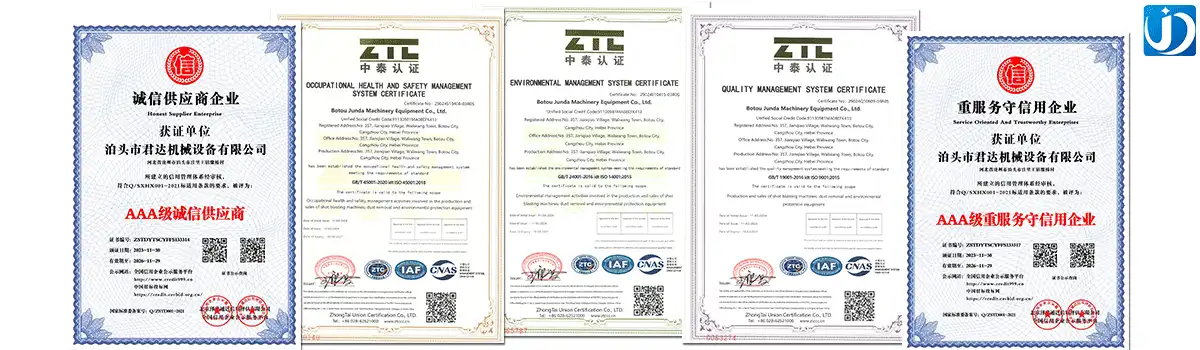
Looking for a shot blasting line outside of Europe? Look for suppliers who can provide you with CE certification and ISO 9001 paperwork, as well as a custom roller width configuration, a verified production video, and inspection reports from a third party. Besides that, they should be able to handle the whole export process, including starting up the machine on-site. In most cases, it takes 45 days to make, 30 days to ship by boat, and 30 to 60 days to put in the country of origin.
Sourcing Locally vs. Internationally
You can save a lot of money by buying capital equipment from well-known companies in other countries. It's best to buy from companies that have been exporting for at least 20 years and have technical support teams that speak more than one language. The main risks that can be managed if the supplier has clear export and after-sales procedures in place are voltage compatibility, availability of spare parts, and commissioning on-site.
Future Trends and Eco-Friendly Practices in Steel Plate Shot BlastingAutomation and Digital Control
PLCs are used in modern shot blasting lines to make them smart. These systems keep an eye on the speed of the conveyor, the flow rate of abrasive, and the current going through the wheel motors all the time. With private systems like Junda Machinery's shot blasting machine Data Acquisition and Analysis System, workers can check on the health of their tools, plan preventative maintenance, and keep track of surface treatment to make sure the quality of the work.
Greener Abrasive Media and Dust Management
Silicosis is not a risk with steel shot and steel grit because they don't make free silica. The amount of dust that modern lines release is much less than what the EPA and EU health rules for the workplace allow. This is because they use cartridge dust collectors that are very good at getting rid of dust—more than 99.9% of it. When abrasives are recycled in a closed loop, they make even less solid waste for every ton of steel they handle.
Alignment with Regulatory Trends
In the US, EU, and Southeast Asia, regulatory bodies are still making it harder for workers to be around silica dust. This change speeds up the move away from open sandblasting and toward closed machinery that rubs away material. If a business switches to enclosed roller conveyor shot blasting now, it won't cost them a lot to make changes in the future when rules about air or dust get stricter.
Conclusion
There is no choice between shot blasting and sandblasting that comes down to personal taste. There is only one choice that affects how well the finish works, how much it costs to run, and how well it meets regulations. Steel plate shot blasting treatment on a roller conveyor keeps the surface clean at 2.5 microns, lets you control the anchor profile, recovers the abrasive in a closed loop, and can be directly connected to coating lines further downstream. These are all clear benefits for making hot-rolled plates, structural steel, and shipbuilding material. Even if you don't want to buy a full line, sandblasting can still be used for small jobs and repairs. Buying teams can make better decisions when they know about these differences and not just guess based on what experts say.
FAQ
What is the difference between shot blasting and sandblasting for steel plates?
Centrifugal wheels move steel abrasives during shot blasting. These can be reused very quickly, and a consistent Sa 2.5 level can be reached in a single automated pass. And for sandblasting, the ability of the person using them is more important than the single-use abrasives. When you need to keep working, shot blasting is faster, cleaner, and better.
How long can a shot-blasted steel plate remain uncoated?
If the temperature and humidity are controlled and the plate has not been coated yet, flash rust will not show up for 4 to 24 hours. People often use a shop filler within two hours of blasting in places that get a lot of rain or are near the water.
Does shot blasting remove measurable steel thickness?
The building block doesn't get any bigger or smaller because only microns of material are taken away. That being said, the anchor shape that was made makes a lot more surface area that coats can stick to.
What cleanliness grade do most industrial projects require?
An ISO 8501-1 standard called "Near-White Metal" is followed by about 90% of industrial coating uses, such as on ships, bridges, and pressure vessels.
Can a shot blasting line handle different plate widths?
Standard setups can handle plate widths of 1.5 to 3.5 m, and roller conveyor widths of up to 5 m can be made to order for big plates used in shipbuilding or on bridges.
Get a Custom Steel Plate Shot Blasting Treatment Solution from Junda Machinery
In Southeast Asia, South Asia, and other places, Junda Machinery has developed and sent shot blasting lines to ships, steel mills, and service centers for twenty years. For steel plate shot blasting treatments, you can count on our trusted company. We offer roller conveyor lines with speeds from 3 to 28 t/h, special widths of up to 5 m, full CE/ISO paperwork, and full on-site installation support. Right now, go to jundablast.com or email our engineering team at junda001@jundablast.com to get more information and a price that fits your needs.
References
1. Surface and Coatings Technology — Elsevier, 2019.
2. ISO 8501-1: Preparation of Steel Substrates Before Application of Paints and Related Products — International Organization for Standardization, 2007.
3. SSPC-SP10 / NACE No. 2: Near-White Metal Blast Cleaning — Society for Protective Coatings, 2020.
4. ISO 8502-3: Tests for the Assessment of Surface Cleanliness — Part 3: Assessment of Dust on Steel Surfaces Prepared for Painting — International Organization for Standardization, 1992.
5. Corrosion Science — Elsevier, 2021.
6. OSHA Technical Manual, Section III, Chapter 3: Surface Preparation and Protective Coatings — U.S. Department of Labor, Occupational Safety and Health Administration, 2018.

USER EVALUATE
Real feedback and practical experience shared by worldwide partners who purchased our machinery and environmental treatment devices.