What Materials Can a Shot Blasting Unit Process?
A shot blasting unit processes a wide range of materials, including ferrous metals like carbon steel and cast iron, non-ferrous metals such as aluminum and copper alloys, and engineered composites. The unit removes rust, mill scale, and old coats by spinning abrasive media at high speed through centrifugal blast wheels. At the same time, compressive stress strengthens the surface layers. It can process between 80 and 600 parts per hour per module, which makes it a good choice for small castings, fasteners, automotive parts, and parts that need to have consistent surface profiles.
How a Shot Blasting Unit Actually Works
Before we talk about materials, it's good to know how things work. You can tell if a piece of work will fit the machine better if you know how it works.
Core Components and Their Roles
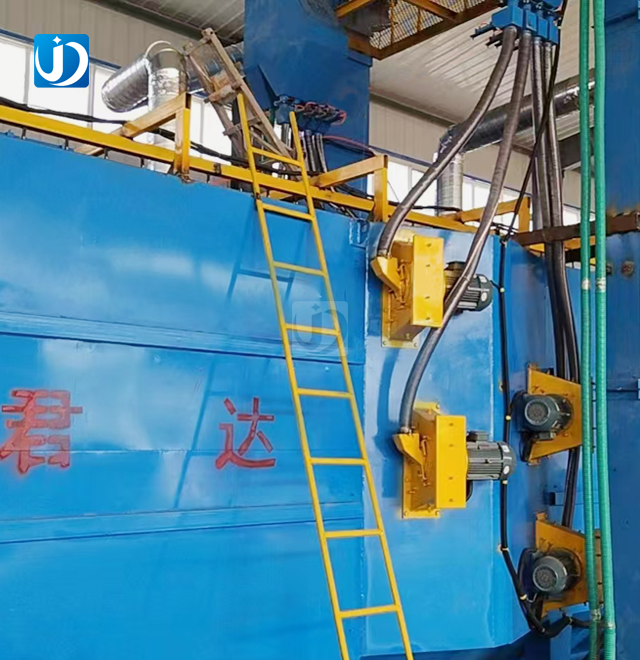
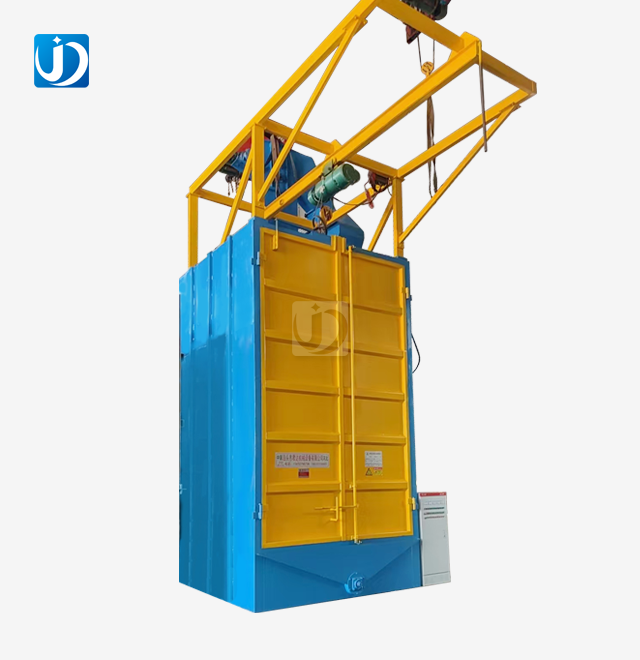
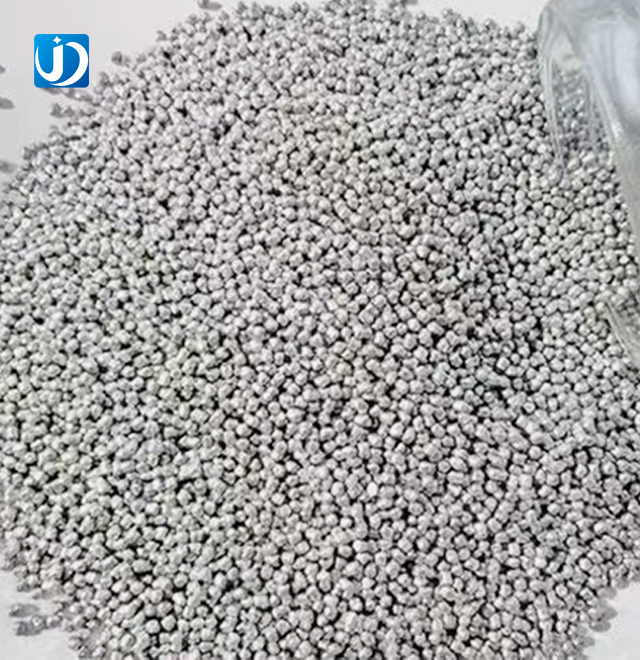
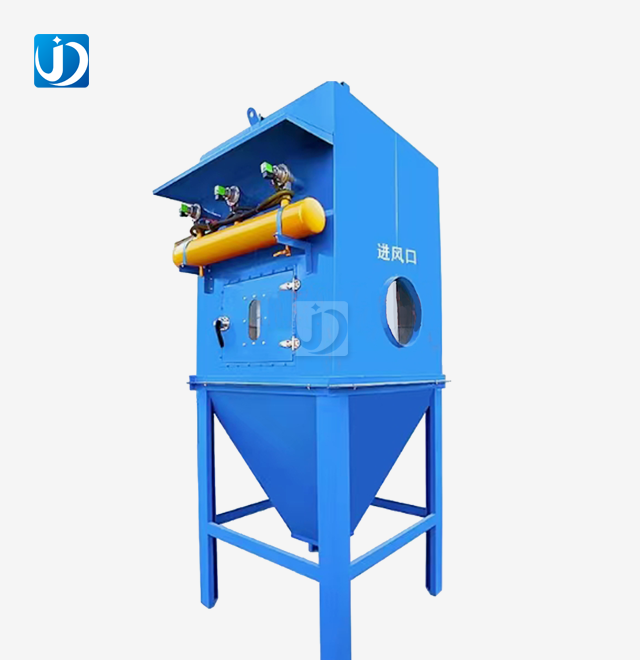
A standard shot blasting unit has a blast chamber, one or more high-speed turbine wheels, an abrasive recirculation lift, a magnetic separator, and a cartridge-type dust collection. The turbine wheel speeds up the steel shot or grit to 60 to 80 meters per second. There is kinetic energy that gets rid of dirt.
Shot Blasting vs. Shot Peening vs. Sandblasting
Shot blasting is mostly used to get rid of scale and clean surfaces. Shot peening is similar to hammering but not the same thing. It uses controlled pressure to create compressive residual stress that keeps something from wearing out. For big jobs, a wheel-driven shot blasting unit is faster and uses less energy than sandblasting, which uses compressed air and silica or garnet media.
Why Inline Integration Matters?
Junda Machinery makes modular shot blasting units that are designed to fit right into assembly lines. Each module can connect to existing robotic cells and conveyor systems without extra wiring. This is important because surface cleaning goes from being a slow standalone step to a fixed-takt inline process.
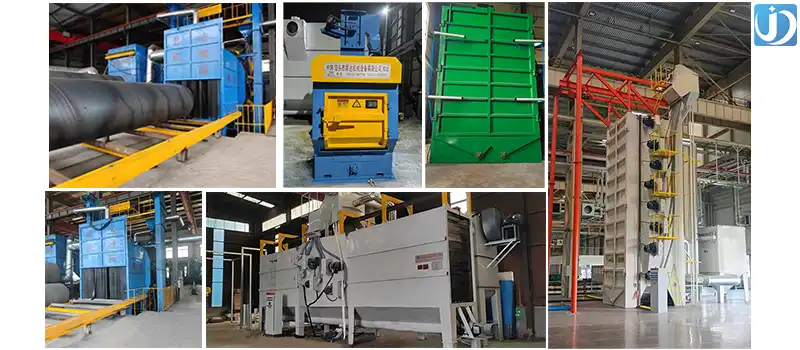

What Types of Materials Can a Shot Blasting Unit Process?
There are more items on the list than most buyers would expect. This list shows what the gear can do well and where you should be careful.
Ferrous Metals: Steel, Cast Iron, and Alloy Steel
Carbon steel, alloy steel, and grey cast iron are the best things to grit blast. Rust grades can be taken care of with a box on wheels. ISO 8501-1 says that grades A through D have a surface cleanliness of 2.5 or 3.0. Car gearbox housings, brake discs, and suspension joints are all in this group. In Junda's enclosed modular shot blasting unit, up to 600 steel parts can be worked on in an hour. This number changes based on the shape of the part and the number of blast wheels that are in use.
Non-Ferrous Metals: Aluminum, Copper, and Zinc Alloys
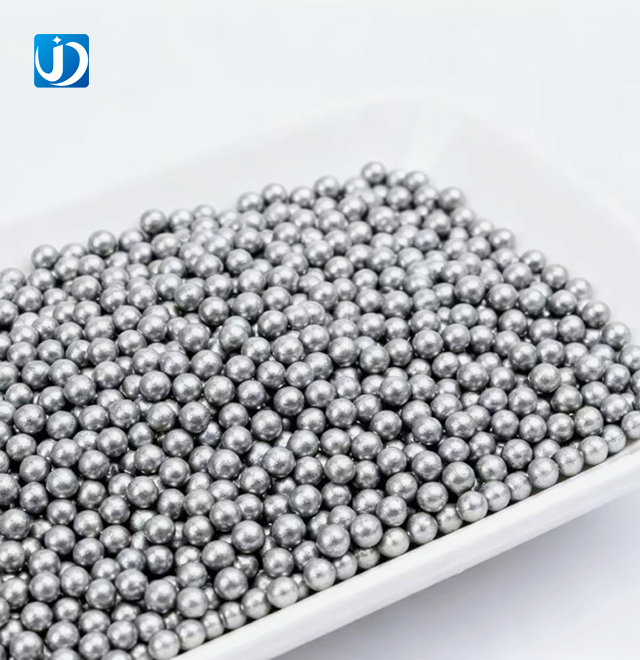
For their surfaces not to change shape, aluminium and copper alloys need less impact energy. To do the right thing, slow down the wheel and use lighter abrasives, such as stainless steel shot or glass beads. Dies cast from aluminium work well with this new method and are common in electric vehicle drivetrains. Zinc die casts are often used to make fasteners and brackets. They can be treated with light abrasives as long as the conditions don't go beyond the material's yield level.
Non-Metal and Composite Surfaces
Steel grit can be used to blast concrete floors and precast walls with a lot of force to get them ready for coatings in building projects. Glass surfaces can be carved to look nice or do something useful by applying controlled pressure to fine glass beads. It is important to check the type of abrasive, the size of the particles, and the dwell time before production runs begin because carbon fibre reinforced polymers are more fragile. Ask for a sample test if you're not sure. People who work on tech for Junda can set one up for you.
Material Limitations to Know
Most of the time, wheel-type shot blasting is not a good idea for ceramics that are easy to break, plastic housings with thin walls, and materials that don't like heat. It is also possible for soft metal parts with walls less than 1.5 mm thick to change shape. In this case, you might want to look into other choices, like mechanical descaling or laser cleaning.
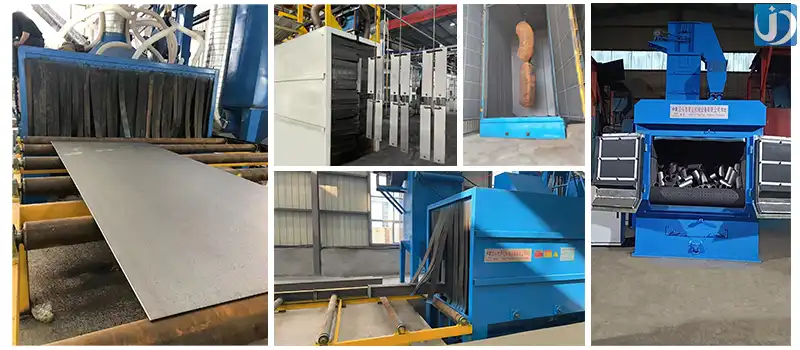
Choosing the Right Configuration for Your Material
If you set up a machine wrong, you'll waste money and mess up your plans for output. These tips will help you pick the right thing.
These configuration factors are what make a difference in how well two materials work together:
- Number of wheels and where they are placed: Junda's enclosed units have top, side, and bottom wheel arrangements that cover all 360 degrees of complex shapes like bearing races and stepped shafts.
- Motor power range: Units range from 7.5 kW to 55 kW per module, so they can be used for prototype runs of just a few items or production goals of 600 items per hour.
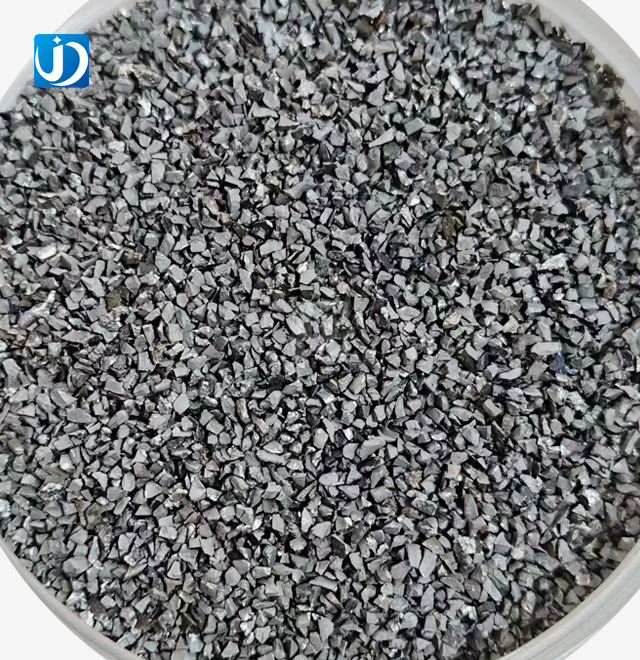
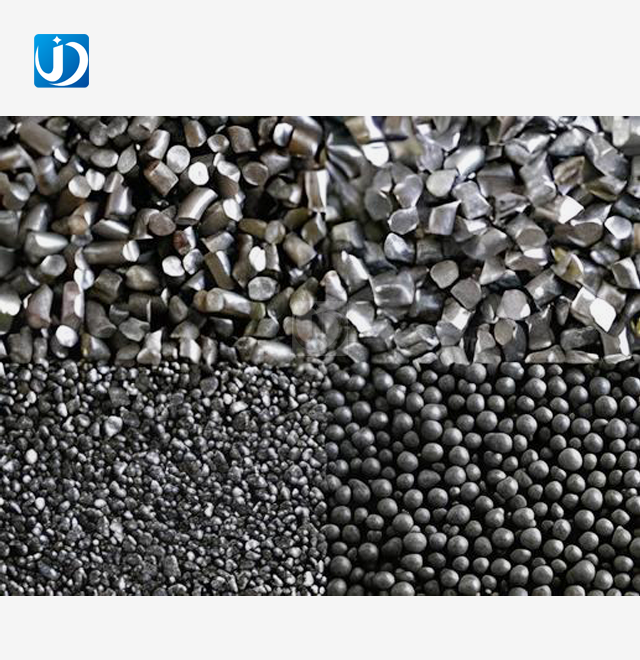
- Abrasive media: Steel shot makes a finish that is peened. Steel grit makes the shape of an anchor sharp. Aluminium gets a satin finish from glass bits that don't change its size.
- Control integration: Because it works with both Profinet and EtherCAT, the unit can sync directly with current line PLCs, so there is no need to switch between process steps by hand.
You need to know the part's material, its aim surface profile (Ra or Rz), and its line takt time in order to choose the best mix of these factors for a shot blasting unit. In the technical review that comes before the sale, Junda's application experts go over this mapping with customers. Most of the time, they answer technical questions in six to eight hours.
Your production line will either meet its takt time goals or get stuck between the coating and cutting processes if you make these design choices.
Maintenance and Safety for Multi-Material Operations
The person using the unit and the thing being worked on are both safe when the unit is well taken care of. If you don't do regular checks, you might get surface rejects and downtime before you planned it.
Abrasive Media Management
Make sure to check the media mix amount every week. A good mix has about 40% whole shot, 30% half-shot, and 30% fines by weight. Too many fines make the dust catcher work harder and take longer to clean. Broken pieces of media are thrown away by magnetic separators before they go back into the blast wheel. As long as it is regularly fixed, this means the blade will last longer than the usual 200–1,000 hours.
Operator Protection Protocols
Blaster rooms with lids keep dust at the source inside, but N95 or P100 masks should still be worn by workers when they load media or do maintenance. The wheels can't move when the access panels are open because the interlocked door switches are closed. Junda sells complete paperwork packages for equipment that have to meet IATF 16949 standards. These packages include safety data sheets and repair logs.
Troubleshooting Common Issues
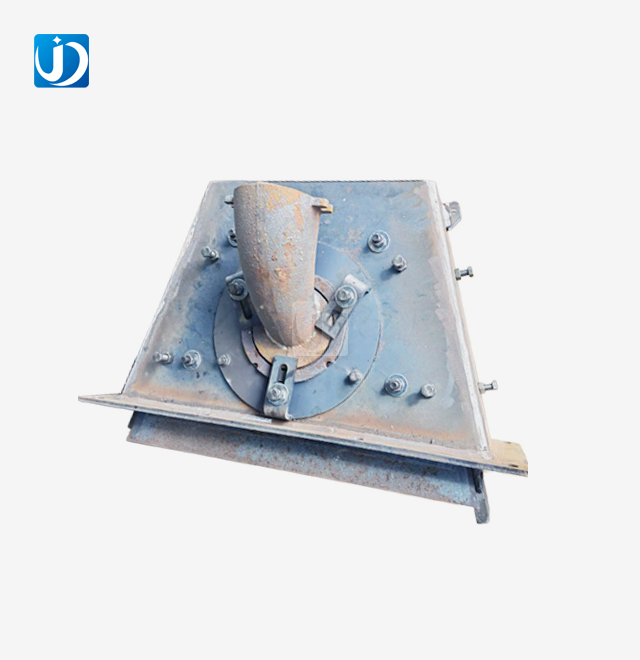
Ashes are building up in the recirculation elevator, which means that the feed tube or bucket is worn out or not lined up right. If the blast patterns on the workpiece are not even, it means that the control cage is not lined up correctly. The solution is to change the release angle and fix the hot spot by turning the cage window. If the speed slows down, it's likely because the drive belt or impeller disc is worn out. Both of these are easy to fix with common parts, which is good news.
Real-World Applications Across Industries
Three real-life production situations show how the type of material changes how the tools are set up.
If you want to put phosphate on steel gearbox gears that are used to power cars, you need to clean them with Sa 2.5 first. The cost of surface treatment for each part was cut by more than 30% for a Korean Tier-1 supplier when they switched to a four-wheel enclosed blasting unit that could handle 180 pieces per hour. It also met the IATF 16949 tracking standards that the OEM user set.
Roller conveyor blasting systems are used in building to break up up to five-meter-long slabs of concrete. So, this is how the anchor profile for solid epoxy coatings is made. This method is used instead of acid etching, so you won't have to deal with chemical waste and will spend a lot less time getting the floor ready.
Glass bead media was used to polish aluminium airframe brackets at slower wheel speeds so they could get the minimum Ra 1.6 µm finish without losing any of their shape. After polishing each batch by hand, this was not possible.
Conclusion
When the material, media, and machine configuration are all right, a shot blasting unit can be a useful tool for treating surfaces. Most of the time, ferrous metals can be used. To protect the structure of the part, aluminium alloys and plastics need to have their parameters changed. Inline modular units with open PLC interfaces make things run more smoothly on production lines that do blasting by hand or with outside help. Surface treatment costs can go down with a properly set up blasting module, and throughput and process consistency can go up in a facility that works with car parts, fasteners, bearings, or small castings.
FAQ
Can a shot blasting unit process thin-walled aluminum parts without distortion?
Yes, as long as you set it up right. Slow down the wheel, switch to glass beads or stainless steel shot, and cut down on the rest time. If the wall thickness is less than 1.5 mm, it needs to be tested to make sure there is no change in size.
What abrasive media works best for cast iron engine components?
Usually, steel grit between the sizes of G25 and G40 can get the Sa 2.5 shine that is needed before painting or coating cast iron parts. It can do this without leaving behind the contamination that finer media can.
How do I know if my production line takt time matches a given module's throughput?
Tell the supplier's application team about the shape of the part, the material, and the cycle time you want it to take. Before a buy is made, Junda's experts figure out a matched configuration and check throughput numbers.
Does IATF 16949 compliance require specific documentation from the equipment supplier?
Yes. IATF 16949 buyers need FAI reports, info on what the equipment can do, and records of its repair. Junda provides a complete set of documents that meets these needs.
What is the typical blade replacement interval?
Between 200 and 1,000 hours of use, based on whether you use steel shot or steel grit. Blades wear out faster when they are dirty. To keep the rotational balance, replace the whole set of blades at the same time.
Get a Custom Shot Blasting Unit Configuration from Junda Machinery
Junda Machinery has been making shot blasting units for casting, automotive, and fastener production lines for 20 years. Our modular units can connect to Profinet, EtherCAT, and Modbus. They ship in about 15 days for standard setups and come with full IATF 16949 paperwork. Clients who buy in bulk or as OEMs get private-label options and dedicated application engineering support. You can email our team at junda001@jundablast.com or go to jundablast.com to get a technical specification sheet and start reviewing your setup right away.
References
1. Schulze, V. Modern Mechanical Surface Treatment: States, Stability, Effects and Correlations. Wiley-VCH, 2006.
2. Society of Automotive Engineers. SAE J2277: Shot Peening Coverage. SAE International, 2009.
3. SSPC: The Society for Protective Coatings. SSPC-SP 6/NACE No. 3: Commercial Blast Cleaning. SSPC, 2007.
4. ISO. ISO 8501-1: Preparation of Steel Substrates Before Application of Paints and Related Products. International Organization for Standardization, 2007.
5. Blakey, S., & Sullivan, J. "Abrasive Blasting Media Performance and Selection." Journal of Surface Engineering, 2011.
6. American Foundry Society. Casting Surface Quality Standards and Blast Cleaning Practice. AFS, 2015.

USER EVALUATE
Real feedback and practical experience shared by worldwide partners who purchased our machinery and environmental treatment devices.