Key Factors to Consider When Selecting a Pipe Shot Blasting Machine
Your pipe surface preparation line will meet Sa 2.5 cleaning on the first try if you use the right pipe air blasting machine. If not, you will need to do more work. Lines that are productive are different from lines that are slow because of things like pipe diameters, cleanliness standards, throughput, dust control, automation, overall cost, and the dependability of the supplier. We used information from anti-corrosion contractors in Vietnam, Malaysia, and Hebei Province, as well as records from over 40 pipe blasting operations, to make the following comparisons. You'll know what specs to set before getting bids by the end.
What Is a Pipe Shot Blasting Machine? — Definition and Scope
Pipe Shot Blasting Machine Definition
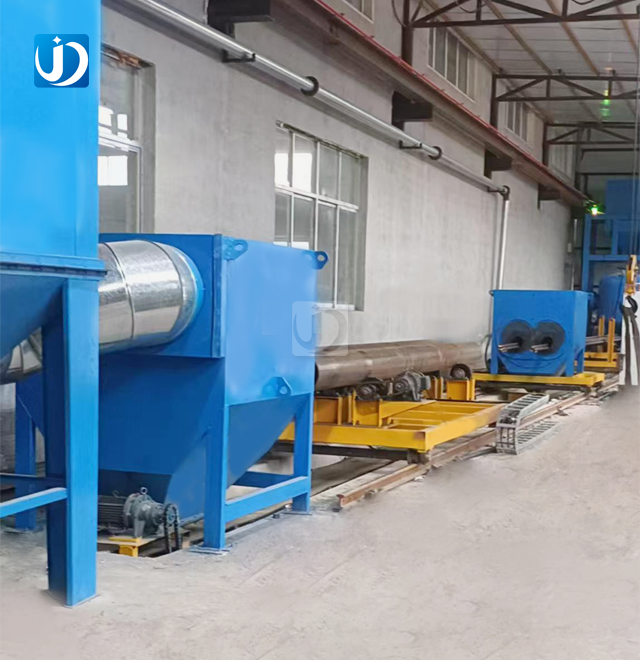
Pipe shot blasting and pipe air blasting machines both clean the surface before coating it, but they do so with different amounts of force. A motor-driven wheel throws abrasive during shot blasting, which makes sure that steel pipes are straight. Abrasive is pushed through holes by compressed air. This method works better for holes inside the pipe, tight turns, and pipes with walls that are different sizes. "Pipe blast cleaning" includes both of these methods plus different types of wet and air blasting in places with little noise or dust.
What a Pipe Air Blasting Machine Is—and Is Not
People who are buying things sometimes mix up pipe blasting equipment with cleaning tools. This makes the wrong equipment specs when it is bought. To be clear, a high-pressure water jetting unit is not the same thing as a pipe air blasting machine. In water systems, solid rough contact is replaced by liquid pressure. You have to wait for this to dry before you can coat the surface. Some examples don't include a general parts-cleaning cabinet that doesn't have pipe-handling rollers, a wire-brush or rolling machine that only removes loose scale and doesn't make an anchor profile, or a coating spray booth that puts on material instead of removing it.
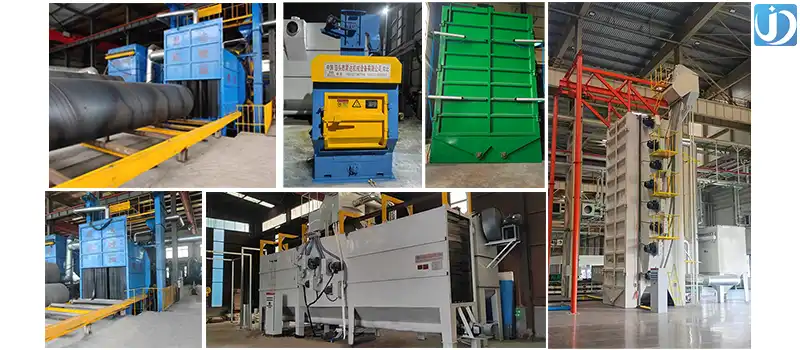
Factor 1: Pipe Diameter, Length, and Wall ThicknessPipe Length, Weight, and Handling Method
Long pipes need more than one support during the blast to keep the spread even and stop the spray from being too harsh and bouncing back. For gas and oil, 12-meter pipes weigh more than 6-meter pipes. Your biggest piece must fit on the rollers, up and down the lift, and in the loading area. Junda Machinery has 6-meter frames that can be bent to fit 12-meter extended-bed plans with big pipes.
Wall Thickness and Substrate Sensitivity
Heavy carbon steel line pipe grit can damage thin-wall stainless tube when shot blasted with a pipe air blasting machine. It doesn't matter how thick the walls are when you use shot blasting pipes. When it's okay to blast, you should think about the width of the wall, the roughness of the surface, the state of the coating, and the peak depth of the anchor profile.
Factor 2: Required Surface Cleanliness Standard
Surface Cleanliness Grades and Visual Acceptance
The 1988 ISO 8501-1, confirmed in subsequent editions, list blast-cleaned steel visual grades from Sa 1 to Sa 3. Sa 2.5 is the most used pipe and building coating. NACE and SSPC publish surface prep standards. These rules are used in the Middle East and North America. A lot of project specs include ISO and SSPC grades to make reviewers happy. The final requirement is always set by coating manufacturer data sheets or project engineering blueprints. There is no industry standard that says it.
Surface Profile, Salt, Dust, and Coating Adhesion
The level of stickiness of a layer after a pipe air blasting machine depends on the depth of the profile, the amount of salt and dust that is still there, and not just the grade. After blasting, they check five things: the profile depth of the surface using an ISO 8503 comparator or profile gauge; the amount of dust; the amount of soluble salt contamination measured in micrograms per square centimetre; and flash rust, which can happen in hours in humid coastal places like Vietnam or Indonesia. Contractor project managers in three Southeast Asian markets were surveyed by Junda Machinery in 2024.
Factor 3: Throughput and Line Integration
Capacity and Cycle-Time Calculations
Ask each supplier for the number of pipes processed per hour, the area of surface treated in square meters per hour, the average blast time per pipe, the time to load and unload, the amount of abrasive used per unit length, and the planned downtime for changing wear parts before comparing quotes.
Automatic vs Manual Pipe Blasting Machines
For a pipe air blasting machine, the right level of automation depends more on batch size and repeat volume than on price alone.
| Criteria | Manual or semi-automatic | Automatic |
|---|---|---|
| Initial investment | Lower | Higher |
| Product flexibility | High, suits mixed pipe sizes | Depends on tooling and recipe range |
| Labor requirement | Higher, needs trained operators per shift | Lower, one operator can monitor multiple cycles |
| Repeatability | Depends on operator skill | Consistent across shifts once set |
| Best fit | Workshops and scaffold tube refurbishment | OEM pipe mills and continuous coating lines |
Factor 4: Abrasive Recycling and Dust Control
Abrasive Selection and Compatibility
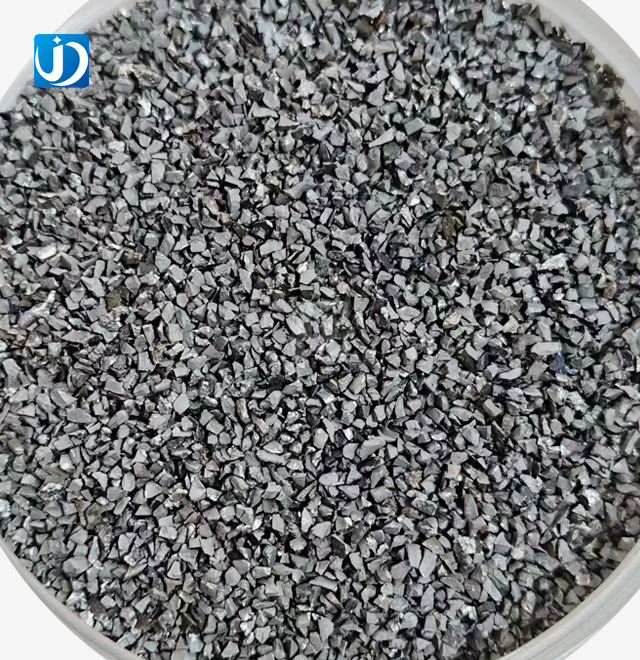
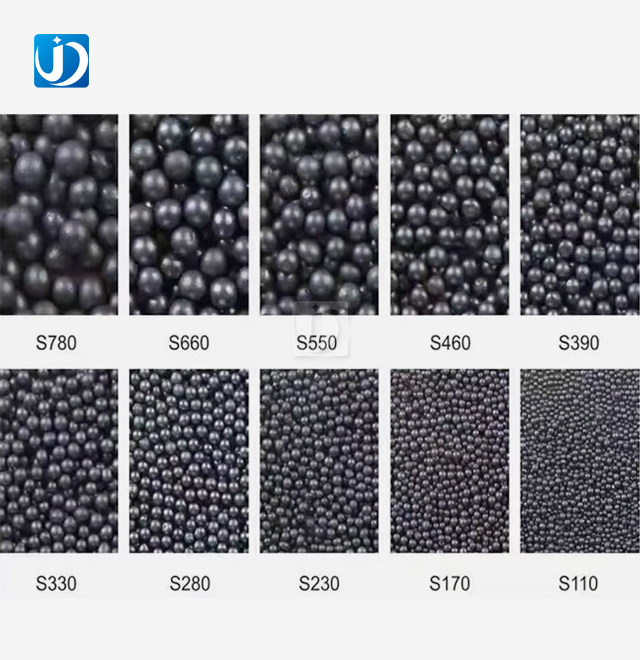
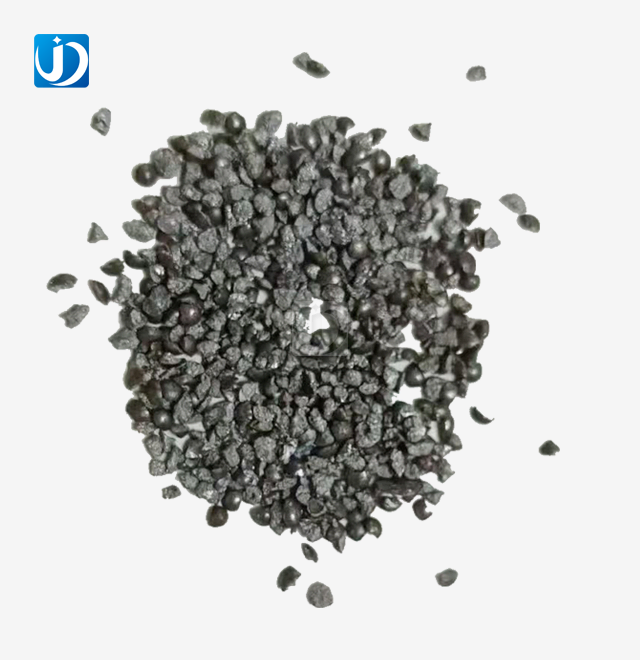
Pipe cleaning expenses depend on the abrasive used. To clean without damaging surfaces, people use round steel shot. The sharper anchor form of steel grit makes it ideal for heavy-duty pipeline coats. Glass beads are good for minor plan alterations because they're smoother than aluminium oxide. The optimal approach depends on the base material, coating profile depth, and recovery system ability to remove worn abrasive from useable material.
Abrasive Recovery and Separation
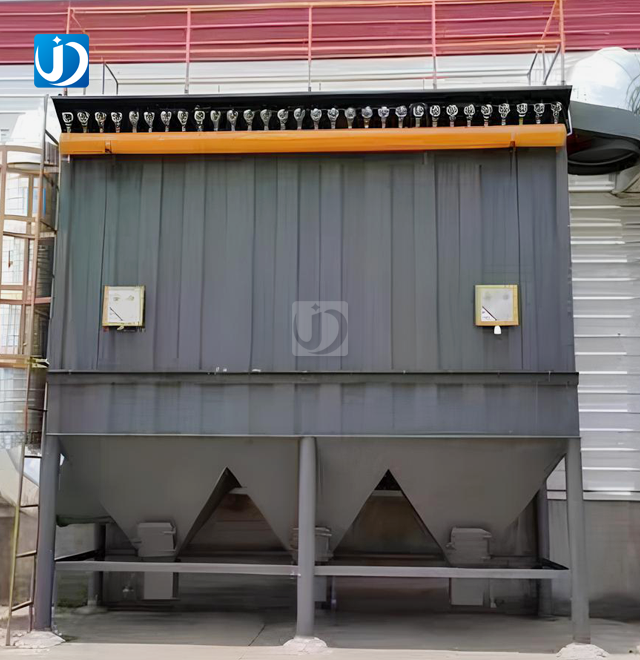
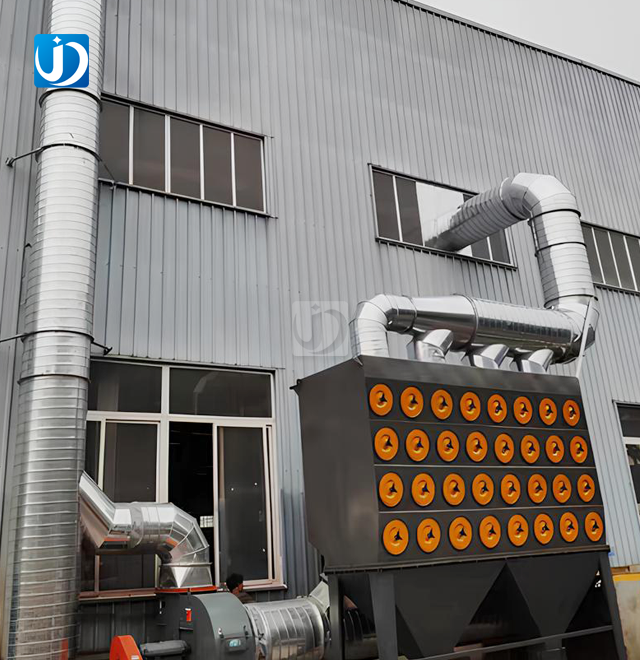
If they can't get the grit back, pipe air blasting machine and shot blasters on wheels lose money very quickly. With separators or a vortex, the abrasive is put in order by how big it is. Sand that can be used is brought back to the bin by a screw conveyor or a bucket lift. Screens and magnets are used to get rid of bits and scale. To keep the flow of abrasive steady over long runs, there is a storage bin that fills up itself.
Factor 5: Automation and Operator Requirements
Controls, Recipes, and Repeatability
People who work with PLC and touch screens can save "recipes" for pipe sizes. It takes less time to set up each batch. Change the air pressure, abrasive flow, and nozzle movement. You can also change the speed of rotation. The machine also keeps track of alarms, changeover notes, and cycle times that are tied to run hours. A problem can be fixed by the service provider without going to the site, but buyers should check their rules on how to keep the network safe.
Compressor and Utility Requirements
A pipe air blasting machine needs constant compressed air. People call Junda Machinery's technical help line a lot because their small compressors aren't cleaned well. Before you place your order, make sure you know the number of cubic meters per minute, the safety buffer, the capacity, the air quality, and moisture limits, as well as the airflow rate for the dust collector. A small compressor makes a machine move more slowly. This might make the cycle go more slowly and leave the area less clean after it's done.
Comparing Air Blasting and Wheel Blasting Options
Pipe Air Blasting Machine vs Shot Blasting Machine
The table below shows where each technology works best.
| Criterion | Pipe air blasting machine | Wheel shot blasting machine |
|---|---|---|
| Abrasive acceleration | Compressed air through a nozzle or lance | Centrifugal blast wheel spinning at high speed |
| Typical strength | Flexibility and internal-bore access | High throughput on external steel pipe |
| Pipe geometry fit | Internal areas, bends, mixed batches | Straight pipe run through a rotating roller line |
| Utility demand | High compressed-air draw | Higher electrical and mechanical load |
| Typical application | Internal cleaning, field repair, small batches | Repetitive external cleaning for pipe mills and coating plants |
Pipe Air Blasting Machine vs Sandblasting Cabinet
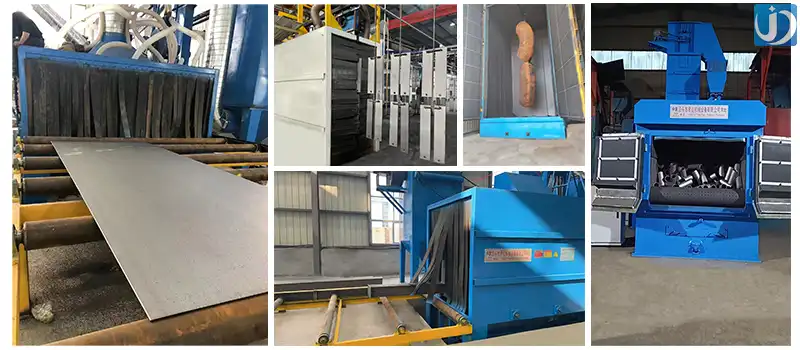
In a normal closet, you can sandblast small things by hand. Most of the time, pipe work takes up more space than a cabinet. The pass-through bed on pipe-specific equipment is usually longer than that on cabinet-scale machines. It also has an internal lance with travel control, the ability to spin the pipe around its circle, continuous-run abrasive recovery, and a bigger area for collecting dust. It's not always possible to get a long pipe through a normal closet because the cycle time is longer when you use a long pipe that is squeezed in.
Conclusion
What tools you need will depend on the tubes' size and cleanliness, the amount you need to make, how easy it is to get inside, the utilities that are available, and any rules or laws that apply to your site. A pipe air blasting machine works well for both small and large jobs. But a pipe shot blasting line on wheels is better for cleaning a lot of straight steel pipes outside. Do not choose the price that is the cheapest; instead, think about what the tests showed and how much it will cost you to own it all together. With the above list and score matrix, it's easier to compare providers since you won't miss anything that could mean more work.
FAQ
What is a pipe air blaster?
Abrasive is blasted through a nozzle by compressed air onto the inside or outside of pipes. It gets rid of rust, mill scale, old coatings, and pollutants before painting, lining, welding, or checking.
How do pipe air blasting machines work?
Abrasive is measured out and pushed through a nozzle or lance by a machine. How well and evenly the surface is cleaned depends on the speed of travel, air pressure, the flow rate of abrasive material, and the movement of the nozzle.
How are shot blasting machines and pipe air blasting machines different?
Shot blasting throws abrasive with a centrifugal wheel, while air blasting employs pneumatic nozzles powered by compressed air. Air systems are more flexible for internal-pipe access, whereas wheel systems clean externally faster.
Before You Send Out Another Quote Request
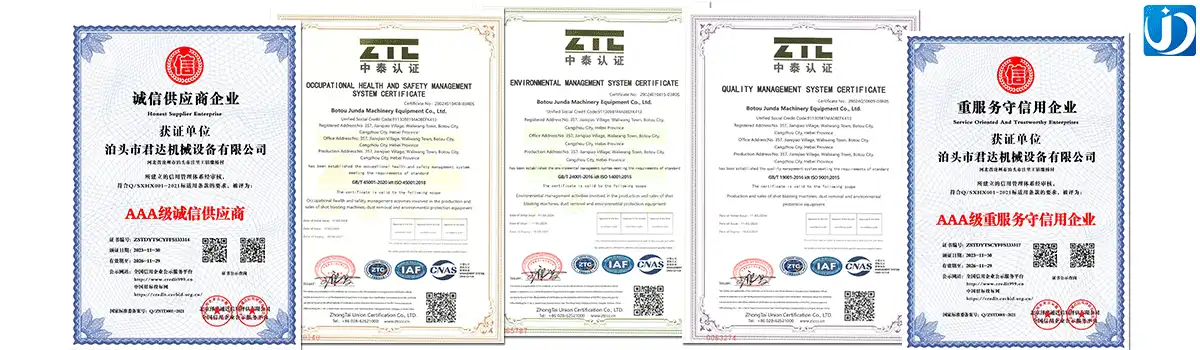
Rework after a failed cleanliness check frequently costs more than the contractor expected. Mismatched machines are usually at blame. Before getting another price, know the pipe OD and ID range, SA grade, daily throughput objective, and compressed air availability. These four factors will determine if a machine will work for your project. As a company that sells pipe air blasting machines and is certified by ISO 9001, ISO 14001, and ISO 45001, Junda Machinery will look over your pipe specification sheet for free. Contact our tech staff at junda001@jundablast.com to review your setup before your next project deadline.
References
1. International Organization for Standardization. (2018). ISO 11124-1: Preparation of Steel Substrates Before Application of Paints and Related Products—Specifications for Metallic Blast-Cleaning Abrasives—Part 1.
2. International Organization for Standardization. (1997). ISO 11126-1: Preparation of Steel Substrates Before Application of Paints and Related Products—Specifications for Non-Metallic Blast-Cleaning Abrasives—Part 1.
3. NACE International and SSPC: The Society for Protective Coatings. (2012). SSPC-SP 10/NACE No. 2: Near-White Metal Blast Cleaning.
4. International Organization for Standardization. (2017). ISO 12944-4: Paints and Varnishes—Corrosion Protection of Steel Structures by Protective Paint Systems—Part 4: Types of Surface and Surface Preparation.
5. NACE International and SSPC: The Society for Protective Coatings. (2012). SSPC-SP 10/NACE No. 2: Near-White Metal Blast Cleaning.
About the Author
James Li is a Surface Preparation Equipment Engineer who has worked on shot blasting and abrasive recovery system design for over a decade, including installations across Southeast Asia and South Asia. He specializes in hook conveyor sizing, dust collection design, and factory acceptance testing for heavy fabrication and casting plants. James works with plant engineers to match machine specifications to real workpiece data rather than catalog defaults.

USER EVALUATE
Real feedback and practical experience shared by worldwide partners who purchased our machinery and environmental treatment devices.