Troubled by local area surface treatment difficulties? Shot blasting device realizes targeted cleaning
If you're dealing with stubborn rust patches, uneven scale, or localized contamination on metal parts, a shot blasting unit may be exactly what your production line needs. Rather than treating an entire component when only a specific area needs attention, targeted blast cleaning technology directs high-velocity abrasive media precisely where the problem exists. This approach reduces material stress, cuts processing time, and delivers repeatable surface profiles that meet standards like SA 2.5 or SA 3.0—critical for coating adhesion and long-term part performance.
Understanding Local Surface Treatment Challenges
Uneven Cleaning and Residual Contaminants
Automobile parts, fasteners, and small castings often have surface issues like rust clusters, mill scale patches, and lubricant residues that are embedded in the metal. When cleaning equipment doesn't have directional control, it's common for clean surfaces next to them to get re-contaminated or over-blasted. This lack of consistency leads to rework cycles that slow down production and raise labor costs, which is a well-known problem for Tier-1 and Tier-2 auto suppliers who have to stick to tight production schedules.
Inconsistent Surface Profiles and Coating Failures
Coating delamination is directly caused by poor surface preparation. NACE International says that poor surface preparation is the cause of more than 80% of coating breakdowns that happen too soon. When a facility works with brake parts or transmission housings, differences in local roughness, even within a single part, can void protection guarantees and lead to expensive field returns.
The Limits of Manual and Chemical Methods
Sandblasting by hand can't be done again and again. Chemical cleaning creates dangerous waste streams that make IATF 16949 compliance paperwork harder to complete. Both methods have trouble meeting the output goals that modern assembly lines need—often 120 pieces or more per hour—while keeping the anchor shapes the same on every part.
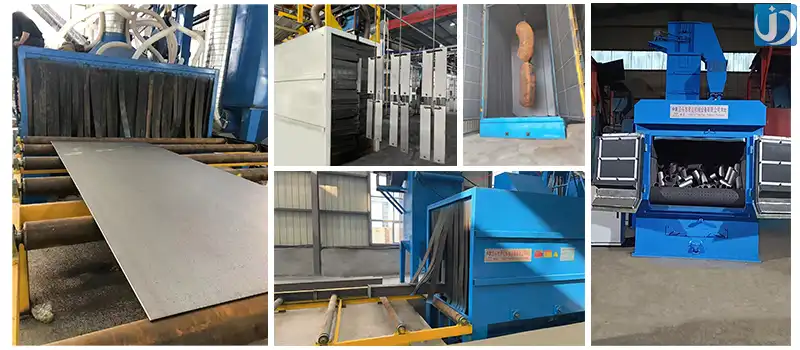

Shot Blasting Units: Principles and Working MechanismHow the Blast Process Works
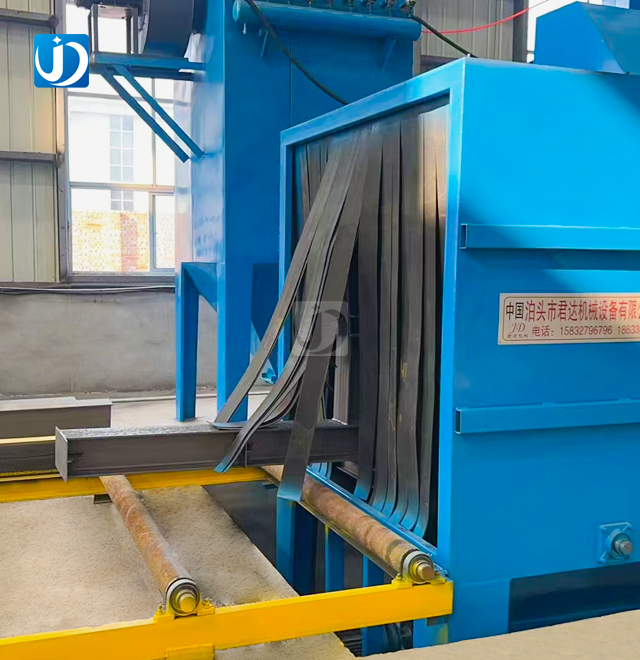
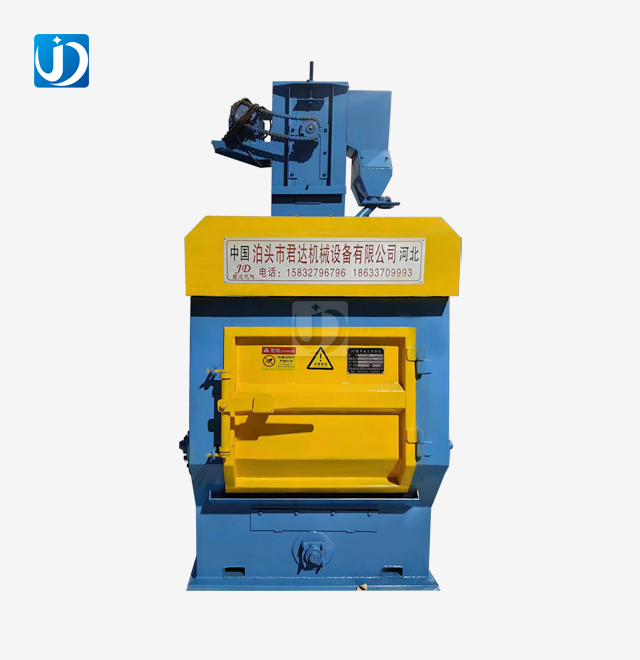
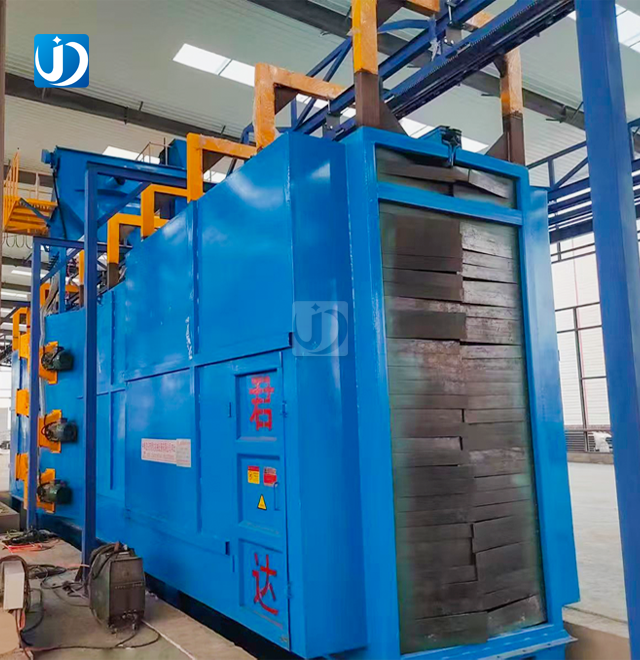
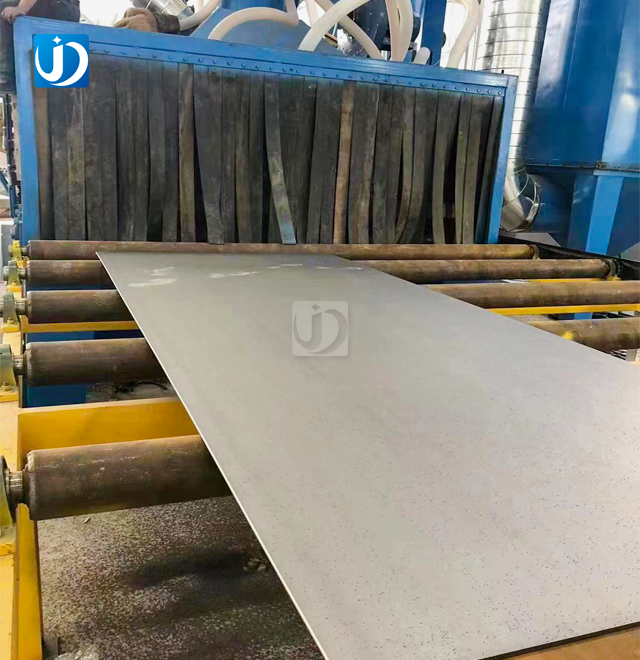
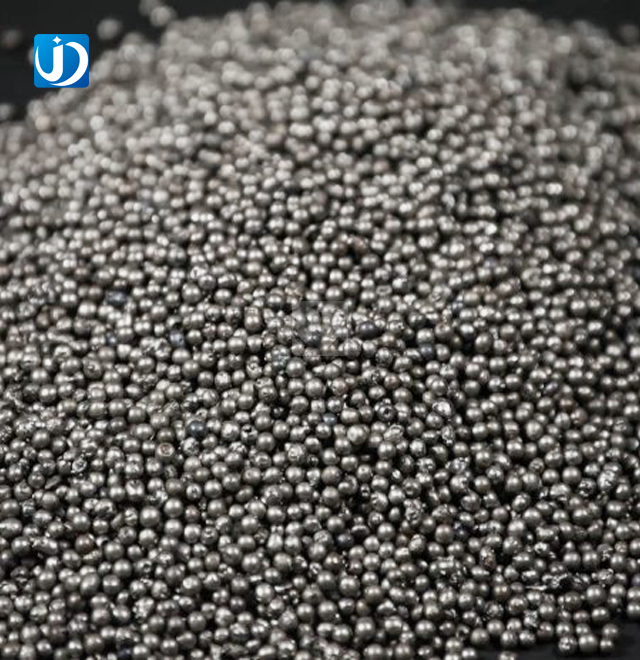
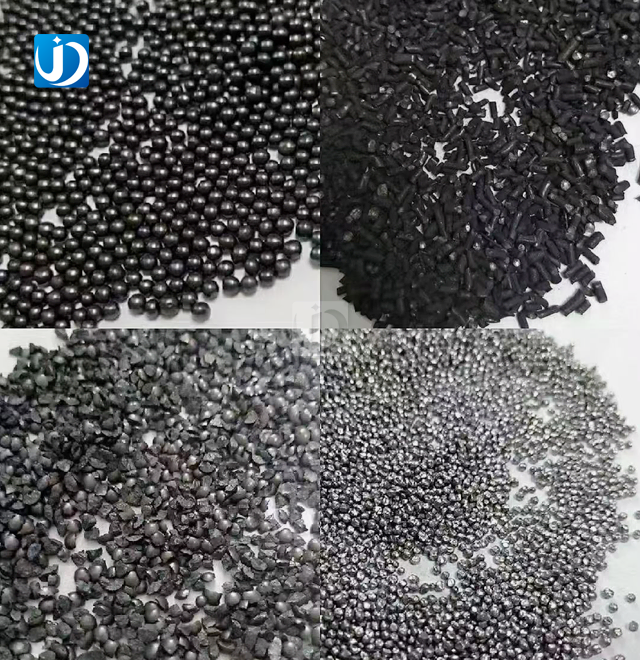
A shot blasting unit sends steel shot or grit through a fast-moving blast wheel. This moves the coarse material onto the target surface at controlled angles. The moving energy of the media removes dirt, scale, and oxides without leaving behind any chemicals. Unlike sandblasting in the open air, sealed blast rooms keep the dust inside the machine.
Key Components and Their Roles
Each module is made up of three working systems that do different things:
- Blast wheel assembly: turns motor power (7.5–55 kW range) into a high-velocity flow of abrasive material. Blade angles can be changed to target specific areas for impact.
- Abrasive recovery and separator: recycles used shot and separates broken media and fine dust, which lowers long-term operating costs.
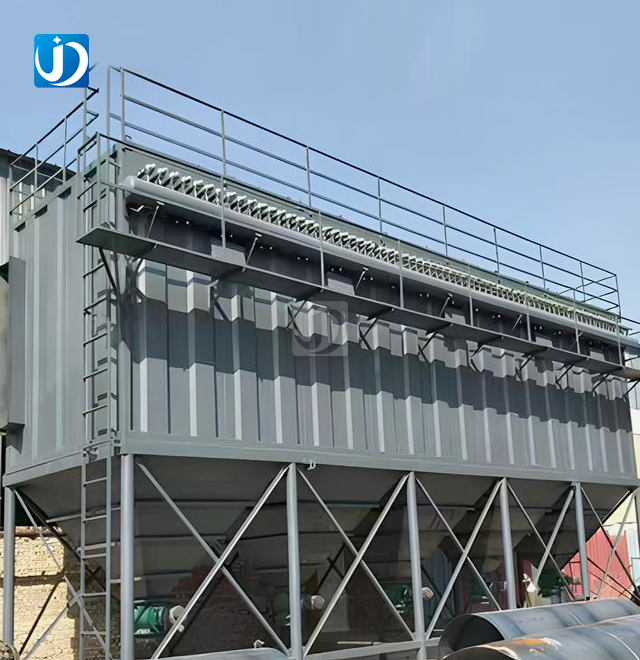
- Dust collection system: traps flying particles inside a closed structure, which helps sites in North America meet EPA and OSHA air quality standards.
All three of these parts work together as a whole. When one is set properly, the others work better, which cuts down on downtime and increases the life of consumables between shifts.
Advantages Over Traditional Methods
Studies have shown that sealed blast cleaning cuts dust exposure by over 90% compared to sandblasting or chemical etching (SSPC Surface Preparation Standards). Modules can handle anywhere from 80 to 600 pieces per hour, based on their setup, which makes them perfect for continuous assembly line integration.
Targeted Cleaning Benefits and Applications
Precision Cleaning for Automotive and Bearing Industries
Targeted blast cleaning is especially useful for cars that need to have zero defects. Localized surface preparation makes things like transmission gears, brake calipers, and bearing races more resistant to fatigue by increasing compressive stress. In published SAE technical papers, shot peening, a process that is very similar, has been shown to increase the fatigue life of gears by 20 to 30 percent.
Multi-Industry Use Cases
The same modular blast cleaning method can be used for things other than cars, like:
- Fastener manufacturing: removing heat treatment scale from batches of bolts without changing their shape.
- Small castings: getting rid of sand inclusions in forging parts before they are machined.
- Steel fabrication: preparing specific weld zones for corrosion-resistant coatings in structural components is part of steel manufacturing.
All of these uses need precise coverage over a large area, which is why an enclosed, directional blast module works better than general-purpose tools in these situations.
Environmental and Regulatory Compliance
When compared to open blasting, enclosed shot blasting units produce a lot less particulate matter in the air. This containment design makes it easier for facilities that follow North American EPA rules or want to get ISO 14001 environmental certification to do so. Reusing abrasive media cuts down on trash that needs to be thrown away, which lowers the overall cost of removal over the life of the equipment.
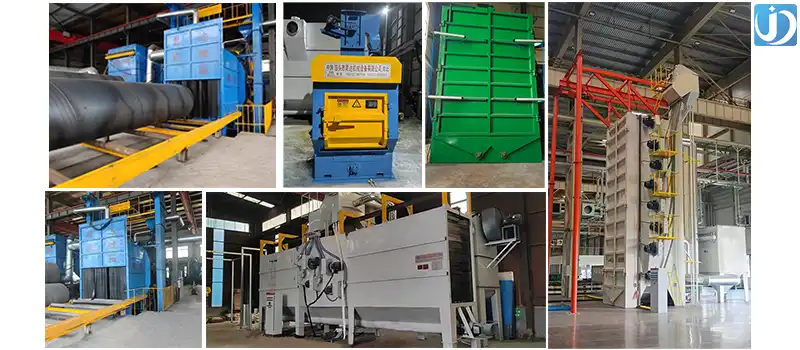
Choosing and Operating the Right Blast Cleaning ModuleMatching Throughput to Line Capacity
Make a map of your current output rhythm before you buy any tools. If your line can only make 120 pieces per hour, your blast module needs to be rated for at least 20% more than that to be able to handle changes without slowing things down. You can change the level of strength without having to buy a whole new machine if you use modular units with blast wheel setups that can be changed.
Automation Level and Interface Compatibility
Communication protocol compatibility is a must for sites with PLC-controlled production lines. Existing SCADA systems can be directly connected to equipment that supports Profinet, EtherCAT, or Modbus protocols. This eliminates the need for human data entry and allows for real-time process tracking. This is especially important for plants that want to get IATF 16949 certification, which requires that all parts have traceability records.
Maintenance and Operational Best Practices
Regular maintenance is needed for consistent performance. These steps will help you avoid unplanned downtime:
- Inspect the blast wheel blades every 200 to 500 hours of use and change the whole set at once to keep the rotating balance.
- Every week, check the position of the control cage. If the cage is out of place, the blast pattern will be shifted away from the target area, which will make the cleaning less even.
- Check the pressure difference between the dust collector filter and the airflow every day. Clogged filters slow down airflow and let fine particles flow back into cleaned parts.
If you follow these steps, your equipment will keep working at its best, and the surface quality that your quality control team relies on will be safe.
Procurement Insights: Purchasing and Support Considerations
Evaluating Supplier Qualifications
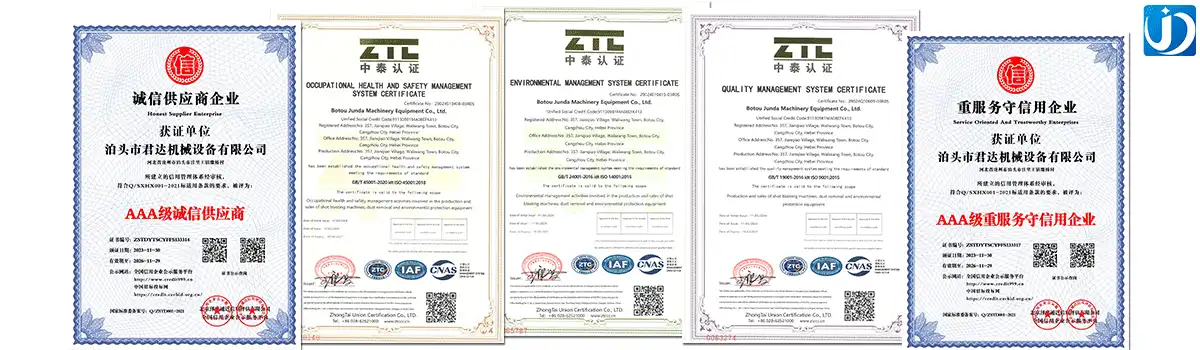
When looking for blast cleaning equipment, the qualifications of the supplier are just as important as the specifications of the equipment. Look for companies that have ISO 9001, ISO 14001, or ISO 45001 certifications. These show that they have good quality management, care for the environment, and make sure their workers are safe. When suppliers give you full IATF 16949 documentation packages that include FAI first article inspection reports and process capability data, it makes your internal qualification work a lot easier.
Total Cost of Ownership Over Purchase Price
Prices for new equipment don't always tell the whole story. Long-term running costs are affected by how long blades last, how much energy each piece uses, and how easy it is to get professional help in your area. You are less likely to have to deal with long production stops if your provider keeps standard extra parts in stock and answers technical questions within 6–8 hours. For factories with more than one line, ODM customization options like private labeling, custom mechanical interfaces, and adapted electrical configurations let the same base module work with different product lines without having to go through separate approval processes.
After-Sales Support Structure
Make sure that your supplier offers help with remote commissioning, materials for training operators in the language you use at work, and written maintenance procedures. For buyers in North America, make sure that the equipment meets OSHA standards for machine guarding and that the supplier's logistics team handles all export paperwork, such as the certificate of origin and customs paperwork.
Conclusion
Surface treatment problems in certain areas, like rust spots, uneven scale removal, or pollution before coating, need tools that are made for precise direction rather than broad covering. These issues can be solved by enclosed modular shot blasting unit technology, which has a measurable throughput capacity, manages dust in a contained area, and is PLC-compatible for automation that works with existing production lines. This type of equipment gives sellers to the auto industry, companies that make fasteners, and steel fabricators that follow strict quality systems the repeatability and paperwork support those systems need.
FAQ
1. How often do blast wheel blades need replacement?
How long the blade lasts depends on the type of abrasive media and how many hours it is used. Steel shot usually lasts between 500 and 1,000 hours per blade set. Media with a higher grit may only last between 200 and 400 hours. Always replace a set of blades at a time to keep the machine's rotational balance and blast patterns consistent.
2. Is enclosed blast cleaning compliant with EPA air quality regulations?
Yes. Over 90% of the particles that are made are contained within the machine housing of enclosed blast units that have built-in dust collection systems. This design helps you follow EPA pollution rules and makes it easier to fill out paperwork for ISO 14001 environmental checks.
3. Can the equipment interface with my existing PLC system?
Standard industrial PLC platforms can directly connect to modular blast units set up with Profinet, EtherCAT, or Modbus protocols. For facilities with their own control systems, ODM agreements let them get custom communication protocol setups.
4. What minimum order quantity applies for custom configurations?
Manufacturers like Junda Machinery offer small-batch trial production for OEM or custom-interface projects, starting at 5–20 units. This lets engineers test the design before committing to full production.
5. How long does standard equipment delivery take?
Depending on the requirements, standard-configured units usually ship 15 production days after the order is confirmed.
Partner with Junda Machinery for Your Next Shot Blasting Unit Project
Botou Junda Machinery Tools Co., Ltd. has been making blast cleaning tools for 20 years, and they use that knowledge on every job. Our modular shot blasting unit designs, which range in power from 7.5 kW to 55 kW and can handle 80 to 600 pieces per hour, can be used right away in production lines for cars, fasteners, and bearings. We offer full OEM services, ISO-certified quality management that is ISO-certified, and expert help that is available in English. We also back up every unit with full documentation and quick after-sales service. Email our engineering team at junda001@jundablast.com to get a quote from a reputable shot blasting unit manufacturer that fits your needs.
References
1. NACE International. Corrosion Prevention and Surface Preparation Standards. NACE International, 2019.
2. SSPC: The Society for Protective Coatings. SSPC Surface Preparation Standards Manual. SSPC, 2021.
3. SAE International. Fatigue Life Improvement of Gears Through Shot Peening: Technical Paper Series. SAE International, 2018.
4. ISO. ISO 8501-1: Preparation of Steel Substrates Before Application of Paints and Related Products. International Organization for Standardization, 2007.
5. OSHA. Machine Guarding Standards: General Industry (29 CFR 1910.212). U.S. Department of Labor, 2020.
6. IATF. IATF 16949:2016 — Quality Management System Requirements for Automotive Production. International Automotive Task Force, 2016.

USER EVALUATE
Real feedback and practical experience shared by worldwide partners who purchased our machinery and environmental treatment devices.