Rotary Hanging Shot Blaster Applications in Metal Manufacturing
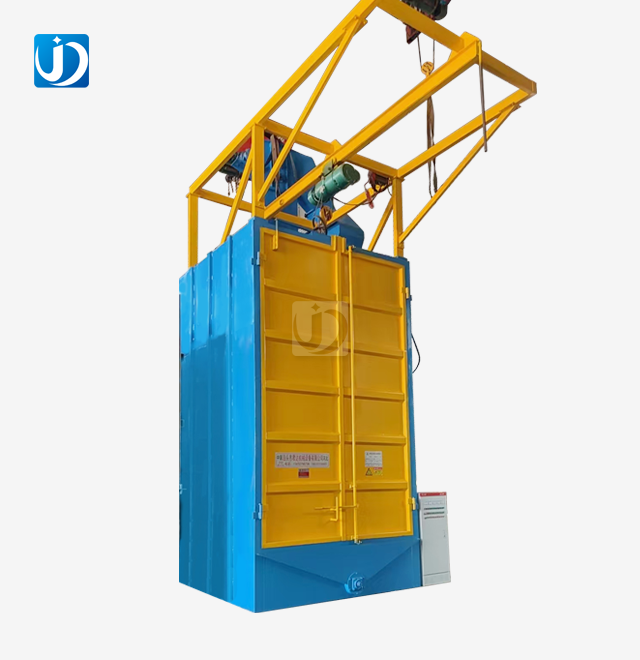
You can use a rotary hanging shot blaster to clean and descale castings, forgings, valve bodies, pump housings, and impellers so they are ready to be coated, machined, or inspected. A rotary hanging shot blaster turns each part that is hanging from a hook. Then, blast wheels throw steel shot at the surface, making sure that the rough stream hits every side. This way gets into cracks and around curves that a fixed position doesn't always be able to. It also keeps parts from touching, which can damage walls that aren't very thick. This guide was made to help you choose a machine with confidence by explaining how it works and where it fits.
Why Rotary Hanging Shot Blasting Matters and How It Works?
Production Problems It Addresses
In many plants, parts that are tough to machine are still ground and blasted by hand. Different operators get different results, the cost of labor goes up, and deep holes stay dirty. There is also dust to worry about, especially when molding sand is on the parts. The most respirable crystalline silica that OSHA says you can be exposed to in 8 hours is 50 milligrams per cubic meter. In other words, keeping dust under control is both the law and a matter of comfort. It's also hard to plan when throughput stays the same, since a cleaning room that moves slowly slows down painting and machining. These problems can be fixed by a rotary hanging shot blaster, which has a closed loop and can be used over and over again with less work that needs to be done by hand.
What a Rotary Hanging Shot Blaster Is?
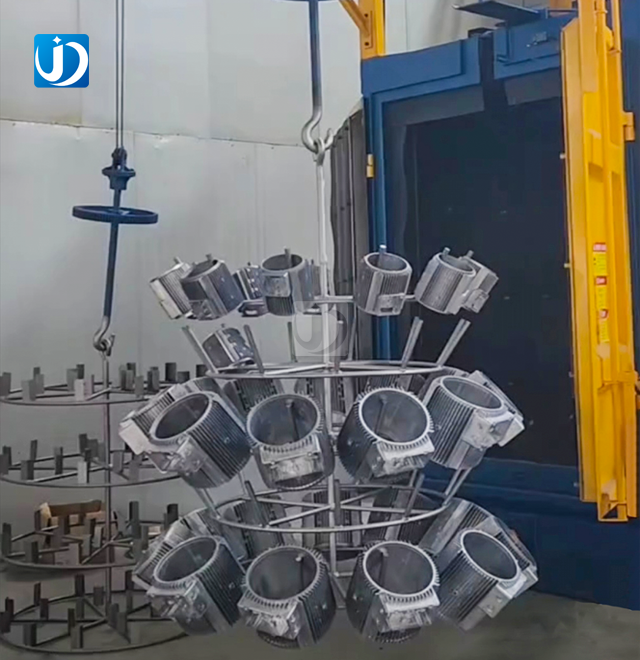
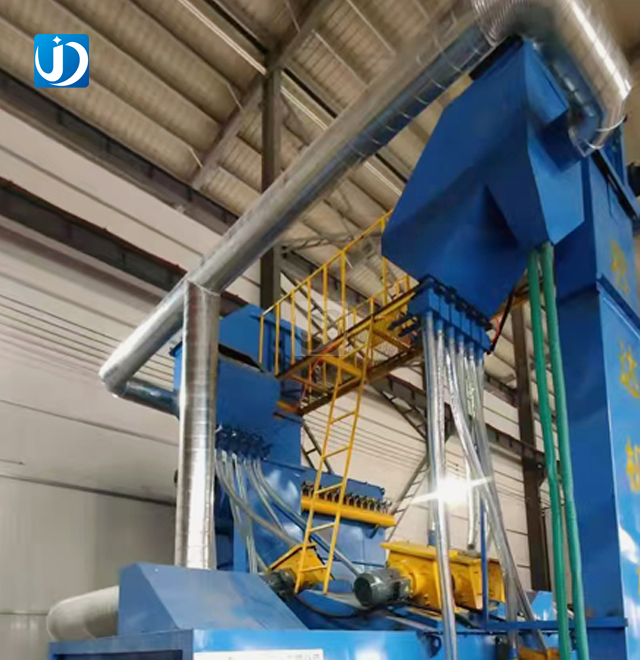
A rotary hanging shot blaster is a machine that works in groups. Things are hung from hooks or a spinning hanger inside a locked room. Blast wheels use centrifugal force to throw steel shot or grit on the surface. The hook spins the part during the cycle. Turning a complicated shape around shows more of its sides than when it's fixed in one place. This cuts down on the areas that aren't being worked on. Parts hang in the air so they don't hit each other. Dents and edge damage cost a lot of money, so this is important for thin-wall molds, valve bodies, and impellers. This piece of equipment is also known as a hanger-type or hook-type shot blasting machine.
Main Systems and Operating Sequence
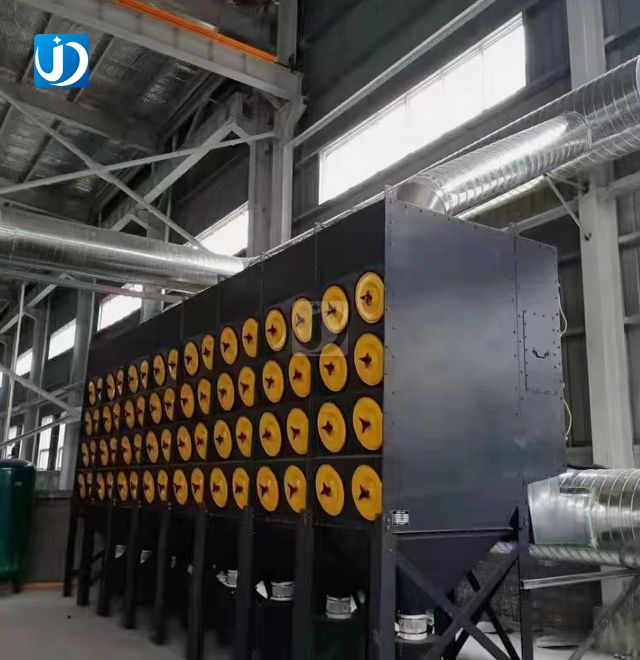
The machine is made up of a few main parts. Parts are kept in the blast room, which has liners that can be switched out to keep the walls safe. Abrasive is thrown by blast wheels, and used media is moved to a separator by a salvage system. This gets rid of the dust and broken pieces. The machine has two parts: one that cleans the air and one that runs the cycle. Most of the time, the sequence starts with hooks on the doors and the doors closed. Finally, safety locks let the wheels turn. It's time for the abrasive to be drained back so it can be used again. The dust collector then clears the air in the chamber, and the operator unloads the finished parts. You can judge a quote line by line if you know this order.
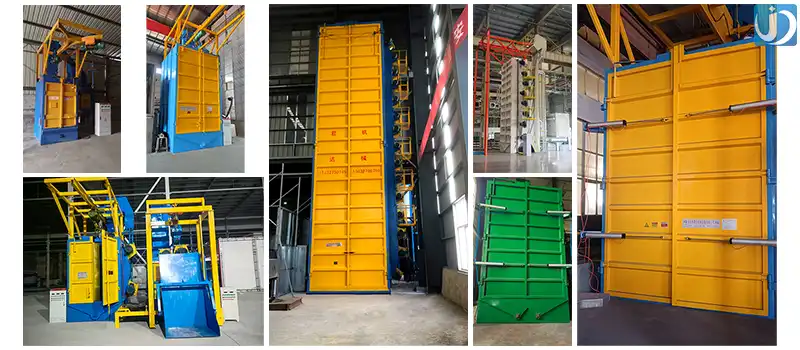

Key Applications of Rotary Hanging Shot Blasters in Metal ManufacturingCastings, Valves, Pump Bodies, and Impellers
Precision foundries, companies that make valves and pumps, and other businesses use this tool to make parts with bends and holes inside them. It gets rid of the molding sand, oxide, and flash that were left over from the pour when you clean the casting. In valve bodies and pump housings, hand tools have a hard time getting into the holes. Also, the blades on impellers cut into and overlap each other. A hook that spins turns each blade into the rough stream. A lot of people want Sa 2.5 blast cleaning, which is what ISO 8501-1 says it is. After Sa 2, there is Sa 3, which is used for "blast cleaning" steel to make it look clean. So, before we talk about wheel settings, I always ask buyers how thick the walls are. Walls that are smaller need less blast energy.
Forgings, Automotive Parts, and Aluminum Castings
Forged steel has a heat-treat scale that needs to be taken off before it can be worked on or inspected. When you buy car brackets, housings, and other similar parts, they often have rust, oxide, or machining residue on them. For models made of aluminum, you need to be more careful because heavy steel shot often leaves marks on soft metal. The parameters for each material are different. Heavy-scaled steel, on the other hand, can take more impact, while aluminum needs to be hit with the right kind of abrasive and a controlled amount of force. The rotary hanging shot blaster's hook layout is just as important when the shape isn't straight, because pieces that hit each other or the chamber wall will break. If the options and load pattern are changed, foundries, Tier 1 suppliers, fabrication shops, and metal processors can use the same machine to make many types of parts. Our term for this is "batch flexibility."
Preparation Before Coating, Heat Treatment, and Inspection
It's not always the last thing to blast. It gets the surface ready for the next one. Before painting, clean and rough up the surface. This makes the paint stick better. It's about the same as ISO Sa 2.5 and is called SSPC-SP 10/NACE No. 2 near-white metal blast cleaning. Getting rid of hard scale before cutting saves the tools that are being used. Before they check it, technicians can see cracks, holes, and flash better if the surface is clean. Parts are blasted to get rid of oxide after being heated. When you know what the next step is, you don't have to guess how to set the cleanliness goal and surface profile.
Surface Preparation Benefits and Production Workflow
Benefits of Rotary Hanging Shot Blasting
The main benefit is that it cleans evenly. Rotation gets rid of shadows on uneven or recessed surfaces and gets rid of the need to reposition things by hand. Coatings stick better to metal that is cleaner and has a more even profile. The enclosed operation and built-in dust collection keep workers from breathing in too much abrasive air, which keeps the shop floor cleaner. The recovery and separation system sends media that can be used back to the wheels. This cuts down on waste and running costs. One cycle takes care of a full hook load without having to do any work by hand. Still, I tell buyers that machine size is not the only thing that affects surface quality. Media choice, wheel performance, hanger layout, and process control are also important. A big machine that isn't loaded well will not clean as well as a small one that is.
Operating Workflow Step by Step
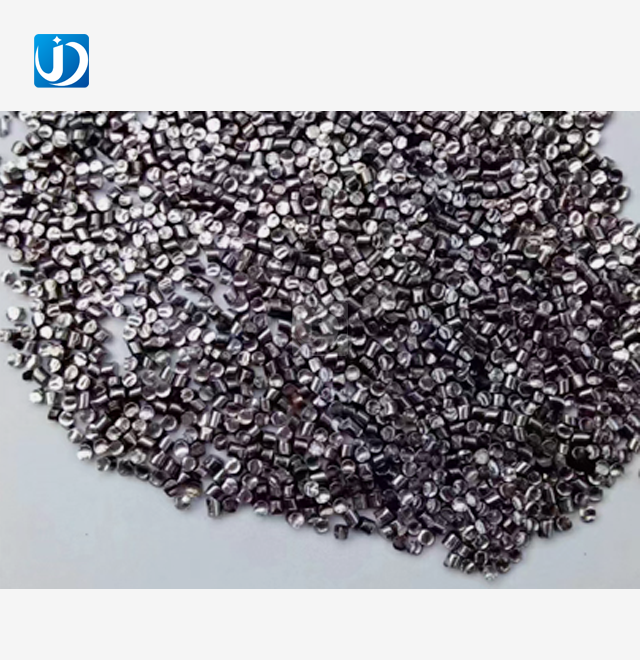
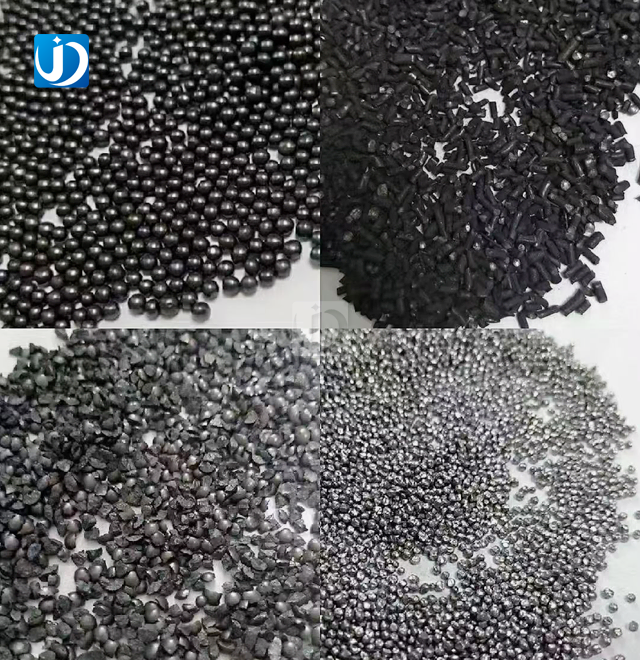
Loading is the first step in a reliable cycle. Pick hooks and fixtures that will hold the part securely. Make sure that the parts don't touch each other and that the openings face the blast stream. The abrasive should then be chosen. For peening and cleaning, SAE J444 specifies the size of cast steel shot and grit. The material and the finish you want to achieve should match the shot size, hardness, and flow rate. Then set the phase time, rotation speed, and wheel speed. After the blasting is done, the media is recovered, separated, and the dust is collected automatically. The finish is then checked against the agreed-upon standard by an inspector. Shadows, collisions, and uneven results happen when hooks are overloaded, spaces are too close together, or the rotation speed is wrong.
Process Control and Repeatability
Results that can be repeated come from records, not memories. For each batch, you should write down the part number, hook layout, abrasive type, wheel setting, cycle time, and inspection result. Then, operators on different shifts can make a good cycle again. It's important for operators to get training because the wrong loading or settings can break down equipment. Junda Machinery makes software for monitoring shot blasting machines. This software includes a system for measuring how well dust is removed and a system for collecting and analyzing data. With these tools, plants can keep an eye on how well their batches are doing and keep records. Along with simple inspection standards like ISO 8501-1 visual grades and a profile check when a coating supplier asks for it, are they worth it?
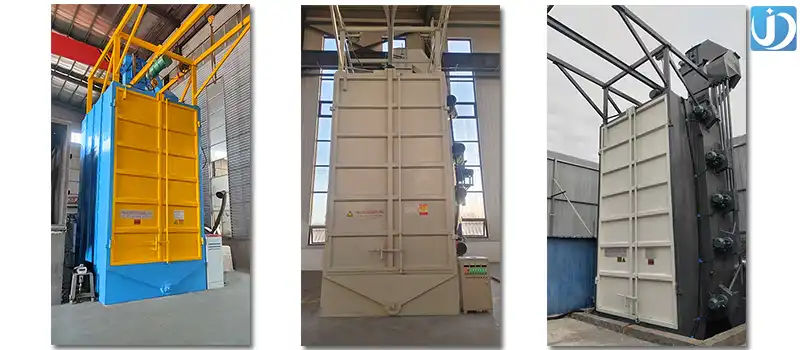
Technical Specifications, Equipment Comparison, and AutomationSpecifications and Capacity
Size of the chamber and power of the motor are only two parts of the story. Ask about the machine's maximum weight, the number of hooks it can hold, the usable chamber volume, the part's dimensions, the configuration of the blast wheel, the rate of abrasive throw, the cycle time, and the daily output. It takes time to load, unload, inspect, and switch over, so even if a machine has a fast blast cycle, it may still run slowly if hook loading is hard. When comparing, you should also look at the total costs of ownership, which include rough use, replacing worn parts, electricity, labor, upkeep, and compressed air when needed. Check the dust collector too, making sure to look at the airflow, filtration, pressure monitoring, and service access. If you have a full specification sheet, you can compare suppliers on an even playing field.
Versus Tumble Belt, Continuous Hanger, and Sandblasting
What machine to use depends on the shape, size, weight, and contact tolerance of the part. Small, tough parts that can bump into each other work well with tumble belt blasters. They don't work well for big, heavy, fragile, or important-looking items. Continuous hanger systems work best for standard, high-volume production. When working with different types of parts and shapes, a rotary hanging shot blaster batch machine gives you more options. Spot jobs can be done with compressed-air sandblasting equipment, but the skill of the operator is more important. Before you make a choice, look at things like coverage, automation, floor space, labor, energy use, and investment. When working with precise valves, pumps, and impellers, parts that hang without touching each other are often the best way to achieve the quality goal.
Automatic vs. Manual Systems
People who work with manual systems can load and unload parts by hand. They work well for projects with limited funds and low volumes of different types of products. For more volume, automatic systems can have powered doors, hook transfer, equipment for loading and unloading, recipe control, conveyors, or robots that handle the work. Numbers can help you make a decision: the annual output, shift pattern, availability of labor, changeover frequency, need for standardization of products, floor layout, and needs for integration. Instead of picking the highest specification by default, figure out the payback based on how much productivity you've gained. Junda Machinery can change the size of machines, automatic control systems, and dust collection systems to fit the needs of your factory. Let us know how your plant works before we suggest a level of automation.
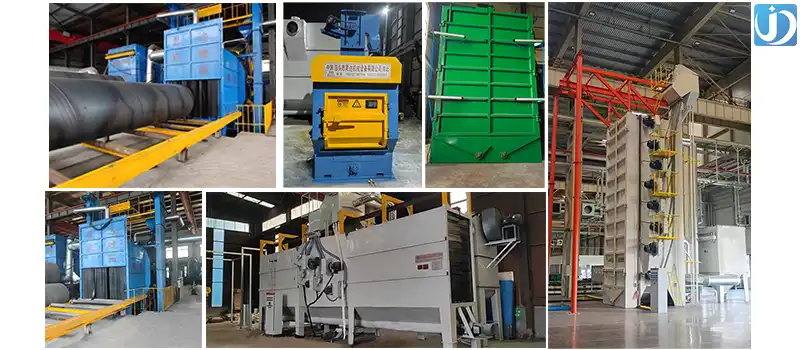
Selecting, Maintaining, and Buying a Rotary Hanging Shot BlasterChoosing a Machine for Complex Metal Parts
Start with the pieces. Write down the type of material, how hard it is, its size, weight, wall thickness, holes, cracks, fragile areas, and contact points. Then, use those facts to guide your choice of chamber size, hanger design, wheel configuration, load capacity, and controls. For precise parts, being able to change the blast intensity is important because too much energy can bend thin walls. The real cycle time is set by the hook loading speed, which is also important. To make sure of coverage and finish, ask for sample testing on hard or valuable parts. Check out the supplier's track record with similar workpieces, along with recipe management, data recording, alarms, wear-part life, maintenance access, spare part availability, and the ability to access maintenance.
Maintenance and Troubleshooting
Regular checks keep the level of cleaning stable and the amount of abrasive used low. Regularly check the chamber liners, hooks, bearings, chains, separators, seals, dust filters, sensors, and emergency devices, as well as the blast wheel blades. If the cleaning isn't even, check the loading, the settings for the separator, the blades, and the media for any damage. Filters that are clogged or seal leaks are often the cause of high dust levels. Bad alignment or the wrong abrasive can cause things to wear out quickly. Make sure you have extra bearings and drive parts on hand in case the hook stops turning. To cut down on downtime, international buyers should keep a spare parts kit on hand. Over the long term, Junda Machinery provides original spare parts, as well as English operation manuals and maintenance videos.
Evaluating a Supplier and Preparing Your Inquiry
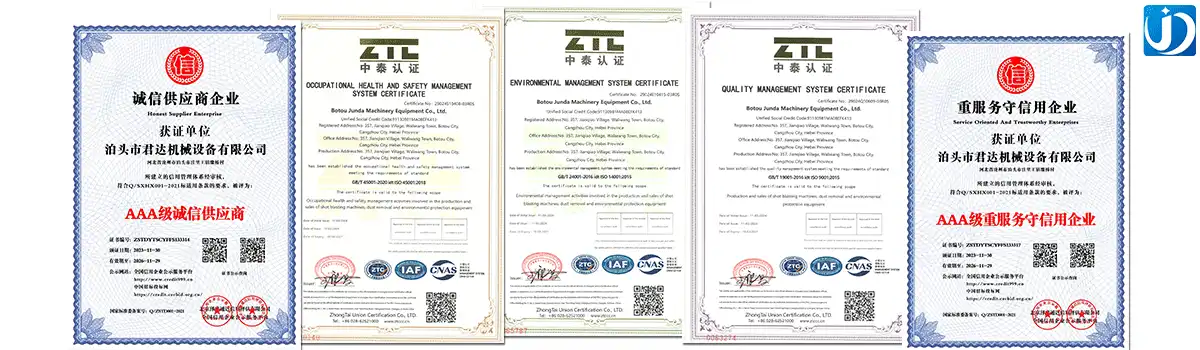
Check out the application engineering, build quality, customization, export experience, documents, and customer service after the sale. Ask for references of people who have bought similar aluminum parts, castings, or forgings. Check the specifications, including the drawings, manuals, electrical diagrams, lists of spare parts, packaging, delivery terms, setup, training, and warranty. Junda Machinery has been making shot blasting equipment for 20 years and is certified in ISO 9001, ISO 14001, and ISO 45001. They also have 2 utility model patents and 7 software copyrights and can help with CE certification. For your question, please send part drawings or samples, as well as information about the material, how hard it is, its size, weight, finish needs, volume, target cycle time, available space, and the electrical conditions in the area. A clear question leads to a more accurate quote.
Conclusion
A rotary hanging shot blaster cleans castings, forgings, valve bodies, pump housings, impellers, and other complicated metal parts by rotating the pieces in front of blast wheels. This lets abrasive hit recesses and curved surfaces from different directions. With settings that are right for the material, it can be used to remove sand and scale and get it ready for coating, machining, heat treatment, and inspection. Some of the benefits are even cleaning, better coating adhesion, less work that needs to be done by hand, abrasive recovery, and less dust. The right loading, choice of abrasive, wheel settings, and records are all important for getting good results. Before buying equipment, buyers should test hard parts and look at more than just the chamber size. They should also look at the real output, running costs, level of automation, and maintenance needs. Clear information about the part and the standards that the finished surface must meet help people make the best decisions.
FAQ
What does a rotary hanging shot blaster clean?
Castings, forgings, valve bodies, pump housings, impellers, and auto parts can all be cleaned with it. It gets rid of molding sand, scale, rust, flash, and oxide, and it gets surfaces ready to be coated, machined, or inspected.
How does it differ from a tumble belt machine?
Parts that are thin or fragile are kept safe by a rotary hanging machine that hangs them so they don't touch. That's why a tumble belt machine is good for work that needs to be done with parts that can be rolled together.
Which factors set the capacity?
Number of hooks, heaviest part that can be used, chamber volume, blast wheel configuration, and cycle time are all important factors. The real hourly output is also affected by the time it takes to load and unload. You should ask each supplier to spell them out.
What should I send for a quotation?
To junda001@jundablast.com, send drawings or photos, as well as information about the material, size, weight, finish needed, output goal, space available, and power sources in the area. After going over them, we suggest a chamber size, hanger layout, and way to collect dust.
Request a Rotary Hanging Shot Blaster Quote from Junda Machinery
Looking for a company that makes rotary hanging shot blasters and responds quickly? Junda Machinery has been making shot blasting equipment for 20 years, is ISO 9001 certified, and can make anything you want in about 15 days, depending on your needs. Send your part drawings, material, weight, and output goal to junda001@jundablast.com. We'll get back to you in 6–8 hours. For more information, go to jundablast.com.
References
1. ISO 8501-1: Preparation of Steel Substrates Before Application of Paints and Related Products, Visual Assessment of Surface Cleanliness, 2007
2. ISO 8504-2: Preparation of Steel Substrates Before Application of Paints and Related Products, Surface Preparation Methods, Abrasive Blast-Cleaning, 2019
3. SSPC-SP 10/NACE No. 2: Near-White Metal Blast Cleaning, 2007
4. SAE J444: Cast Shot and Grit Size Specifications for Peening and Cleaning, 2005
5. OSHA Respirable Crystalline Silica Standard for General Industry and Maritime (29 CFR 1910.1053), 2016
6. ASM Handbook, Volume 15: Casting, 2008

USER EVALUATE
Real feedback and practical experience shared by worldwide partners who purchased our machinery and environmental treatment devices.