Is inferior abrasive shortening machine service life? Manufacturers select high-quality steel shot
Inferior abrasive shortens machine service life. Low-grade media often carries hollow particles, cracks, and uneven sizes. These flaws make it break apart fast, and the sharp fragments grind on blast wheel blades, liners, feed parts, and dust collection systems. High-quality steel shot has a dense structure, steady particle size, and a long recycling life, so it puts less strain on your machine and needs replacing less often. That is why many manufacturers in casting, steel structure, and automotive work choose high-quality steel shot. In this article, I explain how the damage happens and how to pick the right product.
Understanding the Impact of Abrasive Quality on Machine Longevity
How Inferior Abrasive Wears Down a Blasting Machine
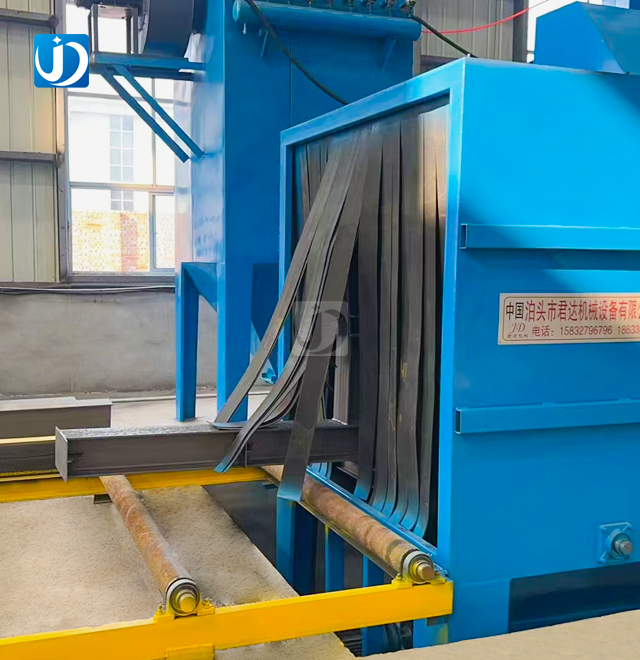
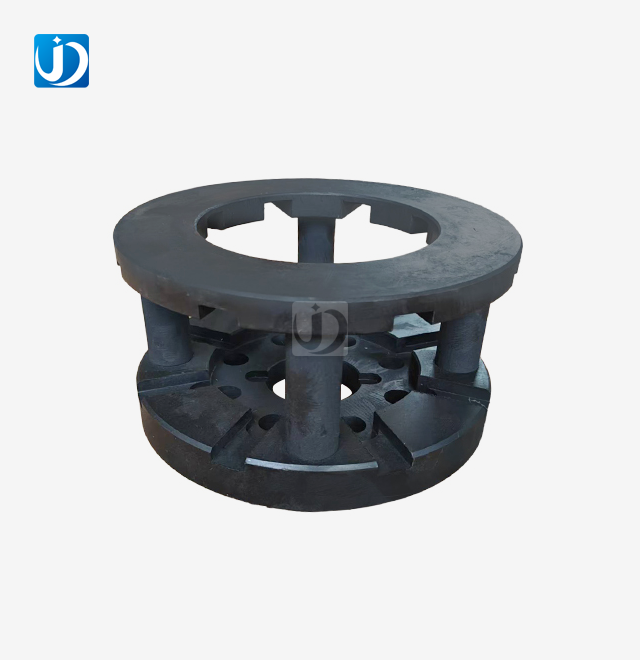
Every particle that leaves the blast wheel hits something. When a sound shot hits the piece of work, it bounces back and is added to the mix again. Things that hit bad media often crack and break into sharp pieces right away. These parts scrape blades, control cages, liners, and wear plates inside the cabinet. Nozzles wear out faster when air blast systems use them because they are sharp. If cheap media is rusty or wet, particles can stick together and block feed spouts or separators. This means that parts need to be changed more often, and worn-out blades make it harder to aim. You can dodge a lot of this scraping with a round, hard shot.
Impurities and Uneven Sizes Cause Unstable Blasting
Because of impurities and different shapes, blasting is not steady. The SAE J444 standard specifies the exact sizes of cast shot and grit that can pass through sieve screens. It's simple to see how each size number is spread out. The wheel throws a mix that hits some places too hard and others too softly when there are too many big and small particles in the batch. Big pieces can get stuck in little holes, and when there are a lot of fines, the splitter and dust collector have to work hard. Then the people who work on the machine change the settings to close the gap. This may make it work harder than it was meant to. When the sieve makes the same amount of food every time, you can leave the setting alone.
The Hidden Costs of Downtime and Repairs
It's not often that the price of cheap abrasive is written on the order. Imagine a foundry with two shifts. The line has to wait for parts and a repair crew in case the blades break before it can move on to the next step. Every month you have to buy more grit and the dust system has to collect more waste when more shots break. A cheaper bag doesn't always save you money because it costs more to fix, lose time at work, and buy more abrasive. Keep track of two numbers: the wear-part life and the amount of grit that needs to be added every month. When put together, they show how much it really costs.

Why High-Quality Steel Shot Is the Preferred Abrasive Choice?
Composition and Structure That Resist Breaking
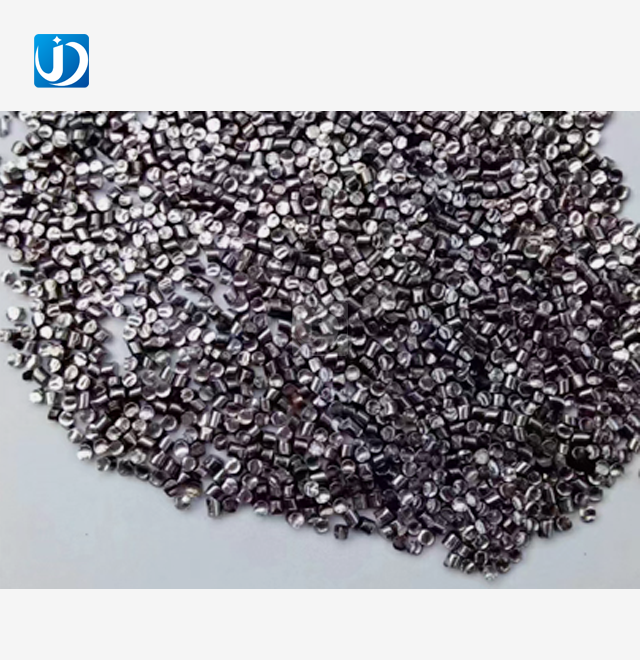
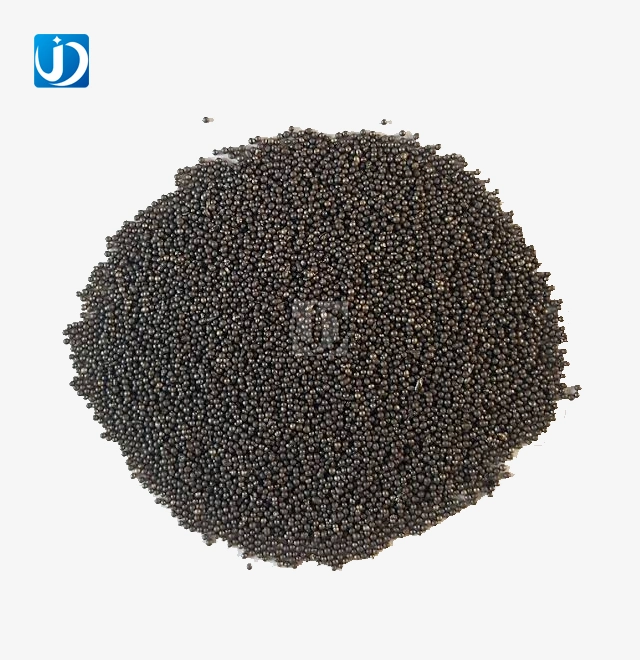
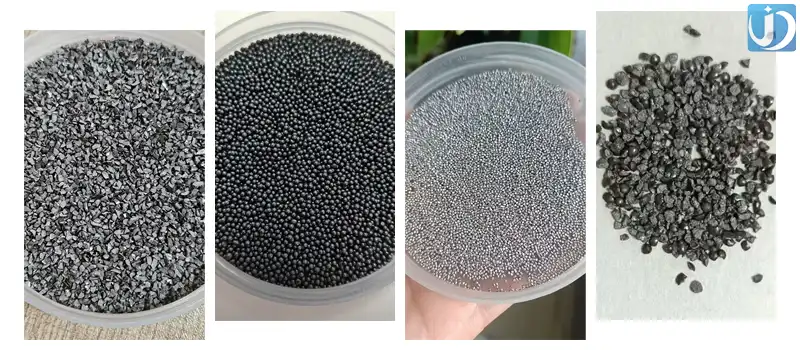
Cast steel shot is made by dropping molten steel into small rounds and then heating them up. Norms like SAE J827 and ISO 11124-3 talk about the chemistry, strength, and composition of cast steel shot. This shot is strong enough to take being hit over and over again because it has a thick, heated structure. The weak spots are cracks, holes, and voids, which is why they break first. SAE J444 says that our S280 and S330 standard cast steel shot is fine. Because it is tough and has a thick metallographic structure, it doesn't break easily when it hits something. Additionally, its speed stays the same during each cycle.
Steel Shot Compared With Sand and Glass Beads
Silica sand usually only lasts for one pass before it breaks into fine dust. It was warned by NIOSH in 1992 that silica sand shouldn't be used in abrasive blasting. The OSHA standard for crystalline silica that can be breathed in sets a limit of 50 milligrams per cubic meter over an eight-hour shift. Glass beads are easy to clean and shine, but it takes longer for them to get rid of heavy rust and scale. When it hits, steel shot is more powerful and can be used over and over in the machine. Due to its round shape, it doesn't leave as much dust behind when it hits the surface. Do not use carbon steel shot on stainless steel components where iron contamination may affect corrosion resistance or surface finish. Carbon steel particles may deposit iron on the surface of stainless steel. Stainless steel shot is usually a better option in cases where iron contamination must be kept to a minimum.
Core Advantages of Our Standard Cast Steel Shot
Here are the core advantages of our standard cast steel shot, models S280 and S330:
- Moderate hardness and strong impact performance: Because it is tough and has a thick metallographic structure, the shot almost never breaks when it hits the surface. The moving part stays the same, so the process of getting rid of rust and making the surface smooth doesn't change from one hour to the next. The process stays the same from shift to shift.
- Extended recycling life: When cyclic blasting is done over and over, the material can have a high wear strength and a low rate of breaking. One shot makes 3,000 to 5,000 hits and uses up 0.1 to 0.3 kg per square meter. When repairs happen less often, sales drop and broken parts don't go through the machine as often. In that case, wear parts will get less damage from wear over the course of a year of use.
- Convenient screening and recovery: Tools that separate air and screen particles can tell the difference between whole shot and broken shot when the particles are all the same shape. Because this is a closed loop, pieces don't get into the blast wheel. Cutting down on waste saves blades and dividers and keeps the mix steady over time. The time it takes to fix mix and size problems is cut down.
These advantages address the wear, waste, and mix drift described earlier.
Selecting the Right Steel Shot for Industrial Blasting MachinesMatch Hardness and Size to Your Workpiece
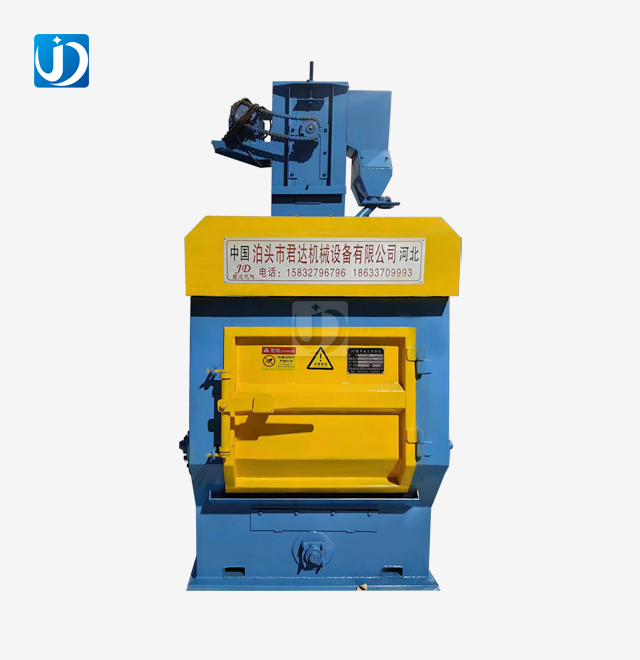
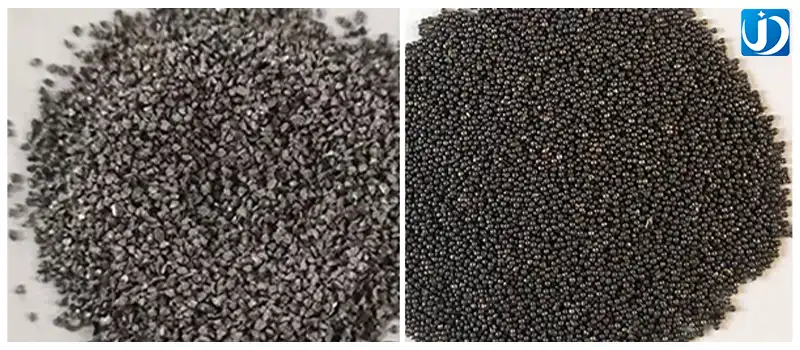
First do the work, then check the machine. For removing scale and rust from castings, steel buildings, and car parts, general-purpose steel shot with an HRC of 40 to 50 works best. It's best to only use high-hard shot when the job calls for it because it breaks and wears down parts more quickly. Its HRC ranges from 55 to 62. When it comes to size, bigger shots hit harder for heavy scale, while smaller shots cover more ground and leave a better finish. Our range has 12 grades, ranging from 0.2 mm to 3 mm. These grades can be used in small shot blasters, rotary table shot blasters, and shot blasting machines. Always check the directions to make sure of the largest size that your machine can handle.
How to Evaluate a Steel Shot Supplier?
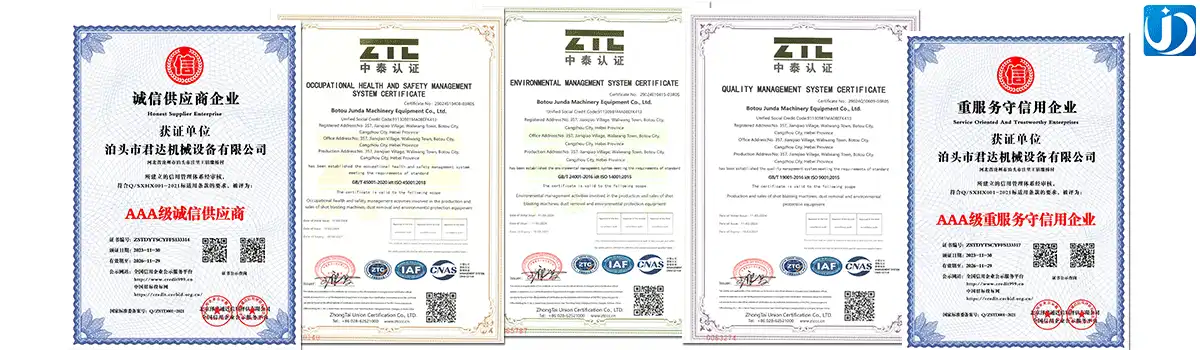
A good service provider backs up each lot with facts. Make sure the steel shot contains no excessive cracks, voids, or hollow particles, and verify that its particle size distribution meets the applicable SAE J444 requirements. An Ervin life test shows how quickly shot wears out after being used a lot. A quality system like ISO 9001 should be present at the plant. You should also ask how they handle stock so that a rush order doesn't stop the line. ISO 9001, ISO 14001, and ISO 45001 are all marks that Junda Machinery has earned. Also, we keep a lot of stock and answer questions within 6–8 hours. Check these things out from different sellers before you buy anything.
Comparing Brands Such as Blastone and Eagle
Elite steel shot brands Blastone and Eagle are often the first ones that people think of when they look at other brands. They don't have a rank because it depends on the grade, the job, and the machine how well they work. It's fair to compare brands if you use the same list for each one. This list should include shipping, size distribution, hardness, microstructure, life test results, and hardness. Test scores are more important than a famous name. Bring the machines to your own line and test them with the same settings. Then, compare how long the wear parts last and how often you need to add more grit. The product that keeps its mix the longest and is easy on your machine should get the top spot.
Practical Recommendations to Prevent Abrasive-Related Machine DamageInspect and Track Wear on a Schedule
Wear data can help you identify when abrasive quality begins to deteriorate or the working mix changes. Regularly inspect the blades, impeller, control cage, liners, hoses, and valves. Following the steps that came with your machine will help. Jot down the hours you work and the dates you change each part. After a new load of abrasives comes in, you know right away if the wear parts' life drops. Do not forget to check the dust collector, screens, and separator. Broken shot will be pushed back into the wheel if any of these get jammed. To do this kind of tracking, we made our own monitoring and data processing tools that work with our shot blasting gear. A simple paper log, on the other hand, can be used by any machine.
Monitor the Working Mix and Replace Abrasive on Time
Pay close attention to the working mix. Add little amounts of new shot all the time instead of big, rare lots. With the right amount of big, medium, and small particles, this will keep the mix stable. Clean the broken parts off and dust off the air filter and screens at every turn. Take a sample every so often, put it through a sieve, and then compare it to the mix you want to make. Do not change the shot based on the date, but on how it worked. Keep bags in a dry place because wet shot can rust and stick together. When the steel shot is regular, broken pieces stand out more than whole ones, making it easier to do this.
Adjust Blasting Parameters and Protect Operators
The machine manual will tell you what shot size and quality to use. The wheel speed or air pressure should then be matched. Running faster than you need to wears out parts and breaks shots more quickly. People and the machine itself are both hurt by fine dust that gets past the filter, so keep the dust catcher in good shape. The people who work on the machine should close it off and wear masks, goggles, and hearing protection. Every time you change how big or strong a shot is, check your settings. You can avoid most mismatch damage by making small changes early on.
Procurement Guide for Purchasing High-Quality Steel Shot
Plan Bulk Orders and Safety Stock
For goods to keep moving, there needs to be a steady supply. You don't have to search for it all over again when you have a supply deal that sets the size, hardness, and delivery plan. What does each seller do to set its volume pricing? Will they be able to keep their terms for a certain amount of time, even if the steel market changes? Don't keep more than your cash flow will allow. Just keep enough safety stock to cover the time it takes to send plus a little extra. Make a small test lot first. Then, wait a few weeks to see how the surface looks and how long the wear parts last, and then place the full order.
Packaging, Specifications, and Delivery
Pick boxes that will work for your store. Packaging should be appropriate to your handling and storage needs. If you are going to handle it manually, 25 kilogram woven bags might be suitable. Bulk orders or automated feeding systems may better fit 1000 kilogram giant bags. Check with the provider for real package dimensions and weight before purchasing. Check the hardness range, particle grade (0.2 to 3.0 mm), shot type (S280 or S330), and particle grade for every order. Also, make sure that every package comes with a test report. We send orders to other countries with the help of freight forwarders from other countries. They take care of containers that are full or empty. Export forms, customs statements, and certificates of origin are other things we can help you with.
Build a Direct Partnership With the Manufacturer
When you buy directly from the manufacturer, you can set the specs yourself. What size, strength, and color of shot do you want? You can also talk to people who know how machine shot works. Since we've worked with shot blasting gear for 20 years, we know both the metal that is shot and the machine that throws it. You can get shot made of stainless steel, zinc, or aluminum when carbon steel won't do. Tell us who you're selling steel shot to and what paperwork they need if you sell it again or send it abroad. Your plan and gear will be safe if you have good specs and a steady supply.
Conclusion
Machines wear out faster when the abrasive isn't good because particles that are hollow, cracked, or uneven break easily and scrape against wear parts. They also put too much stress on separators and dust collectors, which stops machines without warning. Because it has a dense structure, stays the same size, and can be refilled for 3000 to 5000 hits, good steel shot lessens this damage. It's better at getting rid of rust and scale than glass beads and silica sand, and it can be reused many times. It also makes less dust than sharp abrasives. Choose the right sharpness and size, check test data from the source, keep track of wear, control the working mix, and make sure the machine settings are right for the shot. This will help the equipment last longer. To keep track of the total cost of running the machine, it helps if the maker gives clear instructions and a steady supply.
FAQ
How long does one steel shot last?
Our regular cast steel shots can each take between 3000 and 5000 hits, and they use between 0.1 and 0.3 kg per square meter. How you set up your machine, the piece you're working on, and life all play a role.
Which steel shot size should I choose?
For heavy scale and rust, bigger amounts work better. Smaller sizes make the finish smoother and cover more ground. Many plants mix sizes so they can work. The S280 and S330 are the ones we sell most often.
Can I use carbon steel shot on stainless steel?
No, most of the time. The iron dust that carbon steel shot can leave behind can cause galvanic rusting. For silver parts, make sure to use stainless steel shot.
Why does my shot break so soon?
Too often, it's because the texture is bad, there are gaps, or the density is low. You should ask your supplier for a toughness test, a microstructure check, and SAE J444 sieve data. The shot may also not last as long if the machine is set too quickly.
Request Quality Steel Shot From Junda Machinery
Are you ready to keep your blast gear safe? Steel shot is offered for sale by Junda Machinery. They are ISO 9001 qualified and have been making shot blasting tools for 20 years. They also keep a lot of stock on hand so they can quickly fill orders. Please email junda001@jundablast.com with your hardness, size, and packing needs. We'll get back to you in 6–8 hours. To learn more, go to jundablast.com and ask how you can try some S280 or S330 steel shot.
References
1. SAE International, SAE J444: Cast Shot and Grit Size Specifications for Peening and Cleaning, 2005
2. International Organization for Standardization, ISO 11124-3: Preparation of Steel Substrates Before Application of Paints, Specifications for Metallic Blast-Cleaning Abrasives, Part 3: High-Carbon Cast-Steel Shot and Grit, 1993
3. International Organization for Standardization, ISO 8501-1: Preparation of Steel Substrates Before Application of Paints and Related Products, Visual Assessment of Surface Cleanliness, 2007
4. National Institute for Occupational Safety and Health, NIOSH Alert: Request for Assistance in Preventing Silicosis and Deaths from Sandblasting, 1992
5. Occupational Safety and Health Administration, Respirable Crystalline Silica Standard for Construction, 29 CFR 1926.1153, 2016
6. ASM International, ASM Handbook Volume 5: Surface Engineering, 1994

USER EVALUATE
Real feedback and practical experience shared by worldwide partners who purchased our machinery and environmental treatment devices.