_1786959752558.webp)
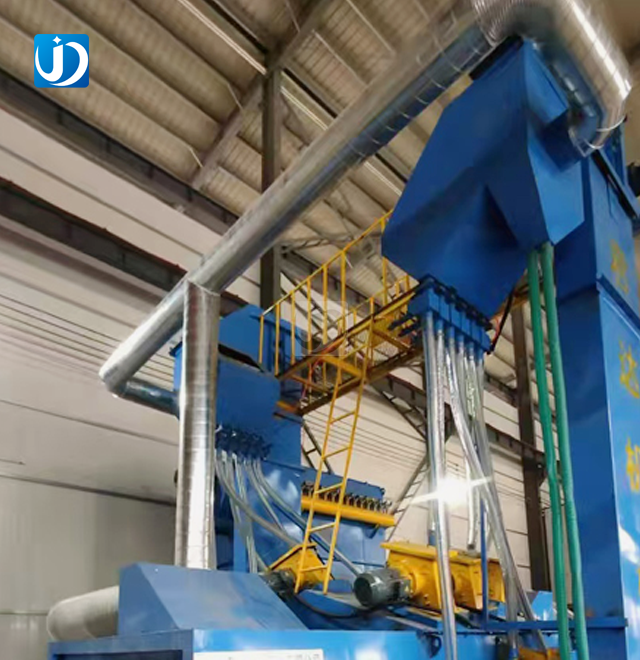
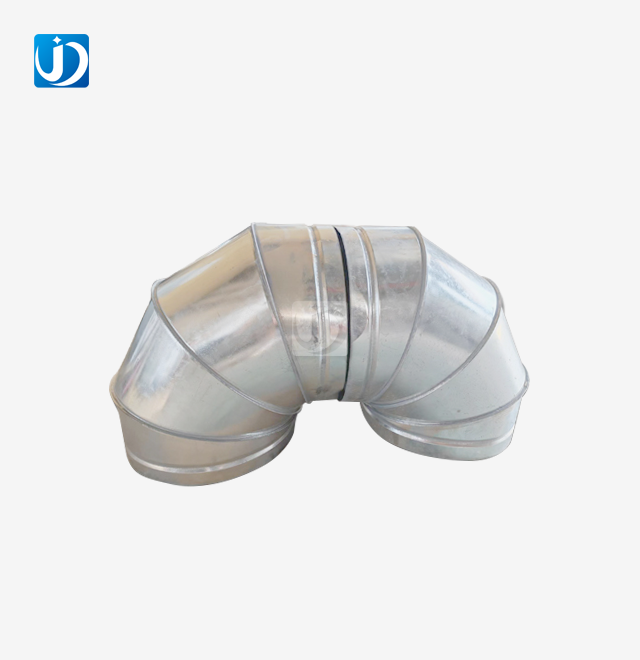
dust collection ducting
Transport speed is optimized for metal abrasive dust to minimize accumulation of steel shot fragments
and mill scale.
Flexible material selection; wear-resistant option for heavy erosion conditions
Standard carbon steel construction. Thicker plates can be adopted on vulnerable elbows and tees to
resist continuous abrasion from hard particles and extend service life.
Modular standard components enable fast on-site assembly
All duct parts are standardized with flange connection. Routes can be arranged freely according to
workshop layout, convenient for later reconstruction, relocation and capacity expansion.
Tight sealing prevents air leakage and fugitive dust
Gaskets are fitted between flanges with continuous welding. Avoid insufficient suction at remote
extraction points caused by air infiltration and guarantee overall dust collection efficiency.
- Product Description
Industrial Dust Collection Ducting Systems for Shot Blasting and Metalworking Applications
Botou Junda Machinery Equipment Co., Ltd. delivers professional dust collection ducting engineered specifically for heavy-duty industrial environments. With over 20 years of foundry machinery expertise and a 3,000 sqm production facility, our ducting systems maintain optimized airflow velocity of 18–24 m/s for metallic dust transport, ensuring zero accumulation of steel shot fragments and mill scale. Each system features standardized flange connections, modular assembly design, and customizable wall thickness options. Our production capability enables delivery of customized configurations within approximately 15 days, while our technical team responds to project inquiries within 6 to 8 hours, supporting global installations across power generation, metallurgy, chemical processing and surface coating industries.

Why Choose Professional Dust Extraction Ducting
Efficient dust removal begins with properly designed pipeline infrastructure. Your workshop environment directly depends on how well the ducting system conveys particulate matter from generation points to filtration units.
Our dust collection ducting solves critical operational challenges. The optimized interior smoothness minimizes pressure loss throughout your system. Strategically designed transport velocities prevent material accumulation that causes production interruptions.
Industrial facilities handling abrasive materials require robust solutions. Standard carbon steel construction withstands continuous particle impact, while reinforced elbows and tees resist erosion at high-wear locations.

Technical Specifications Of dust collection ducting
| Parameter | Specification |
|---|---|
| Product Name | Industrial Dust Removal Air Duct |
| Material Options | Carbon Steel, Galvanized Steel, Thickened Wear-Resistant Plate |
| Connection Type | Standardized Flange with Gasket Sealing |
| Airflow Velocity | 18–24 m/s (optimized for metallic dust) |
| Customization | Diameter, Wall Thickness, Layout Configuration |
| Installation Methods | Overhead Suspension, Wall-Mounted, Ground Support |
| Application Industries | Shot Blasting, Sandblasting, Grinding, Polishing, Welding, Cutting Workshops |
| Suitable Systems | Centralized Dust Extraction Networks, Single-Machine Connections |
Core Performance Features
Professionally Optimized Airflow Design
Transport speed calibrated for metal abrasive dust eliminates steel shot and mill scale buildup. Streamlined elbow geometry reduces flow resistance while maintaining balanced suction across all extraction points.
Flexible Material Engineering
Carbon steel construction provides reliable performance for standard applications. Vulnerable sections receive thicker plate reinforcement to resist continuous abrasion from hard particles, extending operational lifespan significantly.
Modular Assembly Architecture
Standardized components with flange connections enable rapid on-site installation. You can arrange routes freely according to workshop layout, simplifying future reconstruction, relocation or capacity expansion projects.
Superior Sealing Technology
Gaskets fitted between flanges with continuous welding prevent air infiltration. This design maintains consistent suction at remote extraction points, guaranteeing overall system efficiency throughout your facility.
Integrated Maintenance Components
Air volume dampers balance suction across branch lines. Pre-installed inspection and cleaning ports facilitate regular maintenance, preventing blockages before they disrupt operations.
Adaptable Installation Solutions
Multiple mounting configurations accommodate diverse workshop conditions. Systems support single-machine connections or centralized networks serving multiple production lines simultaneously.
Industrial Applications
Our dust collection ducting integrates seamlessly into centralized extraction systems across metalworking environments. Shot blasting operations benefit from erosion-resistant construction that handles high-velocity steel abrasives.
Grinding and polishing workshops require consistent negative pressure distribution. The modular design ensures uniform suction across multiple workstations, eliminating dust escape during simultaneous operations.
Welding and cutting facilities demand reliable containment of hazardous fumes. Tight sealing throughout the pipeline network prevents fugitive emissions, protecting worker health and maintaining regulatory compliance.
Foundries and steel structure fabrication plants utilize our systems for heavy-duty mill scale transport. Reinforced components withstand the harshest industrial conditions while maintaining aerodynamic efficiency.

Frequently Asked Questions
Q: What is the primary function of dust extraction ducting?
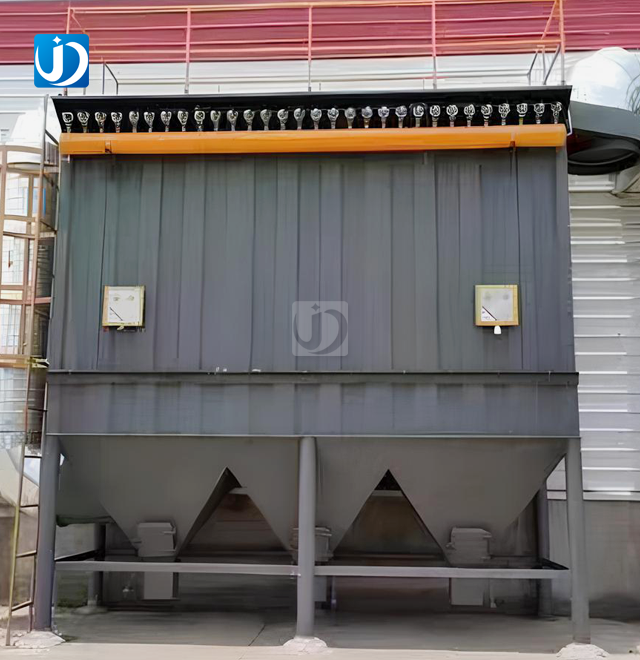
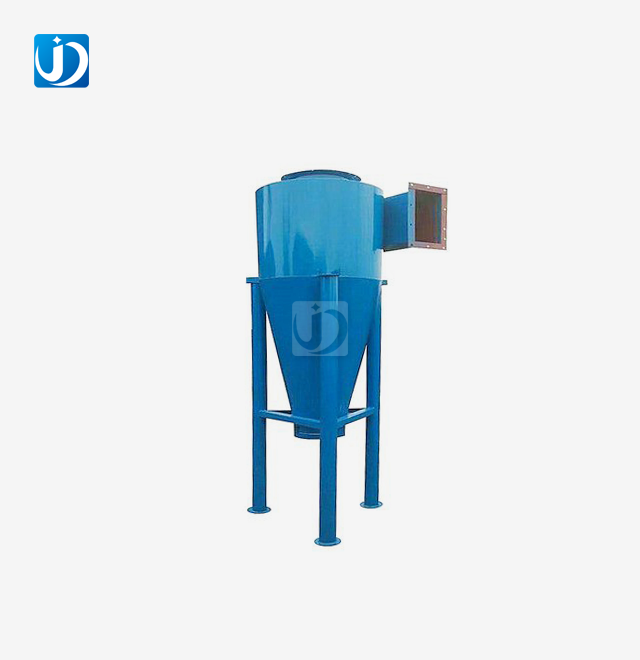
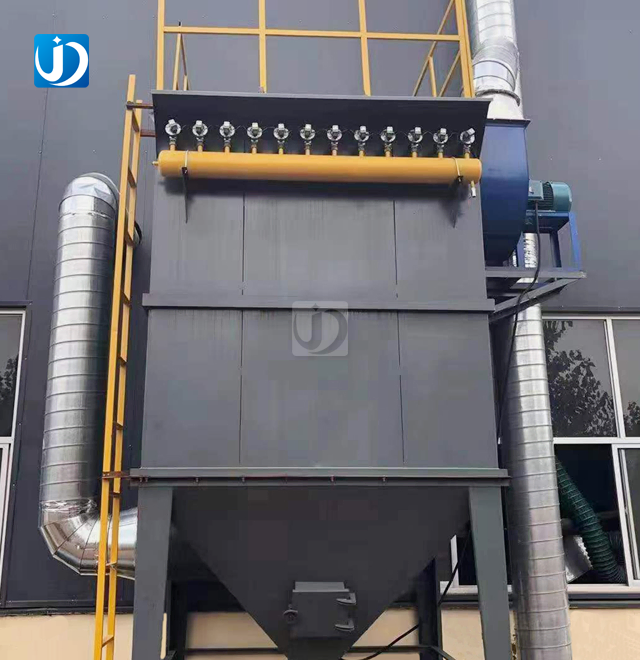
A: It serves as the airflow passage connecting suction hoods, cyclones, baghouses and exhaust fans to convey dust-laden air. Proper layout maintains stable negative pressure and prevents dust deposition and leakage throughout your system.
Q: What design standards apply to shot blasting and sandblasting lines?
A: Maintain airflow velocity between 18–24 m/s to avoid metallic dust buildup. Adopt long-radius elbows instead of sharp bends. Reinforce elbows and reducers with thicker plates or wear liners. Install cleaning hatches and connect branch ducts to the side or top of main ducts.
Q: What causes common duct system failures?
A: Dust blockage results from low airflow speed and poor layout design. Air leakage occurs when flange and hatch seals deteriorate, reducing suction effectiveness. Wall abrasion and perforation develop from continuous scouring by high-speed metallic particles. Vibration and noise indicate loose supports or fan resonance issues.
Q: How should I maintain my ducting system?
A: Fit rubber gaskets for proper flange sealing. Secure ducts firmly to reduce vibration. Clear accumulated dust through cleaning ports regularly. Repair worn sections promptly to prevent system degradation. Shorten pipeline length and minimize elbows to reduce air resistance.
Q: Can you customize ducting for specific workshop layouts?
A: Yes. We provide complete customization including pipe diameter, wall thickness, material selection and routing configuration. Our engineering team designs systems according to your air volume requirements, wind pressure calculations and site conditions.
Quality Certifications and Manufacturing Standards
Our production processes comply with ISO9001 Quality Management System standards, ensuring consistent product reliability. ISO14001 Environmental Management System certification demonstrates our commitment to sustainable manufacturing practices.
Wall thickness verification uses ultrasonic testing to confirm vacuum pressure ratings. Seam integrity receives 100% visual and pneumatic inspection to prevent particulate escape during operation.
We can assist with CE certification applications for European markets, providing technical documentation, qualification materials and testing files that meet international compliance requirements.



Contact Our Technical Team
Need assistance designing your dust collection ducting network? Our engineering specialists provide layout optimization, airflow calculations and material recommendations tailored to your specific application requirements.
Reach our team at junda001@jundablast.com for technical consultation and project quotations.

USER EVALUATE
Real feedback and practical experience shared by worldwide partners who purchased our machinery and environmental treatment devices.