What Materials Can a Shot Blaster Process?
A shot blaster is a machine used in industry to treat the surface of something by rapidly moving abrasive media, like steel shot or grit, against it to get rid of rust, mill scale, and other contaminants. Shot blasters today can work with a lot of different materials, including carbon steel, structure sections, cast iron parts, hardware, and complicated fabrications. Today's equipment can clean to Sa2.0–Sa2.5 levels in a single pass and has blast speeds of 60–85 m/s and output capacities of 0.5 to 20 t/h. This makes it a good choice for fabricators, foundries, and OEM production lines all over the world.
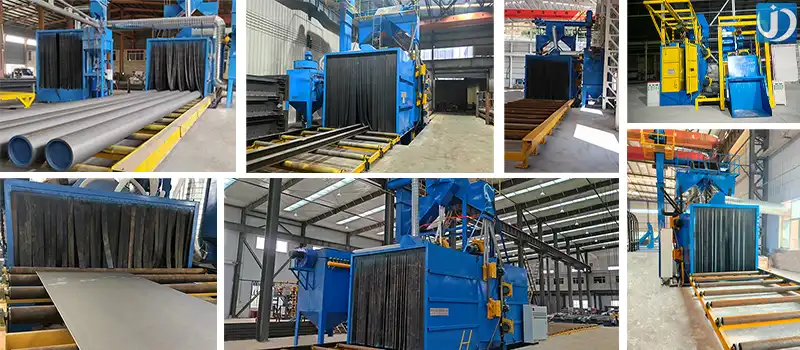
Understanding Shot Blasting and Its Industrial Applications
It's pretty simple: a high-speed blast wheel hits a surface with abrasive media, which breaks down rust, scale, and old coats by moving quickly against them. A chemical pickling method leaves behind a film, but this method treats the whole surface at once, while hand grinding only treats parts of it.
The tech is used in lots of different areas. In the field of structural steel, grit blasting is used to get H-beams and plates ready for welding and painting. In foundries that make cars, it's used to decorate engine blocks and smooth out gearbox housings. It is used by contractors who work on pipelines and bridges because coating standards like SSPC-SP 10 Near-White Metal or ISO 8501-1 Sa2.5 need a consistent anchor profile, which can only be safely achieved by blasting a lot of things at once.
Three types of machine setups can meet most business needs:
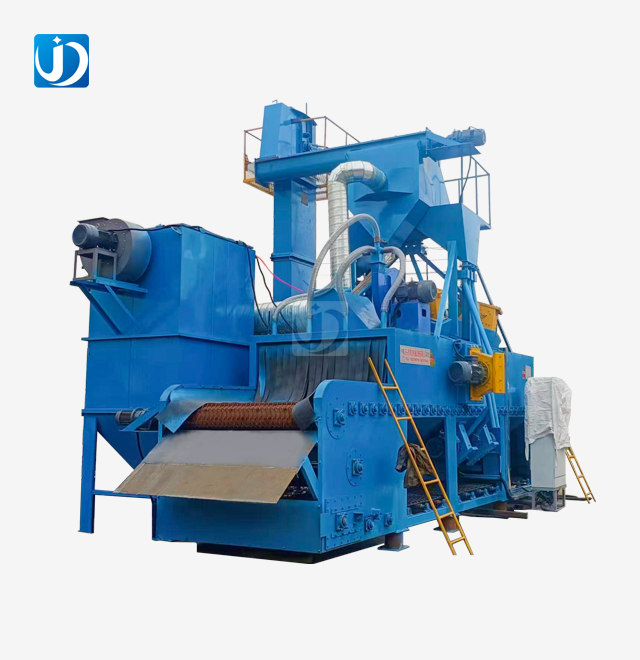
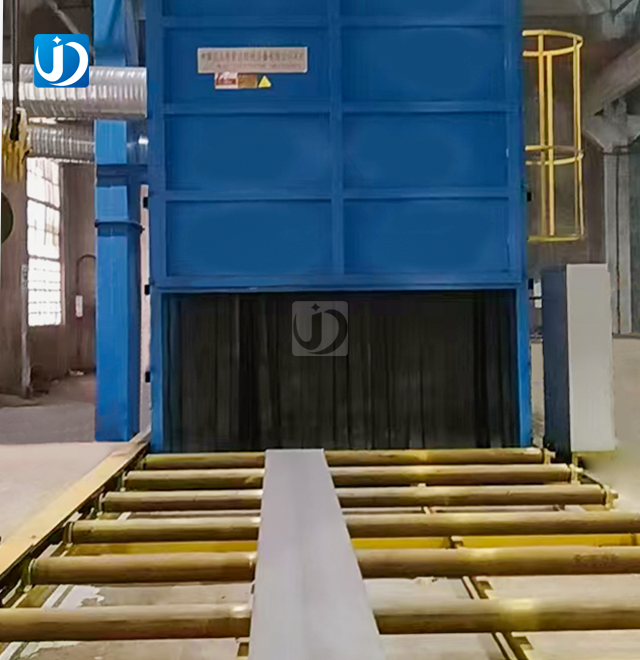
- Roller conveyor blast machines automatically move flat plates and structural parts through a blasting chamber. They are good for high-volume steel fabrication where continuous throughput is important.
- Tumble blast machines (tumblast) spin smaller castings and hardware parts inside a rubber-lined drum. This covers all sides of irregular shapes without the need for manual repositioning.
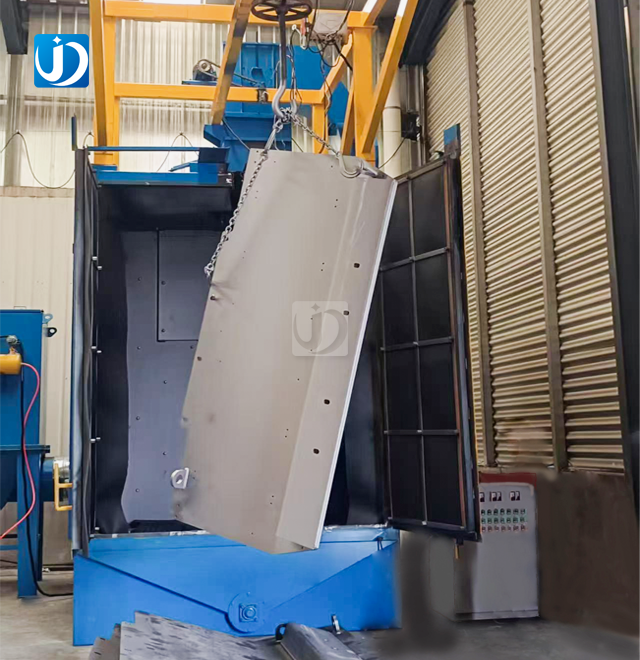
- Large, heavy parts can be suspended from rotating hooks in hook/hanger blast machines, which are perfect for axle housings for cars, frames for farm equipment, and weldments that are too big.
Smart PLC controls and variable-frequency drives come with each setup. These let operators change the conveyor belt speed and blast intensity to suit the material they are working on.
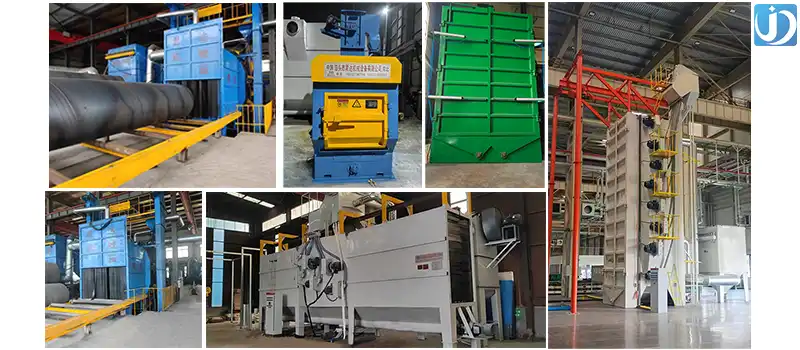
Materials Commonly Processed by Shot Blasters
The centrifugal blast machine is very strong since it can be used on many different types of materials. This list shows what the machine does well and why it does it well.
Carbon Steel and Structural Sections
A lot of the time, carbon steel plate, H-beams, angle iron, and hollow parts are used to make things. It is much easier for coatings to stick after the rough impact gets rid of mill scale and rust equally. The roughness profile is usually Rz 40–70 µm. It gets to Sa2.5 after going through a roller conveyor machine just once. This is the right level for making ships and homes in Europe and North America.
Cast Iron and Foundry Castings
Cast iron engine parts, pipe fittings, and machine housings have sand, flash, and oxide skin on them when they come out of the mould. You can get rid of these contaminants quickly with tumble blast tools that don't change the size limits. A group called the American Foundry Society says that shot blasting is used to clean more than 70% of iron casts before they are checked or coated one last time.
Hardware Parts and Precision Components
When you control a sub-process called "shot peening" with a shot blaster, it leaves a compressive stress on the surface of small steel stampings, fasteners, springs, and precision machined parts. It is proven by the International Journal of Fatigue that hardened steel springs and gears that have been shot peened last 20–50% longer before they break. A tumblast or spinner-hanger is a machine that does a lot of these parts.
Complex Fabrications and Non-Standard Structures
Axle housings for cars, frames for farm equipment, and certain weldments all have odd shapes that would take hours to grind by hand. It is called a multi-turbine spatial plan when blast wheels are put above, below, and on both sides of the piece of work. To make sure that both flat and curved surfaces are evenly cleaned in one cycle, this is done.
Concrete and Masonry Surfaces
Tools that you can walk behind are used to remove top coats and laitance from concrete floors so that they are more even. Shot blasting is a proven method for getting floors ready for epoxy and polyurethane coatings. A set of rules called ICRI Technical Guideline 310.2R-2013 tells us how good a concrete surface is by giving it a score between 3 and 6.
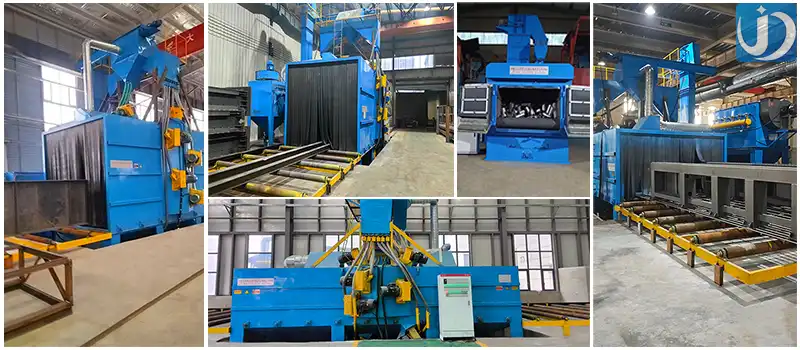
Selecting the Right Machine for Your Material
Matching machine specs to material type decides whether you regularly meet your cleanliness goal or have to do a lot of extra work. The main factors are the installed power, the size of the abrasive media, the number of blast wheels, and the speed of the conveyor.
Before you buy something, you should look at these main selection criteria:
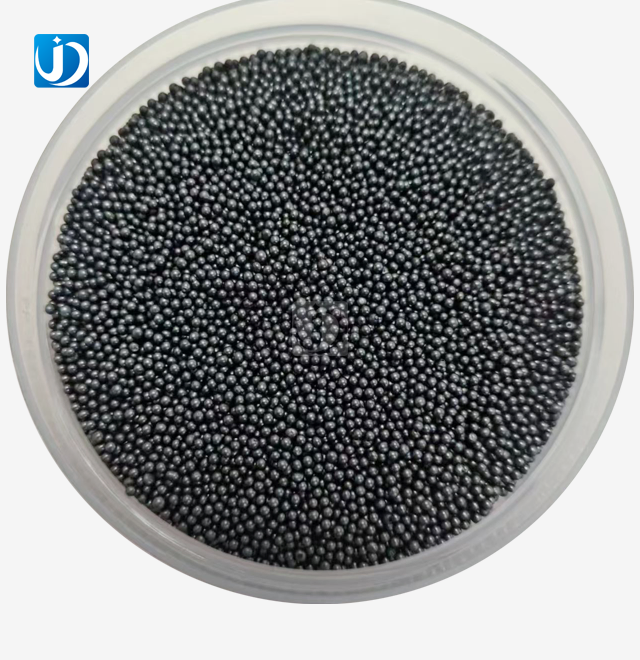
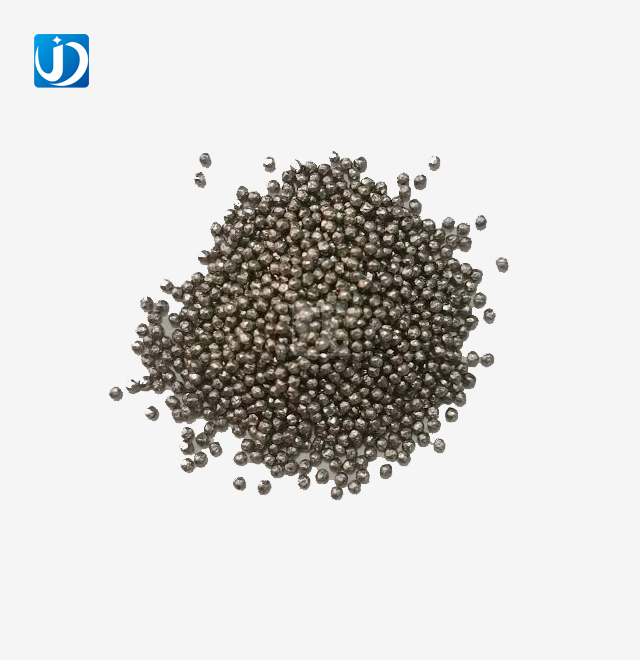
Built-in power (15–120 kW, upgradable to 200 kW): Higher kinetic energy is needed to move thick scale out of sections and casts that are heavier and thicker. Motors that are too small clean too little and wear out blades faster.- Abrasive media choice: S280–S330 steel shot is good for getting rid of general rust on light steel. The GL and GH grades of steel grit make an anchor profile that is deeper for thick-film industrial coatings. Picking the wrong type of media loses supplies and can hurt surfaces that are more flexible.
- Installed power (15–120 kW, customizable to 200 kW): Heavier sections and denser castings need higher kinetic energy to dislodge thick scale. Undersized motors lead to incomplete cleaning and accelerated blade wear.
- Abrasive media selection: S280–S330 steel shot suits general rust removal on mild steel. Steel grit (GL/GH grades) cuts a deeper anchor profile for thick-film industrial coatings. Selecting the wrong media type wastes consumables and can damage softer substrates.
- Blast wheel count and layout: A single-wheel machine handles thin plate adequately. Complex fabrications require three to eight wheels in a spatial arrangement to eliminate shadow zones.
- Conveyor or fixture type: Roller conveyors suit continuous flat stock. Hook machines handle heavy, irregular parts. Tumblast drums process small batch components efficiently.
These things have a direct effect on the rate of throughput, the grade of surface cleanliness, and the long-term cost of operation. Don't spend a lot of money on expensive fixes later on; get the specifications right when you ask for them.
Benefits of Using Shot Blast Equipment Across Different Materials
It is clear that spinning shot blaster tools are better than sandblasting or angle grinding when working with different types of materials.
There is a big rise in speed. Steel plates can be moved along a roller conveyor belt at speeds of 2 to 15 t/h. Blasting the same area by hand, on the other hand, takes a lot longer and doesn't always give the same results. Industrial units often have closed-loop abrasive recycling systems that automatically get steel shot back and use it again. The cost of supplies is up to 90% less than with open-air blasts.
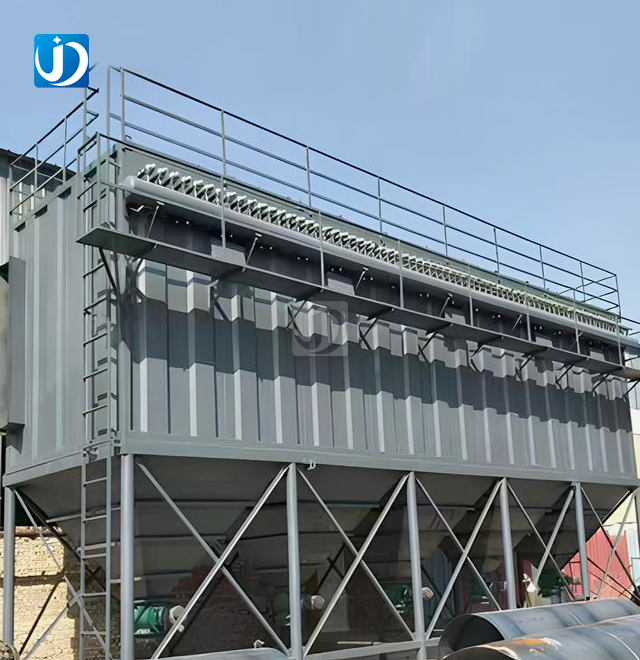
It is also easy to follow rules about the environment. Blast chambers that are shut off and built-in pulse-cleaned capsule filters keep dust inside the machine. By getting rid of the exposure to the open air that comes with hand-spraying, this directly meets OSHA 29 CFR 1910.1000 and European Directive 2004/37/EC rules on working air quality.
Upgrading 10-year-old manual blast lines to automated ones usually cuts down on the time needed to prepare the surface for each shift. It also cuts down on the number of repairs that need to be done because of uneven hand blasting, and it meets the needs of export orders that need Sa2.5 certification.
Safety and Best Practices When Processing Different Materials
Safe shot blast operation starts with understanding the hazard profile of each material being processed. Ferrous metals generate iron-oxide dust; concrete produces crystalline silica particulate. Both require engineering controls, not just respiratory PPE.
Standard site practices include:
- Enclosed blasting chambers with negative-pressure ventilation to prevent dust migration to adjacent work areas.
- Full-body PPE for any operator working near open blast zones: blast helmet, leather gloves, and hearing protection rated above 90 dB.
- Blade inspection every 50–80 operating hours. High-chrome alloy blades can extend service life beyond 100 hours, but worn blades reduce blast efficiency and increase motor load.
- ISO 8501-1 visual comparators used at the end of each shift to verify surface cleanliness grade against contract specification.
Dust and debris management should align with local environmental regulations. Pulse-jet cartridge filters standard on Junda machines capture fine particulate, and spent abrasive containing heavy metals must be disposed of according to EPA 40 CFR Part 261 waste classification guidelines in the U.S. market.
Conclusion
Most buyers don't realize that the right shot blaster can handle more materials than they think at first. It can clean everything from structural steel and iron castings to metal parts and concrete floors. It is important to make sure that the machine type, installed power, abrasive media, and fixture design are all right for the job. If you set those factors correctly from the start, you can regularly meet your cleanliness grade, keep your consumable costs low, and meet the export coating standards without having to do any extra work. If you need to write a procurement specification for new equipment for a production line or to replace old blast equipment, the material guide above is a good place to start.
FAQ
Can a shot blaster process aluminum or non-ferrous metals?
Yes, if you use the right media. To keep iron from getting embedded in aluminum and zinc-coated surfaces, softer abrasives like stainless steel shot or aluminum oxide must be used at lower blast speeds. Standard steel shot shouldn't be used on aluminum because the iron in it can speed up galvanic corrosion under coatings.
What is the difference between shot blasting and sandblasting?
In sandblasting, loose grit is pushed from a tube by compressed air. A spinning blast wheel that spins very quickly is used for shot blasting. Wheel-blast machines work in a closed system that reuses grit, are faster, and use less energy per square meter of surface that they fix. When making more than 1 t/h, wheel blasting is the normal method used in industry.
How often does a shot blasting machine need maintenance?
Every 50 to 80 hours, blast blades need to be checked. Under standard production loads, the wear liners inside the blast box should be checked once a month. High-manganese steel plates last between three and six months, but this depends on how much work they have to do. Modern machines have PLC-based monitoring systems that keep track of the hours they are used and let operators know when limits are getting close.
Can the machine achieve Sa2.5 on heavily rusted plate in one pass?
Yes, as long as the machine is set up correctly with enough power, the right size abrasives, and the right speed for the rust grade. It may be necessary to slow down the conveyor belt or do a second pass for Grade D rust (ISO 8501-1).
Ready to Find the Right Shot Blaster Supplier? Contact Junda Machinery
For 20 years, Junda Machinery has been making shot blaster equipment in Botou, Hebei. This is a famous place in Asia for making foundry and surface treatment equipment. Roller conveyor blast machines, tumblast units, hook machines, and unique designs up to 200 kW are all things we sell. Standard models can be shipped right away, and models made to order take about 15 days to make. We can help with CE paperwork, English operation instructions, and commissioning from afar. To get a specification sheet, email junda001@jundablast.com with information about your workpiece and your production goals, or go to jundablast.com.
References
1. SSPC: The Society for Protective Coatings. SSPC-SP 10/NACE No. 2: Near-White Metal Blast Cleaning. 2007.
2. ISO. ISO 8501-1: Preparation of Steel Substrates Before Application of Paints and Related Products — Visual Assessment of Surface Cleanliness. 2007.
3. ICRI (International Concrete Repair Institute). Technical Guideline No. 310.2R-2013: Selecting and Specifying Concrete Surface Preparation for Sealers, Coatings, Polymer Overlays, and Concrete Repair. 2013.
4. American Foundry Society. Metalcasting Industry Statistics and Casting Process Overview. 2021.
5. Schulze, V. Modern Mechanical Surface Treatment: States, Stability, Effects. Wiley-VCH. 2006.
6. Flavenot, J.F., and Niku-Lari, A. "Shot Peening and Fatigue Strength Improvement of Steel Components." International Journal of Fatigue, Vol. 9, No. 2. 1987.

USER EVALUATE
Real feedback and practical experience shared by worldwide partners who purchased our machinery and environmental treatment devices.