Mini Shot Blasting Machine: Complete Buying Guide for Businesses
If you run a small workshop, hardware shop, or metal processing facility and you're tired of sending parts out for rust removal or deburring, a mini shot blasting machine might be exactly what you need. This guide walks you through everything — how these machines work, what they can do for your business, how to pick the right model, and how to keep it running well. Whether you're buying your first unit or upgrading existing equipment, this page gives you the practical information to make a confident decision.
Understanding Mini Shot Blasting MachinesWhat Is a Mini Shot Blasting Machine?
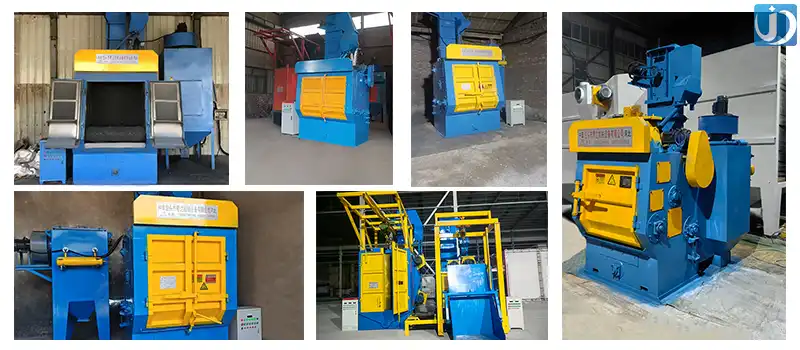
A mini shot blasting machine is a surface treatment tool that shoots steel shot at very high speeds, usually between 55 and 80 m/s, to get rid of rust, scale, and burrs on metal surfaces. It gives uniform results without the mess or chemical waste of grinding by hand or treating with chemicals. These tools are made for small-scale production, testing samples, and workshops with limited room for both floor space and power.
How It Works and How It Differs from Sandblasting
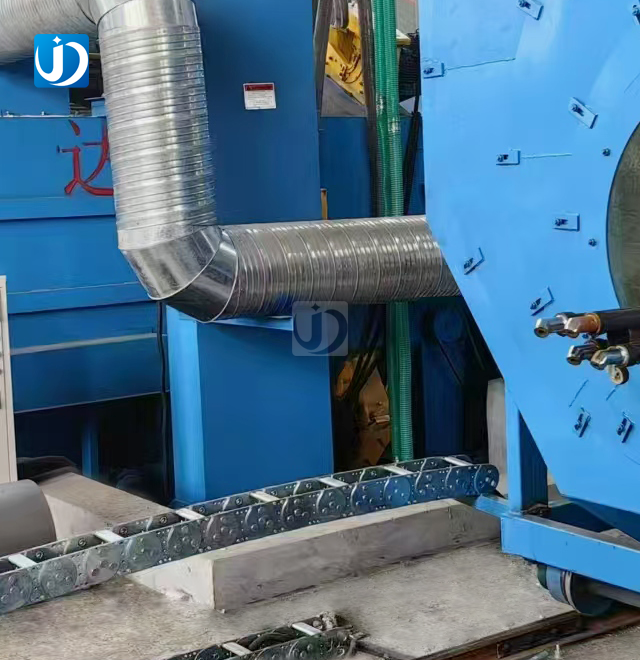
Steel abrasives are pushed against the surface of the workpiece by rotating blast wheels that are driven by motors ranging from 7.5 kW to 45 kW. The area stays clean because of a closed-loop recycling system that picks up and reuses the shot. Shot blasting is faster, makes a more uniform anchor shape, and makes less dust than sandblasting. The enclosed chamber design also lowers the noise level, which is important in small spaces that don't have soundproofing.
Key Components and Machine Types
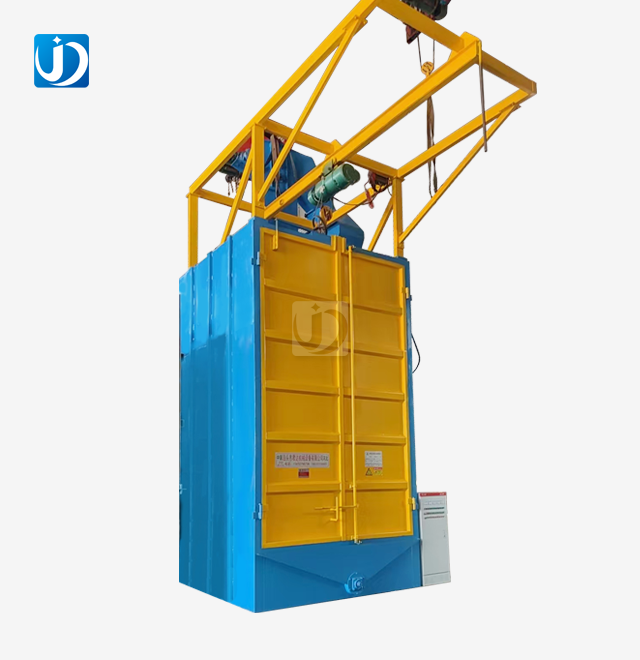
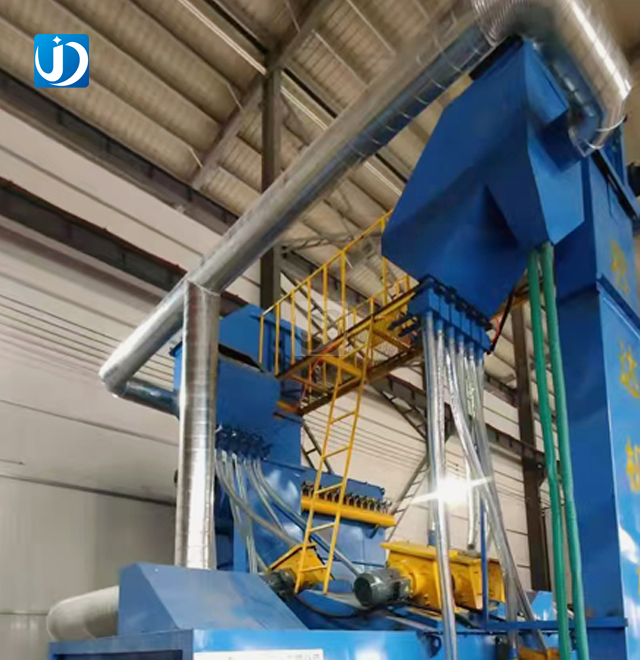
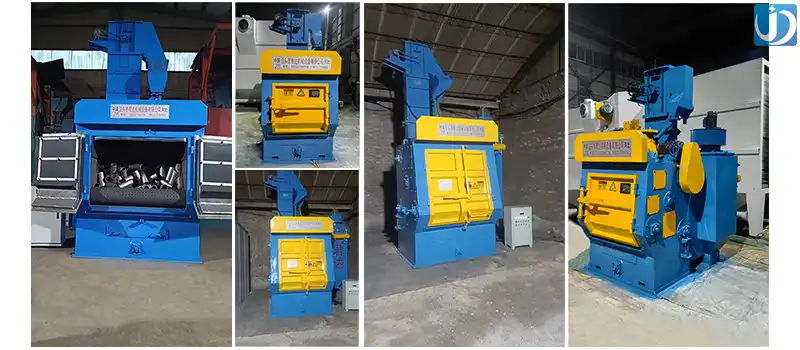
A standard unit comes with a dust collector, wear-resistant liners, alloy blades, multi-layer seals, blast wheels, and a shot recovery conveyor. There are two main types: manual batch-load models are best for very small shops, and automatic continuous-feed models can handle up to 5 t/h of work. The multi-angle blast plan makes sure that there are no dead spots and coverage in all directions. This is especially important when cleaning fasteners, mold parts, or small casts that don't have a straight shape.
Benefits and Applications for B2B BusinessesCore Operational Advantages
Using a mini shot blasting machine to do surface treatment in-house cuts down on costs and delays caused by outsourcing. Those savings add up quickly for a small hardware shop that makes fasteners or small car parts. To sum up the main benefits, here they are:
- Low space requirement: The small, enclosed design fits into tight workshop corners without the need for a foundation pit.
- Simple operation: After some basic training, one person can run the machine. With the automatic shot recovery system, you don't have to clean up by hand between batches.
- Consistent surface quality: Multi-angle blasting achieves cleanliness levels of Sa 2.0 to Sa 2.5, meeting standards for coating preparation in automotive, hardware, and mold repair settings.
These benefits directly address the two worries that most small workshop owners have first: will it fit, and can my team use it without any issues?
Industry Applications
At this size, shot blasting tools can work with a lot of different parts. Before coating or plating, abrasive surface cleaning is good for foundry castings, forged hardware, automotive fasteners, mold steel parts, and aluminum die-cast parts. Smaller models are also used to train students and prepare samples in labs and vocational schools. When batch numbers are small but surface quality needs to be high, this machine works well.
Safety and Compliance
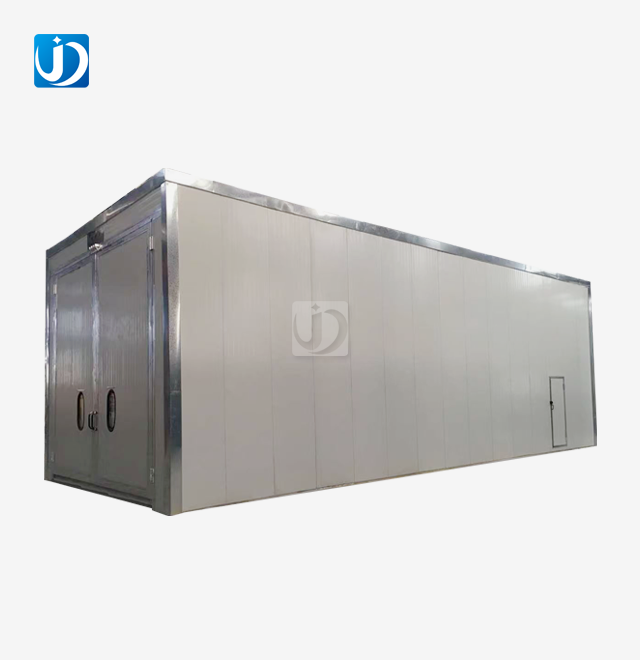
The fully sealed chamber design controls the flow of dust and shots. A multi-layer sealing system stops shots from leaking, and the built-in dust collector keeps the amount of dust in the air at a safe level. During repair rounds when the chamber is open, operators should wear the right PPE, such as eye and hearing protection.
Comparing Mini Shot Blasting Machines: Making the Right Choice
Mini vs. Conventional Shot Blasting Machines
Conventional shot blasting lines are designed to produce a lot of things all the time. They take up a lot of space on the floor and need three-phase power of at least 60 kW. A mini shot blasting machine, on the other hand, starts at 7.5 kW installed power and can handle 0.3 t/h, so it can be used in shops that don't have a lot of space or electricity. The trade-off is batch size, not quality, because the standard for the surface finish stays the same.
Choosing Between Manual and Automatic Models
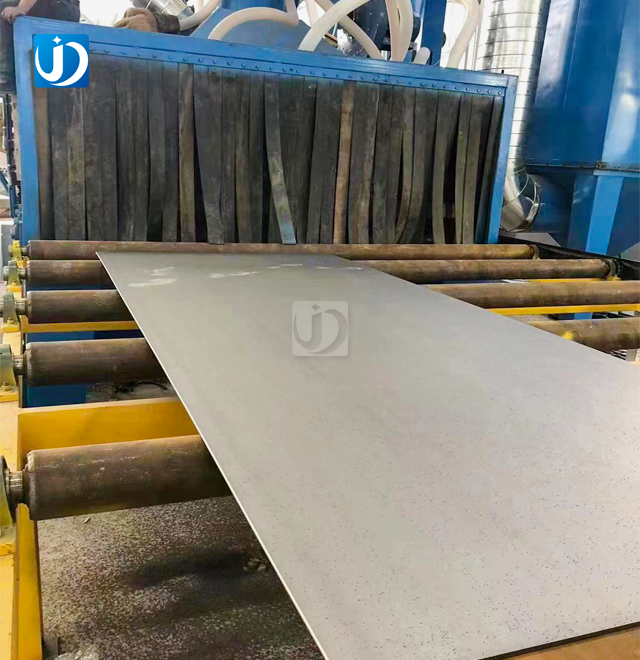
Manual load-and-blast models work well for shops that make a small number of odd or large parts every day. Automatic models with a conveyor belt or a tumble drum work well for shops that make consistent batches of fasteners, springs, or small castings. Before choosing a model, you should find out the largest piece of work you need to process and how much you want to complete each day. These two numbers will help you find the right configuration faster than any comparison of spec sheets.
Why Junda Machinery Stands Out
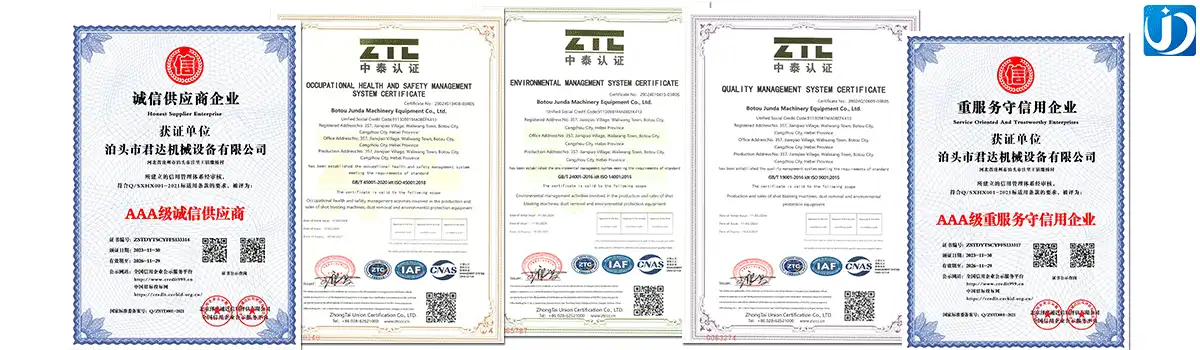
These tools have been made and sent all over the world for more than 20 years by Junda Machinery, which is based in Botou, Hebei, which is known as China's center for making shot blasting equipment. The business has ISO 9001, ISO 14001, and ISO 45001 certifications, as well as two utility model patents and its own intelligent monitoring software for controlling machines and planning upkeep. Customers often say that the English operation instructions, quick response times (within 6–8 hours), and availability of original extra parts make buying from abroad less risky.
Maintenance and Operational Best PracticesDaily and Monthly Maintenance Schedule
Blast wheels, plates, and abrasive recovery systems last longer when they are well taken care of. As part of daily checks, you should look at the wear on the blades, the amount of shot in the recovery hopper, and the separator for any blockages. Once a month, the liner thickness, seal strength, and state of the dust collector filter should all be checked. Junda Machinery helps operators who have never used mini shot blasting machines before by giving them maintenance videos and English-language manuals.
Troubleshooting Common Faults
Most of the time, compact blast units have problems with uneven surface coverage (usually because the blades are worn or the blast angle is off), shot leakage (usually because the seals are worn), and slower cleaning speed (usually because the shot volume is low or the separator is clogged). Each problem is easy to fix, and if needed, Junda's virtual technical help team can use video calls to figure out what's wrong.
Spare Parts and After-Sales Support
The parts that wear out the fastest are the blades and liners, so the facility should keep them in stock. Original extra parts from Junda Machinery are always available, and because the machines are flexible, most of the parts can be changed without any special tools. There is a full warranty on the machine, and if remote support isn't enough, an engineer can come from another country.Procurement Guide and Decision Support for Businesses
Key Evaluation Criteria
When looking for a mini shot blasting machine, you should think about the following things in order: the range of workpiece sizes you need to blast, the amount of work you need to do each day, the amount of floor space and power you have access to, how much dust you need to collect, and where you can find extra parts. Price is important, but the total cost of ownership, which includes things like energy use, how often parts need to be replaced, and the chance of downtime, gives a more accurate picture of value.
New vs. Used Equipment
The price of used machines may seem good, but it's hard to tell how worn the blast wheels and liners are without looking at them, and it can be hard to find replacement parts for models that have been taken off the market. A new machine from a manufacturer with documented after-sales support lowers operational risk by a large amount for first-time buyers who don't have a lot of technical staff. With LCL (less-than-container load) shipping, buying a single item from China is easy and cost-effective.
Sourcing From a Trusted Manufacturer
Junda Machinery can handle OEM and ODM orders, private labeling, custom dust collection setups, and changing the voltage for foreign markets. About 15 days are needed to make standard customizable units. The business works with a number of freight forwarders and can take care of all export paperwork, such as helping with the customs statement and certificate of origin.
Conclusion
One of the best things a small production or processing business can buy to do surface treatment in-house is a mini shot blasting machine. By cutting down on wait times, hiring costs, and the types of work your shop can do, the right machine pays for itself very quickly. If you choose the right model, train your operators properly, and get your parts from a dependable source, this equipment will last for years with little downtime. Junda Machinery is ready to help you find the right machine for your parts and amount of work.
FAQ
1. How often do I need to replace the blast blades?
Blade life depends on the type of abrasive and the number of hours it is used every day. When used normally with regular steel shot, metal blades last between 500 and 800 hours. Junda Machinery ships each machine with a spare set of blades and keeps extras on hand for long-term use.
2. Is shot blasting safer than sandblasting for my workers?
Yes. Silicosis, a dangerous lung disease linked to breathing in silica dust, is not a risk when steel shot is used instead of silica sand for mini shot blasting machines. The sealed chamber design also does a better job of keeping flying particles inside than open-blast sandblasting setups.
3. Can I run this machine with standard workshop power?
Standard three-phase industrial power, which is common in factories, can be used with smaller models starting at 7.5 kW. Before you place your order, you should find out how much amperage your facility has available. Junda can also set up the machine to work with your local voltage standard.
4. Can I test my parts before purchasing?
Yes. Junda Machinery does accept sample workpieces for trial blasting and provides video documentation of the results. Before you buy, this is the most reliable way to make sure that a certain model will work with your part's shape and material.
Get a Quote From Junda Machinery — Mini Shot Blasting Machine Supplier
Junda Machinery has been making mini shot blasting machines for 20 years and has foreign certifications and quick expert support. As a reliable manufacturer, we can make equipment that fits your needs for power, workpiece size, and dust control. You can get a quote, download the product catalog, or talk to a sales consultant right away by emailing junda001@jundablast.com.
References
1. SSPC: The Society for Protective Coatings — Surface Preparation Standards, SSPC, 2020.
2. Abrasive Blasting Operations: Engineering Control and Work Practices Manual, U.S. Department of Health and Human Services (NIOSH), 2019.
3. Shot Peening and Blast Cleaning: Technology and Applications, Metal Finishing, 2021.
4. ISO 8501-1: Preparation of Steel Substrates Before Application of Paints and Related Products, International Organization for Standardization, 2019.
5. Occupational Exposure to Respirable Crystalline Silica, U.S. Occupational Safety and Health Administration (OSHA), 2016.
6. Surface Treatment of Metals: Cleaning, Finishing and Coating, ASM International Handbook, 2018.

USER EVALUATE
Real feedback and practical experience shared by worldwide partners who purchased our machinery and environmental treatment devices.