What Is a Shot Blasting Unit and How Is It Used?
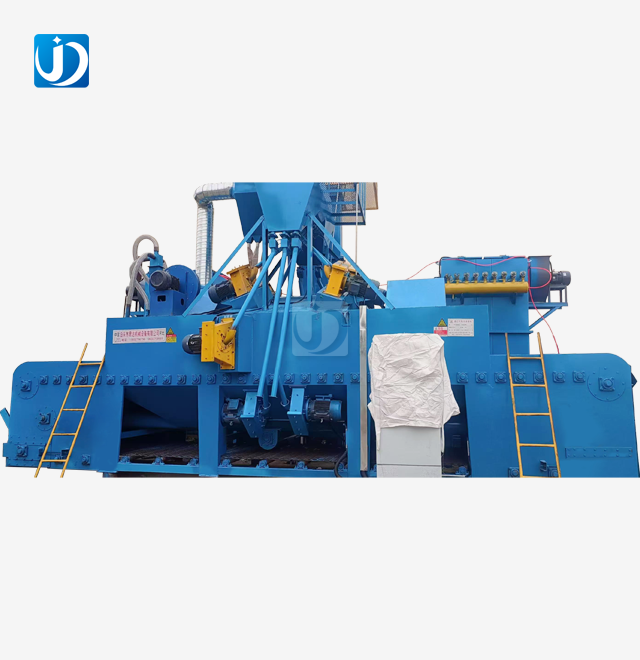
Blasting metal with steel shot, grit, or cut wire at high speed gets rid of rust, scale, and other surface contaminants. A shot blasting unit is a closed, modular industrial machine that does this. Unlike open-air sandblasting, a shot blasting unit contains the entire process within a sealed chamber, making it suitable for inline production environments. These machines can make between 80 and 600 parts an hour, depending on how they are set up. Because they work directly with robotic arms, conveyor systems, and PLC networks, they are the usual choice for lines that make cars, fasteners, and bearings.
Understanding Shot Blasting Units: Definition and Working Principle
What Does a Shot Blasting Unit Actually Do?
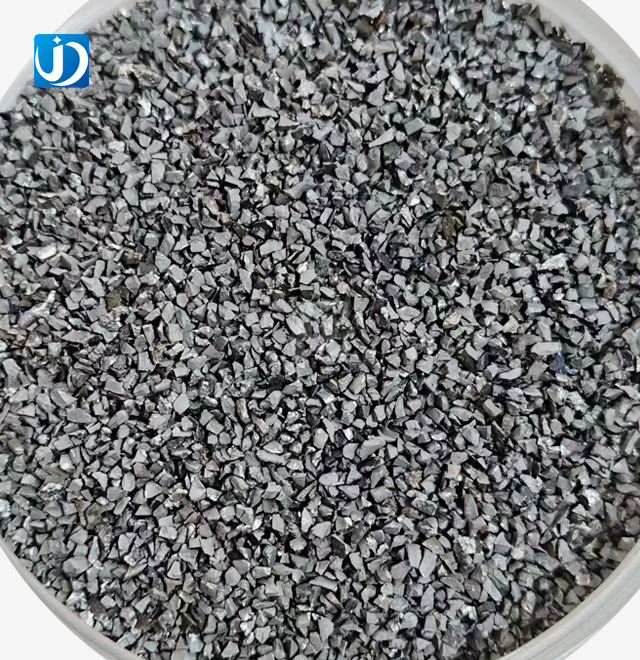
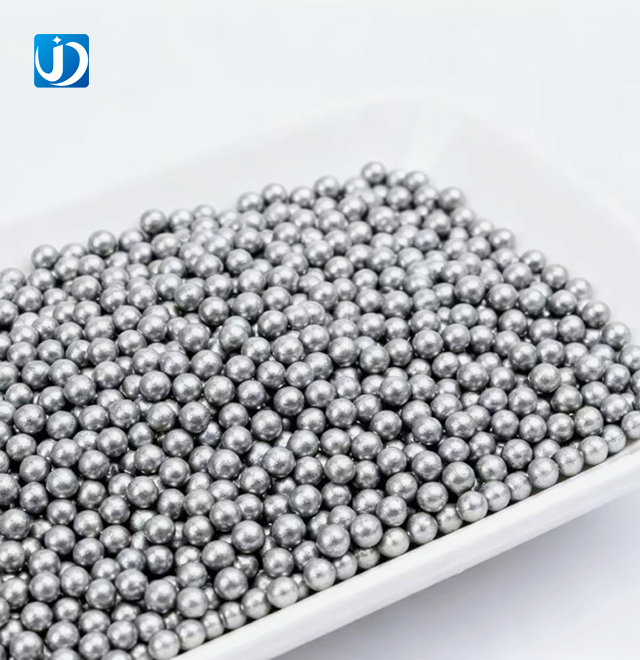
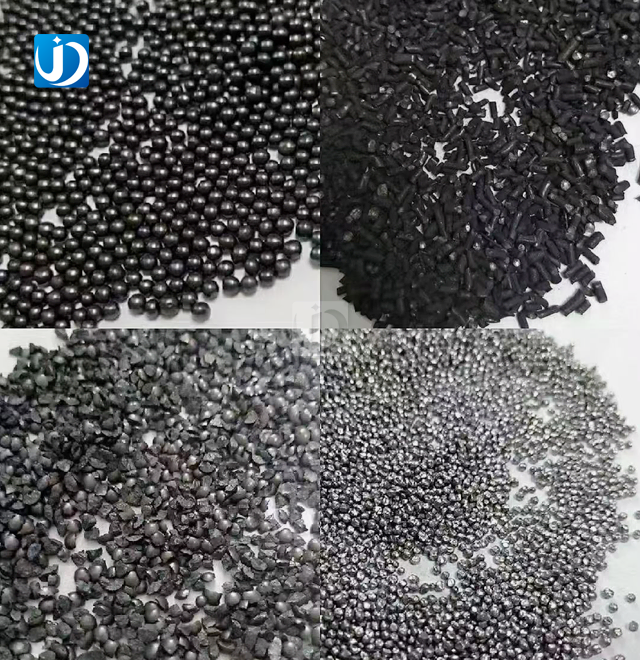
A high-speed blast wheel quickly presses abrasive materials against the work area. It is the main part of a shot blasting unit. The motors in these wheels range from 7.5 kW to 55 kW. It gets rid of rust, casting waste, and mill scale, and it also makes an anchor profile that can be controlled. Coatings will stick to it if it's this shape, and it meets ISO 8501-1 standards such as SA 2.5 and SA 3.0.
Key Mechanical Components
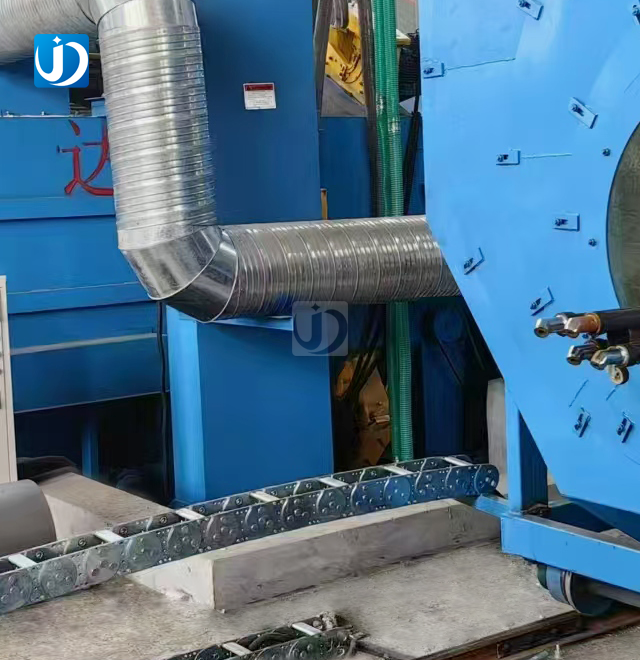
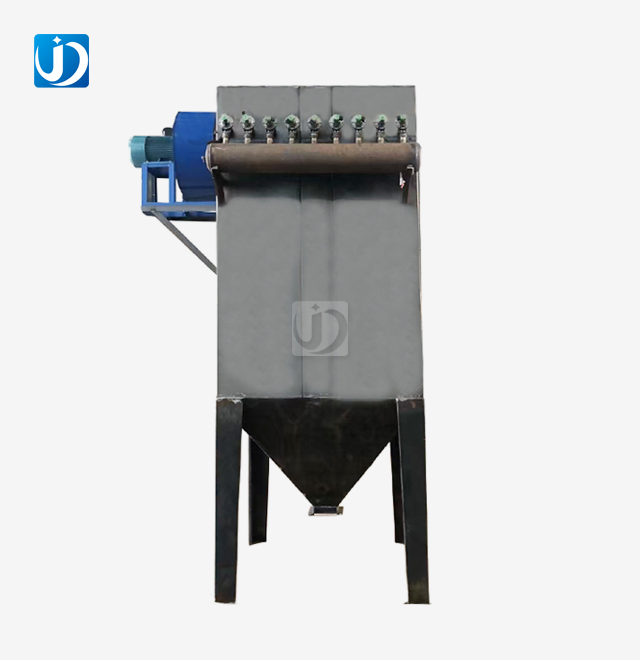
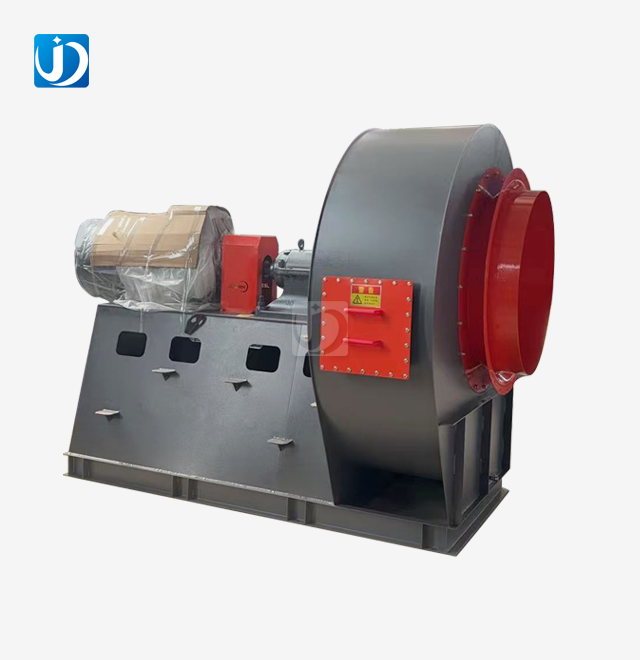
Each unit has three useful steps that all fit together. Spinal force from the blast wheel moves the media around. After the used media has been set apart, the abrasive recovery roller takes it back to the storage bin. A canister or pulse-jet cleaner picks up small bits of dust and dirt and keeps the work area clean. They have a closed loop that keeps costs low over time and cuts down on waste.
Types of Shot Blasting Units
Wheel blast and air blast are the two main types of drive. Turbines in wheel blast units turn all the time and can make a lot of different things. They can work on metal parts for cars or engines at a rate of more than 200 parts per hour. Compressed air is used to move media in air blast units, which give you more precise control over where small and large parts go. It's possible to find different styles in these groups, such as hanger type, tumble belt, roller conveyor, and inline modules. For each part, a certain form and line pattern works best.
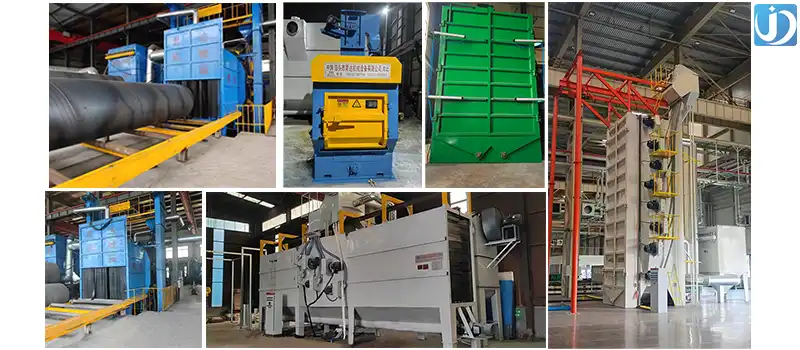
Core Applications and Benefits in Industrial SettingsWhere Shot Blasting Units Are Commonly Used
A lot of big companies use tools for shot blasting. Inline modular units are used by Tiers 1 and 2 automakers to clean gearbox housings, brake rotors and suspension parts while they wait for other stations to cut and finish them. Tumble-belt machines clean a lot of bolts and nuts for places that make them. According to study from SAE International, bearing manufacturers use directed shot peening to make the races of their bearings less likely to wear out. Something can last up to 20% longer after this process.
Production and Quality Benefits
When you use a portable blasting machine to prepare the surface, none of the problems that come with cleaning by hand happen. The surface pattern can be used more than once, which directly lowers the number of jobs that fail and need to be redone. Most of the time, companies see their output go from 30 parts per hour to over 120 parts per hour when they stop blasting by hand or hire someone else to do it. That kind of rise often cuts the cost of making each part by 30% or more, even when you count the cost of shipping and work.
Some of the most important things you should know about making a shot blasting unit are:
- Consistency in throughput: Closed-loop controls and automated media recycling keep cycle times stable across full production shifts without letting operator fatigue affect the quality of the output.
- Accurate surface profile: blast wheels that can be placed on the top, the side, or the bottom can cover complex shapes in a single pass, which cuts down on the need for extra work.
- Line integration: The unit can talk to existing PLCs and upstream and downstream equipment directly thanks to its support for the Profinet, EtherCAT, and Modbus protocols.
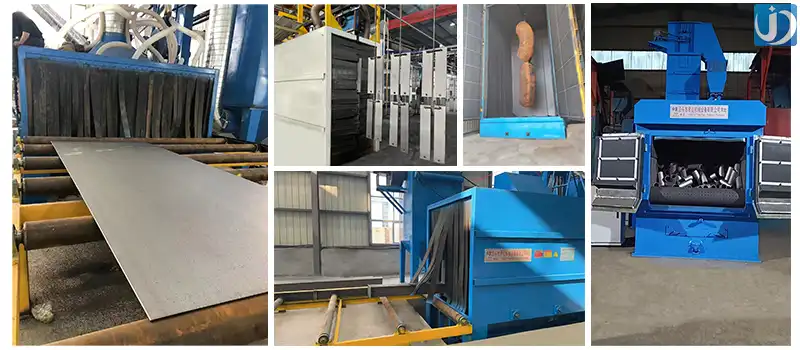
Comparison and Selection CriteriaShot Blasting vs. Sandblasting vs. Bead Blasting
Mineral grit or silica is moved around by forced air during sandblasting. There is a lot of dangerous silica dust that comes out of it, so many industry sites in the US and EU don't let it happen or put limits on it. Round pieces of glass or clay are used in bead blasting to make a smooth, shiny finish. This is nice to look at, but it won't get rid of rust fast. Steel-based shot blasting is in the middle when it comes to surface roughness. It is done in a room that is completely enclosed, keeps dust out, and meets OSHA and EPA guidelines for industry settings.
Manual vs. Automatic: When Does Automation Make Sense?
Manual or semi-automatic units can be used in job shops that make less than 30 parts per shift. It saves time and work for the fully automatic inline unit when the production line is always running or when the number goes over that limit. IATF 16949 documentation needs to be able to track the process. Automation gets rid of the variation that comes from having different people change the surface preparation step.
Selection Factors for Procurement Engineers
Before putting out an RFQ, teams that are buying should make sure that the seller meets these conditions:
- Footprint and installation clearance: Modular units designed for inline installation have fixed mechanical and electrical interface points. Confirm these match existing line dimensions.
- Electrical interface: Motor voltage, PLC protocol compatibility, and control panel language support all affect installation time.
- Noise and vibration ratings: Industrial blast units typically generate 85–95 dB(A); specify required enclosure damping when line workers operate nearby.
- Maintenance access: Top-access or side-access service panels affect scheduled downtime during blade and liner replacement intervals.
When these factors are matched early on in the selection process, there is less risk of integration and less time needed for commissioning.
Maintenance, Safety, and Environmental Considerations
Routine Maintenance Practices
Blast wheel blades in a shot blasting unit wear at different rates depending on media type. Steel shot produces less blade wear than angular grit; blade sets typically last 200 to 1,000 operational hours. Inspecting blade thickness monthly and replacing the full set as a matched group prevents the uneven wear that causes vibration. The abrasive separator screen should be inspected weekly to prevent oversized media fragments from recirculating and damaging the blast chamber liner.
Operator Safety Guidelines
Workers near active shot blasting equipment require hearing protection rated for environments above 85 dB(A). The blast chamber must be fully interlocked so the door cannot open during operation. Dust collector filter cartridges should be changed on schedule — typically every 1,000 hours — to maintain negative pressure inside the chamber and prevent fine metal dust from escaping into the facility air.
Environmental Compliance
Modern enclosed blast units generate no open-air dust plumes, which distinguishes them from legacy sandblasting operations. Cartridge dust collectors capture particulate at 99%+ efficiency, and the collected dust is classified as non-hazardous metal swarf in most U.S. jurisdictions when using steel media. Energy-efficient drive motors and automated standby modes reduce power draw during idle periods, which supports both cost control and sustainability reporting requirements under frameworks like ISO 14001.
Procurement Guidance: Buying a Shot Blasting Unit
Understanding Cost Structures
Prices change based on the blast chamber's size, the number of blast wheels, the motor's power, and how automated the machine is. The cost of straight units with only one module is different from the cost of steel roller conveyor systems with many wheels. Installing things like connecting the power, making sure the base is stable, and figuring out where to put the dust duct usually adds 10–20% to the cost of the equipment itself. These costs should be included in the project budget from the beginning.
Verifying Supplier Credibility
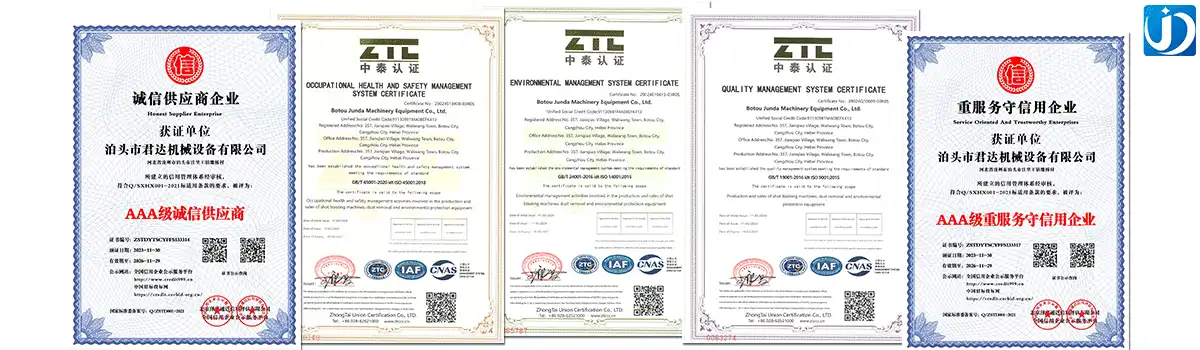
When you decide to work with a seller, check to see if they have ISO 9001 certification, paperwork packages that meet IATF 16949 standards, and First Article Inspection (FAI) records. If you want to connect a production line, ask for Profinet or EtherCAT protocol test records that show how to talk to the PLC brand you use. It's very important that you can get help after the sale and that there is a local service engineer available. This is especially true for factories that have to keep their production schedules very tight and can't have long breaks.
Steps to Request a Quote
Gather information about the part's size and material, the number of parts that need to be made every hour, the current PLC platform and protocol, the available floor space, and any necessary certifications (such as CE, IATF paperwork, etc.) before calling suppliers. An in-depth RFQ speeds up the quote process and gets more accurate bids from sources who have actually made things before.
Conclusion
At high production speeds, one of the hardest things about making things is making sure that the surface of metal parts is clean, even, and repeatable. This problem can be fixed with a shot blasting unit. The right inline blasting module lowers the cost per part, meets coating quality standards, and links directly to the tools you already have on the line. From making parts for cars to making precise screws, it can be used for everything. If you choose a seller with real after-sales support, open interface documents, and checked certifications, it can make the difference between an easy installation and one that takes a long time and costs a lot of money. Buyers and process managers should be able to use the information in this piece to build a strong case for their review.
FAQ
How often should I change the media for shot blasting?
Over time, steel shot media breaks down as the particles break up into fines. Most operators use a sieve analysis to check the size distribution of the media once a week and add new media on top of it to keep the particle sizes consistent. A full media replacement depends on how dirty the media is and how many hours it has been used, but for high-volume lines, a check every three months is normal.
How loud is it going to be, and how do I deal with it?
At one metre from the outside of the cabinet, enclosed shot blasting units usually make between 85 and 95 dB(A). Noise transmission is cut down by sound-dampening shelters and anti-vibration mounts. OSHA 29 CFR 1910.95 says that workers within three meters of the unit should wear earplugs with a 25 dB(A) rating while it's running.
Can a shot blasting unit be changed to work with different kinds of parts?
Yes. You can change the position of the blast wheel, the type of media, the speed of the conveyor, and the rotation time. With a fast changeover design, modular units from companies like Junda Machinery can support changes in both tools and fixtures. PLC programs can also store multiple recipe profiles for different part families that are being made on the same line.
What PLC protocols do new units work with?
Modular units on the market now work with Profinet, EtherCAT, and Modbus TCP/RTU. Which protocol to use depends on the brand of line controller that is already in use. Check for compatibility during the RFQ stage to avoid delays in merging during commissioning.
Get a Custom Shot Blasting Unit Quote from Junda Machinery
For 20 years, Junda Machinery has been designing and building modular shot blasting units for lines that make cars, fasteners, and bearings. We have ISO 9001, ISO 14001, and ISO 45001 certifications for our units, and we offer full paperwork packages that work with IATF 16949. As a reputable business that makes shot blasting units, we can integrate Profinet, EtherCAT, and Modbus. We can also identify and set up ODM/OEM units on-site. You can start your request at jundablast.com or email junda001@jundablast.com with information about the part and how much output you need.
References
1. Society of Automotive Engineers (SAE International). Shot Peening Applications, 9th Edition. SAE International, 2012.
2. International Organization for Standardization. ISO 8501-1: Preparation of Steel Substrates Before Application of Paints and Related Products. ISO, 2007.
3. Occupational Safety and Health Administration (OSHA). Occupational Noise Exposure Standard: 29 CFR 1910.95. U.S. Department of Labor, 2008.
4. Wheelabrator Group. Shot Blasting Technology and Equipment Reference Manual. Wheelabrator Group Technical Publications, 2018.
5. Metal Finishing Suppliers' Association (MFSA). Surface Preparation Industry Technical Standards Guide. MFSA, 2020.
6. International Automotive Task Force (IATF). IATF 16949:2016 — Quality Management System Requirements for Automotive Production and Relevant Service Parts Organizations. IATF, 2016.

USER EVALUATE
Real feedback and practical experience shared by worldwide partners who purchased our machinery and environmental treatment devices.