Pipe Air Blasting Machine: Complete Buying Guide for Industry
If you work in pipeline corrosion protection, oil and gas construction, or scaffold tube refurbishment, choosing the right pipe air blasting machine can directly determine whether your project passes inspection — or gets sent back for rework. This guide covers everything industrial buyers, project engineers, and procurement teams need to know: how these machines work, what separates a good model from a great one, how to evaluate suppliers, and what maintenance actually looks like in practice. Whether you are sourcing for a single project line or planning an OEM partnership, the information here will help you make a confident decision.
Understanding Pipe Air Blasting Machines: How They Work and Their Benefits
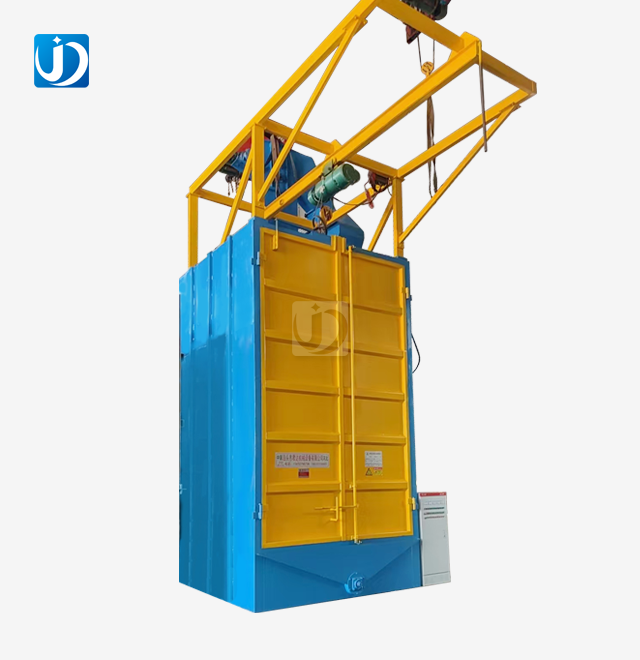
A pipe air blasting machine is a type of mechanical surface preparation system that is designed to work with cylinder-shaped objects. It doesn't just use compressed air; it also uses high-velocity centrifugal blast wheels to throw steel shot or grit against the pipe surface very quickly. This removes rust, mill scale, and old coatings.
The Core Operating Principle
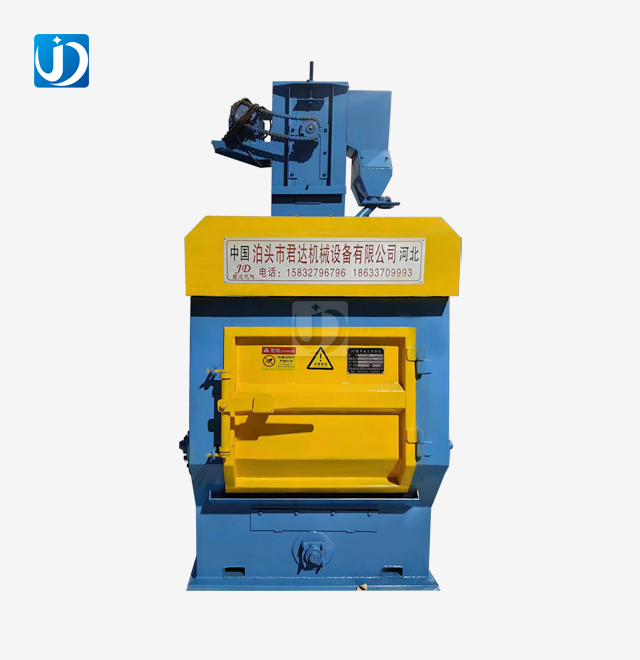
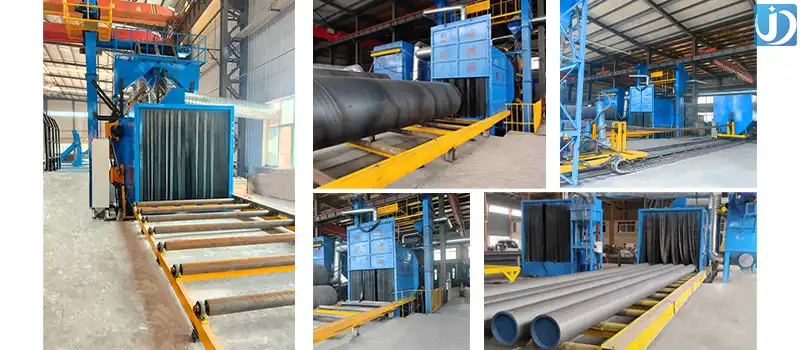
Most industrial-grade devices for shot blasting pipes put the pipes on V-shaped wheels that spin. As the pipe moves through the blast chamber and spins, multiple blast wheels placed around the outside cover the whole area so there are no dark spots. According to ISO 8501-1, this design always meets the cleanliness levels of Sa 2.5 or Sa 3.0. This is the standard that most contractors who coat pipelines must meet before they can put on any protective coating.
Key Performance Benefits
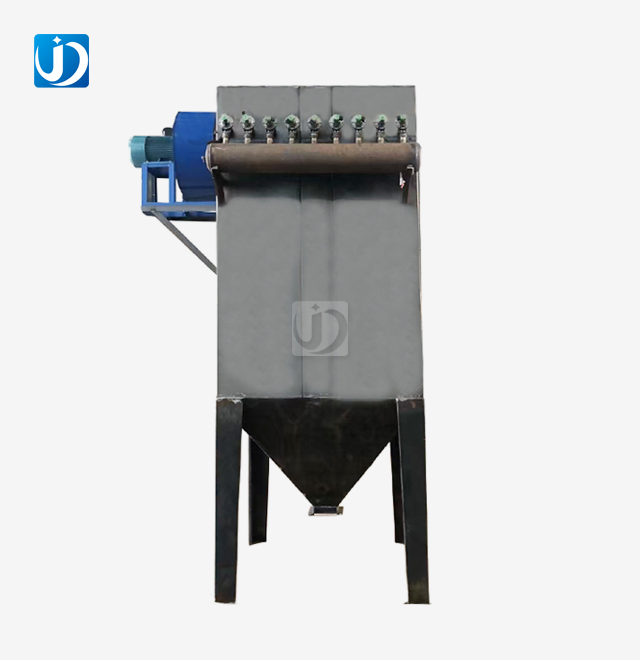
When compared to sandblasting by hand, automatic pipe blasting equipment is better in three clear ways. First, it's much easier to predict how the surface will be. For example, digital roughness gages regularly confirm that Rz anchor profiles are within specification along the whole length of the pipe. Second, cycle time per pipe goes down a lot. For example, a 12-meter steel pipe can be processed all the way through in a single pass. Third, enclosed blast chambers with multistage pulse-jet dust collectors keep particle emissions well below 20 mg/m³. This makes sure that operations follow environmental rules.
Suitable Pipe Materials and Applications
This kind of machinery can work with ERW pipe, scaffold tubes, oil and gas transport pipe, chemical plant pipe, and pre-galvanized pipe. Before adding fusion-bonded epoxy (FBE), three-layer polyethylene (3LPE), or hot-dip galvanizing coats, these are the best solutions for pre-treatment.
Types and Features of Pipe Air Blasting Machines: Choosing the Right Model
There are different ways to build a pipe air blasting machine. If you choose the wrong type, you might not get enough coverage, lose abrasive, or end up with a machine that can't handle the size of your pipe.
Stationary vs. Portable Systems
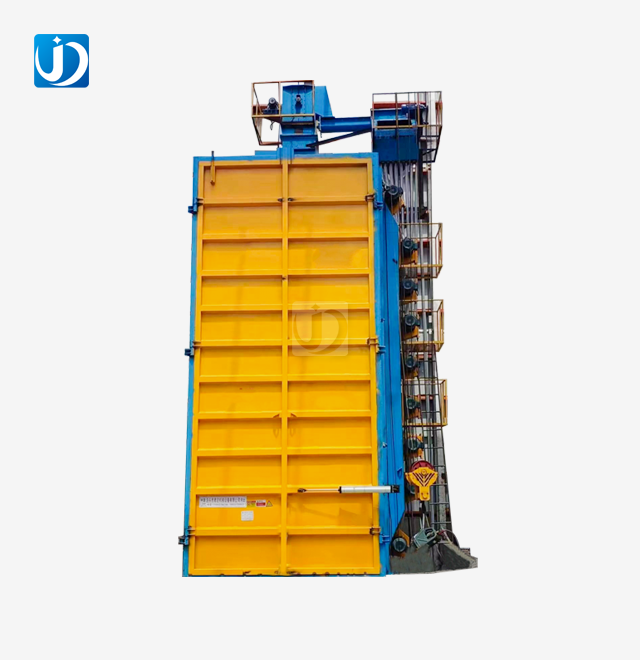
Stationary production line systems are made for pipe coating companies with a set yard, scaffold tube refurbishment facilities, and plants that handle a lot of pipes. Units that are portable or mounted on a skid give you more options for working on projects on-site where pipes can't be moved. A stationary system with a roller conveyor and automatic feed gives most B2B buyers who deal with large amounts of pipe better output per shift.
Automated vs. Semi-Automated Models
Variable Frequency Drives (VFDs) change the speed of the conveyor based on the pipe diameter and the level of cleanliness that is needed. Semi-automated types cost less up front but need more work from a helper. Automated speed control is worth the money for operations aiming for Sa 2.5 with consistent anchor profile depth. One of the main reasons for uneven surface preparation is pipes that move at different speeds.
Extended-Length Models for 12-Meter Pipes
Standard blast chambers can usually hold pipes that are up to 6 meters long. When working with 12-meter joints, pipeline workers need specially designed tools that have longer roller conveyor beds, bigger blast zones, and more blast wheel positions. This is not a small change; the structural frame needs to be redesigned, and the wheel angles need to be recalculated so that the machine can cover the whole length of the pipe in 360°.
Procurement Considerations: How to Select and Buy a Pipe Air Blasting Machine
You can't buy a pipe surface preparation machine from a catalog. The process of specifying is just as important as the machine itself.
Define Your Technical Requirements First
Write down your pipe diameter range, wall thickness, pipe length, goal cleanliness grade (Sa 2.5 or Sa 3.0), needed anchor profile (Rz in microns), and estimated throughput in pipes per shift before you call any suppliers. These factors decide how powerful the blast wheels need to be (usually between 7.5 and 75 kW per wheel), how many wheels are needed, and the speed range of the roller belt. When talking to suppliers, be wary of those who skip these questions and give you a general price.
Evaluate Supplier Qualifications
Here are the most important things to look for in a pipe blasting machine provider when comparing them:
- ISO 9001 certification: Confirms documented quality management in design and manufacturing, not just final inspection.
- CE marking support: Required for machines entering the EU and increasingly expected in Middle East and Southeast Asian project specifications.
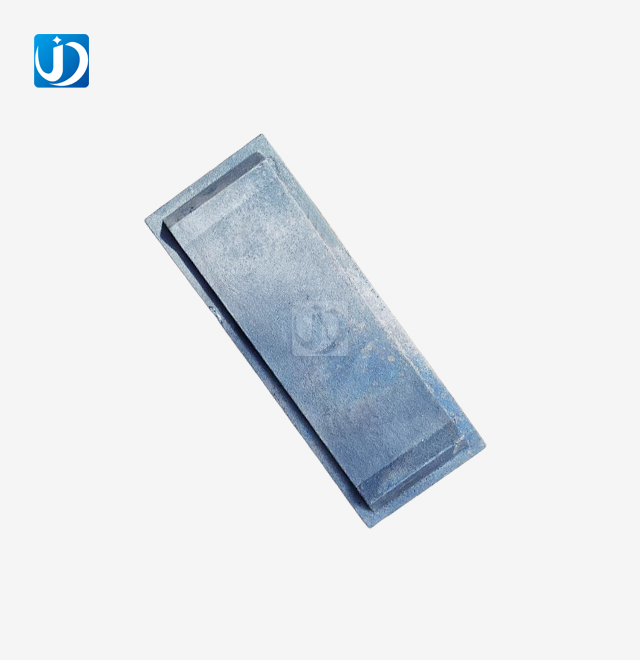
- Material traceability: High-chromium wear-resistant liners (HRC ≥ 60) are standard in quality machines; ask for material certifications.
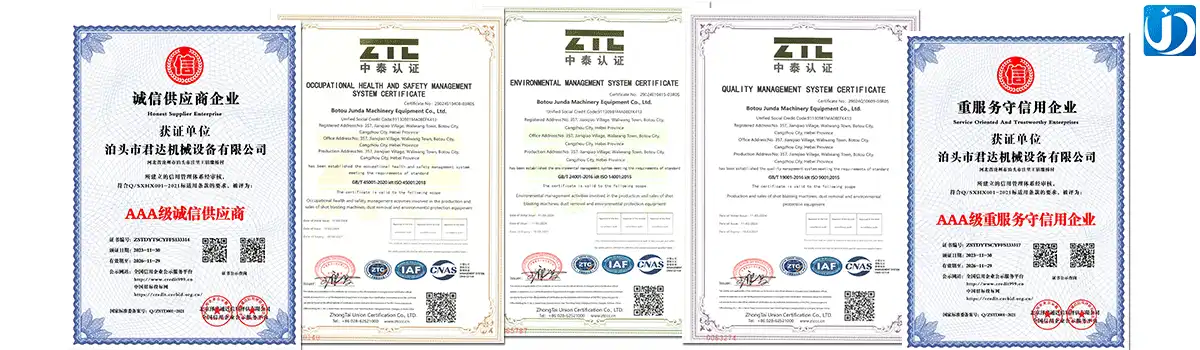
- Pre-shipment test documentation: Reputable manufacturers provide 24-hour dry-run test reports, surface profile data, and dust emission readings before shipment.
If you check these points, your project won't get an pipe air blasting machine that fails its first compliance check on-site.
Logistics, Installation, and After-Sales Support
If you are buying from another country, make sure that the supplier takes care of all the export paperwork, such as the certificate of origin, packing lists, and fumigation certificates. Ask if video calls can be used to get help with remote setup and if English-language operation instructions and maintenance videos are included. If your supplier offers long-term original spare parts supply, you'll be less likely to have to deal with extended downtime due to worn-out parts.
Maintenance, Troubleshooting, and Safety Best Practices
Routine Maintenance Checklist
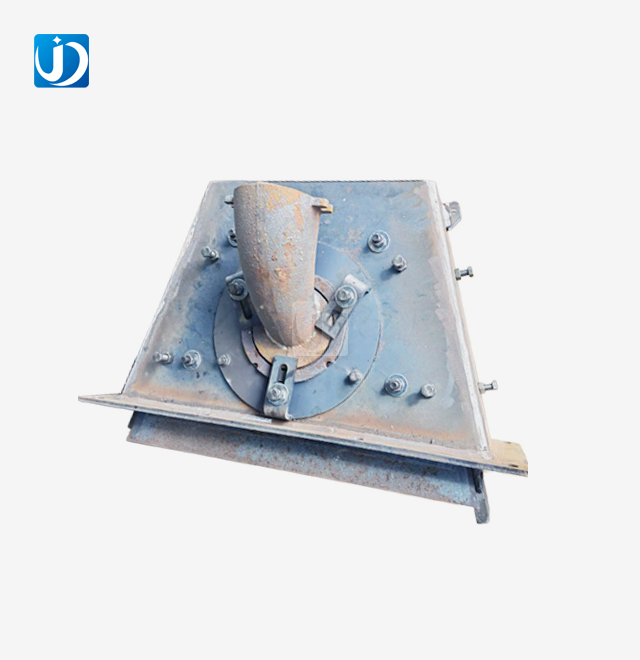
In normal conditions, blast wheel blades made from high-chromium alloys should last between 500 and 800 hours of use. Uneven blast patterns can be avoided by checking the blades for wear once a week and changing them before they hit the minimum thickness level. V-shaped rollers should be checked for groove wear, which can make pipes slip or move laterally during processing and is known to cause scratches on the surface that can't be seen.
Common Troubleshooting Scenarios
Most of the time, an uneven cleaning of the pipe surface is caused by one of two things: a blast wheel "hot spot" (the directional cage angle) that is not in the right place, or a pipe that rotates at different speeds. Instead of mechanical repair, both can be fixed by recalibrating the machine. If the dust collector's performance drops, check the pulse-jet cartridge filters. Filter cartridges that are clogged raise the chamber pressure and let fine particles escape, which can cause compliance problems.
Operator Safety Protocols
Workers must wear respirators approved by NIOSH, eye protection that can withstand impact, and hearing protection that can handle noise levels above 85 dB. Before the blast cycle begins, the blast room must be completely closed off. Regular checks should be done on abrasive media; old shot with sharp pieces can damage pipe surfaces and speed up equipment wear.
Leading Brands and Industry Trends in Pipe Blasting Equipment
In the last few years, the market for pipe blasting machines has clearly moved toward machines with smart tracking and combined automation. Leading makers now put their own data collection systems into their machines. These systems record the RPM of the blast wheel, the speed of the pipe transit, and the differential pressure in the dust collector in real time. This information helps maintenance teams find performance drift before it leads to a test result being rejected.
What to Look for in a Quality Manufacturer
A reliable company that makes pipe blasting equipment does its own research and development, has patents or software copyrights for blast machine control systems, and can show you examples of setups with performance data that you can check. It is common for manufacturers in established industrial clusters to have better manufacturing infrastructure than general machinery exporters. For example, Botou, Hebei Province in China has been home to a lot of foundry and surface treatment machinery makers for many years.
Industry Direction: Smarter, Cleaner Equipment
At the moment, the market wants machines that can diagnose problems from a distance, use less energy per pipe they process, and control dust emissions better. In the oil and gas industry, buyers want tools that can make digital inspection records that can be used with project quality management systems, not just paper reports.
Conclusion
There are three things you need to do to choose the right pipe blasting equipment: make sure the pipe air blasting machine specs match the size of the pipes you need to clean, make sure the supplier can provide full inspection documentation, and make sure you can get help after the sale. The biggest risk in any pipeline coating project is a failed acceptance inspection. A machine that consistently delivers Sa 2.5 with the right anchor profile and keeps dust emissions in check takes away this risk. If you take the time to specify properly, you'll see the return on your investment on the first day you hand over the job.
FAQ
1. What abrasive size should I use for Sa 2.5 preparation?
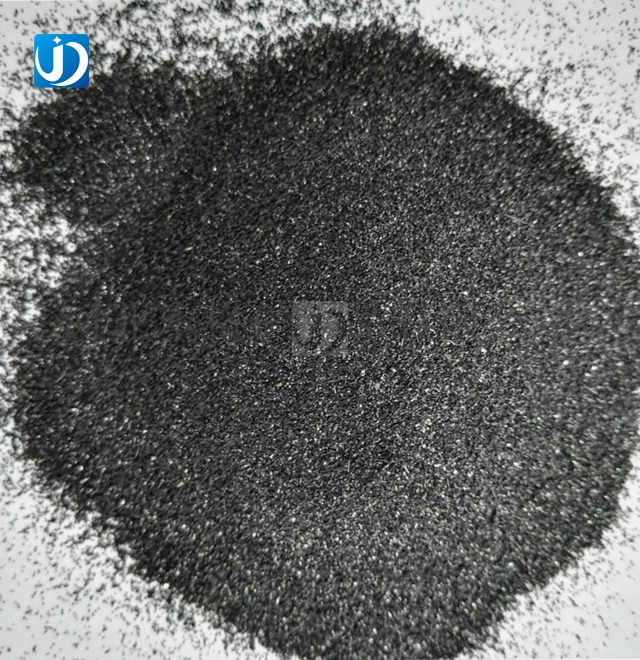
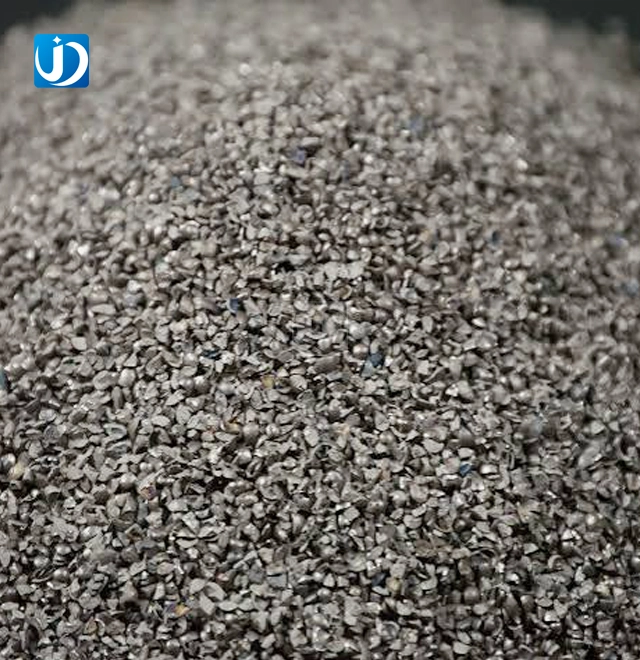
For normal descale to Sa 2.5, S330 or S390 steel shot works well. Blending in steel grit like G25 or G40 is what most people do when the finishing specification calls for a higher anchor profile (Rz above 70 microns).
2. Can one machine process both the inner and outer pipe surface?
The outside diameter is covered by external blast wheels in a normal setup. For handling the inside of walls, you need a separate hydraulic or pneumatic internal blasting lance system. Some providers offer this as an add-on that is already built in.
3. How do I verify that the machine meets Sa 2.5 before accepting delivery?
Ask for an ISO 8501-1 visual comparison plate and an accurate digital surface roughness gage to be used in a pre-shipment acceptance test. For each pipe that was processed during the run, the test report should list both the cleanliness grade and the Rz value.
4. What causes pipe slippage on the V-rollers?
The most common reasons are worn roller grooves, roller spacing that is too close together for the pipe diameter, or a conveyor speed that is too fast for the pipe weight. Changing the distance between the rollers and slowing down the transit usually fixes the problem.
5. How is dust emission verified?
A pulse-jet cartridge filter device with multiple stages can catch particles as small as 0.5 microns. Measurements of dust emissions should be taken at the exhaust outlet. Machines that are in compliance read less than 20 mg/m³ when they are fully loaded.
Get a Custom Quote from Junda Machinery — Pipe Air Blasting Machine Supplier
Junda Machinery has been making pipe blasting tools for oil and gas workers, pipe coating companies, and scaffold tube processors around the world for 20 years. The company is based in Botou, Hebei, which is known as China's center for making surface treatment equipment. Our line of pipe air blasting machines has diameters from 20 mm to 3000 mm, and includes types that are 12 meters long. All of our machines come with full ISO 9001 and CE documents. To get specifications and a quote for your specific project, email our technical team at junda001@jundablast.com.
References
1. ISO 8501-1:2007 — Preparation of Steel Substrates Before Application of Paints and Related Products, International Organization for Standardization, 2007.
2. SSPC-SP 10 / NACE No. 2 — Near-White Metal Blast Cleaning, SSPC: The Society for Protective Coatings, 2007.
3. Surface Preparation and Protective Coatings for Industrial Pipelines — NACE International, NACE SP0169, 2013.
4. Abrasive Blasting for Coating of Ships and Related Structures — ISO 11124-3, International Organization for Standardization, 1993.
5. Occupational Exposure to Respirable Crystalline Silica — OSHA Final Rule, Federal Register, Vol. 81, No. 58, 2016.
6. Wheel Blast Machine Technology and Applications in Pipe Surface Treatment — Foundry Trade Journal International, 2019.

USER EVALUATE
Real feedback and practical experience shared by worldwide partners who purchased our machinery and environmental treatment devices.