Steel Shot Blasting Machine: How Steel Shot and Steel Grit Differ
On plant floors, people often ask, "Should I use steel shot or steel grit?" when they need to choose abrasive media for a steel shot blasting machine. The answer has a direct effect on how clean the surface is, how well the coating sticks, how much the abrasives cost, and how consistently the production goes over time. This guide shows you how these two types of media are different, how to match them to your workpieces, and what to look for in equipment so your team can spend less time looking for surface flaws and more time shipping finished parts.
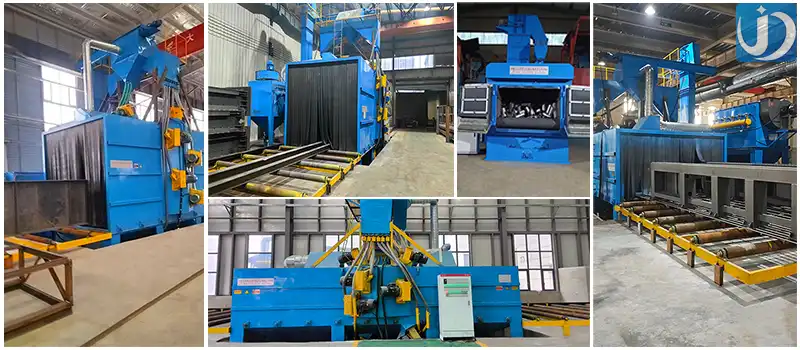
What Is a Steel Shot Blasting Machine and How Does It Work?
When you use a steel shot blasting machine, sharp media are sprayed on metal parts at high speeds through blast wheels that spin very quickly. This gets rid of the rust, mill scale, and oxide layers and makes an anchor profile with texture for coatings.
Core Components
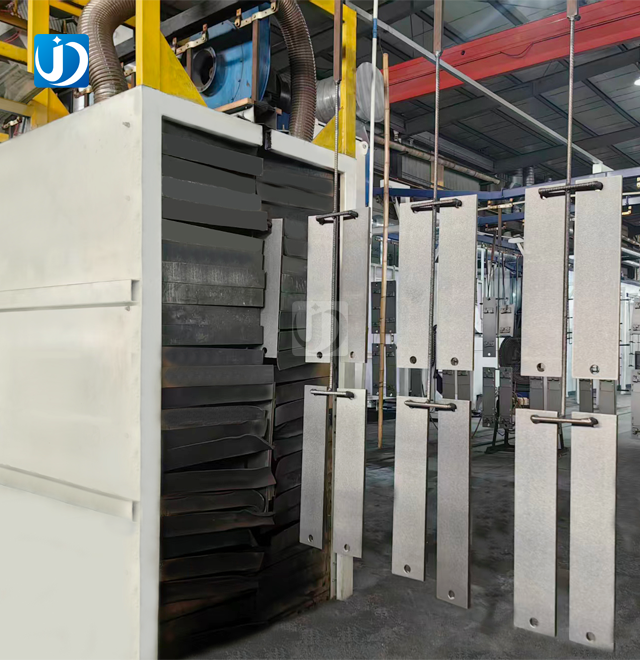
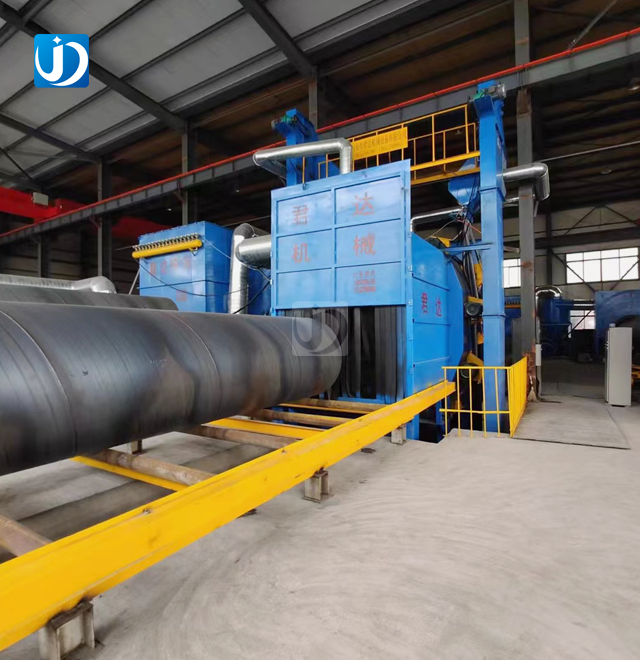
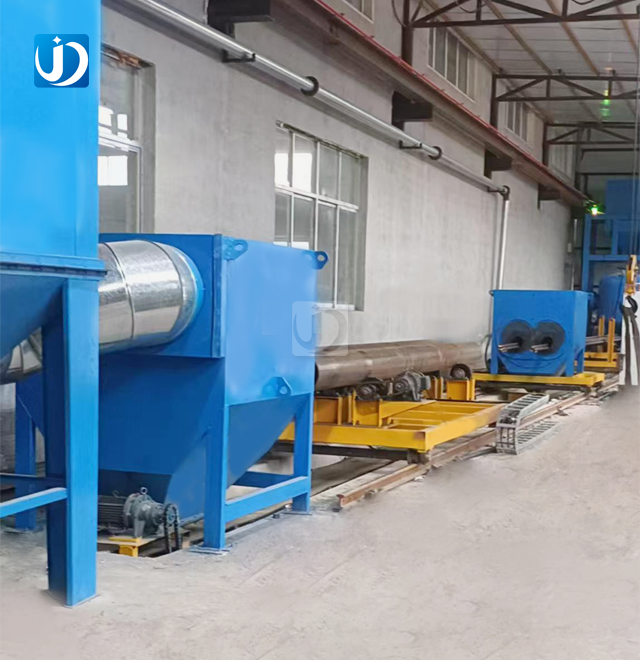
The machine has a blasting chamber that is completely enclosed, a drive belt or rotary table for moving the piece of work, a set of blast wheels, and a dust collection unit with several stages. The whole process keeps going because each part does its job.
How the Blasting Cycle Runs
The bin's sand is put into the blast wheel. The media are shown on the surface of the object while it spins fast. That's the end of the closed-loop recycling cycle. A bucket lift moves the used abrasive around the room's floor. It then goes through a separator to get rid of dust and broken pieces. After that, it goes back to the trash.
Where These Machines Are Used
Metal profiles, structural steel parts, car parts, hardware castings, and machine fittings can all be blasted with steel shot. It is used to get cleanliness grades of Sa 2.5 or Sa 3.0 before protective coatings are put on, for example in ships and construction.
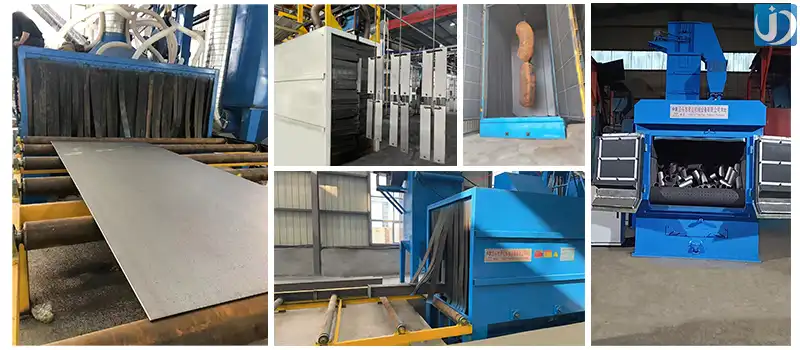
Steel Shot vs. Steel Grit: What Are the Key Differences?
Everything is based on the abrasive's physical shape, including the depth of the surface profile, the speed of cleaning, and the finish of the part. Picking between spherical shot and angular grit is not a small matter; it is one of the most important process choices a quality engineer has to make.
Shape and Hardness
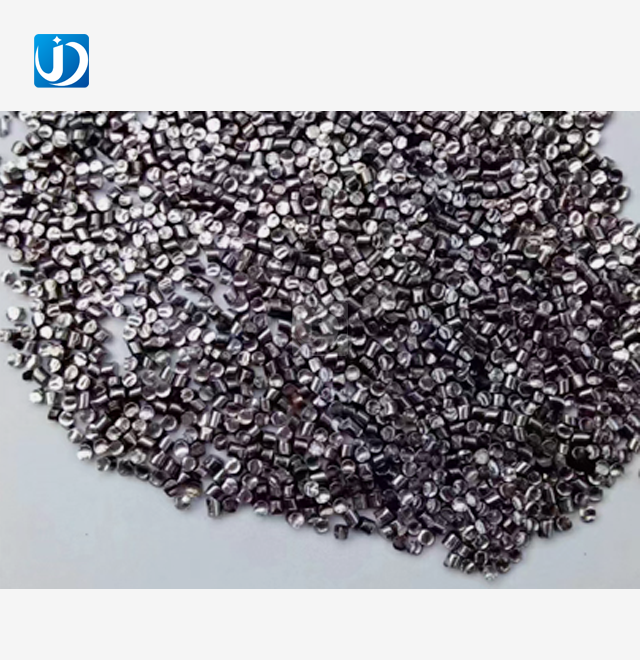
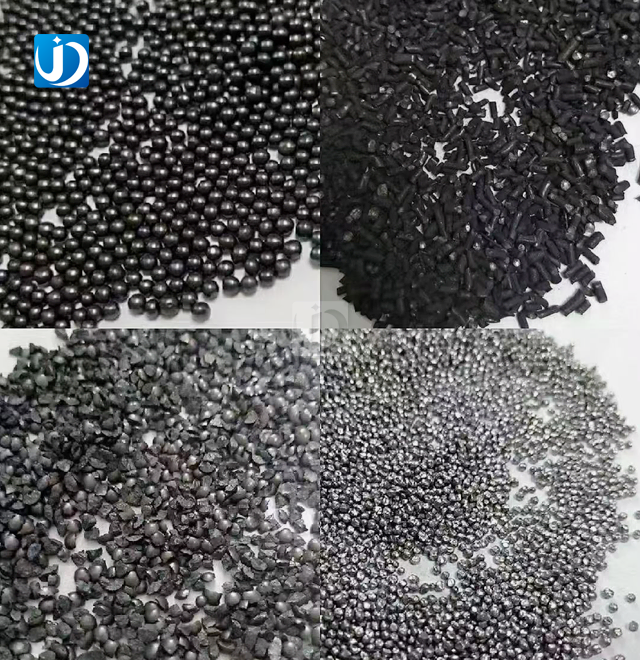
Steel shot is round and is usually heated until it is HRC 40–50 hard. Being round gives it a peening effect, which means it presses down on the surface layer instead of cutting through it. To make steel grit, cast steel is broken up into sharp pieces and then heated to HRC 56–65, which makes the steel much harder and more abrasive.
Surface Profile and Cleanliness
The surface of steel shot used in a steel shot blasting machine is mostly smooth with some bumps, and the Rz value is usually between 25 and 60 µm. This makes it a good material for thin-film coatings. When using thick-film epoxy or zinc-rich primers, steel grit is better because it makes a sharper, deeper anchor pattern that is often more than 75 µm deep. ISO 8501-1 says that both media can reach Sa 2.5 cleanliness, but the profile geometry that is created is very different.
Application Match
These two media serve genuinely different purposes in practice:
- Steel shot works best for surface peening, light-to-moderate rust removal, and finishing operations on automotive parts and hardware castings where a smooth profile is required.
- Steel grit is the right choice for heavy mill scale removal, aggressive surface profiling on structural steel, and preparation of substrates that will receive high-build coatings.
Understanding this distinction prevents the common problem of using spherical shot on heavily corroded structural steel — only to find the surface profile is too shallow for the specified coating system.
How to Select the Right Abrasive for Your Blasting Machine?
Guesswork is not the same thing as rude picking. First, you decide what kind of finish you want, how bad the piece is, and how much you want to spend on your production line.
Match Abrasive Size to Workpiece Condition
The size of the abrasive determines how strong the blast is and how far it spreads. To get rid of general scale on mid-weight steel pieces, S330 or S390 steel shot is used. It's best to use G40 or G25 steel grit for tougher rust grades (ISO 8501-1 Grades C or D) because they cut through the rust quickly and sharply. The S170 size is better for casts that are easily broken or parts with thin walls that don't want surface damage.
Consider the Full Cost Picture
Things like shot and grit are used up and cost money every hour they are used. Broken pieces and dust are the only things that a machine that has a good closed-loop recycling and sorting system will throw away. This directly cuts down on the kilograms of media that are needed to process one ton of steel. Quality engineers should check this number every month as part of the cost per unit of work.
Steel Shot Blasting vs. Sandblasting
When you use steel abrasive blasting instead of regular sandblasting, you can see clear benefits. IARC says that crystalline silica dust from silica sand can give people cancer, and OSHA rules say that it can't be used or can only be used in certain places, like the US. There is less silica dust when steel media is used, and the surface designs are more even. In places that process hundreds of tons of material every month, it is clear that steel abrasive is better for operations and safety.
Maintenance, Safety, and Operational Best Practices
Blasters that are set to run at 60–85 m/s and get several tons of grit every hour wear out parts at a regular rate. Structured maintenance stops unexpected downtime and keeps costs for wear and tear in check.
Inspect Wear Parts on a Fixed Schedule
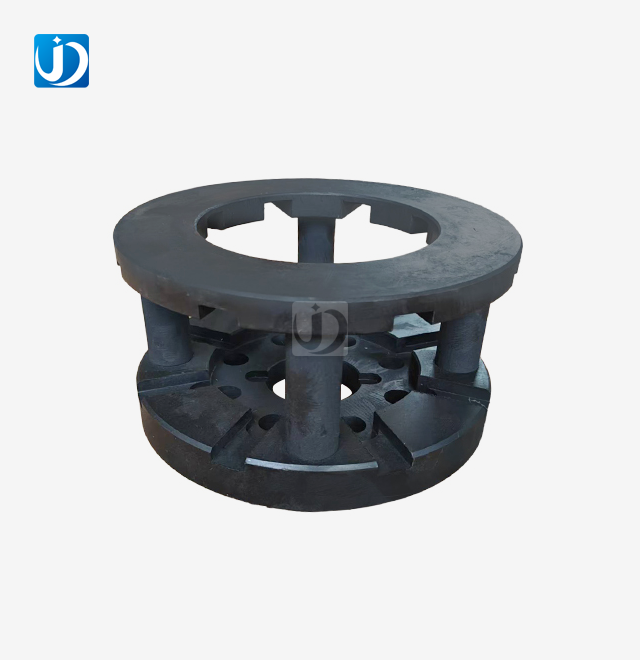
Normal use of high-chromium alloy (HRC ≥ 60) blast wheel blades makes them last between 500 and 800 hours. Different types of control bars, covers, and deflector plates wear down at different rates. To stop the damage that a broken blade does to the housing around it, keep track of how many hours each part has been used and replace them before they break.
Dust Control and Emission Compliance
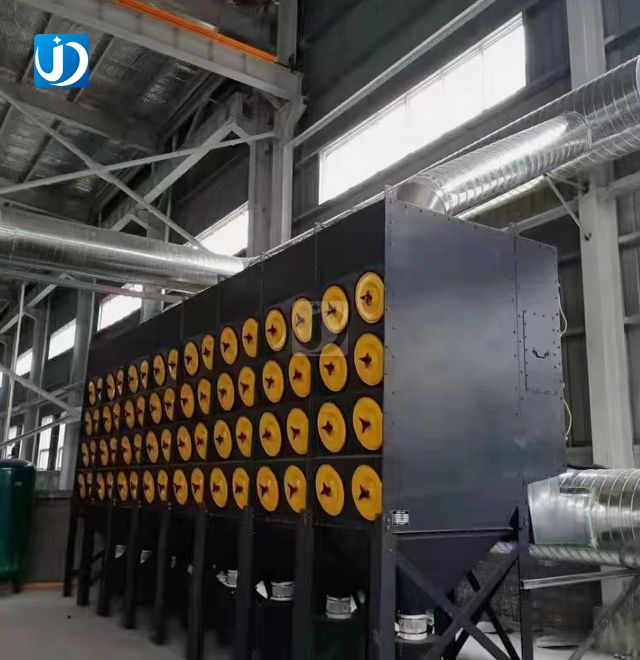
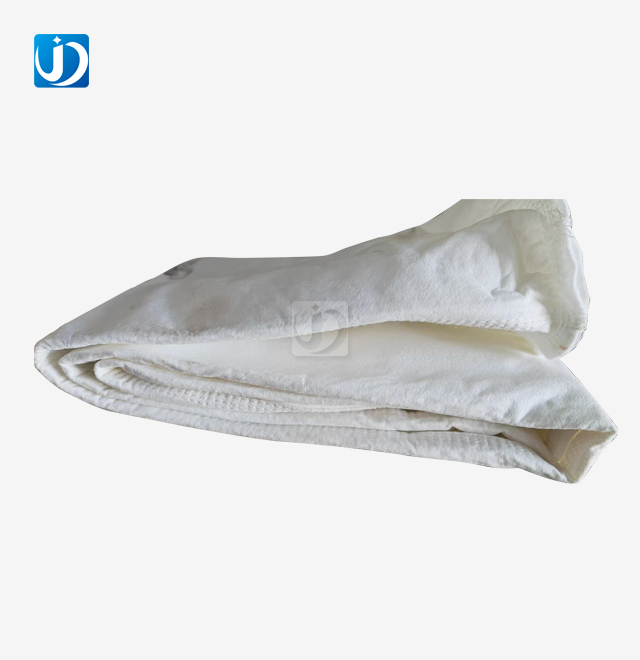
A well-made steel shot blasting machine has a dust collection system with pulse-jet cartridge screens that can catch particles as small as 0.5 microns and keep the amount of pollution leaving the machine below 20 mg/m³. The gathering works well as long as the filters are checked and replaced on a regular basis. Facilities that have to follow EPA or OSHA rules have to keep records of how well they control dust; they can't skip this step.
Operator Safety Protocols
Workers need to wear the right PPE, like safety glasses, hearing protection, respiratory protection, and protected clothes. In some places, it can get louder than 85 dB(A). Because of machine interlocks, the blast wheel shouldn't be able to move while the doors are open. Structured training programs with guides written in English and how-to movies help new employees learn how to do their jobs.
Procurement Guide: Choosing the Right Blasting Equipment
It's a big investment that will pay off in the long run to buy a blasting device. You can save a lot of money by making sure the specs are correct before you buy. This is because you won't have to pay to restart work or stop production after the fact.
Manual vs. Automatic Systems
Some jobs that need a lot of different part shapes can be done by hand with hook or table tools. Automatic systems with a tunnel or a conveyor belt are designed for constant, high-throughput production that needs uniform cycle times and surface quality. If you have a lot of different types of workpieces, a system with PLC-controlled adaptive speed adjustment will let you change the settings for each type of workpiece without having to start from scratch.
Evaluating Suppliers and After-Sales Support
Before buying a machine, you should look at more than just its specs. You should also look at its detailed documentation, availability of spare parts, and ability to get help from away. If the seller gives you English instructions on how to use the equipment, online setup help, and guarantyd spare parts supply, they will protect your investment for as long as the equipment lasts, which should be between 8 and 15 years if it has been well taken care of.
Key Specification Checklist
Make sure of the following things before you send your supplier a purchase order:
- Blast wheel power range (kW) and projected speed (m/s) match your target surface profile
- Abrasive recycling separation efficiency (aim for ≥ 99%)
- Dust emission rating (verify against local environmental standards)
- PLC control system and whether adaptive speed adjustment is included
- Warranty coverage, spare parts lead times, and available remote support channels
This blast wheel has the right amount of power (kW) and speed (m/s) for the surface you want to work on.
The goal is for separation success for abrasive recovery to be at least 99%.
Conclusion
Steel shot and steel grit are not interchangeable. When they touch metal in a steel shot blasting machine, they react in very different ways depending on how they are shaped, how hard they are, and how they feel. Picking the right abrasive for the job, the shape, and the budget is the first thing that needs to be done to get a uniform surface quality. The loop is closed when that choice is paired with a well-built and well-kept blasting machine. When factories do both the right things, they use less abrasive, have fewer problems with covering, and can keep making things at full speed.
FAQ
What abrasive size should I use for general steel descaling?
For most simple descale jobs, S330 or S390 steel shot will work. The cleaning process goes faster with G40 steel grit added to the mix. It also makes the profile deeper when there is more rust or when an anchor profile needs to be deeper.
How long do blast wheel blades typically last?
It is recommended that high-chromium metal blades be used for 500 to 800 hours before they need to be replaced. How fast something wears down depends on the abrasive, how much feed is used, and how hard the material is.
Can one machine handle both steel shot and steel grit?
Yes. It is possible for most industrial rotary blasting devices to use media or a mix of media and other materials. Make sure that the recycler and divider are set up to handle the type and amount of media you want to use by calling your service provider.
What causes uneven surface cleaning?
Most of the time, it's because the "hot spot" on the blast wheel's directional cage isn't in the right place, the workpiece conveyor isn't moving at the same speed every time, or the mix of abrasive particles isn't right because they weren't separated well enough.
How is dust emission controlled on modern machines?
Particles as small as 0.5 microns can be removed by multistage pulse-jet cartridge filter systems, which keep emission levels at the outlet below 20 mg/m³. This level is good for the environment in the US and most other countries that buy from the US.
Get Your Blasting Configuration Right — Contact Junda Machinery
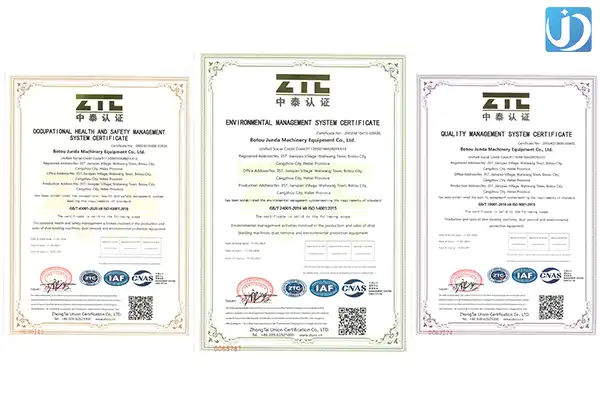
Junda Machinery has been making steel shot blasting machine systems for businesses that make structural steel, molds, and car parts for 20 years. It moves at 60–85 m/s, reuses abrasives in a closed loop, can be controlled by a PLC, and makes less than 20 mg/m³ of dust. We make steel shot blasting machines and are a trustworthy business with ISO 9001, ISO 14001, and ISO 45001 certifications. We can do the paperwork in English, set up the machine online, and provide extra parts for a long time. You can email us at junda001@jundablast.com or visit jundablast.com to get a configuration proposal.
References
1. Society for Protective Coatings (SSPC). Surface Preparation Standards and Commentary. SSPC, 2014.
2. International Organization for Standardization. ISO 8501-1: Preparation of Steel Substrates Before Application of Paints and Related Products. ISO, 2007.
3. International Organization for Standardization. ISO 11124-3: Specification for Metallic Blast-Cleaning Abrasives — High-Carbon Cast-Steel Shot and Grit. ISO, 2018.
4. Shipbuilding Research Association of Japan. Surface Preparation and Coating Performance in Marine Environments. SRAJ Technical Report, 2015.
5. Occupational Safety and Health Administration (OSHA). Crystalline Silica Exposure in General Industry — Final Rule and Regulatory Impact Analysis. OSHA, U.S. Department of Labor, 2016.
6. Nožička, J., & Dvořák, L. Abrasive Wear and Performance of High-Chromium Cast Iron in Shot Blasting Applications. Journal of Materials Engineering and Performance, 2019.

USER EVALUATE
Real feedback and practical experience shared by worldwide partners who purchased our machinery and environmental treatment devices.