Shot Blaster Applications in Metalworking and Manufacturing
If you work in a metal fabrication shop, a foundry, or a structural steel yard, surface quality directly affects your product's performance and marketability. A shot blaster removes rust, mill scale, and surface contaminants at speeds between 60 and 85 m/s, delivering Sa2.5-grade cleanliness in a single pass. This article walks through how the technology works, where it gets applied across major industries, how to choose the right machine, and how to keep it running at peak output — so you can make a confident purchasing decision.
Understanding Shot Blasting Technology and Its Working Principle
What Is Shot Blasting?
An electric motor moves a high-speed blast wheel over a metal surface while steel shot or steel grit is bounced off of it. You don't need poisons to get rid of rust, scale, and old coats because of the pulling force. In open-air sandblasting, the media is not changed and dust is not put into a cartridge filter, but in a closed-cycle device, these things happen. It keeps the air inside clean, and it also saves money on running the business over time.
How a Shot Blaster Works
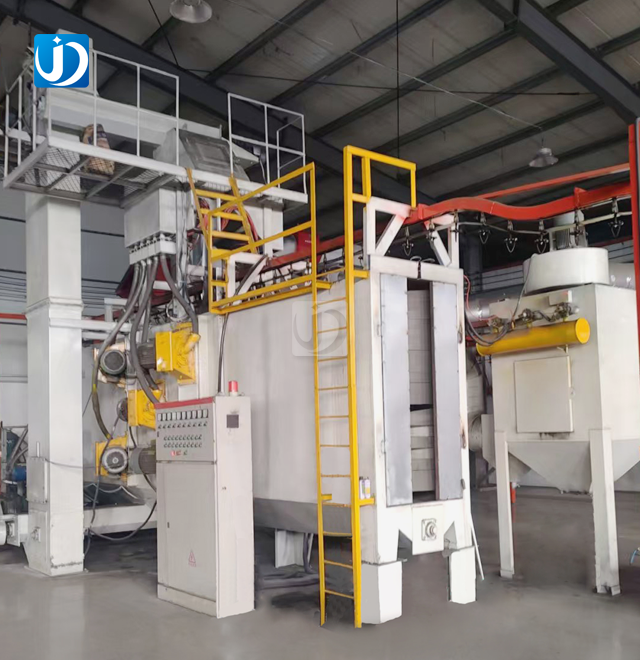
The blast wheel spins quickly and shoots metal through a cage that you can move in any direction. The piece moves through the blast zone with one of two types of methods. Broken glass and other trash fall into a collection trough and are moved through a bucket lift. After that, they go through a filter that gets rid of the dust and broken glass. Finally, the media that has been cleaned is put back in its box. This machine never stops, so you can work for eight hours straight without having to reload by hand.
Shot Blasting vs. Sandblasting
Sandblasting is done outside with silica or a natural grit and compressed air. The process makes fine dust that can be breathed in. The work has to be done in a clearly marked area while wearing all safety gear. Steel media that has already been used are used for shot blasting in a closed cabinet or tunnel. It gives the surface a controlled shape. ISO 8501-1 divides cleanliness levels into various groups. This method works well to get Sa2.5, which is what most export finishing standards need in just one pass. The same grade can be reached by sandblasting, but it takes longer and costs more per square meter.
Critical Applications of Shot Blasting in Metalworking and Manufacturing
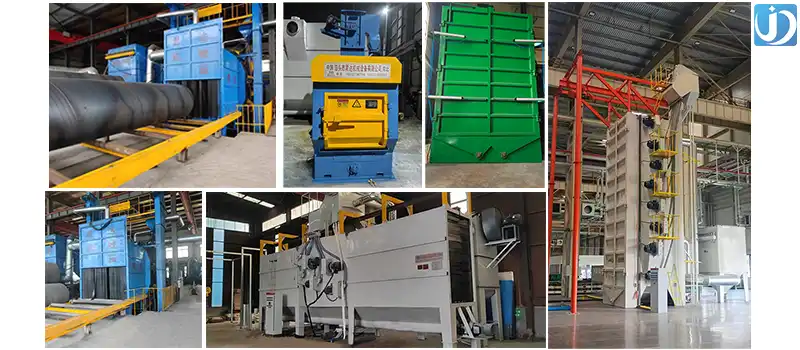
There are a lot of industries that work with metal, and shot blasting is used in almost all of them. This is because the surface needs to be prepared well before any finishing steps are taken. In places where the technology can really help, these are some ways it can be used:
Structural Steel and Bridge Fabrication
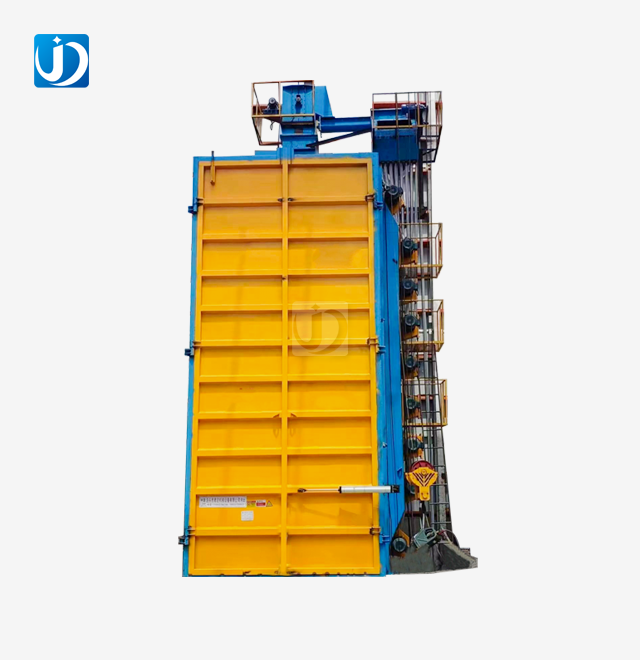
As H-beams, plates, and angle iron are rolled, mill scale forms on them. It will come off in a few months if you don't get rid of that scale before you paint. An industrial shot blaster works on large-profile steel at 5–20 t/h to make the anchor profile that epoxy starters need to stick for a long time. Bridge and high-rise projects have to list Sa2.5 as a condition, so manufacturers who can't do this lose their export contracts.
Automotive Foundry and Casting Operations
The parts for the engine, transmission, and brakes are shaped in sand molds and have sand, flash, and rust built into them. A tumble-belt or hanger-type blast machine can take off all three at the same time. Light surface compressive stress is also created by the method. This makes parts that are loaded and unloaded much less likely to wear down. Automakers need to do post-cast shot blasting as a quality check before they do any measurement testing.
Aerospace Shot Peening and Precision Parts
Guns are used in shot peening, a controlled form of shot blasting, to make compression residue stress in turbine blades, landing gear, and gear teeth. It has been proven in the International Journal of Fatigue that shot peening can make parts made of high-alloy steel last 20–30% longer before they break. Based on SAE J443, the Almen strips are used to set the process's factors, such as strength, area, and media size.
Choosing the Right Shot Blaster Machine for Your Metalworking Needs
The correct shot blaster machine should meet your workpiece size, production volume, surface prep needs and available floor space. By considering these aspects while selecting equipment, you may assist enhance processing efficiency and prevent excessive expenditure.
Before buying a machine take the following considerations into account:
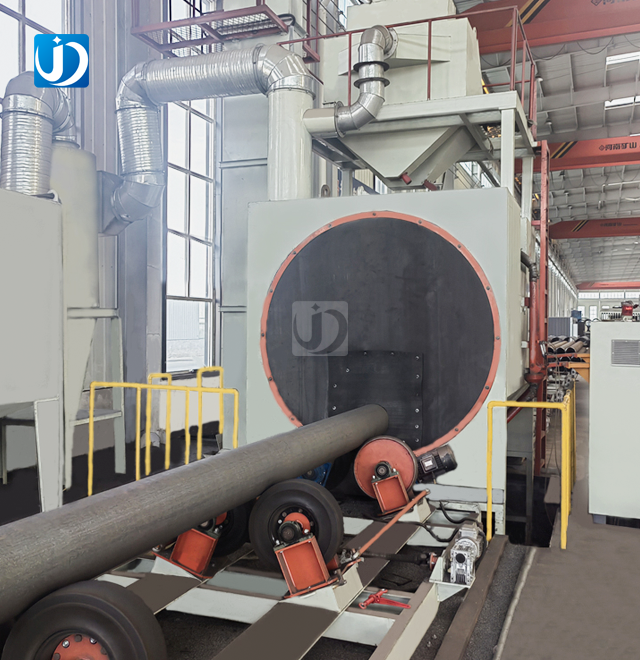
- Type and size of workpiece Roller conveyor machines are frequently used for flat plates, however complicated castings may be handled on tumble-belt or hanger-type systems. Pipes may need their own pipe blasting arrangements. Check if the machine can accept your biggest workpieces.
- Junda Machinery's product range spans claimed capacities of 0.5-20 t/h. Throughput required: Choose a model that meets your production goals, workpiece qualities and necessary surface quality.
- Power supply: Make sure that the voltage, frequency and phase of the equipment match the electrical supply of the installation location. Motor power is model dependent with published values between 15 kW and 120 kW and bespoke configurations available for heavy duty applications.
- Level of automation: With the right design, PLC controllers and variable-frequency drives may be used to manage operational parameters and increase process uniformity. “Are things like recipe management, automatic abrasive refill and collection of production data standard or optional?
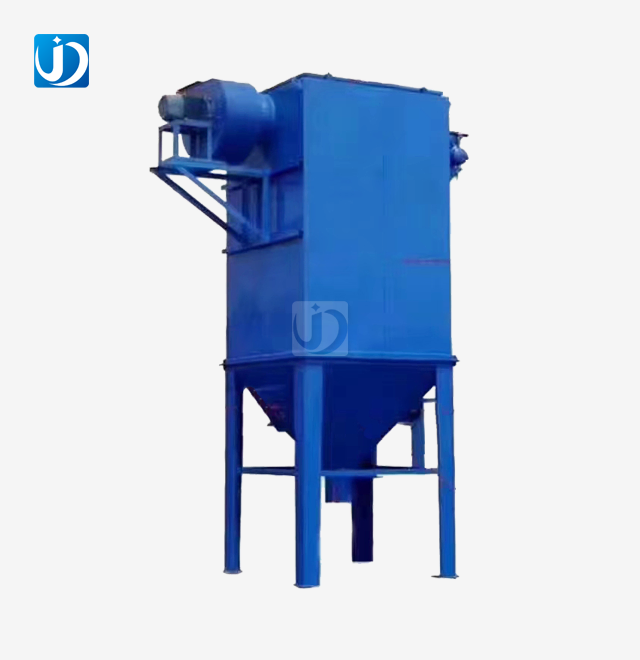
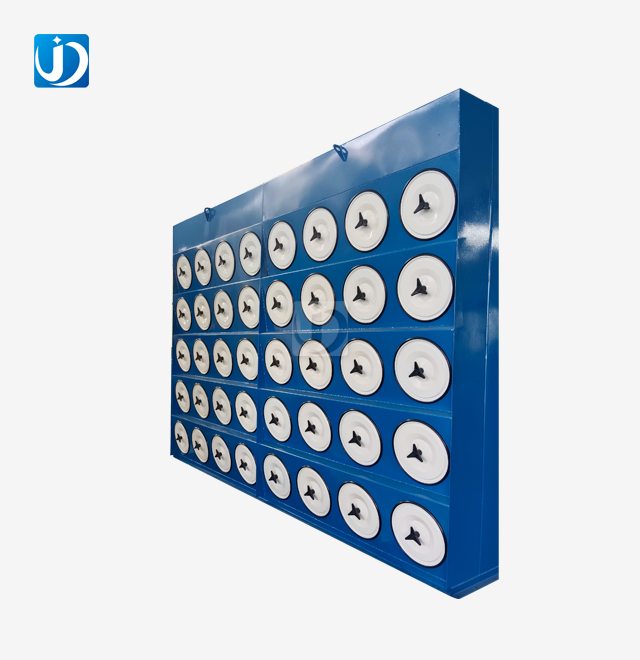
- Dust collection integration: A correctly sized dust collection system will aid in capturing airborne particles created from the blasting process. Check airflow through the collector, kind of filter, maintenance needs and compatibility for the dust created by your particular application.
Portable vs. Stationary Configurations
Portable and fixed shot blasting devices are built for distinct operating purposes. Portable systems are helpful if you need to prepare a surface in a number of places, or on massive buildings that are difficult to transport. Stationary machines are often more suitable for reproducible processing of workpieces in a specialised manufacturing zone.
When evaluating the configurations, one should consider the workpiece's mobility, the needed processing capacity, installation space, necessary surface pre-treatment and if dust collection is required. The best choice relies on your manufacturing environment and the kind of metal components you are processing.
Maintenance Tips and Best Practices to Maximize Shot Blaster Performance
A well-maintained shot blaster holds tolerances, keeps media consumption predictable, and prevents unplanned downtime. The blast wheel is the highest-wear assembly; inspect it on a defined schedule.
Blast Wheel and Liner Inspection
Check blast blades every 50–80 operating hours. High-chrome blades can last beyond 100 hours, depending on media hardness and feed rate. Replace blades in complete sets to maintain wheel balance; an unbalanced wheel vibrates, accelerating bearing wear throughout the machine. Wear liners inside the blast cabinet should be checked monthly — thin spots allow media to penetrate the cabinet wall.
Media Quality Management
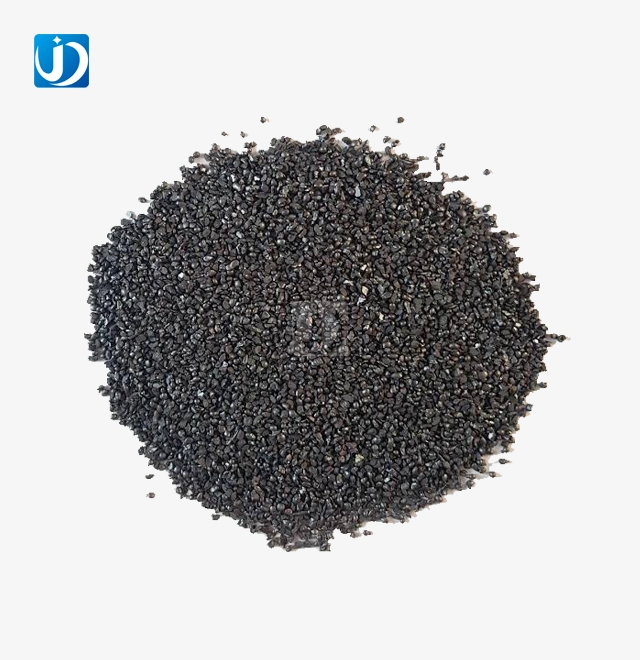
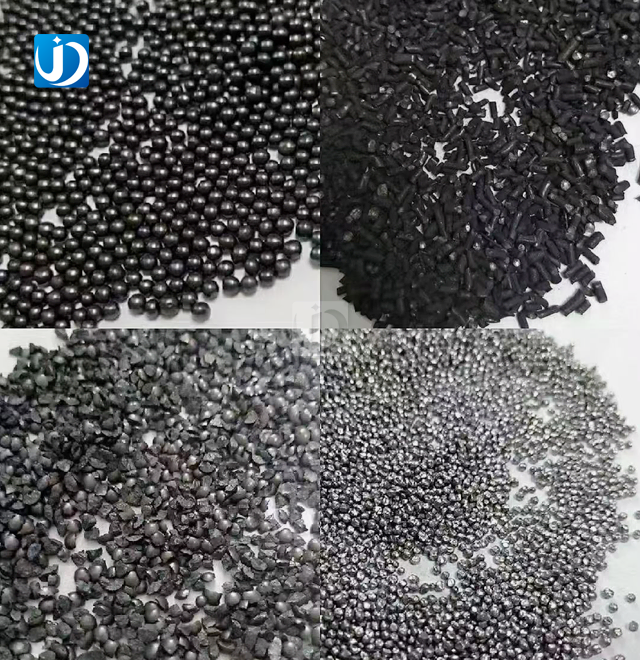
Run a periodic sieve test on the circulating media. Broken-down shot loses its spherical shape, cuts deeper than specified, and raises dust levels. Mix in fresh S280–S330 steel shot to maintain the working mix within spec. Documented media checks appear in quality audits for ISO 3506 or coating inspection reports.
Operator Safety Protocols
Require blast-resistant gloves, safety glasses, and hearing protection (blast wheel noise typically exceeds 85 dB at one meter). Verify that all cabinet access interlocks function before each shift start. Keep the dust collector inlet clear and confirm filter differential pressure stays within the manufacturer's range — a clogged filter pushes dust back into the workspace.
Procurement Guide: Where and How to Source Shot Blasting Equipment
Some well-known brands of shot blasting tools are Wheelabrator, Sinto, Pangborn, and Rosler. These brands have been around for a long time and have repair networks all over the world. There are pros and cons to each, and the best way to start is to see which ones match your output needs.
Check to see if a possible provider is ISO 9001 certified, if they have CE documentation available, how long it takes to get spare parts, and how good their English-language expert help is. Not being able to show you a test report or video of their machine running your type of part is a bad sign when you want to buy something.
That's why you'll need custom solutions when standard machine openings don't fit your piece of work, when the voltage or frequency in your area is different from what's listed in the catalog, or when your production process needs built-in automation. This is when a supplier with a 15-day custom lead time and proof of ODM capability might be a good pick.
Conclusion
A tried-and-true way to treat the surface of a part is to blast it with glass beads using a shot blaster. It directly affects how well the coating sticks, how well the weld looks, and how long the part lasts when it's worn down in the structural steel, car, casting, and aircraft industries. Choosing the right machine format, keeping blast wheels in good shape, and getting from a company with clear quality systems are the three decisions that count for the most in the long run. A careful look at the specs and a visit to the supplier's factory are still the best ways for procurement teams to be sure they are making a good decision about what equipment to buy next.
FAQ
What abrasive media works best for steel surface preparation?
S280 to S330 steel shot is standard for general rust and scale removal on carbon steel. Steel grit (GL or GH grades) cuts a deeper anchor profile when thick epoxy or zinc-rich coatings require higher surface roughness. The right choice depends on your coating spec's required Rz value.
Can a shot blaster achieve Sa2.5 in a single pass?
Yes. Machines with multi-wheel 3D layouts and blast speeds of 60–85 m/s consistently reach Sa2.5 per ISO 8501-1 in one pass at rated throughput. Verify this with a sample run before contract finalization.
What power supply do these machines need?
Most industrial machines require 380V/50Hz three-phase power. Custom voltage configurations are available for other grid standards. Always confirm local utility specs with your supplier before ordering.
How long do blast blades last?
Typically 50–100 hours, depending on media hardness, wheel speed, and feed rate. High-chrome alloy blades reach the upper end of that range.
What certifications should I request from a supplier?
Ask for ISO 9001, CE declaration of conformity, and an inspection report covering dynamic balance testing, surface cleanliness verification, and electrical safety checks per the machine's target market standards.
Discover What Junda Machinery's Shot Blaster Can Do for Your Production Line
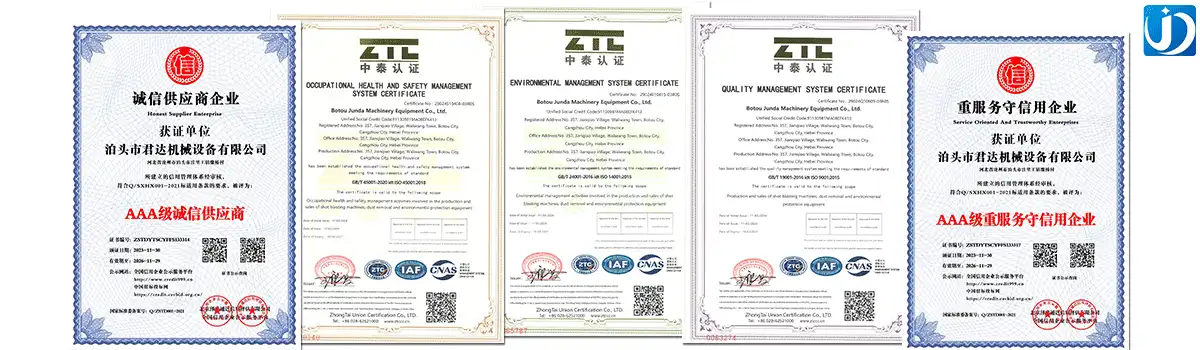
It has been making shot blasters for 20 years and has ISO 9001, ISO 14001, and ISO 45001 certifications. A PLC runs our machines, which can handle between 0.5 and 20 t/h. Simple units are ready to ship right away, and they also collect all the dust they make. Right now, call our engineering team to get a look at the specs and a video of the plant. You can email us at junda001@jundablast.com or visit jundablast.com to learn more about our products.
References
1. ISO 8501-1: Preparation of Steel Substrates Before Application of Paints and Related Products — International Organization for Standardization, 2007.
2. SAE J443: Procedures for Using Standard Shot Peening Almen Strip — SAE International, 2010.
3. Schulze, V. Modern Mechanical Surface Treatment: States, Stability, Effects — Wiley-VCH, 2006.
4. International Journal of Fatigue: Effect of Shot Peening on Fatigue Life of High-Strength Steel Components — Elsevier, 2018.
5. SSPC-SP 10 / NACE No. 2: Near-White Metal Blast Cleaning — Society for Protective Coatings, 2021.
6. Ness, E. A., & Zibbell, R. Abrasive Blasting Safety and Health Applications — American Industrial Hygiene Association, 1996.

USER EVALUATE
Real feedback and practical experience shared by worldwide partners who purchased our machinery and environmental treatment devices.