How to Choose a Mesh Belt Shot Blaster for Your Factory
Before you pick out a mesh belt shot blaster, make sure you have all the parts you need. Pick out the surface's type of material, thickness, weight, and finish. Then, match that list to the belt width, belt speed, blast wheel power, type of abrasive, and dust collection. A metal belt moves along which parts for a mesh belt shot blaster are moved. This makes sure that light hardware, thin sheets, and aluminum die castings don't hit each other too hard. Not only should you look at the price, but also the total cost of doing business with each supplier. Also, make sure they offer service support. I'll explain each step below, so you can be sure that your question is clear.
Start With Your Parts and Production Goals
Define Parts, Output, and Finish
Before I compare them I write down what's going to be put through each one. Say what kind of part it is, how thick it is, how much it weighs and what shape it has. A heavy iron casting behaves significantly differently from a 0.5 to 3 mm thick sheet. The next stage is to define the initial condition, this could be parting lines, flash or oxide scale. Tell me what kind of finish you want, such a matte, flat surface before you paint or anodize it. Finally, add up the working hours, the load density, the inspections, the changeovers and the downtime to find the real capacity. Most of the time, a brochure's theoretical output doesn't match up with a busy shift. You can avoid weeks of back and forth with suppliers if you have a clear list of what they need.
How a Mesh Belt Shot Blasting Machine Works
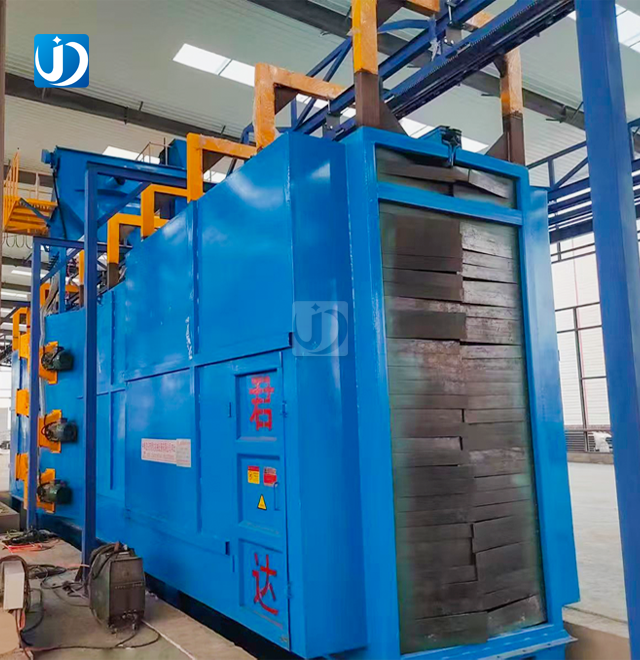
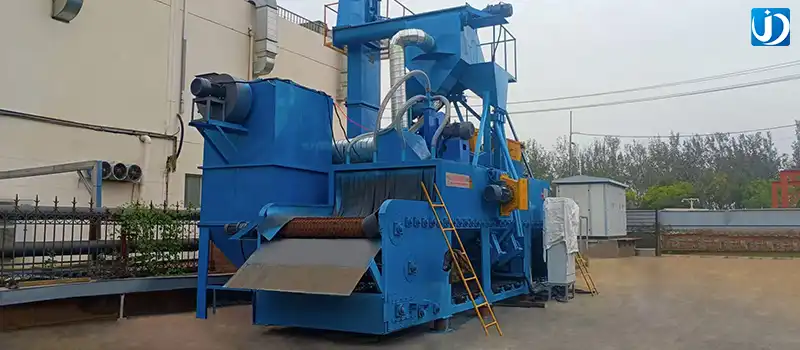
A wire mesh belt moves the parts through a closed blast chamber. Turbines that spin quickly throw steel grit at the parts from above and below. You don't have to turn the surfaces by hand to clean them. It falls through the mesh and is moved to an air-wash separator by a bucket elevator and a screw conveyor. That's where the dust and broken fines go after the separator. The clean abrasive then goes to the turbines. The speed of the belt and the speed of the turbine are both controlled by a PLC. A fan moves air through the cabinet to pick up dust. The belt speed, the abrasive size, the turbine speed, and the load depth all affect the final surface. Most belts are 400 to 1200 mm wide and move at 0.5 to 5 m/min.
Continuous, Batch, or Inline Processing
If you need to do steady, big scale work and you require each batch to look the same, then a continuous mesh belt shot blaster is your best bet. Batch systems are well adapted to a job shop in which stocks change often and in tiny amounts. If you have a robot cell or conveyor line, request an inline configuration with open I/O signals. All three, the blaster, robot and conveyor can be started, stopped and reported on simultaneously. A lot of buyers also run one machine by itself first and then add automation later. Choose this early on because it will change how the controls are wired, how the belts are laid out, and how high the loads are. To make these plans work, Junda Machinery changes the sizes of machines and the way they are controlled automatically.
Match the Machine to Your Material and Process
Different metals are affected by blasting in different ways, so the material comes first.
Aluminum Die Castings and Thin Parts
Aluminum isn't heavy, and you can't fix a scratch or dent that wasn't there before. When parts move through the chamber, they don't bump into a mesh belt. This stops drum systems from having parts hit each other over and over again. The frequency drives on the belt and turbines let your process engineer change the power for thin and thick parts. If the material is thick enough, the PLC can save these settings as recipes. This method gets rid of flash, oxide, and parting-line marks, leaving a smooth surface that can be painted or anodized. We can change the mesh density and add side guide rails to keep small screws and other light hardware on the belt.
Mesh Belt Shot Blaster for Castings and Forgings
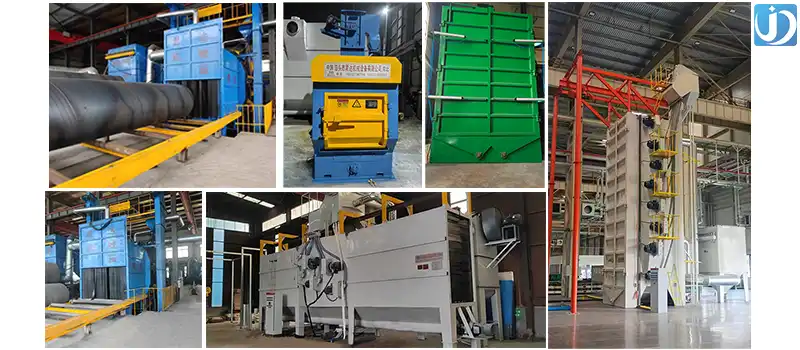
When you heat, cast iron, forge steel, or heat parts, they need to be built with more weight. There should be more turbines—four to eight units above and below the belt—and liners made of high-manganese (Mn13) or cast iron that can be changed. Also, the belt needs to be strong. Plus, these parts need a stronger abrasive flow to get rid of sand, scale, and heat treatment residue. Check the belt's length as well as its width. Check out the most weight that a single part can hold as well as the total load that can fit on one meter of belt. If someone is being honest, they will tell you that a hanger or rotary table machine might work better if your parts are big or heavy.
Mesh Belt vs. Tumble, Hanger, and Manual Blasting
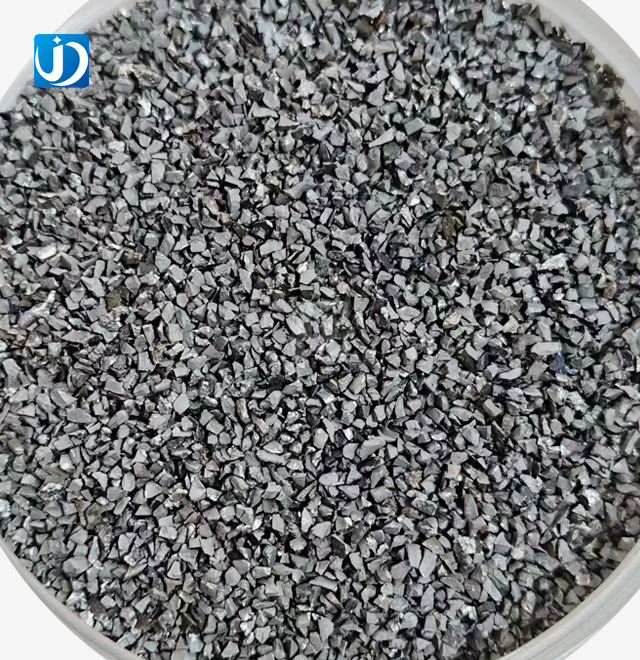
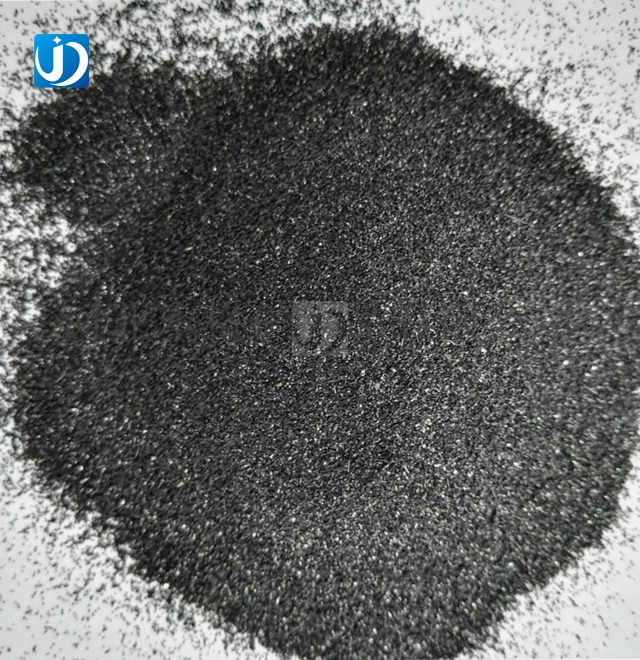
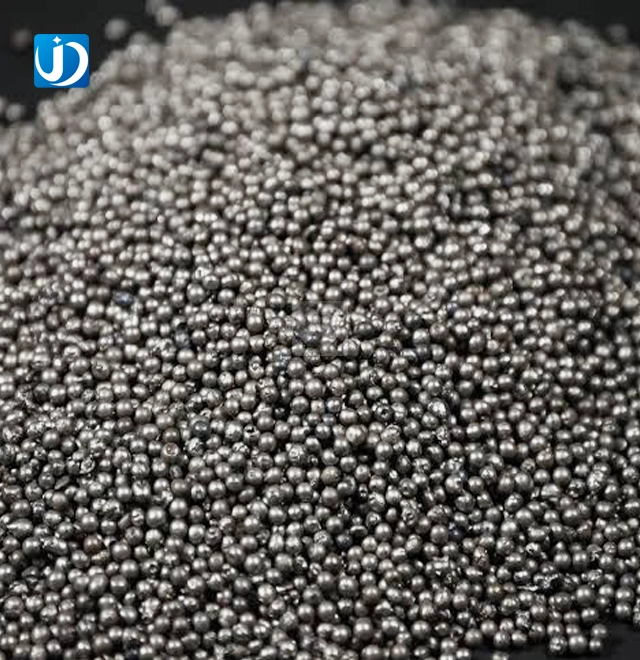
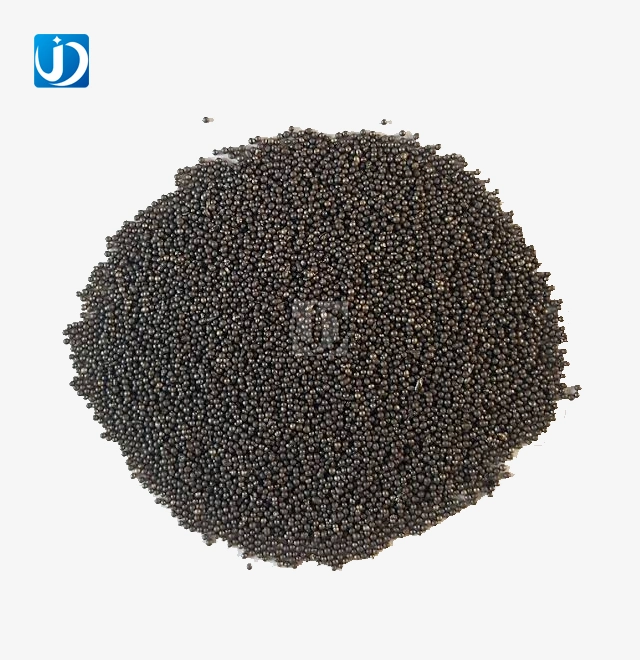
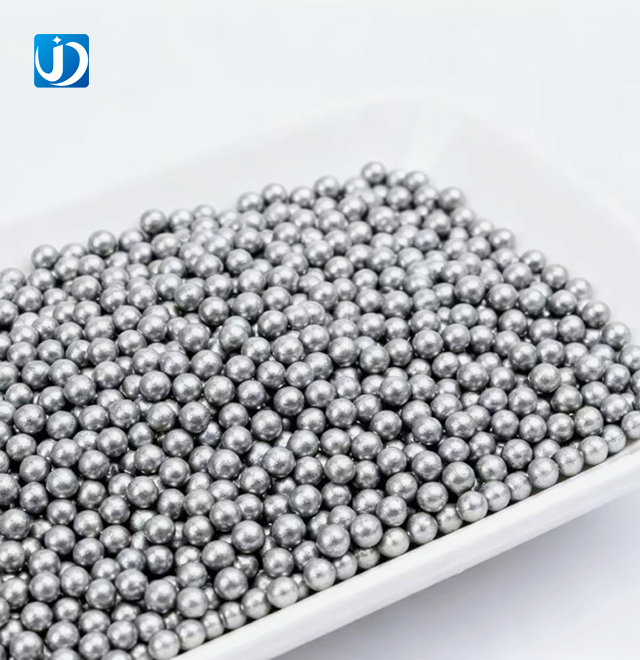
A tumble machine can handle groups of small, tough parts, but it can damage thin or soft parts with its motion. Big and heavy things can be hung by machines, but people still need to hang them. Blasting by hand can be done in many ways, but it is hard to do well and requires a lot of work. There is a mesh belt system between them that lets them move easily and steadily with little work. It's also important to make a tough choice. Steel shot is round and makes the surface smoother and more pounded. Steel grit is very sharp and cuts. It makes the surface rougher so that coatings can stick to it better. The material, the shape of the surface, and how well it cleans should all help you choose the media. Do a test run to be sure if you're not sure.
Size the Machine and Verify Surface QualityBelt Width, Speed, and Residence Time
The size of a machine isn't just based on how wide its belt is. The speed of the belt and the length of the chamber decide how long each part stays in the blast zone. When the belt moves more slowly, you can see more of the parts. A faster belt makes work go faster, but it might make cleaning less even. First, figure out how many pieces you need to destroy every hour. Then, look at the loading density. Parts that touch each other can stop the blast stream from going through them. Ask suppliers to explain what they think their capacity number means in terms of the type of part, how it is loaded, and how it should be cleaned. It would be even better if they tested your own parts and told you what they found.
Turbines, Abrasive Flow, and Separator Efficiency
How much abrasive hits the parts every minute depends on how many turbines are there, where they are located, and how strong the motor is. For heavy castings, you need a lot of flow, but for light aluminum parts, you need intensity that you can change. Find out from the supplier how the turbines are balanced and how often the blades need to be replaced if they're not wearing evenly. A hot-spot test checks to see if the blast pattern is straight and overlaps correctly. It does not matter what the space between is. There is less even cleaning when broken abrasive, foundry sand, or dust stays in the mix. Wear parts also break down more quickly. Things stay the same from shift to shift if you keep the operating mix in good shape.
Surface Standards, Dust Control, and Safety
Make a list of requirements before you buy. Grades of visual cleanliness from ISO 8501-1, like Sa 2.5, are used in a lot of coating specifications. You can also say how much longer the scale, roughness, or size change can last. What kind of filter it is and how much dust it lets out should be checked. Below 50 mg/m³ is the most that our pulse-jet dust collectors can put out. For an eight-hour shift in the US, OSHA says the noise level can't be higher than 90 dBA. Blaster sand for foundries also has to meet a standard for respirable silica. These rules are about how collectors are made because blasting aluminum can make fines that can catch fire.
Compare Cost and Judge the Supplier
Total Cost of Ownership
Costs that are too high to pay may be hidden by a low quote. Write down the costs of installation, energy, rough use, filters, wear liners, turbine blades, belt replacement, maintenance labor, and downtime next to the price of the machine. All the quotes should be based on the same assumptions about capacity, specs, warranty terms, commissioning scope, and service support. This can be done by making a comparison sheet for the mesh belt shot blaster. A cheaper machine that needs to be fixed more often usually costs more per part than a more expensive machine that only needs to be fixed once. For less downtime, it's also helpful to have extra belts and blades on hand.
What Shapes Mesh Belt Shot Blasting Machine Price
A mesh belt shot blasting machine's price is based on several factors, such as the belt's size, the number and power of the turbines, the liner and wear protection, the size of the dust collector, the abrasive recovery system, the electrical parts, and the level of automation. It takes longer to design custom engineering for robot loading or a belt layout that isn't like any other. It's not smart to compare prices based on belt width alone, since prices vary for each item. Send the same list of parts and work to each supplier, and then ask for a detailed proposal. That way you can tell the difference, like if the dust collector is smaller or the liners are thinner, and know what you're paying for.
Choosing a Mesh Belt Shot Blaster Manufacturer
Make sure you look at the application engineering, sample testing, quality of welding and fabrication, electrical drawings, factory testing, and how balanced the turbine is. Ask about packing for export, voltage compatibility, compliance documents, English manuals, and setting up from afar. If the claims about capacity aren't clear, there aren't any drawings, and there have been no sample tests, these are all red flags.
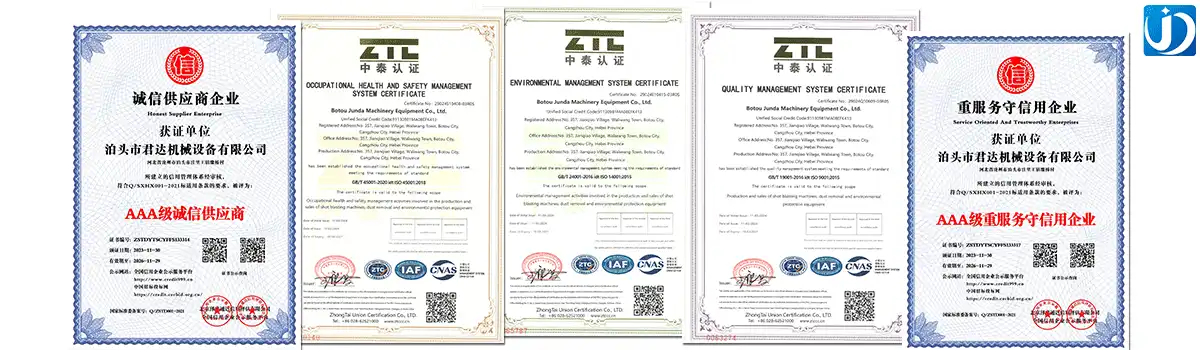
For twenty years, Junda Machinery has been making shot blasting gear. It is based in Botou, Hebei. ISO 9001, ISO 14001, and ISO 45001 have all given us their seals of approval. We also have two utility model patents and seven software copyrights. We can also help you get CE approval. Depending on what you need, it can take up to 15 days to get standard customized equipment. Original spare parts, English manuals, maintenance videos, and remote installation help are some of the other things we offer.
Plan Procurement, Maintenance, and the Final DecisionA Practical Procurement Sequence
Begin by making a floor plan, pictures, drawings, lists of materials, measurements, output goals, and pictures. Pick two or three suppliers, send them all the same package, and ask them to price all the things you want. And then make a test piece and check the finish, cycle time, and abrasive use. You can find out about the belt size, conditions for capacity, turbine specs, dust collection, installed power, delivery time, warranty, and options in a full quote. In the contract, make sure that the acceptance criteria include things like output, surface finish, test method, training, documentation, and what to do if the machine doesn't meet the requirements. Only then should you sign. It usually takes a few weeks for first-time buyers to get their items because of checks and trials.
Maintenance and Wear Parts
Every day, check the motor for vibration, abrasive leaks, seals, the dust collector, and the belt's tracking and tension. Every week or every month, check the elevator, the screw conveyor, the filters, the electrical connections, and the blades, liners, and bearings of the turbine. You should stop and tighten the belt before it breaks if it gets stuck or starts to move. The abrasive and the amount of work they have to do can make mesh belts last anywhere from 1,000 to 3,000 hours. Depending on how rough the material is, turbine wear parts need to be changed every 500 to 800 hours. If dust has built up around the belt, get rid of it. It can block the mesh. Machine operators should be taught to quickly spot cleaning that isn't even, as this is often caused by dirty abrasive and worn blades.
Final Decision Checklist
A continuous mesh belt shot blaster is the best choice if you want to keep the volume steady, be careful with the gun, and always get the same quality. Pick batch equipment if you need to make a lot of changes or a small amount of work. If you work in shifts or do castings or forgings, you can choose heavy-duty liners and more turbines. For odd-sized jobs or automation, you can also get a layout that is made just for you. Before you sign, make sure you understand the features, benefits, warranty, sample results, support, and amount of work that can be done. If every question has a written answer, you can compare suppliers based on facts instead of what they say they will do.
Conclusion
Before you buy a mesh belt shot blaster, make a list of all the parts, how much they can do, and what kind of finish they have. The type of machine comes next. When you need to keep the volume steady and handle things gently, like thin sheets and aluminum die castings, continuous belts are the best choice. Forges and castings, on the other hand, need more turbines and heavier liners. How good the surface is depends on the speed of the belt, the power of the turbine, the type of abrasive used, and how well the separator works. Sample tests are used to make sure the result is correct. Rules about noise levels, flammable dust, and controlling dust are important in the United States to keep people and property safe. It's better to look at the total cost of ownership instead of just the purchase price. This includes things like energy use, downtime, and parts that break down over time. Tests done by the supplier, documentation, and service support all have the same amount of weight. Having a written list of things to do and a planned way to buy things can help someone find the right tools for the job.
FAQ
What parts suit a mesh belt shot blaster?
With the belt in place, it can work well with thin sheet, aluminum die castings, stamped parts, and light hardware. Casted and forged parts can also be used if the machine has enough heavy-duty liners and turbines.
How do I calculate capacity?
Instead of using theoretical output, use real operating hours, loading density, changeovers, and downtime. A test run with your own parts will give you the most accurate number.
Should I choose steel shot or steel grit?
Shot makes the finish smoother and more angular. The rougher the surface is, the more grit there is. First, make sure that the material, surface profile, and level of cleaning are all right for the media. Then, do a test to be sure.
What should a quote request include?
As well as pictures and drawings, you should list the material, the size, the weight, the goal for the hourly output, the starting surface condition, the finish that is needed, the voltage, and how your plant is set up.
How often does maintenance happen?
Check the brush, belt, and seals every day. The blades, liners, and bearings should be checked once a week or once a month. Depending on how rough the material is, turbine wear parts need to be changed every 500 to 800 hours.
Contact Junda Machinery for Your Mesh Belt Shot Blaster Solution
Each mesh belt shot blaster from Junda Machinery is custom made to meet your needs for parts, output, and dust protection. We have been making mesh belt shot blasters for 20 years. We can deliver quickly, make changes based on OEM or ODM, and offer original spare parts and a full machine warranty. Send your drawings and targets to junda001@jundablast.com by email, or visit jundablast.com to find out more about the product. In 6–8 hours, our team will get back to you.
References
1. National Fire Protection Association, NFPA 484: Standard for Combustible Metals, 2022
2. National Fire Protection Association, NFPA 652: Standard on the Fundamentals of Combustible Dust, 2019
3. International Organization for Standardization, ISO 8501-1: Preparation of Steel Substrates Before Application of Paints and Related Products, 2007
4. Occupational Safety and Health Administration, Respirable Crystalline Silica Standard (29 CFR 1910.1053), 2016
5. National Institute for Occupational Safety and Health, Criteria for a Recommended Standard: Occupational Noise Exposure, 1998
6. ASM International, ASM Handbook, Volume 5: Surface Engineering, 1994

USER EVALUATE
Real feedback and practical experience shared by worldwide partners who purchased our machinery and environmental treatment devices.