How Does Industrial Shot Blasting Equipment Remove Rust?
Shot blasting equipment removes rust by throwing steel abrasive against metal at a very high speed. When the media are hit by a blast wheel, they are squished together. Rust, mill scale, and old paint are broken up by every piece that hits the surface. This lets you see the metal below. The hits smooth out the steel but leave a rough surface that helps paint and other coatings stick. It is then sent back to the wheel by a separator, and a dust collector gathers the dust. To help you choose a system that works with your parts, this guide breaks down each step and looks at different kinds of machines.
How Shot Blasting Equipment Removes Rust from Steel?
Abrasive Impact and Centrifugal Force
Rust is made when iron, oxygen, and water come together. Iron oxide doesn't stick to steel very well because it is flaky. A blast wheel has a hub that spins and blades that can be switched out. It gets into the middle of the wheel through an air cage, and the blades throw it toward the part. Every hit goes through the rust and scale and breaks up the tough stuff. An air blast system with compressed air and a nozzle can do the same thing, but it's easier to control in small areas. What kind of cleaning is done depends on where the part is, how fast the wheel is turning, how long the part is in contact with the abrasive, and how hard it is. There is no better way to set cycle times than to test blast first. Too much exposure wastes media and damages thin sections.
Surface Profile and Coating Adhesion
Getting rid of the rust is only half the job. Coatings also need a rough surface to stick to. Levels of cleanliness are given in ISO 8501-1. We got a grade of Sa 2½, which means the blast cleaning was very thorough. There are no longer any mill scale, rust, or coatings on the metal. Only light stains are left. As per ISO 8503-1, you can use profile comparators to check how rough steel that has been blast-cleaned is. Anchor patterns are made with various kinds of steel grit. To make the surface smooth, round steel shot is used. If the coating needs a certain profile depth, it will likely be written on its data sheet. Check that number before you choose media. If the profile and cleanliness grade are the same, steel structures are less likely to lose their paint quickly.
Abrasive Recycling and Dust Control
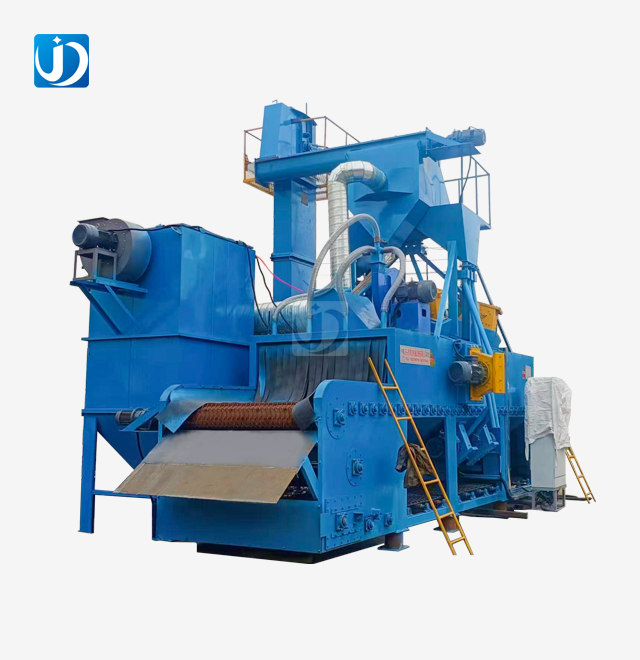
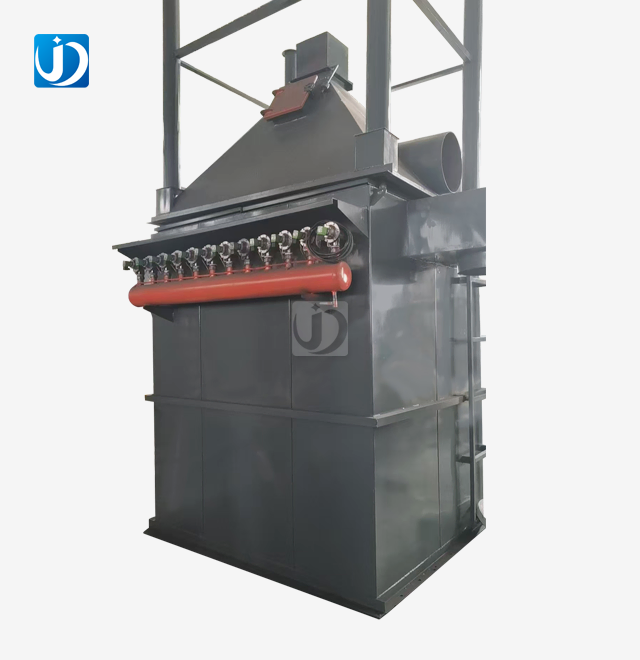
A well-built machine works with a closed loop. As it falls, it goes into a hopper. A screw conveyor and a bucket elevator move it to the separator. The air wash in the separator gets rid of dust and broken pieces. The media that can be used is then sent back to the wheel. Moving air through filters is what the dust collector does. After that, pulse-jets clean the filters while keeping the airflow steady. This loop lets people see the work area and keeps them safe from dust and other airborne particles. Because the good particles are reused instead of being thrown away with the trash, less abrasive is needed.
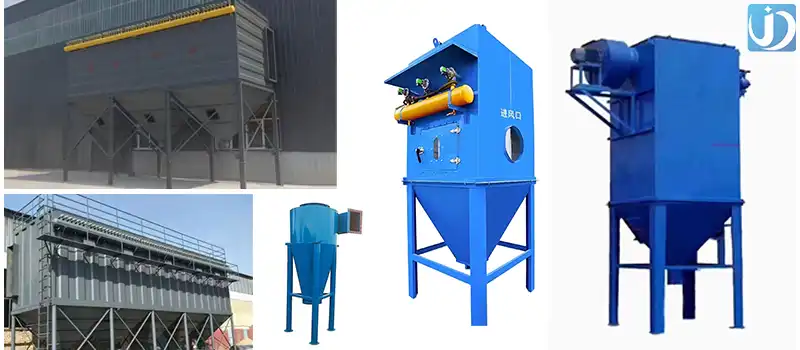

Main Components and Types of shot blasting machinesCore Components Inside the Machine
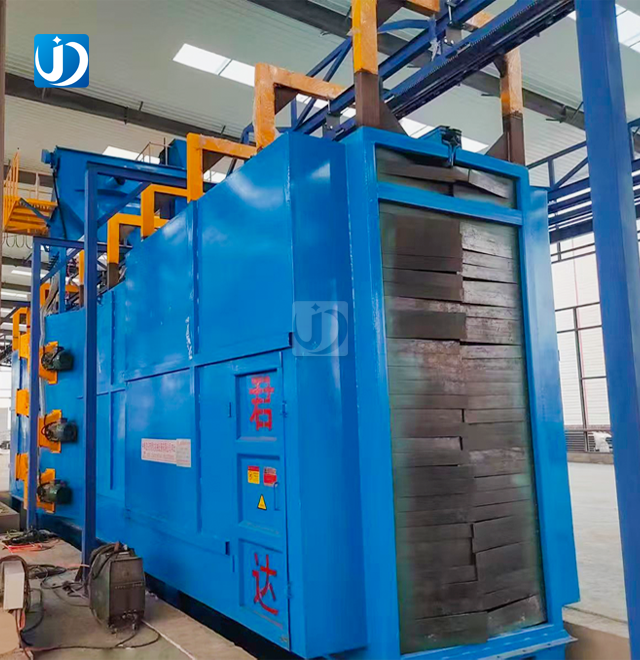
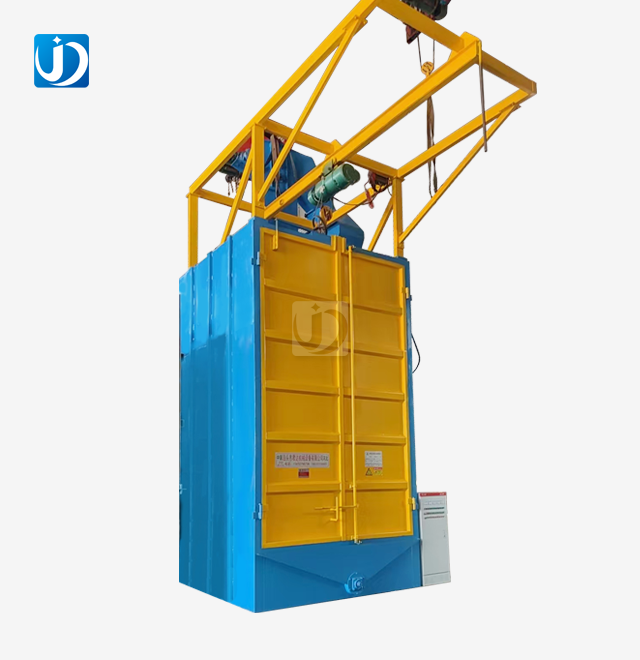
There are more than one system that works with each shot blasting equipment. The impact power comes from the air nozzle or blast wheel. The steel body is protected from damage by a chamber with wear liners that can be changed. For this, high-chrome alloy liners are often used. Parts are moved through the blast zone with hangers, rollers, tables, tumble belts, and mesh belts. Screw conveyors, bucket elevators, hoppers, and separators are used to clean the media and put it back together again. PLC-based controls take care of menus, sensors, and safety locks. Tell people who are buying something to always check how easy it is for a technician to get to the blades, liners, and filters. The time it takes to get to them directly affects how much it costs to maintain.
Machine Types by Part Shape
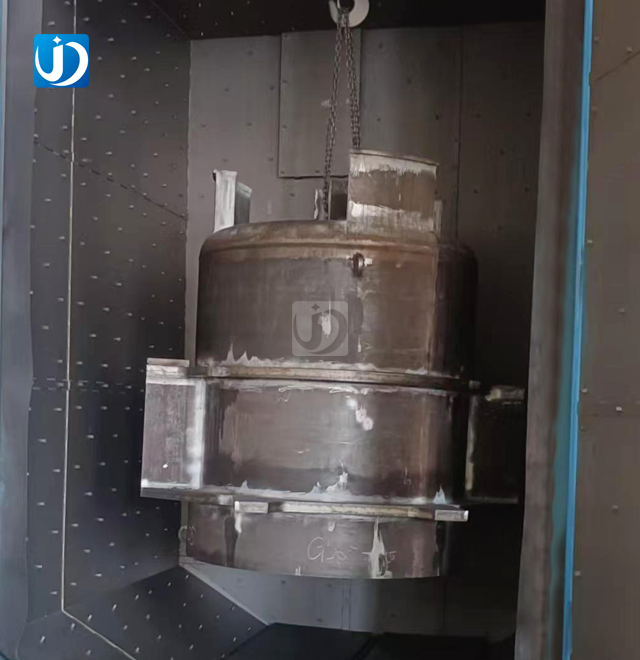
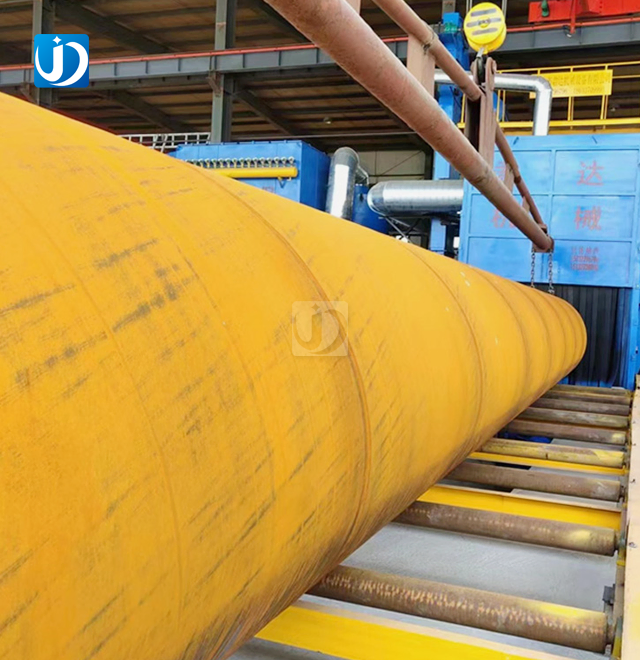
What kind of machine is used depends on the part's size and shape. Small to medium-sized castings, forgings, and hardware can all be cleaned at the same time by a tumble belt machine. It is possible to hang large or complicated parts one at a time. Pass-through and roller conveyors can work on plates, beams, pipes, profiles, and welded assemblies all at the same time. With a mesh belt machine, you can hold flat or fragile things in place. Table and turntable machines are the best for making medium to large amounts of parts. For cleaning small amounts, prototypes, and certain shapes, air blast cabinets work better. Coverage and speed are both better if you pick the right type. If you pick the wrong one, the line will move more slowly or look vague.
Choosing Between Steel Shot and Steel Grit
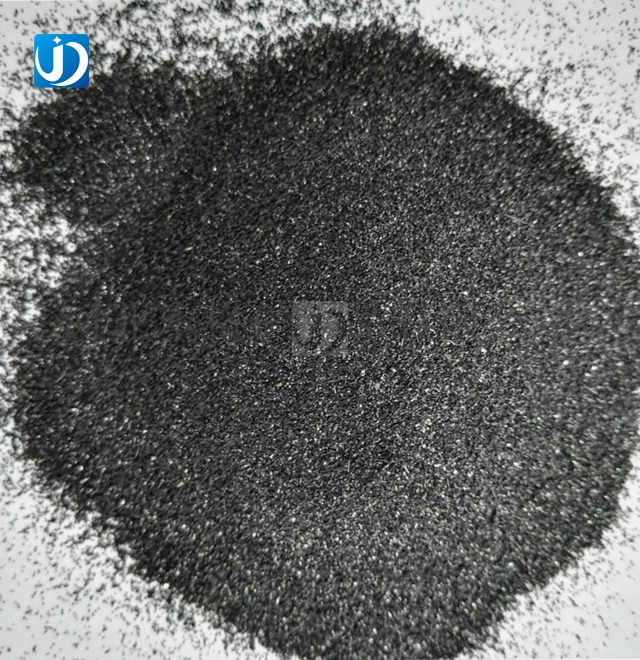
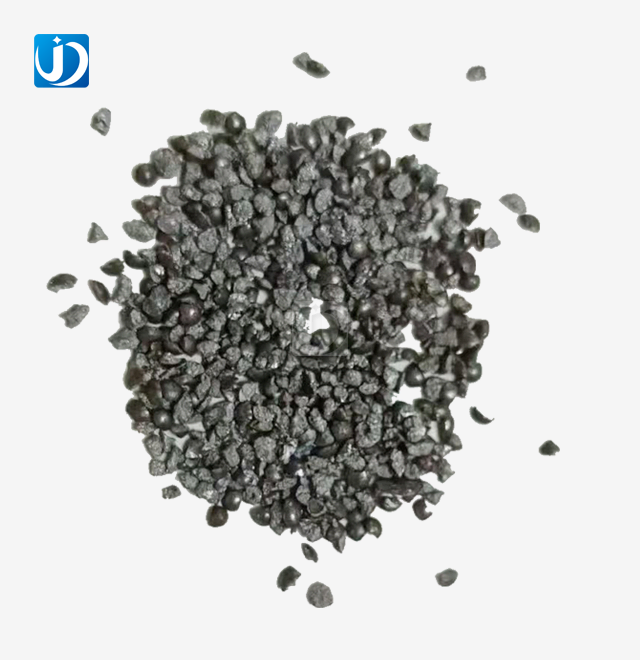
If you use rough media on a machine, it will run faster, smoother, better, and cost more. Steel shot is round and a good way to clean and sharpen tools. Steel grit is good for getting rid of heavy rust, scale, or thick coatings because it is sharp and cuts deeper. You can use stainless steel and non-ferrous media for jobs where iron contamination is not okay, like when making parts out of aluminum or stainless steel. Based on ISO 11124-1, metallic blast-cleaning abrasives are put into groups that help buyers compare suppliers on the same level. A variety of sizes is used by many plants as an "operating mix" to make sure the finish is even. Don't just look at price; keep track of how much is used per batch or per hour of work. Also, use test blasting to make your choice.
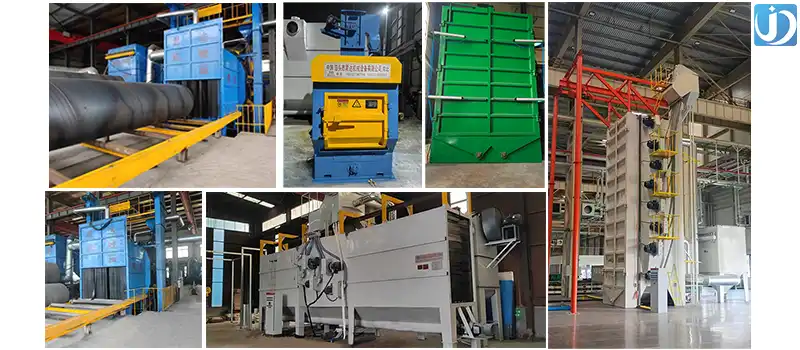
The Shot Blasting Process and Its ApplicationsStep-by-Step Process from Loading to Inspection
This is the first step in a controlled process. For each part, measure its size, weight, level of contamination, rust, and required cleanliness grade. The first things that need to be cleaned are the weld spatter, oil, grease, and water. Oil gets on abrasives and blocks filters, so this is the case. Next, put the parts in a way that they don't stack on top of each other or block the blast stream from hitting any surfaces. The speed of the wheel, the flow of the media, the speed of the conveyor, and the exposure time are all set by either a person operating the machine or a computer program. Check the size, shape, amount of dust left over, and cleanliness of the surface after blasting. Get rid of any dust that's still there before coating. When there are loose particles, the coating may not stick as well.
Applications Across Industries
Shot blasting equipment is used in many industries. Roller conveyors are used to remove mill scale from H-beams, plates, and bridge girders before they are painted or galvanized. In foundries, tumble and hanger machines clean iron and steel castings and forgings of sand, scale, and flash. Engine blocks and transmission parts with complicated shapes are easier to clean when they are laid out with more than one wheel. Shipbuilders and pipeline contractors get steel ready for use in saltwater and other harsh environments. Shot peening is used in aerospace shops to add residual stress to parts like turbine blades and landing gear. In the long run, this makes the parts last longer. The machine's width, blast coverage, and dust control need to be changed for each job.
Shot Blasting vs. Sandblasting
Both methods use rough impact, but the tools that are used are different. Centrifugal force is used in shot blasting with wheels, which works well on a lot of strong, standard steel parts. Squeezed air is used for air blasting, which is also known as sandblasting. It lets you handle small batches, complicated shapes, and repairs close to home better. How much it costs to run a business depends on things like how much dust is made, how much media needs to be recycled, and how much work needs to be done. Many places in the U.S. don't use silica sand either because of OSHA rules about crystalline silica that can be breathed in. In its place, they use other rough materials. Wheel blasting is always the best way to make steel for building. When you need to be exact or only need to do one job, air blasting is better.
Selecting, Installing, and Maintaining Your Machine
How to Choose the Right Machine for Steel Parts
Start with how much it will cost to make everything, not how much the machine itself costs. Set the highest weight, size, material, level of rust, goal for cleanliness, hourly output, and whether work comes in groups or on a continuous line. Next, pick the right way to move the parts: rollers for structural steel, tumble belts for big parts, hangers for complicated pieces, and air cabinets for flexible low-volume work. When you figure out the capacity, you should take into account planned downtime, inspections, loading, and unloading. When you compare the total cost of ownership, you should think about things like fuel, wear parts, labor, maintenance, and downtime. Most of the time, machines that look cheap but wear out liners faster end up costing more in the long run.
Installation and Safety Requirements
The first step to good performance is getting the site ready. Before delivering the goods, check the foundation, power supply, compressed air, ventilation, ducting, material flow, access, and noise limits. Make sure you tell them what voltage you need when you ask for a quote. 480V, 60 Hz, three-phase power is what most plants in the U.S. use. For safety, there should be door interlocks, emergency stops, lockout/tagout procedures, and safety gear for operators. You have to follow the rules when it comes to electricity, the environment, and the workplace. In many places, OSHA rules talk about the risks of abrasive blasting. Trainees are just as important as hardware. Workers can fix a lot of problems before they stop production if they know how to read recipes and spot red flags.
Maintenance and Wear Parts
When inspections are done often, the results don't change. Check the blast wheel blades, impellers, liners, screws, bearings, filters, sensors, and safety devices every once in a while. Blades made of high-chrome metal can last between 400 and 800 hours if you use the right abrasive and wheel speed. Liners can last over 2,000 hours. Broken parts, a lot of dust, or cleaning that isn't even are often signs of worn blades, wrong settings, or an imbalance in the flow of air. Blades that are worn out or a dust collector's pulse system that doesn't work right can make it less effective. In case something breaks, keep extra filters and blades on hand.
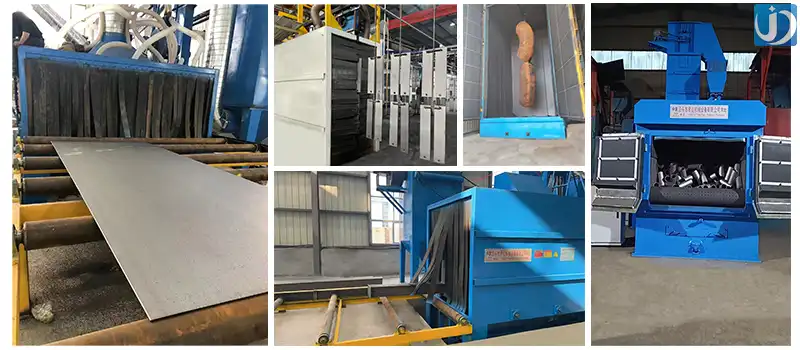
Working with a Shot Blasting Equipment SupplierQuestions to Ask Before You Buy
Check to see if the supplier can work on real parts of your work. You can ask for test blasting, written results on how clean something is, surface-profile data, estimates of throughput, and media advice. The quote should list the equipment that is being bought, how it will be installed, how it will be commissioned, how it will be trained, how it will be backed by a warranty, how it will be delivered, and what it does not include. When working on projects in other countries, make sure you know about the voltage, guide language, shipping, packaging, customs forms, and the level of service you can get in person or from afar. You should also check how skilled the engineers are, how much experience they have with projects like yours, how fast they can respond, and how believable their delivery promises are. Making sure you know what to do before you sign takes a lot less time.
What Junda Machinery Brings to Your Project
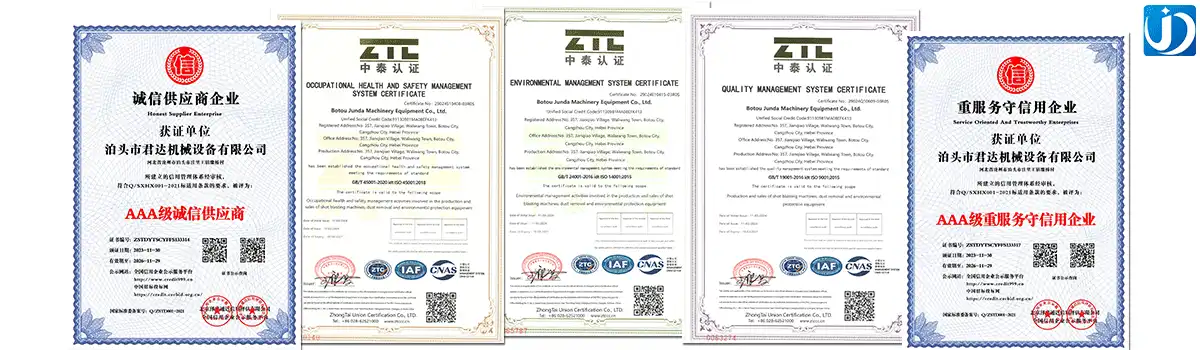
Botou, Hebei is home to Botou Junda Machinery Equipment Co., Ltd. Botou is a well-known place for making gear for foundries and for getting rid of dust. Over the past 20 years, our company has been studying, designing, and making equipment for shot blasting, getting rid of industrial dust, and treating waste gasses. For our quality system, we have ISO 9001, ISO 14001, and ISO 45001 seals. We have two utility model patents and seven software copyrights that protect systems that let us get data, keep an eye on how well dust is being removed, and manage the production process. It is possible to get technical documents, qualification files, and test reports from us to help you export.
Delivery, Customization, and After-Sales Support
We have a lot of stock on hand, and standard customized equipment can be made in about 15 days, depending on what you need. Our team will answer questions in 6 to 8 hours. As an ODM and OEM manufacturer, we can change things like the size of the machines, the way they collect dust, the automatic controls, the paint job on the outside, the monitoring software, and the private labeling to meet voltage standards, local laws, and factory conditions. We deliver FCL, LCL, and over-sized items. We also package exports, file customs forms, and issue certificates of origin. Help with remote installation, training for operators, English manuals, maintenance videos, long-term original spare parts, and service from an overseas engineer when needed are all parts of the support.
Conclusion
With an air nozzle or blast wheel, industrial shot blasting equipment hits things over and over to get rid of rust, mill scale, and coatings. It's easy for buyers to know what they want because of cleanliness grades like ISO 8501-1 Sa 2½ and the way the impacts shape the surface. Both of these things help coatings stick. What happens is based on the type of media, the speed of the wheel, the exposure time, where the part is placed, and how well the separator and dust collector do their jobs. Pick from tumble belts, roller conveyors, and air cabinets based on the part's shape, weight, and how it will be made. Just as much as the price of the item itself, the total cost of ownership, regular maintenance, and safe installation all have an effect on the end result. There is less risk when there are a lot of tests and clear criteria for acceptance.
FAQ
How do I select the right abrasive?
You need to know how hard the base metal is and how clean you want it to be before you can buy the right abrasive. It is better to use steel shot for cleaning and peening than steel grit for making a sharp anchor profile for coatings.
How long do wear parts last?
Between 400 and 800 hours is how long most high-chrome blades last. They can work for over 2,000 hours. These numbers change based on the type of abrasive and the speed of the work.
Can I blast oily parts?
Not at all. You should clean the parts first, since oil gets into the abrasive and blocks the dust catchers.
Contact Junda Machinery for Shot Blasting Equipment Quotes
In Botou, Hebei, Junda Machinery has been making shot blasting equipment for 20 years. They are certified by ISO 9001, ISO 14001, and ISO 45001, and they are based there. Mail your plans, part weights, and rust state to junda001@jundablast.com. We'll get back to you in 6 to 8 hours. At jundablast.com, you can ask for help with your next project to prepare a surface.
References
1. ISO 8501-1: Preparation of Steel Substrates Before Application of Paints and Related Products – Visual Assessment of Surface Cleanliness (2007)
2. ISO 8503-1: Surface Roughness Characteristics of Blast-Cleaned Steel Substrates – Specifications and Definitions for ISO Surface Profile Comparators (2012)
3. ISO 12944-4: Paints and Varnishes – Corrosion Protection of Steel Structures by Protective Paint Systems – Types of Surface and Surface Preparation (2017)
4. ISO 11124-1: Preparation of Steel Substrates Before Application of Paints and Related Products – Specifications for Metallic Blast-Cleaning Abrasives (2018)
5. ASM Handbook, Volume 5: Surface Cleaning, Finishing, and Coating (1994)
6. Handbook of Corrosion Engineering (2012)

USER EVALUATE
Real feedback and practical experience shared by worldwide partners who purchased our machinery and environmental treatment devices.