Baghouse Dust Collector: Working, Types & Applications
You can get clean air by pulling dirty air through fabric filter bags. The fabric traps the dust and debris. This thing is known as a baghouse dust collector. A short burst of compressed air knocks the dust into a tank, which keeps the system running. There are different types of designs, such as pulse-jet, shaker, and reverse-air. The filter media can be picked based on temperature, moisture, and type of dust. This gear is used in foundries, cement plants, metal plants, chemical plants, and wood plants. How does it work? What should you look for before you buy? Which type is best for you?
What Is a Baghouse Dust Collector?
Before you compare designs, it's best to agree on the words and parts. What is this technology, what are its main parts, and how does it compare to other collectors? That's what the next three parts are for.
Definition and Related Terms
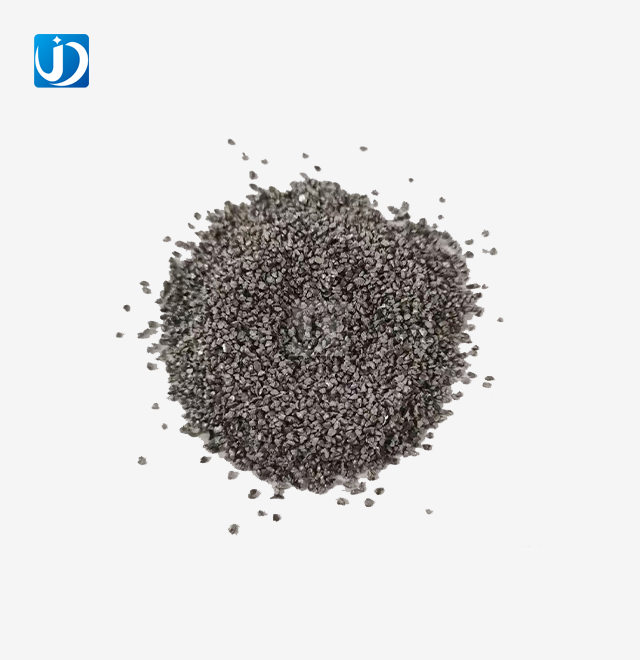
A mesh filter or a bag filter are other names for a baghouse dust collector. These bags remove small particles from the process air. Numerous people seeking to acquire something look for a "industrial dust collection system," which comprises the hoods, ductwork, collector, fan, and dust discharge. As per the U.S. Environmental Protection Agency (EPA), fabric filters will usually get rid of more than 99.9 percent of the dust. As long as these systems are in place, companies stay within the limits for emissions. They also protect workers from airborne dust and keep machines from breaking down too quickly. There are times when the collected dust can be used again and again as an abrasive, which means that recovery also saves material.
Key Components
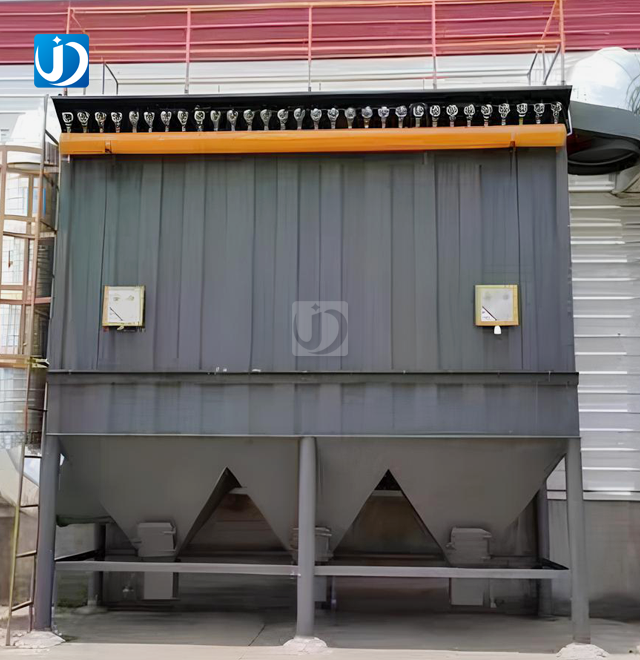
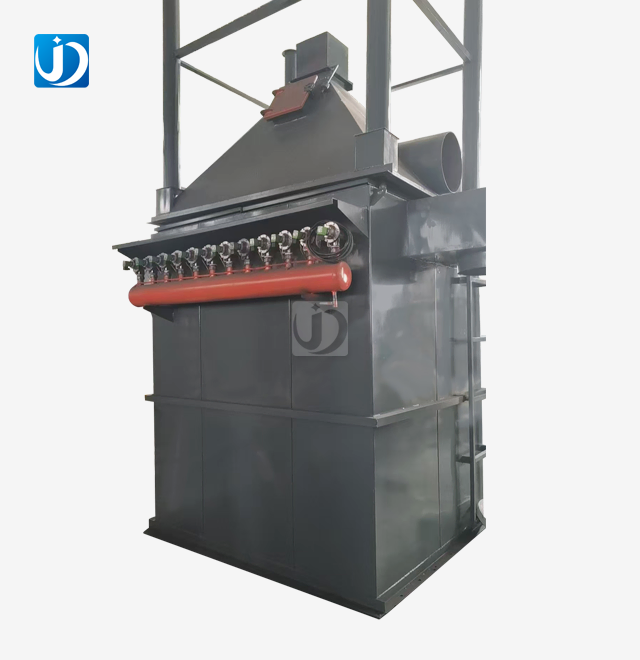
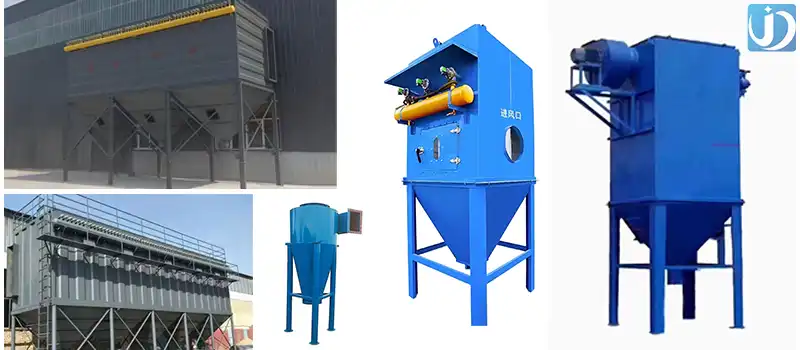
Each unit has the same main parts. This part of the machine holds the filter bags in place. Steel cages inside the bags hold the cloth inside in place. Between the side with dirty air and the side with clean air is a tubesheet. Below, the dust is stored in a hopper. A rotating airlock lets the dust out without letting any outside air in. There is an air tank, pulse valves, and blow pipes on top of the cleaning system. A fan creates negative pressure, which makes the air move. Someone in charge reads the differential-pressure gage that is placed across the filters. I think that reading on the gage is the most useful one on the unit.
Baghouse vs. Other Collectors
Each tech tool is used for a specific task. A cyclone can get rid of big particles but not fine dust if it doesn't have any filter media in it. This is why it works best as a pre-separator. Cartridge collectors have a small body and pleated media that make them small enough to fit lighter loads. Wet scrubbers mix dust with liquid, which makes sludge and makes it impossible to get back dry material. Electricians have to be very careful when controlling electrostatic precipitators because they can handle a lot of gas. It is possible for a baghouse dust collector to handle denser and rougher materials than a cartridge unit. Also, it does a good job of picking up small bits and keeping the things it picks up dry.
How a Baghouse Dust Collector Works
The process is made up of stages where things are collected and cleaned. These three parts talk about the filter media, how to clean the airflow, and the direction it takes.
From Dirty Air to Clean Air
Air that is full of dust is sucked into the chamber by the fan and spread out over the bags. When dust sticks to the outside, you have a filter cake. The EPA says this cake is the main layer of filtering, so as it grows, it does a better job. It goes into the upper plenum through the fabric. It then leaves through the duct that leads out. The pressure drops and the fan gets stronger when the cake gets too thick. Next, a short burst of compressed air changes the direction of the flow through the bag. This drops the cake into the hopper. During this stage, differential pressure is used to tell time.
Pulse-Jet, Shaker, and Reverse-Air Cleaning
Pulse-jet units use quick bursts of compressed air to clean bags one row or chamber at a time. Because they are small and have better air-to-cloth ratios (usually 2:1 to 6:1), they can handle many types of dust and media. A lot of them keep going. Shaker units use simple mechanics to move the bags and usually shut down the compartment, making them good for tasks that only need to be done sometimes. Air that is clean and has low pressure is moved backward through a space by reverse-air systems. It works well with big, steady gas streams and soft materials like fiberglass. The only one that needs clean, dry compressed air is the pulse-jet version.
Filter Bag Materials
Temperature, humidity, chemicals, and normal wear and tear can all change the type of media that is used. When the temperature is about right, polyester felt works well for general dust. Water and a lot of chemicals don't react with polypropylene. Aramid can handle more heat, and PPS can handle gasses that are acidic. Fiberglass can handle being around hot things, but it needs to be treated carefully. PTFE can handle chemicals and still work up to about 260°C. There are conductive fibers in anti-static media that get rid of static electricity. This is important for dust that can catch fire. Fine dust stays on top of a PTFE membrane so it doesn't get clogged. Anti-static, polyester felt, and PTFE barrier bags are all sold by Junda Machinery.
Industrial Applications and Safety
Since dust is different from plant to plant, the right set-up changes depending on where the dust comes from. The parts that follow talk about safety for combustible dust, other heavy industries, and working with metal.
Shot Blasting, Foundry, and Metal Processing
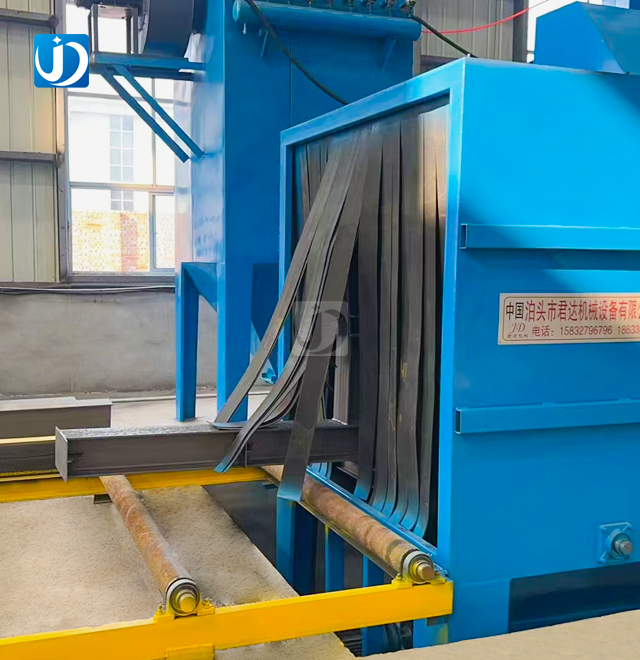
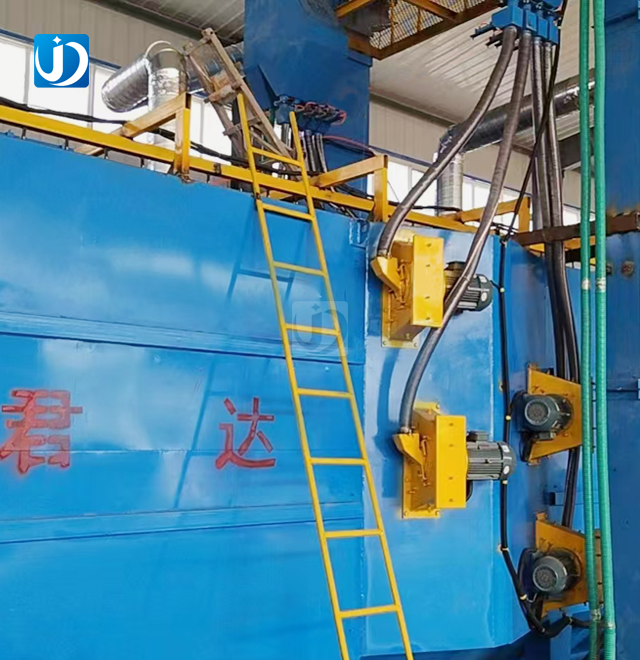
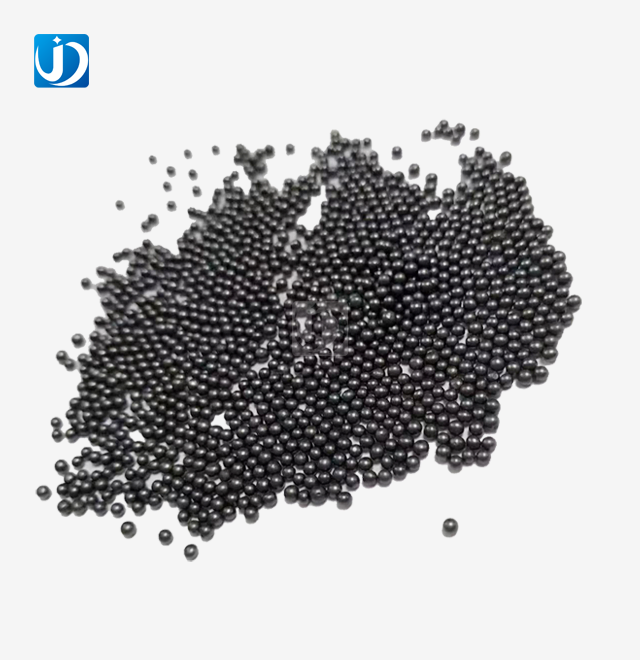
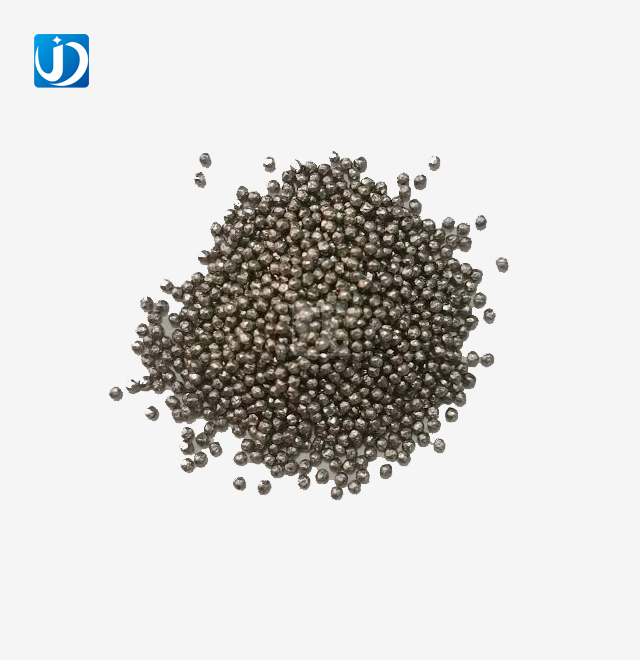
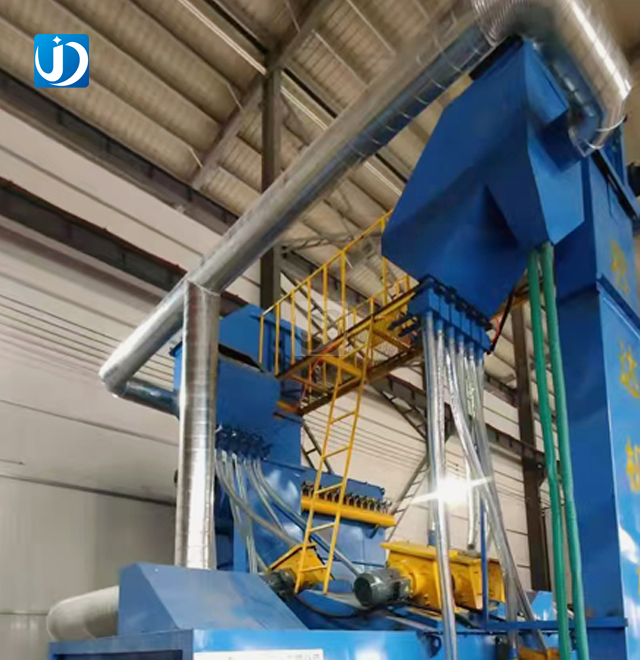
Fine, rough dust is made by metal plants. Shot-blasting machines make steel-shot fragments, mill scale, and grinding dust. A baghouse dust collector can work with the blast machine to keep negative pressure. Welding fumes and grinding dust are collected in machinery shops. Shops that work with steel structures use central units that serve many workstations. Foundries often put a cyclone in front of the filters to keep large particles from getting to the bags. This keeps the media from wearing out as quickly. Wear-resistant bags and reinforced inlet liners are helpful for plants that deal with mill scale and forge dust. Dry filtration also lets operators separate steel shot that can be used again from fine waste, which saves them money on buying abrasives.
Cement, Mining, Chemical, Food, and Wood
Different types of dust come from other areas. A lot of rough dust is moved around in cement and mineral plants by kilns, crushers, and conveyors. Fiberglass or aramid media are needed for hot kiln exhaust. Heavy loads and rain can affect mining and asphalt work. At saws, sanders, and handling lines, biomass, grain, and woodworking facilities make light, flammable dust. Food and drug plants need to be designed to be clean and have contained product recovery. To work, chemical plants have to match media to dust that is corrosive or sticky. Before talking about size, I always make sure that the dust source fits with the way the collector is set up.
Combustible Dust Safety and Compliance
Dust that can catch fire can turn a collector into a place where fire can start. NFPA standards are used as a guide by OSHA for combustible dust, and NFPA 652 calls for a dust hazard analysis. Sparks, hot surfaces, and static electricity are often what start fires. Grounding, anti-static bags, spark detectors, explosion vents, isolation devices, and temperature monitoring are all common safety measures. The tested dust and the site will tell you which set is best. Different places have different OSHA, EPA, fire, and electrical codes, so the supplier, integrator, and plant should all agree in writing who is responsible for each one.
Choosing the Right Baghouse Dust Collector
There is more to a good choice than just the housing. It starts with the whole air system. The sections that follow talk about design factors, collecting data, and judging suppliers.
Technical Design Factors
I first figure out the airflow because the fan has to move a certain amount of air based on the hood capture velocity and the duct losses. The air-to-cloth ratio divides the flow of air by the area of the filter. When the ratio is too high, the bags wear out quickly and the pressure drops quickly. Temperature and humidity of the gas are also important. High humidity near the dew point makes dust stick to the bags and makes them impossible to see through. The ACGIH Industrial Ventilation manual goes into great detail about how to design hoods and ducts. A duct that is too small raises the fan power every shift, and a collector that is too big wastes money and space.
Information to Gather Before an RFQ
Good information is the first step to a good quote. I ask buyers about the process, the type of dust, the particle size, the concentration at the inlet, the moisture, how rough, sticky, or flammable the dust is. I also need information about the airflow, gas temperature, emission target, operating hours, compressed air availability, power supply, site layout, and any standards that apply. You can really help yourself by drawing or taking pictures of the machine and workshop. Let us know about the collector type, filter media, filtration area, hopper design, and fan capacity. When data is missing, assumptions have to be made. It is these assumptions that lead to the sizing mistakes that cause high pressure drop and short bag life.
Evaluating Suppliers and Total Cost
It's important to look at more than just the purchase price when comparing quotes. Over time, things like energy use, compressed air, bag replacement times, and maintenance work add up. Then, look at how much project experience each supplier has, as well as their engineering skills, quality control, documentation, warranty, and ability to provide spare parts. Find out if the replacement bags come in standard sizes so that you can get them from more than one place. When a supplier offers hoods, ducts, fans, collectors, and discharge equipment, there is less risk of problems happening when those parts come together. Get manuals, test records, and references from plants that are like the one you're signing before you sign.
Installation, Maintenance, and Junda Machinery solutions
How well you install, commission, and take care of the unit affects how well it works. The last part of this section has information about a product from Junda Machinery.
Installation and Commissioning
A good business starts on the site. Check the base, the alignment of the ducts, the fit of the bags and cages, the rotation of the fan, the discharge from the hopper, the supply of compressed air, the grounding, and the access for service. Check the seals, test each pulse valve, make sure airflow, write down the initial pressure drop, and make sure dust discharge. Keep these baseline readings because comparing them later will show problems early. Follow the rules in your area when you test for leaks and emissions.
Routine Maintenance and Troubleshooting
Our maintenance plan is easy to understand. Once a month, check the bags for tears or buildup. If any are found, replace them right away to stop bypass leakage. Every three months, clean the compressed air lines and pulse valves. Once a week, empty the hoppers, tighten the flange nuts again every six months, and replace the gaskets every two years or when they start to leak. Look at the difference in pressure. A slow rise despite regular cleaning suggests that the bags are either full or blind. A sudden spike means that a fan or duct is clogged. If outlet emissions go up, it's likely because a bag or housing is broken or leaking.
Junda Machinery Baghouse Dust Collector Specifications
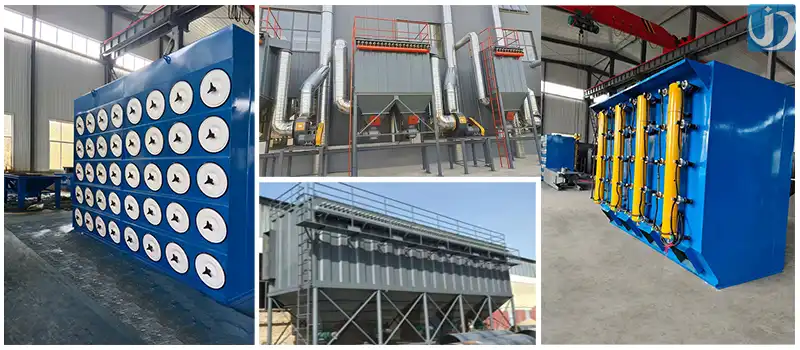
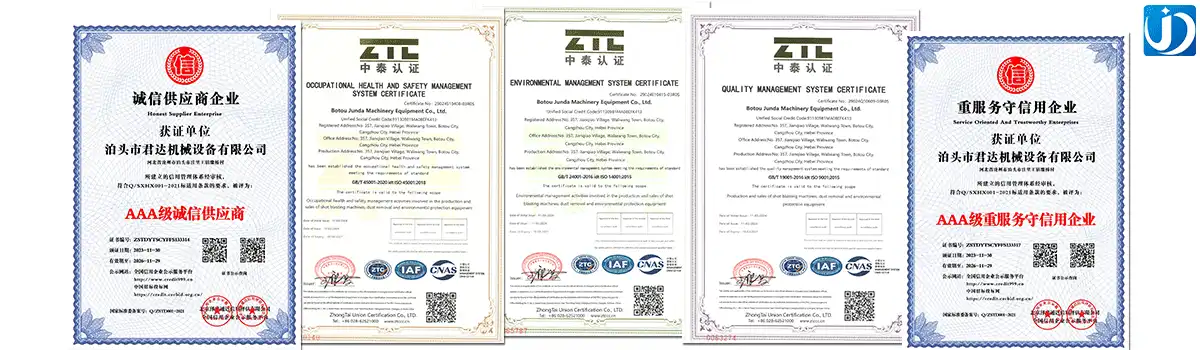
Botou Junda Machinery Equipment Co., Ltd. has a 3,000-square-meter factory that has been making manufacturing equipment for over 20 years and makes baghouse dust collector systems. The airflow is between 3,000 and 30,000 m³/h, and the filtration level must be at least 99.9%. The emission level must also be at least 30 mg/m³. The other chambers keep running while the off-line pulse-jet cleaning takes care of one at a time. Up to 120°C is the normal operating temperature, and 260°C is the temperature of special media. Noise stays at or below 85 dB, and power can be changed from 380V to 50Hz. The housing is fully welded and has sealed doors and rotary airlock valves. There is also a dual-mode controller that keeps track of the difference in pressure. These are the ISO 9001, ISO 14001, and ISO 45001 marks that Junda Machinery has. We help with CE certification and give you English manuals and spare parts that will last a long time.
Conclusion
A baghouse dust collector filters air in an industrial setting through fabric bags. The whole system, not just the housing, determines how well it works. Fine particles are better caught by the filter cake. Pulse-jet, shaker, and reverse-air cleaning have different needs in terms of continuity, footprint, and how useful they are. The temperature, moisture, chemicals, and wear and tear on the filter media must all be right. Baghouses are used in plants that process metal, cement, chemicals, and wood. Combustible dust needs to be analyzed for safety and the right precautions taken. The right size depends on the amount of airflow, the ratio of air to cloth, and correct process data. Buyers should look at both the lifecycle cost and the supplier's paperwork, and then they should inspect the items and keep an eye on the pressure drop. If a collector meets its emission and safety goals, it needs to be carefully chosen, set up correctly, and kept up with regular maintenance.
FAQ
What is a baghouse dust collector suppose to do?
With fabric bags, the air in factories is cleaned of dust and other small things. It works better than 99 percent of the time, and our units get better than 99.9 percent for fine particles. What takes place is determined by the dust, the design, and the upkeep.
Should you use a shaker or a pulse-jet cleaner?
Short bursts of compressed air are used by pulse-jet to clean one chamber at a time while the others run. In a shaker cleaner, a machine moves the bags, and the compartment needs to be taken out of service most of the time.
How often should I change the filter bags?
Different plants can't use the same gap. Chemicals in the dust, heat, and water are what wear things down. When you clean the bags, if the pressure drop stays high or the emissions go up, you should get new bags.
Can a baghouse handle dust that can catch fire?
To be safe, yes, as long as the right steps are taken. First, you should look at the dust hazards. Next, you should follow the local rules and add safety features such as grounding, anti-static media, and explosion venting.
Request a Baghouse Dust Collector Quotation from Junda Machinery
Looking for a company that can build a baghouse dust collector that works with your process? Junda Machinery has airflows between 3,000 and 30,000 m³/h, filtrations above 99.9%, ISO 9001, 14001, and 45001 certifications, and can make custom ODM or OEM builds in about 15 days, depending on your needs. We'll get back to you in 6–8 hours. Email junda001@jundablast.com with the type of dust, the airflow, the temperature, and the target emission level. For more information, go to jundablast.com.
References
1. U.S. Environmental Protection Agency, Air Pollution Control Technology Fact Sheet: Fabric Filter, Pulse-Jet Cleaned Type (2003)
2. U.S. Environmental Protection Agency, EPA Air Pollution Control Cost Manual, Sixth Edition (2002)
3. National Fire Protection Association, NFPA 652: Standard on the Fundamentals of Combustible Dust (2019)
4. Occupational Safety and Health Administration, Hazard Communication Guidance for Combustible Dusts, OSHA 3371-08 (2009)
5. American Conference of Governmental Industrial Hygienists, Industrial Ventilation: A Manual of Recommended Practice for Design (2019)
6. Air & Waste Management Association, Air Pollution Engineering Manual (2000)

USER EVALUATE
Real feedback and practical experience shared by worldwide partners who purchased our machinery and environmental treatment devices.