_1786959752558.webp)
How Does a Shot Blaster Work? A Practical Guide for Buyers
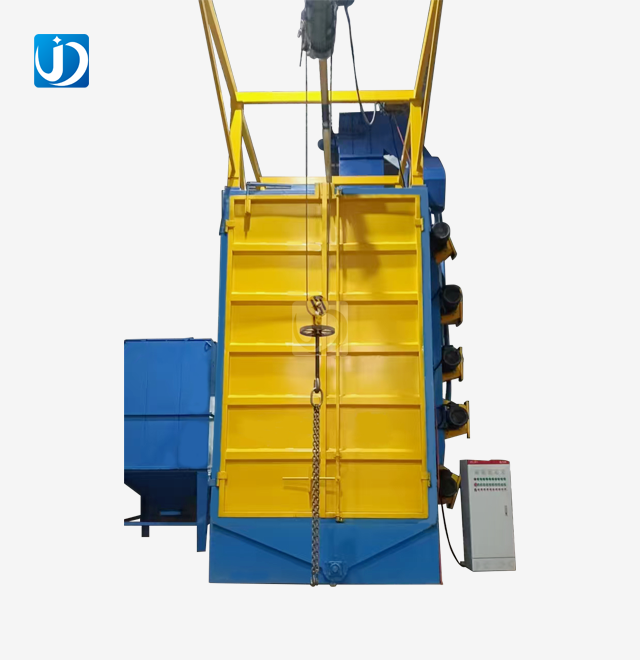
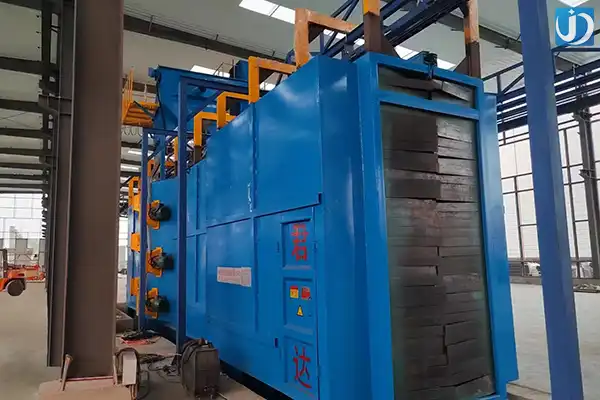
A shot blaster is an industrial surface preparation machine that propels abrasive steel media at speeds of 60–85 m/s using a high-speed rotating blast wheel. Unlike manual grinding or open-air sandblasting, a shot blaster operates within a closed-cycle system—recycling abrasive media automatically while capturing dust through an integrated collection unit. The result is a controlled, repeatable process capable of achieving Sa2.0–Sa2.5 cleanliness grades in a single pass. Whether you run a steel fabrication plant, a foundry, or a hardware manufacturing line, understanding how this equipment works helps you buy smarter.
What Is a Shot Blaster and How Does It Work?
The Core Operating Principle
A rotating blast wheel speeds up steel shot or grit as it goes through the machine. Abrasive media are fed into the center of the wheel and thrown outward at high speed. This hits the workpiece's surface to remove rust, mill scale, or oxidation. A directional sleeve inside the wheel case lets workers change the angle of the blast pattern to get the best results on different part shapes.
Key Components and Their Roles
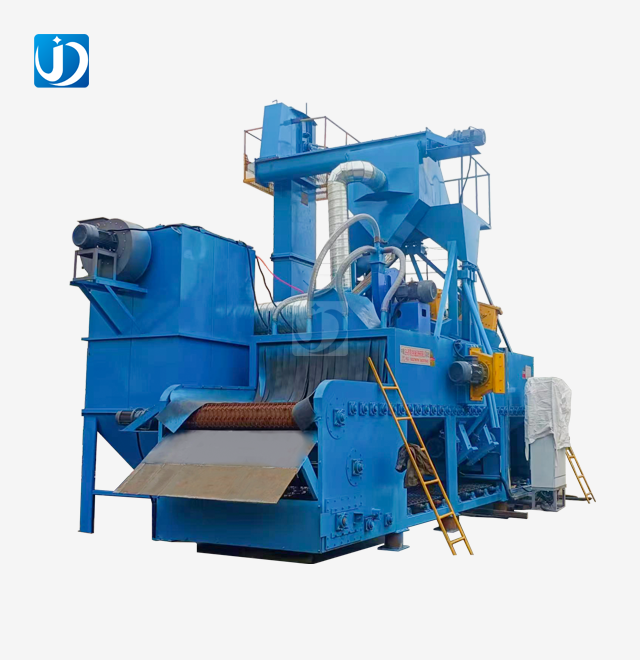
Every industrial blasting machine has the same set of parts inside that work together in a certain order:
- Blast wheel assembly — the core component that generates centrifugal force and determines abrasive velocity (60–85 m/s on Junda machines).
- Abrasive hopper and separator — stores and continuously recycles steel shot; a winnowing separator removes broken particles and fine dust before reuse.
- PLC control panel — manages start/stop sequences, conveyor speed via variable frequency drive (VFD), and blast intensity in real time.
- Dust collection system — pulse-cleaned cartridge filters trap airborne particulate before exhaust, keeping the workspace compliant with environmental standards.
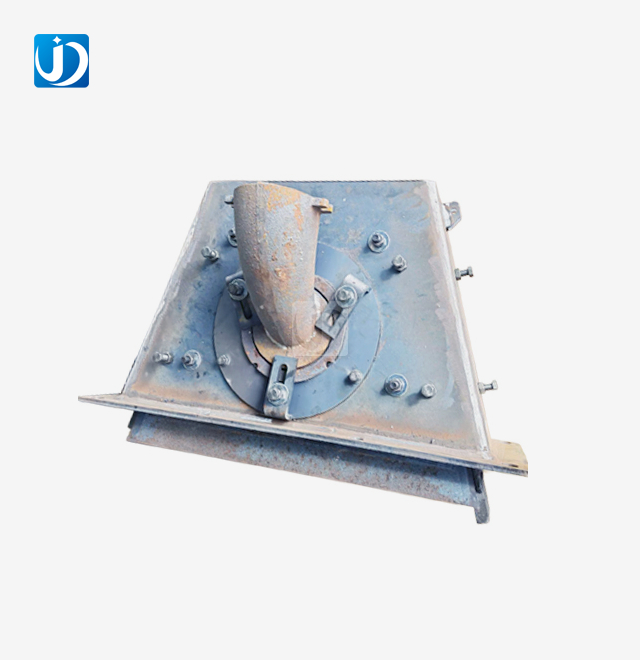
- Cabinet and wear liners — high-manganese steel liners protect the interior from abrasive impact and extend service life between replacements.
Shot blasters are different from open-nozzle sandblasting systems because these parts work together to make a self-contained cycle.
Step-by-Step Operation
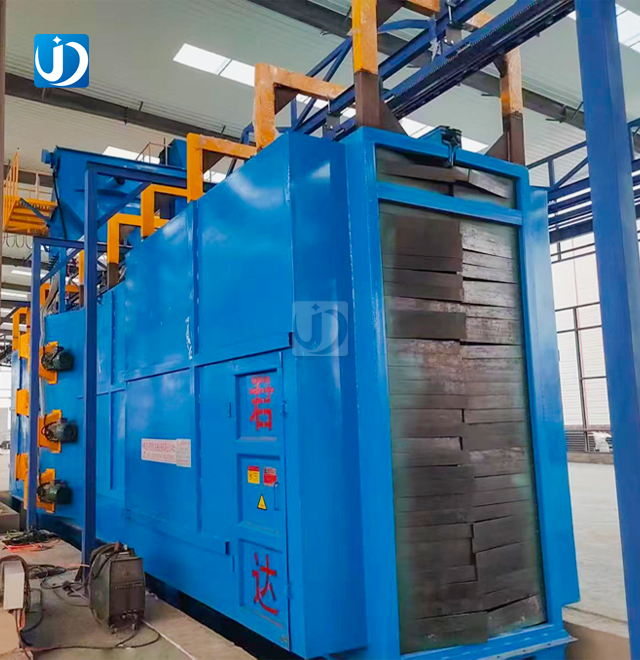
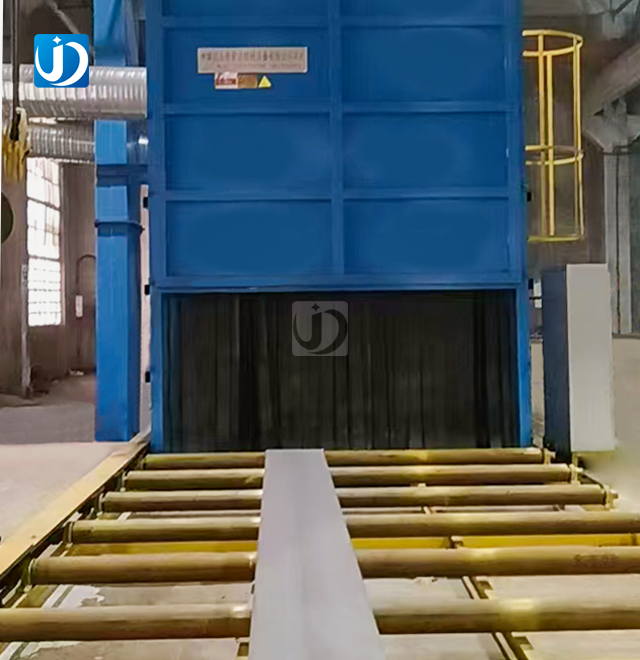
Pieces of work go into the box on a hook hanger or a roller belt. When the blast wheel turns on, sharp media hit the surface very quickly. As the lift goes up, spent shot and trash fall to the floor bin. They then go through the separator and back to the blast wheel, where they are ready for the next cycle. When a machine is set up correctly, it always gets to Sa2.5 according to ISO 8501-1, which is the level of cleanliness needed by most European and American finishing standards.
Benefits and Applications of Shot Blasting Across Industries
Why Shot Blasting Outperforms Manual Methods
Grinding by hand is labor-intensive and doesn't always get rid of surface contamination. Scarifying is rough, but it makes deep, uneven profiles that aren't good for thin coatings. Shot blasting creates a controlled surface anchor profile (Rz 40–70 μm) that can be used on all parts of the same batch. The closed abrasive recycling loop also gets rid of the silica dust risk that comes with open sanding, which is a big plus for environmental compliance.
Industry Applications Worth Knowing
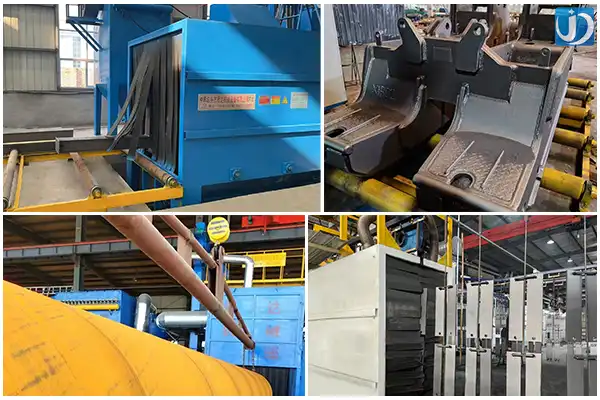
Shot blasting is used in many different types of manufacturing. In the process of making structural steel, it gets rid of mill scale from H-beams and plates before they are welded and painted. This helps bridges and industrial buildings resist corrosion over time. It gets rid of sand cores and flash from engine blocks and transmission housings in car foundries. Controlled shot peening, a more precise form, is used in aerospace facilities to put compressive stress on rotor blades and landing gear, which makes them more resistant to wear under repeated loading. Walk-behind or self-propelled floor blasters are used by construction teams to smooth out concrete blocks before they are coated with epoxy or polyurethane.
Matching the Process to Your Material
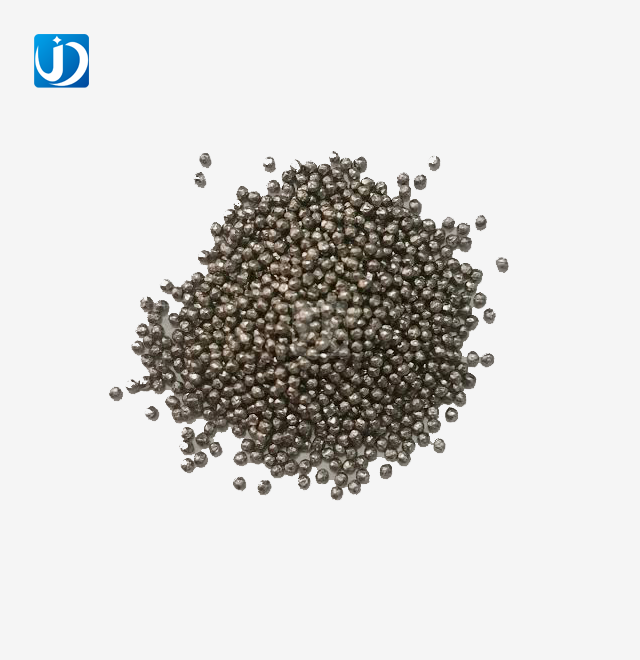
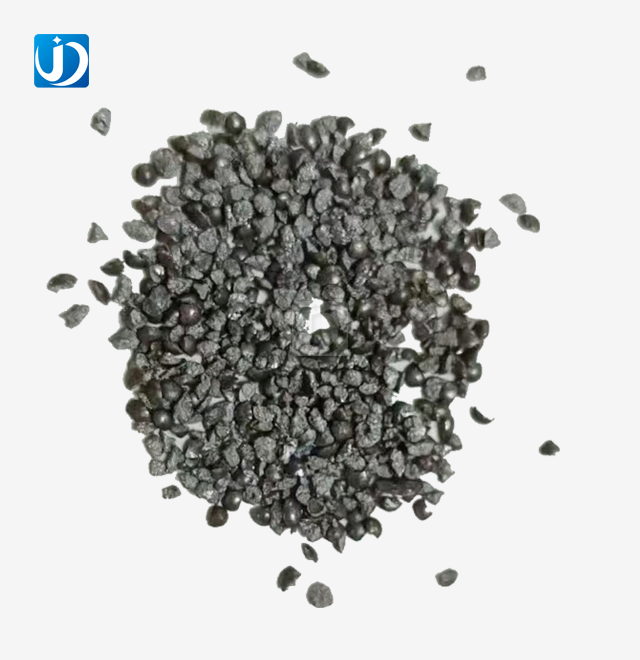
When the right type of abrasive is used, shot blasting works well on steel plates, structural shapes, cast iron parts, hardware pieces, and odd fabrications. S280–S330 steel shot works well for routinely getting rid of rust on steel. When heavy-build coatings need it, steel grit (GL/GH grades) cuts a deeper anchor profile. ICRI Guideline 310 says that angular steel grit should be used to prepare a concrete floor so that it meets the CSP 3–CSP 8 profiles.2.
How to Choose the Best Shot Blaster for Your Business
Match Machine Configuration to Your Throughput
This is Junda's industrial shot blaster equipment. It can produce between 0.5 and 20 t/h and has motor power ranging from 15 kW to 120 kW (customizable to 200 kW). A small steel tool shop that only works one shift a day has very different needs than a structural steel maker that works three shifts a day and does a lot of work. Start with the hourly output you want to reach and work your way backward to the machine model. If you undersize the blast wheel count, you won't clean as well, and if you oversize it, you'll waste energy.
Evaluate Automation Level and Control Features
By adjusting the VFD conveyor speed on PLC-controlled machines, operators can fine-tune how clean the surfaces are without stopping the line. Junda's own intelligent management system keeps an eye on how well dust is being removed, keeps track of production data, and sends repair teams tips before wear parts break. When factories sell to buyers in Europe or the United States, getting CE-certified paperwork from the machine maker makes it easier to get through customs and pass client acceptance checks.
Consider Total Cost of Ownership, Not Just Purchase Price
Most blast wheel blades need to be inspected every 50 to 80 hours of use. High-chrome blades can last longer than 100 hours, but it depends on the hardness of the abrasive and the feed rate. Plan to buy a package of wear parts like blades, covers, and separation screens when you buy the machine. Junda has standard wear parts in stock that can be sent out right away, and special designs ship within 15 days, which is helpful when production is shut down and costs money.
Maintenance and Safety Guidelines for Optimal Shot Blaster Use
Routine Maintenance Protocol
Regular maintenance directly affects how long a machine works. Every 50 to 80 hours of use, check the blast wheel's blades and liners. Every week, check the grit divider for fine dust buildup. To keep dust extraction working well, replace pulse-cleaned cartridge filter elements on a regular basis. Before Junda machines are shipped out, the impeller and blast wheel assembly are dynamically balanced to the G2.5 standard at the plant. In the field, it is suggested that the machines be rebalanced after the blades are replaced.
Personal Protective Equipment and Safe Operating Practices
Workers must wear safety glasses that can protect against impact, hearing protection that can handle constant noise above 85 dB, and shoes with steel toes. While the wheel is turning, no one should go into the blast box. Every three months, there should be an inspection that includes electrical safety checks. These should include measuring the full-load motor current and testing the insulation resistance according to CE/UL guidelines. Junda offers English-language operation manuals and video tutorials for customers around the world, and video calls can be used for remote commissioning support.
Quality Verification After Blasting
Check the smoothness of the surface with ISO 8501-1 eye comparators and use a digital profilometer to measure the roughness profile (Rz) after each production run. Keep records of the results for each batch so that the coating sprayer can sign off on them and the client can accept them. This is especially important for export orders that need Sa2.5 approval.
Conclusion
A shot blaster uses rotational force, refilling of abrasive media, and built-in dust control to prepare surfaces over and over again. Buyers can better choose the right equipment for their production volume and surface quality goals if they know about the machine's parts, how it works, and how often it needs to be maintained. The right blasting configuration is important whether you are working with steel structural parts, castings, or hardware components. If you don't meet Sa2.5 on the first pass, you will have to work on the parts again before coating them.
FAQ
1. What is the difference between shot blasting and sandblasting?
Shot blasting uses a mechanical blast wheel to accelerate steel shot or grit through centrifugal force inside a closed cabinet. Sandblasting uses compressed air to propel abrasive through an open nozzle. Shot blasting recycles abrasive automatically, produces less airborne dust, and delivers more consistent surface profiles at higher throughput—making it better suited to continuous industrial production lines.
2. How often should blast wheel blades be replaced?
Inspect blades every 50–80 operating hours. High-chrome blades can last beyond 100 hours under normal abrasive conditions. Worn blades reduce abrasive velocity and cause uneven cleaning, so timely replacement protects both surface quality and downstream components.
3. Can a shot blaster achieve Sa2.5 in a single pass?
Yes. A properly configured machine with multiple blast wheel heads in a 3D layout, correct abrasive size, and calibrated conveyor speed can achieve Sa2.0–Sa2.5 in one pass, as verified against ISO 8501-1.
4. What power supply does industrial blasting equipment require?
Most professional-grade units operate on 380V/50Hz three-phase power. Junda customizes voltage and frequency configurations to match local grid standards, including those in Vietnam, Indonesia, and other markets.
5. What abrasive media should I use for steel parts?
Use S280–S330 steel shot for general rust and scale removal. Switch to angular steel grit (GL or GH grade) when a deeper anchor profile is needed for thick protective coatings.
Get a Custom Quote from Junda Machinery — Shot Blaster Manufacturer
Botou is known as China's foundry machinery base, and Junda Machinery has been making industrial blasting equipment there for 20 years. Our shot blasters are certified by ISO 9001, ISO 14001, and ISO 45001, and we can help with CE paperwork for orders going abroad. Standard models are ready to ship right away, and special versions can be made in about 15 days. To get specifications and a quote for your specific project, email our engineering team at junda001@jundablast.com.
References
1. ISO 8501-1:2007 — Preparation of Steel Substrates Before Application of Paints and Related Products: Visual Assessment of Surface Cleanliness. International Organization for Standardization, 2007.
2. ICRI Technical Guideline No. 310.2R — Selecting and Specifying Concrete Surface Preparation for Sealers, Coatings, Polymer Overlays, and Concrete Repair. International Concrete Repair Institute, 2013.
3. Nachtman, E. S., & Kalpakjian, S. — Lubricants and Lubrication in Metalworking Operations. Marcel Dekker, 1985. (Referenced for abrasive media interaction with metal substrates.)
4. Rossi, S., Calovi, M., & Deflorian, F. — "Influence of Surface Preparation on the Corrosion Protection Properties of Coated Carbon Steel." Progress in Organic Coatings, Elsevier, 2016.
5. Society for Protective Coatings (SSPC) — SSPC-SP 10 / NACE No. 2: Near-White Blast Cleaning. SSPC, 2020.
6. Zhu, Y., & Shao, Y. — "Effect of Shot Peening on the Fatigue Life of High-Strength Steel Components." International Journal of Fatigue, Elsevier, 2019.

USER EVALUATE
Real feedback and practical experience shared by worldwide partners who purchased our machinery and environmental treatment devices.