Can steel shot remove oxide scale from metal parts?
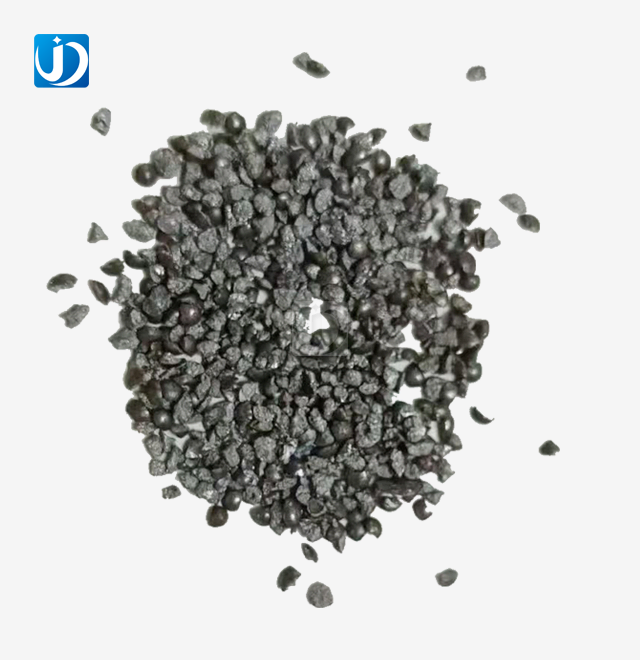
Yes, steel shot blasting is a good and reliable way to remove oxide scale from metal parts. A steel shot blasting machine shoots hardened steel spheres at the surface of the workpiece at speeds of 60 to 85 m/s. This breaks up and removes iron oxide layers mechanically, without using chemicals. According to ISO 8501-1, the process gets cleanliness grades of up to Sa 2.5–Sa 3.0. This makes an even anchor profile that helps the coating stick better. This method provides consistent surface quality on a large scale for factories that make steel structures, castings, or auto parts. It can't be matched by manual grinding or acid pickling in a production setting.
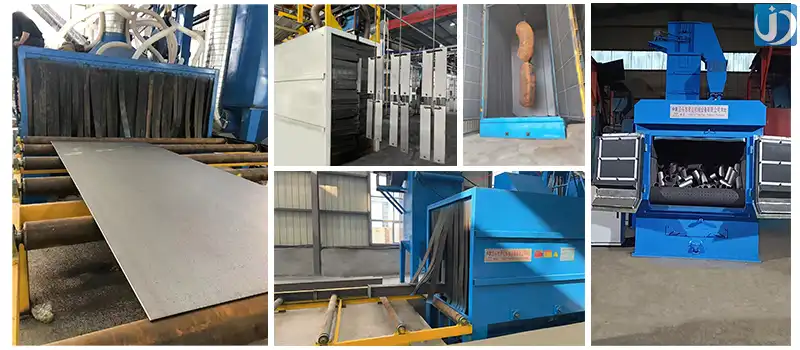
Understanding Oxide Scale and Its Impact on Metal PartsWhat Oxide Scale Actually Is?
To hot roll, shape, or heat steel, oxide scale, a crust made of iron oxide, forms on top. This crust is soft and not strong. It can get up to 3 mm thick and stick to the base metal no matter how it's worked. If you don't do anything, it will get in the way of any paint or finish you put on the metal.
Why It Damages Your Production Output?
Scale makes the surface less resistant to rust, paint less likely to stick, and the surface less level. During quality checks, parts that still have scale on them often fail tests that see how well they stick to paper. One bad batch of parts can lead to customers getting their money back, extra fix costs, and shipping delays, all of which raise the price of making one unit.
The Business Cost of Ignoring It
It's not just people who buy things for businesses who have a problem with surface preparation not being done the same way every time. It means people will make warranty claims, packages will be turned down, and buyers will not trust you as much. Corrosion Science published a study that says the layer doesn't stick because the base wasn't cleaned properly before it was put on.
How Steel Shot Blasting Works to Remove Oxide Scale?
The Mechanical Principle
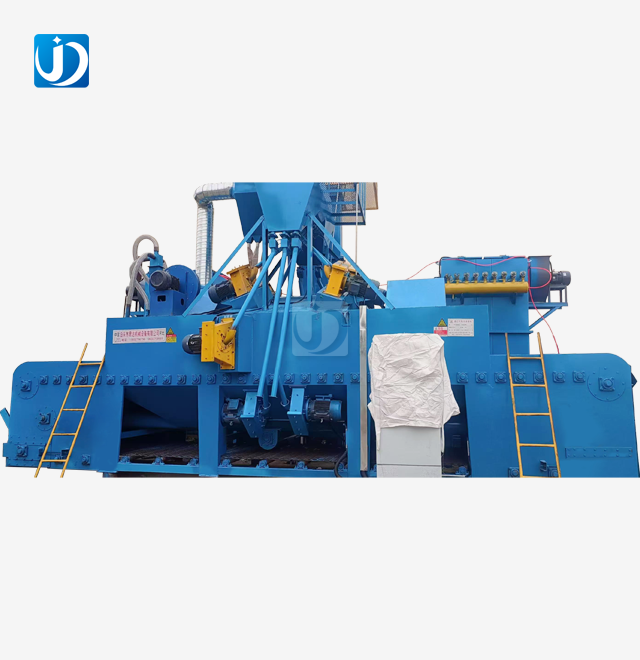
Blades that spin very quickly move steel shot around in a shot blasting machine. It pushes off oxide scale, mill scale, and rust that are on the surface of the item, leaving no chemical residue behind. You don't get sharp cuts with the round shot. Instead, you get a surface profile with bumps and compression that is better for sticking coatings together.
Controlled, Repeatable Results
With PLC clever controls on the steel shot blasting machine, workers can set and remember the speed of the wheel, the flow rate of the shot, and the speed of the conveyor. When you do this, each piece in a batch gets the same care. This is not the same as chopping by hand or using chemicals to pickle. We can be sure that this will solve the issue of uneven surfaces that make coats fail during tough production runs.
Safety and Environmental Considerations
Particles in the air stay below a certain level (below 20 mg/m³ in well-designed systems) when blast chambers are closed off and high-efficiency dust collection systems are used together. Workers don't have to worry about being around risky chemicals at work because the area is taken care of. When the closed-loop steel shot recovery system rolls media around again, it saves a lot of money on replacement and waste abrasive costs.
Comparing Steel Shot Blasting With Alternative Methods for Oxide Scale Removal
Choosing the right oxide scale removal process affects surface quality, running costs, and environmental compliance. Here is how the main methods compare:
- Acid pickling dissolves scale chemically, but generates hazardous wastewater requiring expensive treatment. It also leaves hydrogen embrittlement risk on high-strength steels and produces no mechanical anchor profile.
- Sandblasting (silica sand) achieves decent cleanliness but generates crystalline silica dust — a serious occupational health hazard now restricted or banned in many jurisdictions. Shot recycling is not viable, making per-unit media costs much higher.
- Steel grit blasting cuts aggressively and produces a sharper anchor profile, making it suitable for heavy coatings. However, it increases substrate abrasion and reduces the surface finish quality on precision parts or thinner metal sections.
Selecting the Right Steel Shot Blasting Machine for Your Oxide Scale Removal Needs
Match Capacity to Your Production Volume
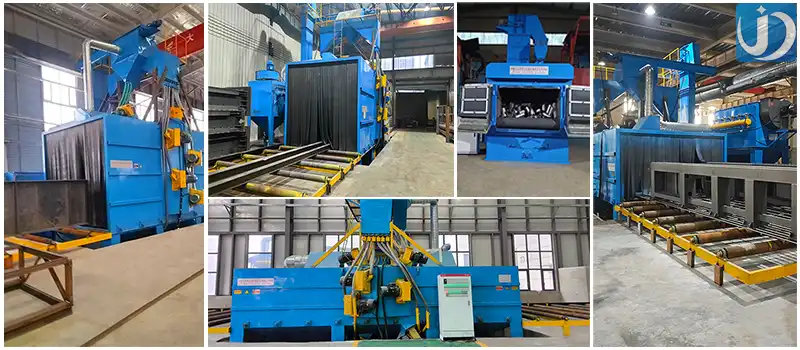
Many production companies in the middle size range can use a steel shot blasting machine that can handle 1 to 18 t/h. If there isn't enough of a machine, there will be a line before the coating line. A machine that does too much will waste energy for every tonne it works on. Find out how much money you're making now and add another 20% to 30% to it.
Consider Workpiece Geometry and Material
For flat solid plates, round casts, hollow auto parts, and pipe sections, among other things, the conveyors and blast wheels need to be set up in different ways. If you change the size and grade of the piece, the machine will change the media flow and wheel RPM. Now there is less need to switch between part types by hand, which saves time.
Evaluate Automation and Control Features
Simple control panels allow operators to adjust blast wheel speed, abrasive feed and conveyor speed manually. The machine reduces reliance on highly skilled workers and delivers stable cleaning results with consistent operation. A flexible machine is also easier to keep up because parts can be changed out without having to shut down the whole line.
Practical Applications and Industry Use Cases
The standard way to prepare surfaces in many fields is to use steel shot blasting. This is where it makes a difference:
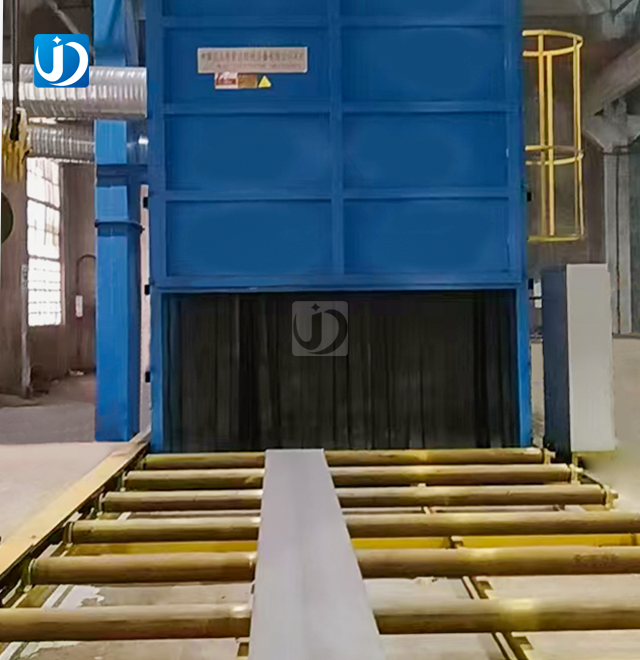
- Structural steel fabrication: H-beams, plates, and welded assemblies processed through a tunnel-type blasting line achieve uniform Sa 2.5 cleanliness before primer application, meeting bridge and building construction coating specifications.
- Iron and steel castings: Foundry castings carry heavy scale and sand inclusions after shakeout. Blasting removes both simultaneously, revealing surface defects for quality inspection while preparing the surface for machining or coating.
- Automotive components: Suspension arms, brake discs, and chassis parts require precise surface profiles for both functional coatings and dimensional accuracy. Controlled blasting parameters protect tight tolerances while removing oxide layers.
- Engineering machinery parts: Hydraulic cylinder rods, gearbox housings, and frame sections benefit from consistent anchor profiles that extend coating service life in high-wear environments.
Conclusion
Oxide scale can be removed from metal parts with steel shot using a steel shot blasting machine, and it can be done quickly, regularly, and on a big scale. It cleans surfaces to a level that can be checked, makes them ready for coatings to stick, and works well with automated production lines. It is controlled blast parameters, closed-loop media recovery, and PLC-driven automation that get to the bottom of problems when quality managers have to deal with surface inconsistency. How quickly the investment pays off depends on how well you pick the right tools for the types of work you do and how much you make.
FAQ
Does steel shot blasting damage the base metal?
No, when machine parameters are set correctly. The round shape of steel shot produces compressive stress on the surface rather than cutting into the substrate. Proper wheel speed and exposure time protect dimensional tolerances. Thin-wall parts require lower intensity settings, which adjustable-speed machines accommodate without switching abrasive type.
How often does the equipment need maintenance?
Blast wheel blades made from high-chromium alloy typically last 500–800 operating hours before replacement. Liners, separators, and conveyor components follow scheduled inspection intervals. PLC-equipped machines track wear patterns and alert operators before failure, reducing unplanned downtime.
What factors should I check when evaluating a supplier?
Verify that the supplier can provide machines with Sa 2.5–Sa 3.0 capable output, documented shot recycling efficiency data, and PLC control with English-language interfaces. Ask for references from facilities processing similar workpiece types. Confirm spare parts availability, delivery lead times, and whether remote commissioning support is offered in your time zone.
Can one machine handle different workpiece types?
Yes — machines with full-range adaptive speed control adjust blast parameters for different part sizes, materials, and rust grades within the same equipment. This avoids purchasing multiple dedicated units and reduces changeover time between production runs.
Request a Custom Configuration from Junda Machinery
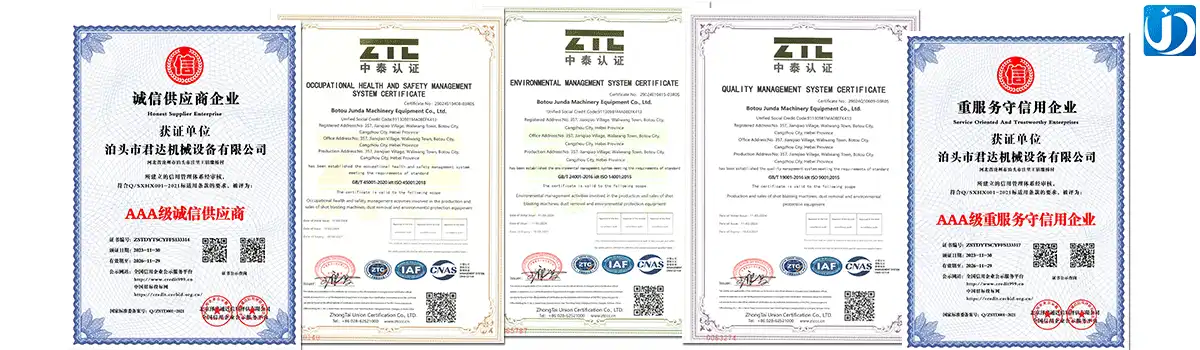
For 20 years, Botou, Hebei, has been one of the main places in China to make industrial surface treatment equipment. Junda Machinery has been making shot blasting equipment there. One to eighteen tons of steel shot can be made by steel shot blasting machines that are for sale. It is standard for these machines to have PLC controls, adaptable speed change, and closed-loop media recycle. For exporting, you can get paperwork for CE approval, ISO 9001, and ISO 14001 approval. You can call junda001@jundablast.com or visit jundablast.com to ask for a setup that works for your piece of work and your output needs.
References
1. Keane, J. D., & Trimber, K. A. — Good Painting Practice: SSPC Painting Manual, Vol. 1 — Steel Structures Painting Council, 2012.
2. ISO 8501-1 — Preparation of Steel Substrates Before Application of Paints and Related Products — International Organization for Standardization, 2007.
3. Momber, A. W. — Blast Cleaning Technology — Springer, 2008.
4.Corrosion Science — Elsevier, Vol. 52, 2010 — Study on coating adhesion failure related to substrate cleanliness.
5. SSPC-SP 10 / NACE No. 2 — Near-White Blast Cleaning Standard — Society for Protective Coatings, 2020.
6. Tromas, C., et al. — Surface Treatment and Finishing of Metals — Journal of Materials Processing Technology, Elsevier, 2005.

USER EVALUATE
Real feedback and practical experience shared by worldwide partners who purchased our machinery and environmental treatment devices.