What Is a Blast Wheel and How Does It Work?
A blast wheel is the core rotating component inside a centrifugal shot blast machine. It spins at high speed—typically between 2,200 and 3,000 RPM—to accelerate abrasive media like steel shot or cut wire and propel it forcefully against a workpiece surface. This mechanical action removes rust, scale, foundry sand, and surface contaminants, while also creating a controlled anchor profile for coating adhesion. Because of constant abrasive contact, blast wheel blades and impellers wear down over time, making them high-frequency replacement parts in any surface treatment operation.
Understanding Blast Wheels: Definition and Core Principles
What a Blast Wheel Actually Does
The most important part of any rotational blasting job is the blast wheel. The motor turns the wheel, and the fan pushes rough stuff out through the blades that are turning. The blades then shoot the material at the surface with more than 80 meters per second of speed. There is a way to clean the surface that can be used over and over. This gives you a lot more control than grinding by hand or with compressed air. This method is used every day to prepare metal surfaces for welding, painting, or coating in places like the car industry and the aircraft industry.
How Centrifugal Force Drives the Process?
Blast wheels don't use compressed air like air blast systems do. Instead, they use mechanical force to turn. As the wheel turns, sharp particles enter through the middle and speed up as they move out along the sides of the blades. When it leaves the blade tip, each particle has enough force to remove mill scale or put stress on metal surfaces. Shot peening is used to do this. Shot peening can make metal parts up to 50% stronger against wear, according to the Society of Manufacturing Engineers.
Advantages Over Air Blast Methods
For every unit of grit they throw, centrifugal blast wheels use a lot less energy than air blast guns. One blast wheel motor can usually do as much work as several compressed air fans working together. The machine will run faster, use less grit, and cost less to run. This difference in how well it works is big enough to make getting a wheel blast machine worth it for jobs that need to be done quickly, like working on car bodies or steel beams for buildings.
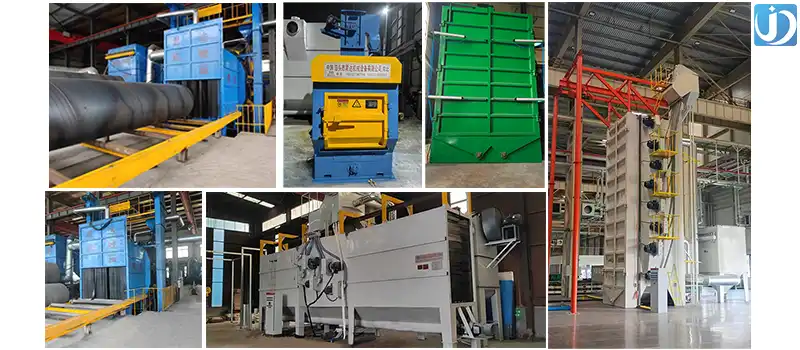
Key Components and Features of Blast WheelsImpeller and Blade Design
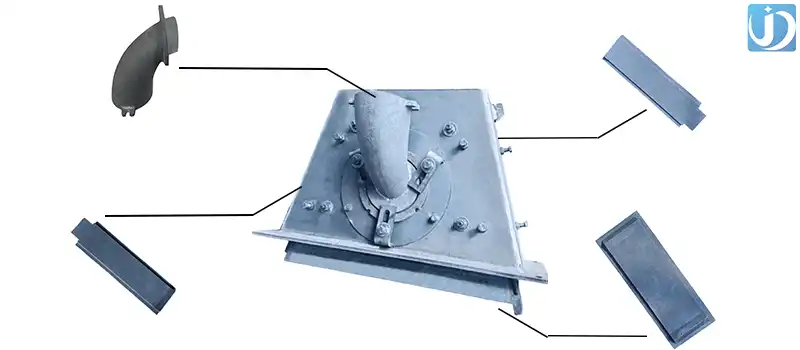
How the rough stuff gets into the blade system is controlled by the rotor. Its form has a direct effect on how consistently it throws and how evenly it loads. The blades are the main parts that wear out because they take all the force of the rough particles. Heavy-duty cast iron blades (Cr18 or Cr27 metal grades) last three to five times longer than regular cast iron blades when used the same way. The blast wheel blades from Junda Machinery are made of a high-chromium alloy. This gives buying teams a clear service life advantage that means they don't have to be changed as often.
Bearings, Shaft Alignment, and Dynamic Balance
How well the shafts are aligned and how well the bearings work determine whether a blast wheel runs smoothly or shakes too much. A big problem for people who use machines is that the changing balance isn't right. It does this because it speeds up the wear on the bearings, loosens the screws, and makes noises that prove failure is close. This company, Junda Machinery, makes blast wheel units that meet G2.5 dynamic balance standards. These standards are the same ones that most foreign OEMs need. When you put in a bearing, making sure the shaft is lined up right cuts down on shaking even more and extends the time between repairs.
Housing Liners and Dust Management
The liner inside the case keeps the machine frame from getting damaged and guides the blast pattern. The body lasts longer because it has wear plates made of a high-chromium metal that can be switched out. Because there are built-in dust collectors, the work area stays in line with EPA and OSHA rules. Most of the time, these are pulse-jet collectors that keep emissions below 20 mg/m³. With variable speed drives, the RPM of the wheel can be changed based on the abrasive and the workpiece. This stops parts with thin walls from being blasted too much and heavy steel structures from being blasted too little.
Comparing Blast Wheel Systems: Making the Right ChoiceBlast Wheel Capacity and Power Ratings
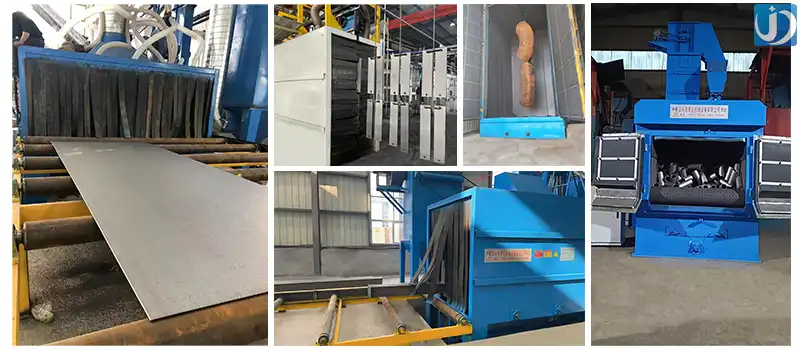
Before you can pick the right blast wheel, you need to make sure that its size fits the job. All wheels are between 300 mm and 600 mm wide, and each one has a motor that is between 7.5 kW and 55 kW strong. Sometimes a machine has as few as two wheels and sometimes it has eight. To make solid H-beams for building bridges, for example, you need a high-capacity roller conveyor machine with many wheels. For cleaning small aluminum die castings, you should use a spinner hanger setup with lighter wheel assemblies.
Abrasive Compatibility and Application Matching
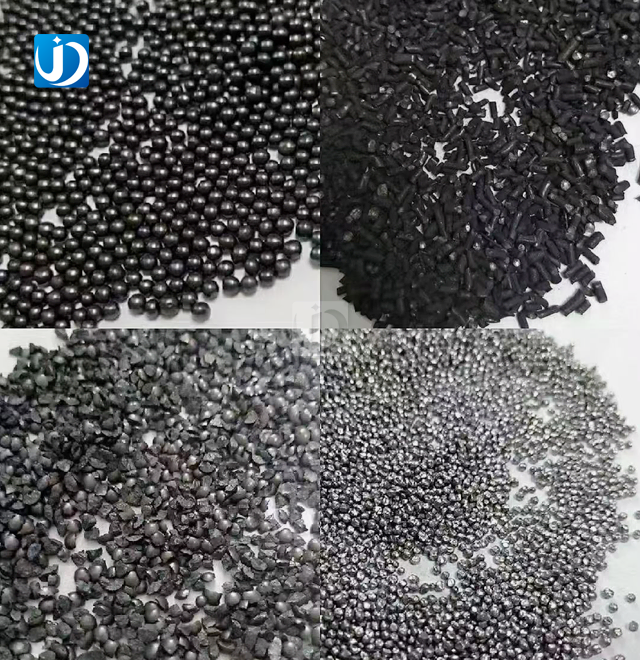
There needs to be a different blade shape and material for each type of grit. Steel shot makes a smooth, peened surface that is great for parts in aircraft that need to last a long time. Steel grit is better for high-build coatings on heavy metal parts because it has a sharp edge. If you want to clean food- or medicine-related equipment, cut wire shot is perfect because it has controlled particle size and doesn't make much dust. You can keep the blades from wearing out too quickly and make sure the surface profile meets standards like SSPC-SP 10 or Sa 2.5 by making sure the right type of abrasive is used with the right type of blast wheel.
Model Compatibility: Why It Matters for OEMs and MRO Buyers
When purchasing managers need to replace blast wheels, they need to make sure that the new wheels will work with the old ones. Standard sizes for the blades' length, the impeller's bore width, and the fitting contact are shown by model numbers like 034, Q034, and Q030. The models won't load right or, even worse, will be out of balance if they don't match. Junda Machinery makes spare blast wheels that fit a lot of well-known machine types. Two utility model patents and seven software copyrights back up these standard model families. This proves that the engineering specs are correct.
Optimizing Blast Wheel Performance and Maintenance
Routine Inspection and Wear Monitoring
Checks that are planned ahead of time find wear on the blades before they reach the backing plate. Most of the time, you will measure the blade's thickness at the tip and match it to the industry standard. If different parts of the blades get thinner, it means that the fan isn't feeding them all the same amount of air. This is an early warning sign that dynamic balance is about to drop a lot. Junda Machinery says that you should look at the blades every 200 hours of use and replace the whole set when the wear level reaches a certain level, not when the calendar says it's time.
Lubrication and Bearing Maintenance
How often you need to grease the bearings relies on the RPM and working temperature. Both too little and too much grease are bad because they make seals fail too soon and create heat. Most blast wheel bearings need to be greased every 150 to 200 hours in places where work is being done with a lithium-complex grease that can handle temperatures above 120°C. To keep track of when to do what, write down when you fix each machine in a repair log. Lubricating the bearings on a regular basis can make it twice as long before they need to be fixed.
Safety Protocols During Servicing
Always lock out and tag out the machine before you open any panel close to the blast wheel assembly. Something rough that is still inside the housing could come loose and hurt someone. When taking off and putting on blades, make sure you have the right PPE on, like safety glasses, gloves, and steel-toed boots. In order to get the machine back to work, you must check the dynamic balance every time you change the blade set. These steps guaranty the safety of the workers and protect the terms of the lease on the tools.
Blast Wheel Market Insights and Procurement ConsiderationsCurrent Market Trends
Up until 2030, the world market for shot blast tools is likely to grow slowly. This is because of more money being put into infrastructure, more people buying electric cars (the housings for EV batteries need to be carefully prepared on the outside), and stricter rules for protecting against corrosion in the ocean and marine sectors. Energy efficiency is growing in importance as people decide what to buy. Buyers want to know more about variable frequency drives and power usage in addition to the usual performance numbers.
Supplier Evaluation Criteria
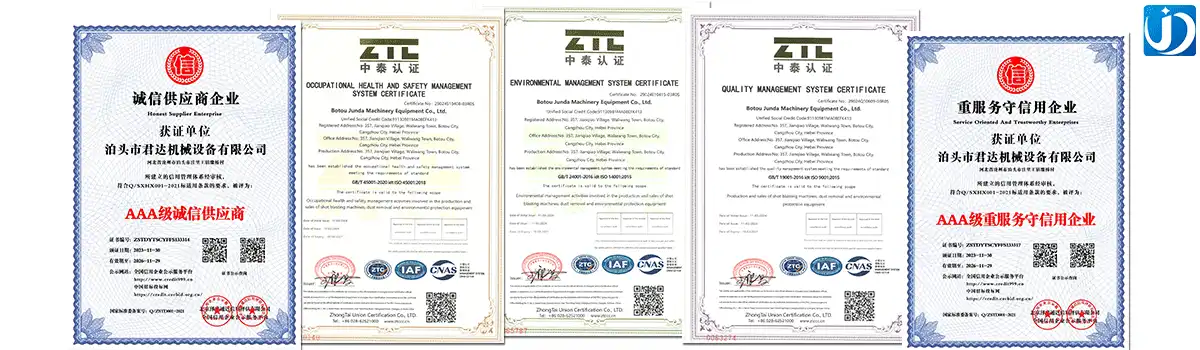
As you look at blast wheels for sale, ask the seller for dynamic balance test results, material certifications for the blade metal makeup, and names of OEM users in your field. The certifications that Junda Machinery has are ISO 9001, ISO 14001, and ISO 45001. These are what procurement teams for the export market need. The company answers questions within 6–8 hours and keeps stock on hand to support MRO orders that need to be filled quickly.
After-Sales Support and Spare Parts Access
The ability to get spare parts is important for long-term dependability. The specs for the blast wheel may seem great at first, but they won't help if it takes eight weeks to find new blades. Junda Machinery always has extra parts on hand and can help customers all over the world with English-language operation instructions, remote commissioning, and maintenance video collections.
Conclusion
A blast wheel is more than just a part that spins. It has a direct effect on the surface quality, the speed of production, and how reliable the equipment will be in the long run. The three things that make a wheel work or not are the material of the blade, the accuracy of the dynamic balance, and the match between the model and hand. Heavy-duty iron blades with three to five times more chrome last longer, and G2.5 dynamic balance keeps machines running without damaging shaking. When buying managers, MRO buyers, and OEM equipment makers know these basics, they can make better buying choices and have fewer shutdowns that weren't planned.
FAQ
How long do blast wheel blades typically last?
Blade service life depends heavily on material grade. Standard cast iron blades generally last 200–400 hours under normal operating conditions. High-chromium cast iron blades (Cr18/Cr27) extend that range to 800–2,000 hours or more, depending on abrasive type and throughput rate.
What does dynamic balance grade G2.5 mean?
G2.5 is an ISO 1940 balance quality grade specifying the allowable residual imbalance for a rotating assembly. For blast wheels, meeting G2.5 means the assembled wheel runs within tight vibration limits that protect bearings and the surrounding machine structure.
Can one blast wheel fit multiple machine brands?
Yes, if the dimensional specifications match. Common model families like 034 and Q034 share standardized blade dimensions and mounting interfaces, allowing compatible replacement across multiple machine brands. Always verify bore diameter, blade count, and housing fit before ordering.
How often should I replace the full blade set?
Replace the full blade set as a group rather than individual blades. Mixing worn and new blades creates uneven mass distribution, which degrades dynamic balance. Inspect at 200-hour intervals and replace the set when tip thickness reaches the manufacturer's minimum wear limit.
Get a Blast Wheel Quote From Junda Machinery
Junda Machinery has been making blast wheels for 20 years. Their quality systems are ISO-certified, and they make different kinds that can be used with most of the major machine names. We have engineers ready to help you whether you need standard 034/Q034/Q030 wheels or high-chromium kits made just for you to do tough jobs. Email us at junda001@jundablast.com or go to jundablast.com right now to find out prices and details.
References
1. Society of Manufacturing Engineers. Tool and Manufacturing Engineers Handbook: Surface Treatment. SME, 2018.
2. Wheelabrator Group. The Shot Blast Process: Technical Reference Manual. Wheelabrator, 2019.
3. ISO 1940-1:2003. Mechanical Vibration — Balance Quality Requirements for Rotors in a Constant (Rigid) State. International Organization for Standardization, 2003.
4. SSPC: The Society for Protective Coatings. Surface Preparation Standards for Steel. SSPC, 2021.
5. Rosler, J. & Svendsen, B. "Wear Mechanisms in High-Chromium Cast Iron Components Under Abrasive Impact Loading." Wear, vol. 394–395, Elsevier, 2018.
6. American Foundry Society. Metalcasting Industry Technology Roadmap. AFS, 2020.

USER EVALUATE
Real feedback and practical experience shared by worldwide partners who purchased our machinery and environmental treatment devices.