Steel Plate Shot Blasting Treatment: A Guide to Surface Quality and Cleanliness
Steel plate shot blasting treatment is a high-velocity abrasive cleaning process that removes mill scale, rust, and surface contaminants from steel plates using centrifugal wheels propelling steel shot or grit at speeds of 65–85 m/s. This process achieves cleanliness grades from Sa 2.0 to Sa 2.5 per ISO 8501-1, creating a controlled anchor profile that improves coating adhesion by up to 400% compared to untreated surfaces. For procurement teams in shipbuilding, bridge construction, and structural steel fabrication, understanding this process is the first step toward choosing the right equipment or service partner.
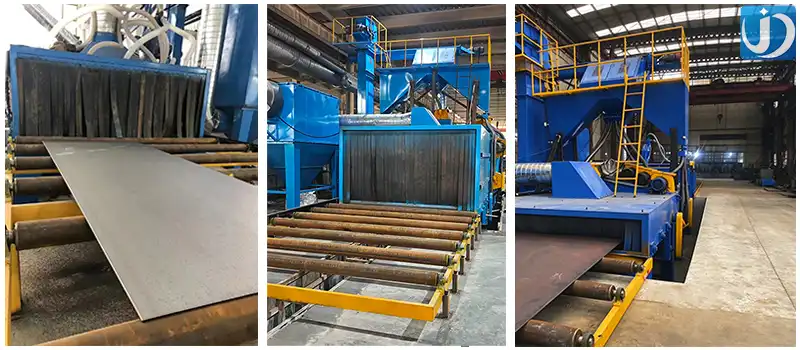

Understanding Steel Plate Shot Blasting TreatmentWhat the Process Actually Does
When you use shot blasting, you hit the surface of a steel plate with very fast streams of rough material, such as steel shot or angular grit. Mill scale, oxidation layers, and pollutants that are stuck in the material are broken up and moved by the bump. A roughness profile (Rz) of about 40 to 80 microns is what is left on the metal surface after this stage. Protective coats can be automatically held in place on this surface.
Common Blasting Media and Their Uses
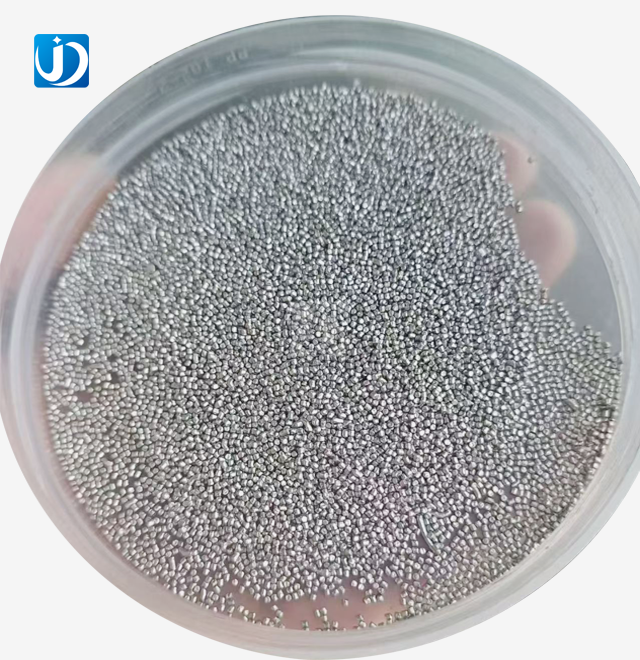
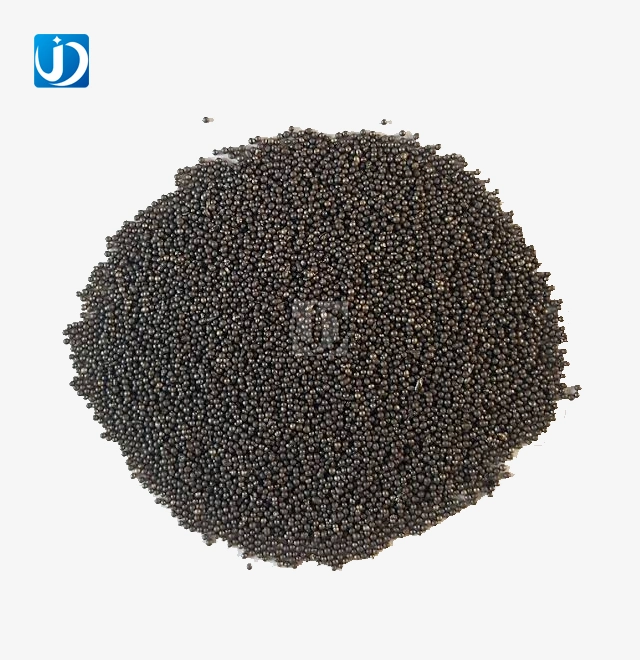
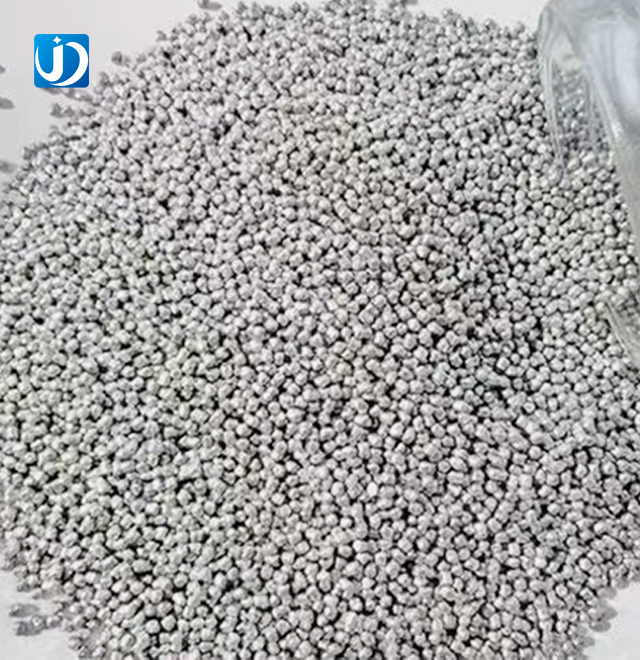
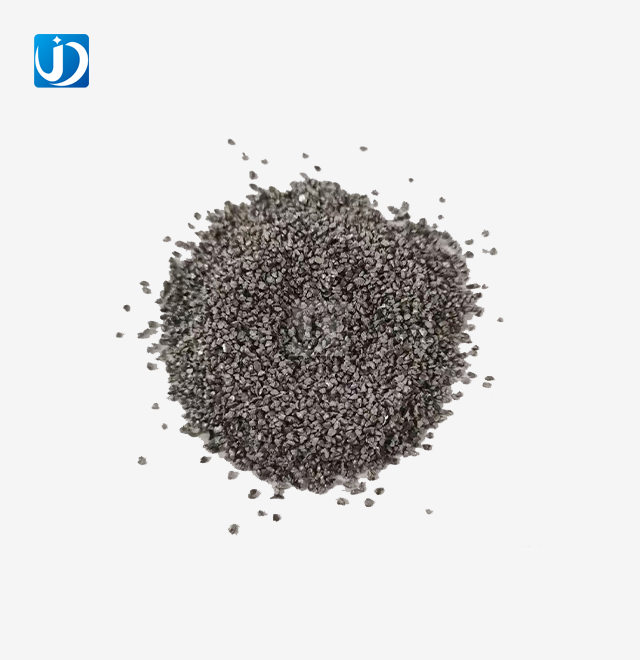
There are two main types of media that are used to get business steel plates ready. Round steel shot makes a surface that is smoother and more peened, which is good for thin-film starters. It makes an anchor design that works better for thick epoxy coats because it is harder and cuts deeper into the surface. How you decide is based on the coating system that your project engineer or the classification society tells you about.
Surface Defects and Quality Verification
Inspectors use four standard tests to check the results after blasting: they look at the results visually compared to ISO 8501-1 pictorial standards, use Testex replica tape to measure the surface roughness, check the amount of dust based on ISO 8502-3, and use the Bresle method to check for salt contamination to make sure soluble chlorides stay below 20 mg/m². These checks must be done before the plate can be used for shipbuilding or on a bridge.
Steel Plate Surface Preparation Methods: In-Depth Analysis
Shot Blasting vs. Sandblasting
Shot blasting is better for the earth and works better than compressed-air sandblasting with silica sand because it uses steel abrasives that can be refilled and wheels that spin. Blasting sand is how free silica dust is made. In many countries, this dust is limited or banned because it is very bad for your health at work. Shot blasting reuses media in a closed loop, which cuts down on the cost of consumables and the number of particles that are released into the air on the shop floor.
Chemical Treatment and Laser Cleaning
For mill scale removal, acid pickling works, but it leaves a surface that needs to be neutralized and rinsed right away. This makes getting rid of the waste water hard. Laser cleaning works well, but it takes a long time and costs a lot for large steel plates, so it can't be used for industry throughputs above 3 t/h. With either method, you don't always get the mechanical anchor form that shot blasting does.
Choosing the Right Media for Your Steel Grade
Most of the time, S330 or S390 steel shot gives coating systems the surface profile they need for steel plate shot blasting treatment on hot-rolled structural plates and H-section steel. The DNV, BV, and LR classification groups say that shipbuilding plates must be Sa 2.5. An angular grit range of G25 to G40 gives marine finishes the profile depth and cleanliness uniformity they need.
Steel Plate Shot Blasting Process & Parameters
Automated Roller-Conveyor Systems vs. Manual Blasting
Shot blasting lines that are automated and move plates at speeds of 3 to 28 tons per hour make sure that the blast settings are the same on every square meter. For small shops with low throughput, manual or batch cabinet systems work well. But they can't give steel service centers or structural steel makers the accuracy or output they need. For processes that need to get approval for Sa 2.5, automation gets rid of the differences that people can make.
These are the most important parts of the process that determine how good the surface is:
There is a speed range of 65 to 85 m/s for the blast, depending on the power of the wheel motor (45 to 220 kW). A faster speed cleans more quickly, but it also wears out the media more quickly.
- Blast velocity: 65–85 m/s, determined by wheel motor power (45–220 kW installed); higher velocity improves cleaning speed but increases media wear rate.
- Media flow rate and distribution: Uniform coverage across plate width (1.5–5 m) requires a correctly configured multi-wheel blast chamber layout.
- Conveyor speed: Adjusted to control exposure time; slower speed increases cleanliness grade but reduces hourly throughput.
- Ambient conditions: Humidity above 85% or plate temperature within 3°C of dew point causes flash rust within minutes of blasting.
Since these parameters are linked, when you change one, the others also change. It takes skill to find the right balance between a well-commissioned line and one that gives you mixed results.
Environmental Controls and Waste Management
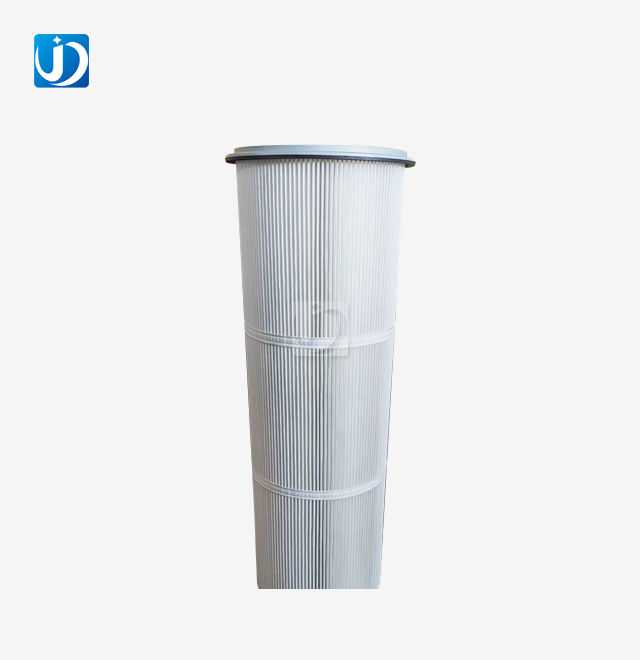
It is important for lines to have a closed-loop media recovery system and a PLC-controlled separator that clean up dust and broken media before they are used again. Dust in the workshop is kept below safe levels for workers to breathe by high-efficiency cartridge dust catchers. Media use is mostly due to decline instead of loss in this closed-circuit arrangement. As a result, costs go down and environmental rules are met in markets from Southeast Asia to the EU.
Procurement Insights: Choosing and Sourcing Shot Blasting Equipment
Key Evaluation Criteria for Equipment Vendors
When procurement teams look at shot blasting line providers, they shouldn't just look at the price per unit. You can tell the difference between real manufacturers and trading dealers by the amount of technical paperwork they have, like CE declarations, ISO 9001 quality records, and real throughput test results. Before you pay them, you can see how well they work in real life if they give you production videos and customer contacts that have been checked by a third party.
Cost Structure and Lead Time Realities
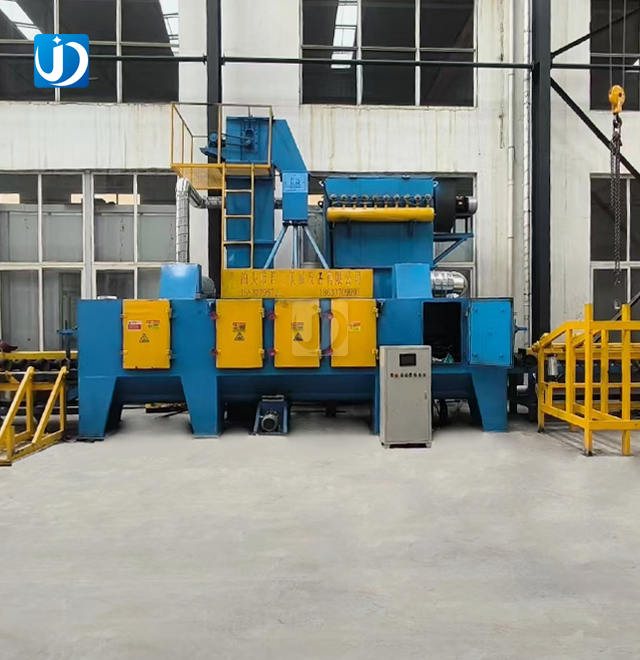
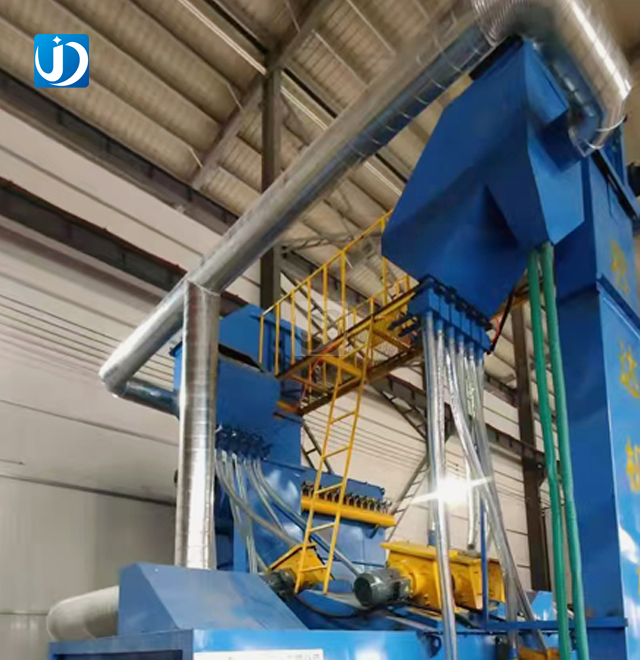
Of a full roller-conveyor shot blasting line for steel plate shot blasting treatment, there is the blast chamber, the media recovery lift, the divider, the dust collector, the roller conveyor, and the PLC control box. When you place an order, it takes about 45 days to get a standard custom setting. Freight sent by sea takes 25 to 30 days to get to ports in Southeast Asia. Installation and start-up on-site then take another 30 to 60 days. Make this 100–120-day time frame a part of your project schedule from the start.
After-Sales Support and Spare Parts Supply
It costs the most in the long run to have blast wheels, liners, or impellers that break down when they're not supposed to. When shopping for tools, find out how many extra parts the seller has in stock, how long it usually takes for them to send to your port, and whether they offer English-language repair guides and maintenance instructions. Another type of provider is one that can ship goods to regional ports in 7–10 days. The first type is much less risky.
Enhancing Steel Plate Durability and Paint Adhesion Through Shot Blasting
The Mechanism Behind Improved Coating Performance
Not only does shot blasting get rid of the rust that you can see, it also gets rid of the chloride ions and organic contaminants that are built into the metal and cause under-film rusting. The method also leaves a lot of compressive residual stress on the plate's surface, which makes it harder to wear down. A study in the journal Corrosion Science confirms that coatings put on surfaces that have been sandblasted with Sa 2.5 have four to six times lower corrosion creep rates than coatings put on surfaces that have been wire-brushed by hand with St 3.
Measurable Durability Improvements
If you properly shot-blast structural steel plates before coating them, they will last 15 to 25 years before they need major upkeep when making bridges. Builders of ships must use Sa 2.5 when following DNV or BV class rules. This is because the anchor profile and level of cleanliness are directly related to how well the hull protects against corrosion, which is what hull repair plans are based on.
Optimizing Surface Roughness for Your Coating System
As you can see, different coating systems have different needs when it comes to surface roughness. Most of the time, zinc-rich primers need Rz 40–70 microns, while high-build epoxy systems may need Rz 60–100 microns. If you use Testex tape to make sure you choose the right abrasive media size for the right Rz range, you can avoid the sticking issues that happen when surfaces are too rough or too smooth.
Conclusion
If you don't properly prepare the surface of steel plates, your finishing system won't last as long, and the buildings you build might not meet the standards of a classification society or an infrastructure project. To get rid of a lot of steel plates, steel plate shot blasting treatment to Sa 2.5 is still the best and least expensive way to do it. Make sure that the roller width, output, blast rate, and PLC interface of your equipment are all right for your production needs. This is true whether you are building a new preparation line or making an old one better. This is the best way to get a good return on your money over time.
FAQ
What is the difference between shot blasting and sandblasting for steel plates?
Steel abrasives that can be reused are used in shot blasting in a controlled system with wheels that move back and forth. For sandblasting, you use sand that has been mixed with air that has been squished together. This makes silica dust that is dangerous. With shot blasting, more work gets done, the cost of media per ton of steel made goes down, and the workplace is safer.
How long can a blasted steel plate remain uncoated?
When kept inside where the humidity is below 50%, a blasted plate can usually go without a coating for 4 to 24 hours before flash rust appears. When blasting in wet humid places, shop primer needs to be put on right away, ideally within two to four hours.
What cleanliness grade do most industrial projects require?
It is recommended by ISO 8501-1 that Sa 2.5 (Near-White Metal) be used for around 90% of industrial covering tasks. Building ships, bridges, and pressure tanks is part of this. While Sa 3.0 (White Metal) is used, it is only in underwater or very hostile service settings.
Does shot blasting change the steel plate's thickness?
It doesn't really matter how much material is taken away; it's measured in microns. While the process doesn't change the structure of the plate, the anchor shape makes the useful surface area a lot bigger.
Partner with Junda Machinery for Your Shot Blasting Line
For 20 years, Junda Machinery has been making steel plate shot blasting processes, including steel plate shot blasting treatment. They have worked with producers in South Asia, Southeast Asia, and other places. Our roller-conveyor lines can be set up to work with a width of 1.5 m to 5 m and a speed of 3 to 28 t/h. They have all the paperwork you need for CE and ISO 9001, and they have a PLC built in so you can connect them to a coating line further down the line. We handle the logistics for exports, set up on-site, and make sure that extra parts are always available. You can email us at junda001@jundablast.com or visit jundablast.com to get a detailed plan.

References
1. ISO 8501-1: Preparation of Steel Substrates Before Application of Paints and Related Products — Visual Assessment of Surface Cleanliness. International Organization for Standardization, 2007.
2. SSPC-SP 10 / NACE No. 2: Near-White Blast Cleaning. Society for Protective Coatings, 2007.
3. Bardal, E. Corrosion and Protection. Springer, 2004.
4. Knudsen, O. Ø., et al. "Effect of surface preparation and coating type on the corrosion protection of steel." Progress in Organic Coatings, 2005.
5. Momber, A. W. Blast Cleaning Technology. Springer, 2008.
6. DNV GL. Rules for Classification: Ships — Part 3, Chapter 1: Hull Structural Design. Det Norske Veritas, 2022.

USER EVALUATE
Real feedback and practical experience shared by worldwide partners who purchased our machinery and environmental treatment devices.