Steel Pipe Shot Blasting Machine: Types, Applications, and Selection
A steel pipe shot blasting machine cleans pipe surfaces by throwing steel abrasive at high speed with spinning blast wheels. It removes rust and mill scale and leaves an even, rough surface that coatings can grip. The main types are through-feed roller machines, hanger machines, and manual cabinets. Pipe mills, pipeline contractors, and fabrication shops use them before painting or coating. To choose well, match the machine's hourly capacity to your line, confirm the target cleanliness grade, check abrasive compatibility, and plan dust control. This guide walks through each step in plain language.

Understanding Steel Pipe Shot Blasting MachinesHow Shot Blasting Works
Instead of a compressed air tube, shot blasting uses a blast wheel that spins. Abrasive falls on the wheel's blades and shoots out quickly. It hits the pipe, loosens the metal, and breaks off rust and mill scale. The way sandblasting works is different. The abrasive is moved through a nozzle by compressed air. This works well for small repairs but takes longer to cover large areas. Shot peening also uses round steel shot, but the goal is not to clean the metal but to make it stronger by hitting it in a controlled way. Also, steel abrasives don't have any crystalline silica in them, which is something that OSHA controls with its 2016 respirable silica rule.
Core Components and Workflow
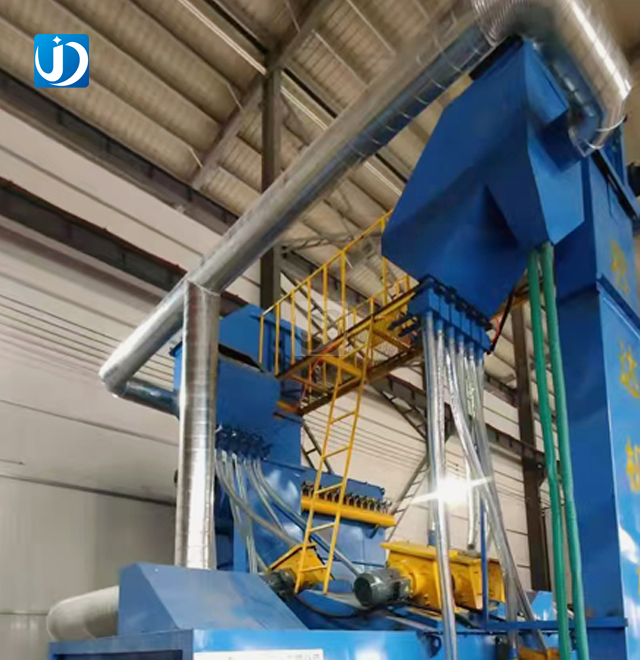
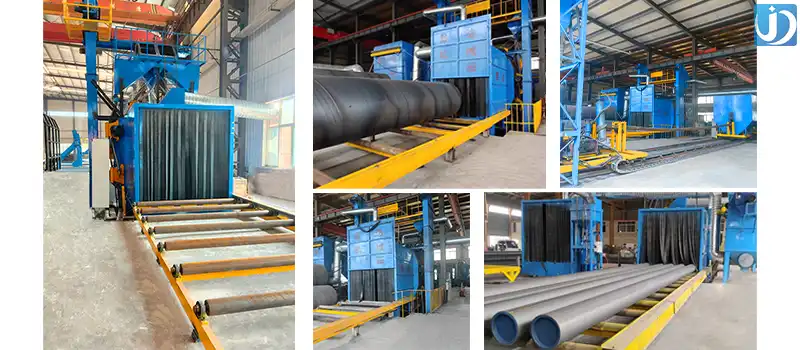
The main parts of all machines are the same. The bucket holds the pipe, and the wheels throw grit. A belt or an overhead hanger pulls the pipe along. The used media are collected by a recycling device. As it moves along a screw conveyor to a bucket elevator, an air separator separates the abrasive that can be used from the dust and broken pieces. The air that leaves the room is then cleaned by a dust catcher. The pipe goes in, gets hit from different directions, and comes out clean. Since good grit goes back to the wheels, the cycle can be repeated without having to add by hand.
Machine Types Compared
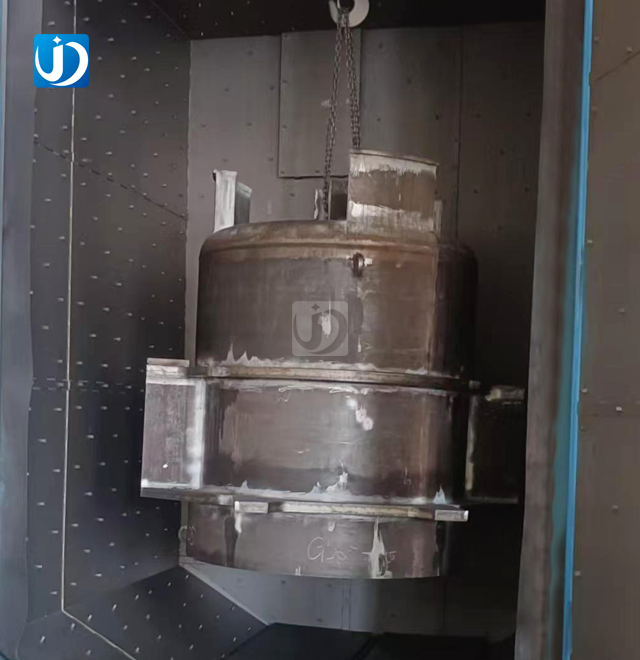
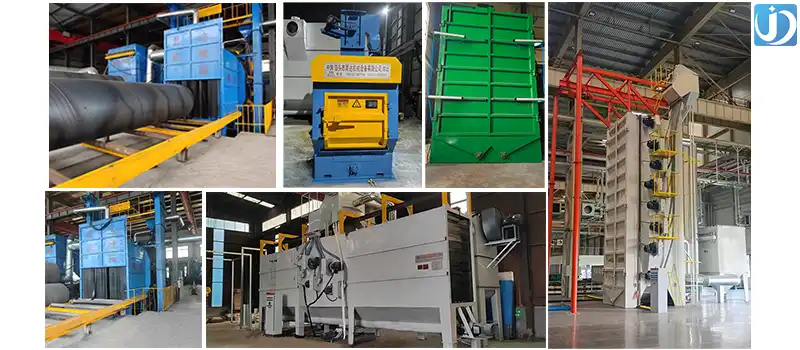
I divide the pipe blasting gear I use into three different types. Through-feed roller machines move pipes forward while blasting them, which means they can be used in a continuous process. Parts are hung from a train and turned by hanger machines, which are good for big or odd-shaped parts. At 2–5 r/min, our Rotary Hanger line can handle loads of up to 8,000 kg on a single hook. A person has to run a manual machine and aim the blast and fit small batches. A table or a carousel machine can only work with small parts and not full-length pipes.
Benefits for Pipe Surface Preparation
Shot blasting does two things at once. It gets rid of rust and mill scale and makes an anchor profile, which is made up of small peaks and valleys that help paint stick. ISO 8501-1 says that grade Sa 2½ cleaning is very thorough. Old paint, mill scale, and rust are gone, and there may only be light stains left in spots or stripes. Pickling steel in acid also cleans it, but it makes the surface smoother and makes liquid waste. With automatic blasting, every pipe gets the same amount of contact, so it doesn't matter how one person does it.
Key Applications and Industry UsesOil and Gas Pipelines
A high level of cleanliness, like Sa 2.5 under ISO 8501-1 or SSPC-SP 10/NACE No. 2, is usually what pipeline owners ask for before coating. That's what our rotary through-feed steel pipe shot blasting machine does. The pipe goes forward on V-shaped slanted rollers, and shadow zones are taken care of by a multi-angle wheel layout. Epoxy and polyurethane coatings don't peel off as easily because of the micro anchor texture. This means that pipelines will last longer. The machine is directly linked to steps for preventing rust, painting, and thermal insulation because lines constantly enter and leave at different speeds.
Construction, Automotive, and Heavy Machinery
Steel pipe is used to make building frames, bridges, auto parts, and machines. ISO 12944-4 talks about how to prepare the surface for paint systems that protect steel buildings. One way it talks about is blasting. Our hanger-type tools work with big castings, welded parts, industrial machinery parts, car frames, and structural parts with unique shapes. The overhead suspension design keeps the workpieces from breaking when they hit each other, and the 360° rotation gets to places that fixed blasting would miss. It's important for these shops to be able to load and unload different types of work, so raw capacity isn't the only thing that matters.
Safety and Dust Control
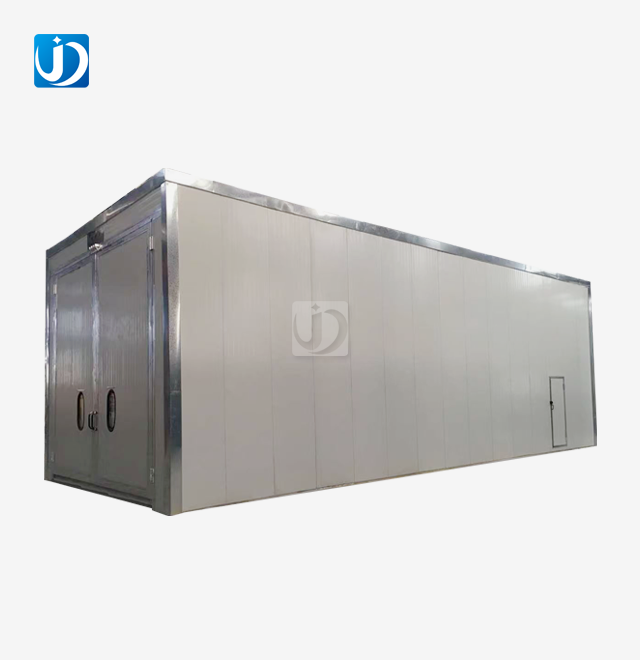
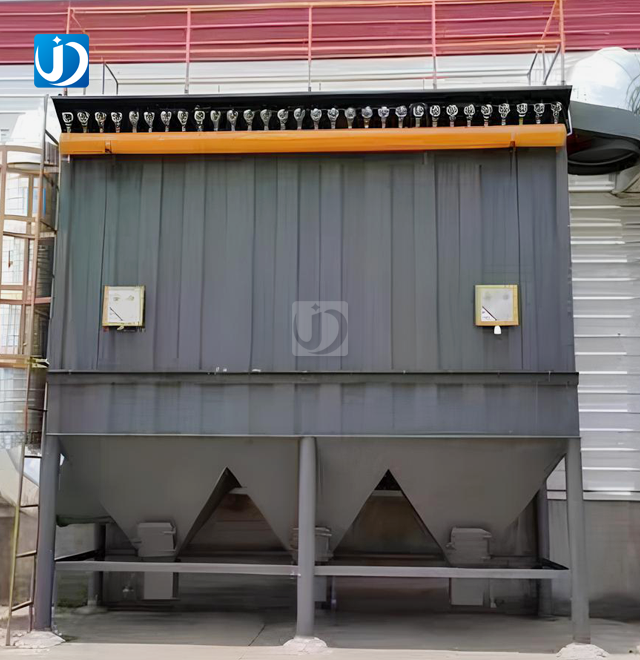
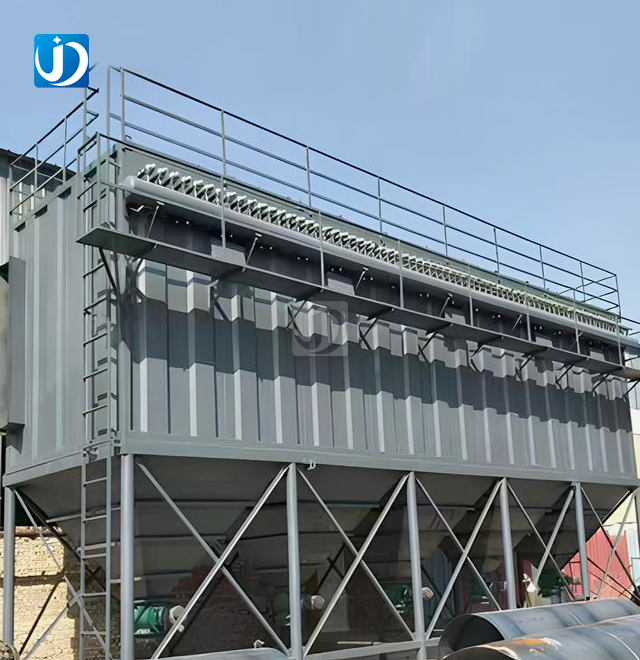
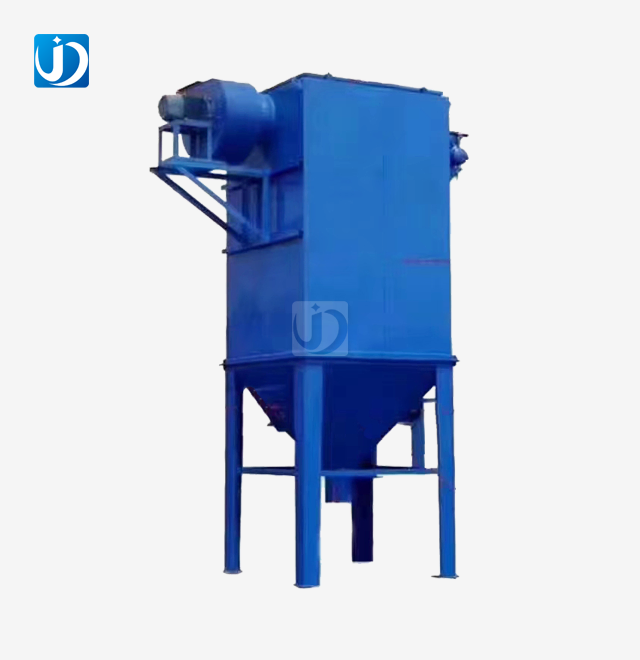
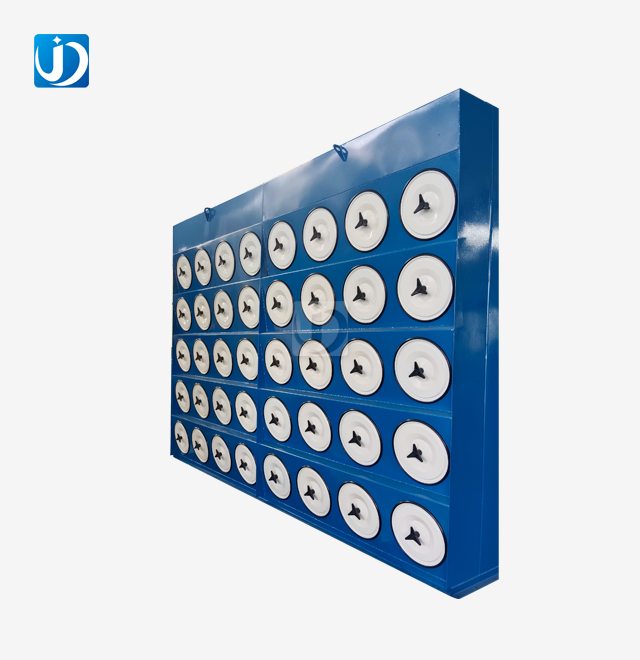
It's important to seal and filter things after blasting because it makes dust. Our machines have fully sealed dust barriers, and the exhaust air is handled by a dust collector before it is let out. Operators should protect their lungs and ears while doing maintenance. They should also turn off the power before opening doors and keep grit that has been spilled off of paths because it is slippery. The Dust Removal Efficiency Monitoring System checks how well the collector is working and lets us know right away if the filter gets stuck. Also, before installing, I suggest you check the local air permit rules, since limits vary from place to place.
How to Choose the Right Steel Pipe Shot Blasting Machine?
Define Output, Pipe Size, and Line Speed
The first thing you should do is start with your numbers. Let's say a mill works for 6,000 hours a year and makes 50,000 tons. In general, that's about 8.3 tons per hour. There is room for a machine ranked near the top of our 1–12 t/h range because of peaks and breaks. Now, write down the smallest and largest pipe diameters and lengths. This is important because the roller spacing and wheel positions depend on these. Last, check the speed of your line so the gun doesn't become the slowest part. Before production starts, our engineers check that these numbers are correct in the technical proposal.
Match the Surface Standard and Abrasive
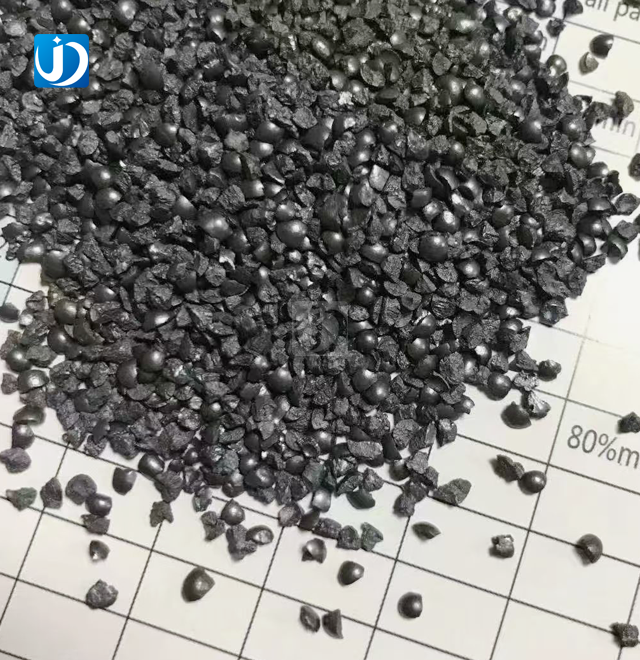
Figure out your anchor profile and target grade first. An angular grit cuts and makes sharper peaks, while a round steel shot cleans and smooths. Some mills use a shot-grit mix to change how rough the surface is. You can often keep the abrasive you already buy because our machines can use cast steel shot, cast steel grit, and blends. The types and amounts of abrasives are set by SAE J444 and ISO 11124. ISO 8503-1 tells you how to evaluate the profile that you get. Let us know what your coating supplier's profile needs are, and we'll make sure the setup fits those needs.
Automatic or Manual, Custom or Used
Manual cabinets are cheaper to buy, but they move slowly on long pipes and depend on how skilled the person operating them is. With automatic through-feed lines, quality stays the same and less work needs to be done, which saves money over time. Even though used machines may look good, it's hard to tell from pictures how worn out the parts are, how good the wheels are, or if any paperwork is missing. You can choose the roller spacing, wheel layout, dust collection, control systems, and voltage for your plant when you order a custom unit. On request, we can also paint equipment and put private marks on it. An automatic line would be best if your number stays the same.
Keeping Machine Performance Steady: Maintenance Guide
Common Problems and Fixes
The most frequent issue is that the cleaning isn't done evenly. First look at the pattern of the blast, then the speed of the pipe rotation and the flow rate. A worn blade or a wheel that isn't lined up right can change the pattern. Abrasive wear can also cause cleaning quality to drop, so check the air divider. The working mix loses its power if it lets too many fragments through. Weak vibrations mean that parts of the wheel are worn out. Write down the dates of each problem. Most of the time, patterns in that log show the cause faster than guessing.
A Practical Maintenance Schedule
This is the method I recommend; you should check it against your guidebook for the steel pipe shot blasting machine. Look for leaks at the seals and empty the dust bins every day. Check the elevator belt, seals, and blades for wear and slack every week. Once a month, grease the bearings, check the state of the filter, and look at the screws on the wheels and conveyor. A planned shutdown costs a lot more than short, regular checks, especially on a line that never stops. We give you English maintenance videos and guides, and if your team has any questions, we can help them from afar.
Wear Parts and Energy Use
To keep spares on hand, keep track of how many hours each part has been used. Blast wheel blades, liners, and conveyor rollers wear out first. With our Equipment Maintenance and Production Scheduling Management Platform, you can plan changes around work to save time. How much energy is used varies on how much power is placed. Our series has power ranges from 15 kW to 120 kW. It's better to buy the right size for the load than too big. You can also run slower on heavy rust and faster on light rust because the conveying speed can be changed. Original extra parts are always on hand for us.
Procurement Guide and Market Overview
How to Evaluate a Supplier?
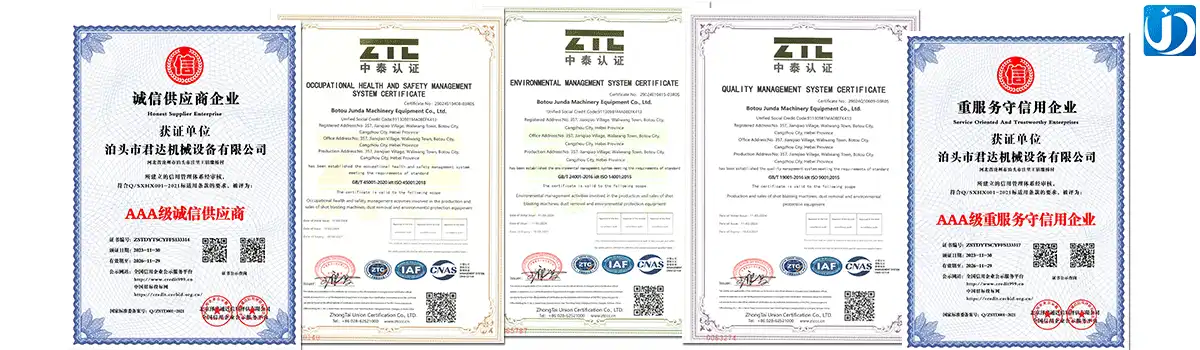
Don't ask for promises; ask for proof. Check for management licenses for quality, the environment, and safety, like ISO 9001, ISO 14001, and ISO 45001. All three are ours. Ask for test reports, technical documents in English, and a video of a machine like yours in action, or go to the factory yourself. Also look at the technical depth. We have two utility model patents and seven software copyrights that protect our control and monitoring systems. Lastly, find out who is in charge of setting up, training, and fault calls. This is what I would check with any supplier:
• Documents: Ask for test scores, qualification files, and English guides. These help with your import paperwork and the training of your workers. They also show how seriously the maker takes documentation.
• Customization: Make sure the seller can change the size of the chamber, how it collects dust, the controls, and the voltage to fit your plant. Before you sign, ask for models that show these changes.
• Support: Find out about the warranty, reaction times, remote help, and how to get extra parts. Any of these holes can turn a small problem into days of lost work.
A supplier who answers all three clearly gives you a solid basis for comparison.
Buying Channels and Cost Factors
B2B platforms, trade shows, search engines, and dealer networks are all ways for buyers to find manufacturers. Compare quotes on the same details, no matter the source. Prices usually vary based on the rated capacity, chamber size, number of blast wheels, dust collector size, level of automation, and any special features that are needed. I don't use set numbers in my pieces because those things change. A lot of people who buy things also fund or lease them, so talk to your finance team about payment terms and your choices.
Working with Junda Machinery
Botou, which is in Hebei Province, is a well-known place to keep foundry tools and dust collectors. It took 20 years of work with shot blasting tools for Junda Machinery to grow there. We do OEM and ODM work, and we also do private labeling. Standard customized equipment can be made in about 15 days, depending on the details, and we answer questions within 6–8 hours. We work with freight forwarders to ship full containers, less-than-containers, and shipments that are too big for a container. We can also help you with export documents, customs declarations, and certificates of origin. When needed, help from an overseas tech can be set up.
Conclusion
By getting rid of rust and scale and making a controlled anchor shape, a steel pipe shot blasting machine gets pipes ready for painting. For long pipe lines, through-feed roller machines work best. Hanger machines work best for heavy or oddly shaped parts, and manual cabinets work best for small batches. To meet standards like Sa 2.5, people who work in oil and gas, construction, and machinery depend on the process. The best choice is based on the hourly output, pipe sizes, target grade, and abrasive compatibility. Next comes dust control and the choice between a new or used machine. Results stay the same as long as wear parts and abrasive quality are checked regularly. The machine itself should be looked at closely, but so should the supplier's certificates, papers, and customer service after the sale.
FAQ
What is the difference between shot blasting and sandblasting?
Shot blasting is good for continuous production because it throws abrasive with wheels that spin. Abrasive is pushed through an air tube in sandblasting, which is good for small jobs.
How often should I maintain the machine?
Every day, check the dust bins, seals, and amount of grit. Every week, check the blades, seals, and belts. Every month, grease the bearings and test the filters.
Is an automatic unit more cost-effective than a manual one?
Most of the time, yes for steady amounts. Automatic lines save time and money, make sure quality is always the same, and reuse grit. Small batches can fit in manual machines.
Can I keep my current abrasive?
Cast steel shot, cast steel grit, and mixes can all be used in our tools. Tell us your present size, and we'll make sure it fits.
Request a Steel Pipe Shot Blasting Machine Quote from Junda Machinery
Want to find a steel pipe shot blasting machine company that responds quickly? It has been around for 20 years, Junda Machinery offers ODM/OEM options, English manuals, and replies in 6–8 hours. Send your coating standard, pipe sizes, and hourly output to junda001@jundablast.com, and our engineers will come up with a design that fits your needs. Find out more at jundablast.com.
References
1. ISO 8501-1: Preparation of Steel Substrates Before Application of Paints and Related Products, 2007
2. ISO 8503-1: Surface Roughness Characteristics of Blast-Cleaned Steel Substrates, 2012
3. ISO 12944-4: Paints and Varnishes, Corrosion Protection of Steel Structures by Protective Paint Systems, Types of Surface and Surface Preparation, 2017
4. SSPC-SP 10/NACE No. 2: Near-White Metal Blast Cleaning, 2007
5. SAE J444: Cast Shot and Grit Size Specifications for Peening and Cleaning, 2005
6. OSHA, Occupational Exposure to Respirable Crystalline Silica Final Rule, 2016

USER EVALUATE
Real feedback and practical experience shared by worldwide partners who purchased our machinery and environmental treatment devices.