Shot Blaster: Complete Guide to Types, Uses, and Applications
A shot blaster is an industrial surface treatment machine that uses centrifugal force to propel steel shot or grit at high velocity against metal, concrete, or composite surfaces. Unlike traditional sandblasting, a shot blaster operates within a closed-cycle system, recycling abrasive media and capturing dust automatically. This makes it faster, cleaner, and more repeatable for production environments. Whether you run a steel fabrication shop, a foundry, or a hardware processing line, understanding how shot blasting equipment works—and which type fits your workflow—can directly affect your output quality and operating costs.

Understanding Shot Blasters: Technology, Types, and Working PrinciplesHow a Shot Blaster Works
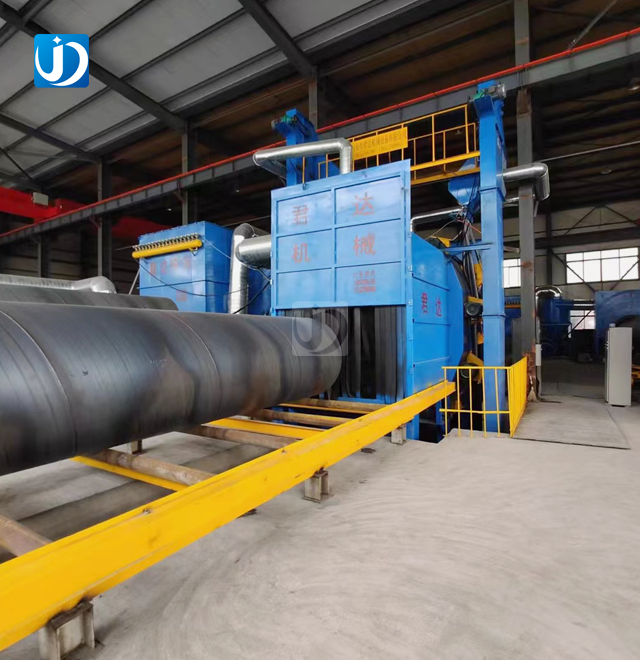
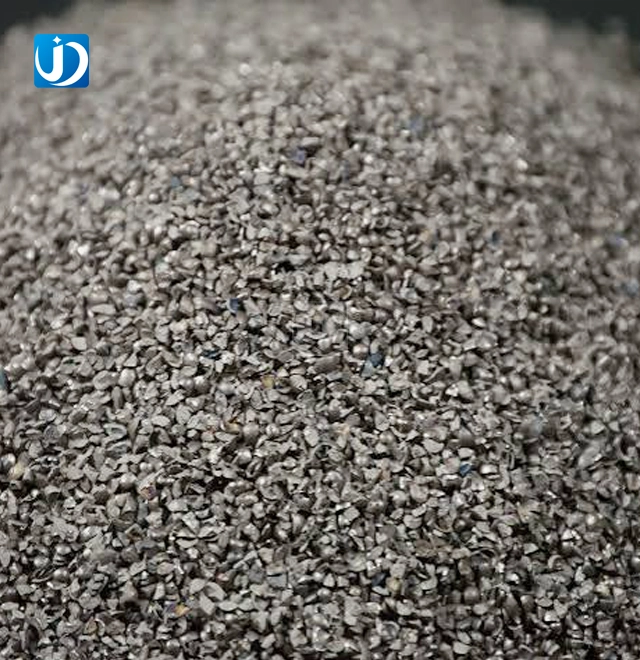
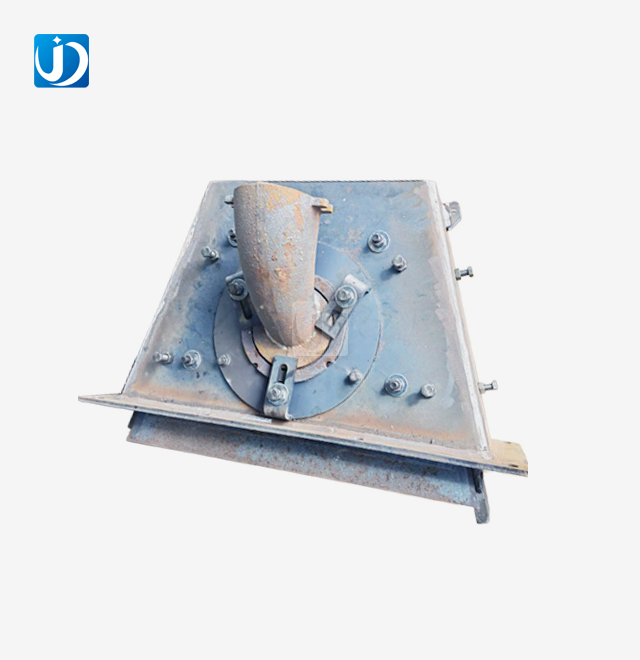
The blast wheel is the most important part of any machine. Steel shot is thrown outward through a directional control cage by a high-speed impeller. It hits the workpiece surface at speeds of 60 to 85 m/s. It's a closed loop because the spent media, rust particles, and mill scale fall into a recovery trough, move through an elevator and a separator, and then go back into the blast wheel. With this self-contained cycle, there is no dust contact in the open air and no sharp waste.
Common Machine Types
Most industrial needs can be met by four main configurations:
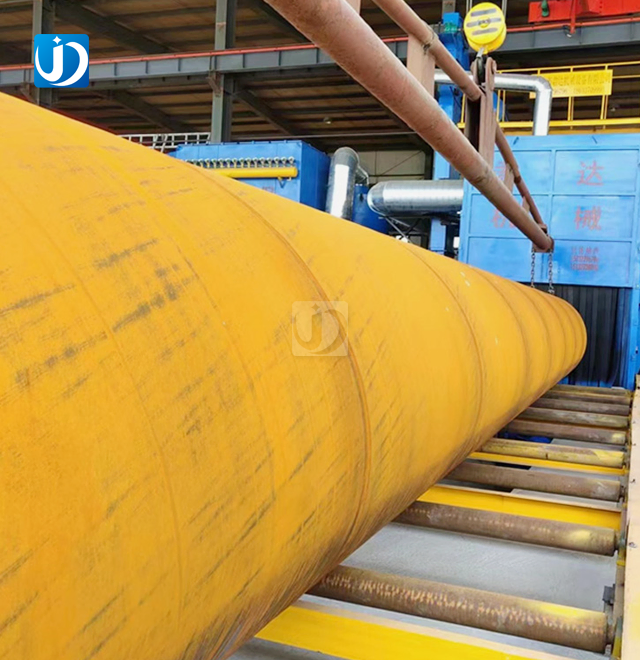
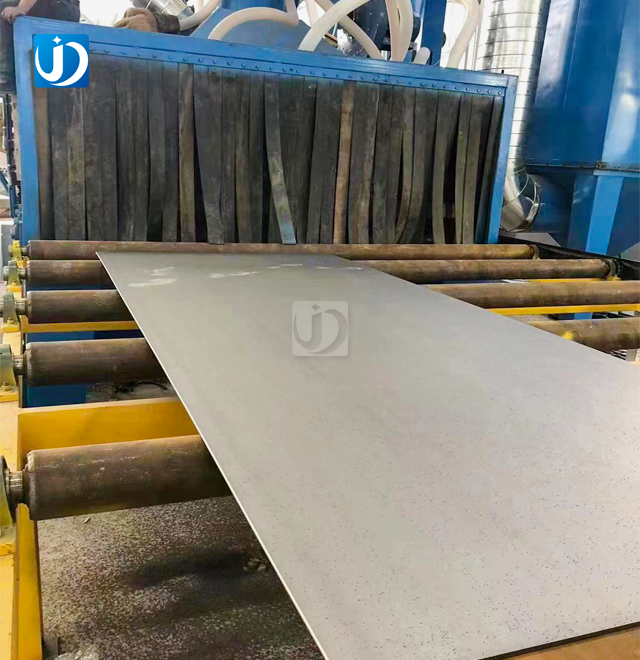
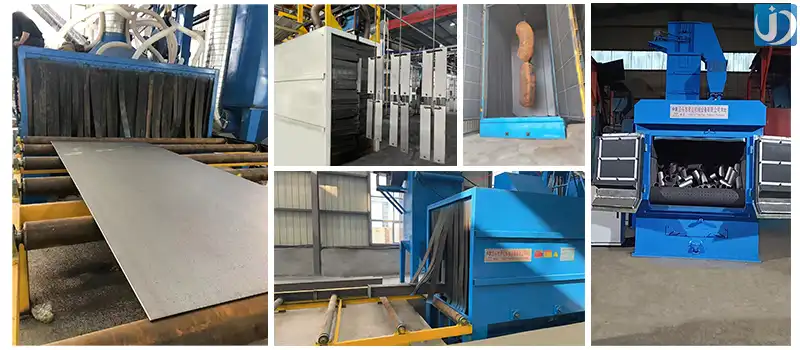
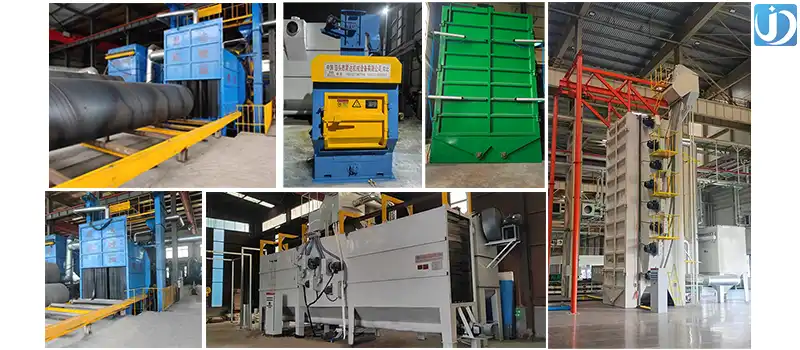
- Roller conveyor shot blasters move steel plates, H-beams, and structural sections through a blast chamber on driven rollers, achieving throughput rates from 0.5 to 20 t/h with multiple blast wheels arranged at different angles for full-surface coverage.
- Tumble belt machines load batch castings or hardware parts into a rubber belt drum; the parts tumble while blast wheels clean every contour simultaneously.
- Hook-type (hanger) machines suspend individual workpieces—axle housings, agricultural equipment frames, or complex weldments—from rotating hooks inside the chamber, ideal for irregular geometries.
- Continuous overhead monorail shot blasters (chain type) adopt continuous hanging chain transport. Workpieces travel continuously through the blast chamber for uninterrupted blasting, suitable for mass production of medium and large workpieces with stable cycle output.
Recent Technology Advances
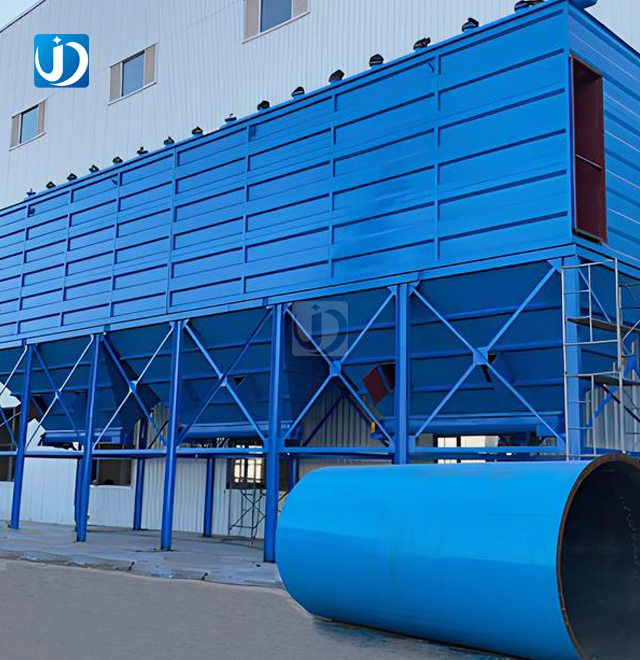
Standard electrical control and variable-frequency drives (VFDs) are built into modern machines. These allow workers to change the speed of the wheels, the speed of the conveyor, and the blast angle from a control panel. Pulse-cleaned cartridge filters keep settings in line with EPA and OSHA rules by catching fine dust down to PM2.5 levels. Junda Machinery's own shot blaster Machine Dust Removal Efficiency Monitoring System and Intelligent Management and Control System give real-time information about performance, which cuts down on unplanned downtime.
Applications and Benefits of Shot Blasting in Industrial SettingsWhere Shot Blasting Is Used
Shot blasting can be used in a lot of different industrial settings. Before bonding and painting, structural steel makers remove mill scale and rust from plates and beams. This makes sure that the corrosion protection lasts. Foundries that make cars use it to decorate and smooth out engine blocks and remove sand and flash from inside pathways. Controlled shot peening is used on turbine blades and landing gear by aerospace makers. This creates compressive residual stress that makes the parts last longer under high load cycles.
Key Operational Benefits
It's easy to see why this method is better than manual grinding or blasting in the open air:
- Surface cleanliness: A single pass through a properly configured machine reaches Sa 2.0–Sa 2.5 per ISO 8501-1, the level required by most European and American coating specifications and export inspection standards.
- Throughput: Automated conveyor lines eliminate the bottleneck of hand-blasting and support continuous single-shift production of eight hours or more.
- Environmental compliance: Closed-loop dust collection eliminates the airborne particulate complaints that plague traditional spray-blast operations, helping factories avoid environmental penalty notices.
These improvements directly lead to lower labor costs per part and better adhesion of the first coating, both of which are important when export contracts have strict quality hold-points.
ROI Evidence
When a medium-sized steel structure plant switches from a manual blast-and-paint line to an automated roller conveyor machine, it usually cuts surface-prep work by 60–70% and coating rework rates by the same amount. This is because the anchor profile consistency gets better. Verification of ISO 8501-1 Sa 2.5 stops being unusual and starts being normal.
How to Choose the Best Shot Blaster for Your Business Needs
Match Machine Type to Workpiece Geometry
Roller conveyor plans work best with flat plates and long structural parts. It's better for castings with irregular shapes to go through tumble belt or hook-type chambers. Before choosing a machine, you should measure the longest, widest, and tallest piece of work you have and the most tons you need to move every hour. These two numbers determine the size of the chamber and the motor power that will be installed. At Junda, normal motor power runs from 15 kW to 120 kW, and special setups can go up to 200 kW.
Shot Blaster vs. Alternatives
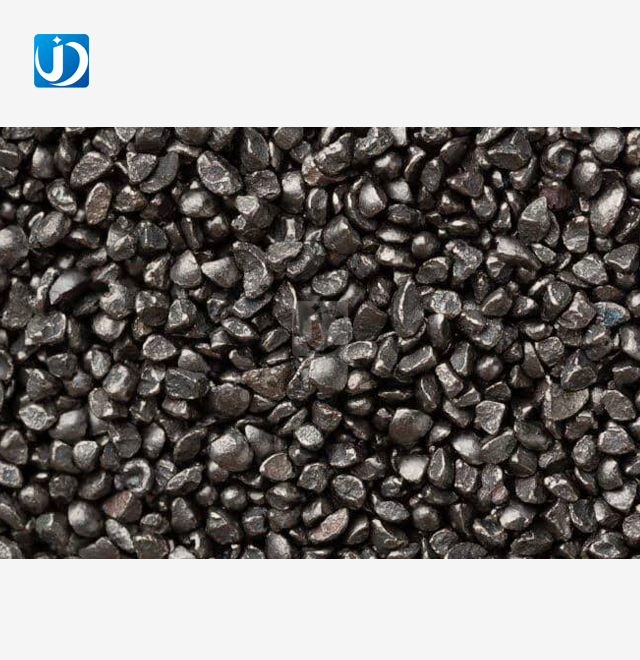
Even though both sandblasters and soda blasters can clean surfaces, neither is as fast or as cheap as a rotational shot blaster. In a closed-loop device, a steel shot blaster can be reused hundreds of times because it is heavier than sand and has more impact energy per particle. Angled steel grit, which is used for grit blasting, cuts a deeper anchor profile that is good for thick epoxy or zinc coatings. Round shot, on the other hand, gives parts that are more likely to wear down to a smoother, peened finish that is better for them.
Checklist Before You Buy
—Where to get spare parts and how long it takes to get them from the manufacturer
- Installed motor power and number of blast wheels (more wheels = more coverage angles)
- Chamber opening dimensions versus your workpiece envelope
- Dust collector airflow rating (m³/h) matched to chamber volume
- Local voltage standard (e.g., 380 V/50 Hz for Vietnam and Indonesia)
- CE certification documentation for export compliance
- Spare parts availability and lead time from the manufacturer
By checking these things ahead of time, you can avoid having to make expensive changes after delivery.
Maintenance, Safety, and Optimization Tips for Shot Blasters
Routine Inspection Schedule
The lateral control cage, blast wheel blades, and covers all wear out quickly. Every 50 to 80 hours of use, check the thickness of the blade. High-chrome alloy blades can last 100 hours or more before they need to be replaced. Once a week, look for tears in the separator screen that let big media back into the wheel. During routine maintenance, check the impeller's dynamic balance at the G2.5 level to keep bearings from wearing out from vibrations.
Personal Protective Equipment and Regulatory Compliance
Operators need to wear safety glasses, steel-toed boots, and hearing protection that meets ANSI standards. OSHA 29 CFR 1910.147 says that maintenance workers who go into the blast chamber after it has been shut down must follow lockout/tagout (LOTO) procedures. Under the Machinery Directive 2006/42/EC, machines that are sent to the EU must have a Declaration of Conformity and a CE mark. To help with compliance checks, Junda provides full CE technical files and English-language operation instructions.
Throughput Optimization
Too little shot in the system (under-loaded media) and worn blades shooting media at a slower speed are the two most common problems. Keep the media charge within the weight range given by the maker, and record readings of blade wear after every inspection run. By adjusting the VFD to get the best wheel RPM for your grit size, you can also cut down on energy use without affecting the rate of cleaning.
Procuring Shot Blasters: Where to Buy, Pricing, and Support
Evaluating a Manufacturer
Look for production that is ISO 9001-certified, R&D patents that are owned by the company, and a factory that is willing to do video walk-throughs or let a third party inspect the goods before they are shipped. Junda Machinery is based in Botou, Hebei, which is known as the center of foundry and blast-cleaning equipment in China. The company is certified by ISO 9001, ISO 14001, and ISO 45001, and it also has 2 utility model patents and 7 software copyrights for smart monitoring systems.
Delivery and Logistics
Standard stock models usually ship 30 days after an order is confirmed. Custom setups take about 15 days to finish production after the design is approved. Junda works with many freight forwarders and can help with full-container, less-than-container, and oversized goods transfers. They can also help with export paperwork and fumigation certificates. Inquiries are answered within 6 to 8 hours.
After-Sales Support
Support after delivery should include online video commissioning, an English-language user manual, and a dedicated supply chain for spare parts. Junda offers a full machine warranty, sends an engineer to the site when needed, and provides long-term original spare parts supply so that production lines can keep running without having to worry about where to get parts.

Conclusion
Choosing the right blasting tools means matching the type of machine and its power to the shape of the item, the amount of work that needs to be done, and how clean the surface needs to be. A machine that is properly set up cuts down on labor costs, reliably meets Sa 2.5 export standards, and keeps dust levels below the legal limits. The tips in this piece will help you whether you are in charge of a steel fabrication line, a casting facility, or a hardware-making business. Talk to an expert shot blaster seller early on in the project to make sure they can meet your needs before you buy.
FAQ
1. How is a shot blaster different from a sandblaster?
A sandblaster uses compressed air to move loose sand or mineral abrasive in a straight line, making a lot of dust in the air and using up the abrasive in one pass. A high-speed blast wheel in a shot blaster throws steel shot or grit into a closed room. The media is collected, removed from the debris, and reused over and over again. As a result, the workplace is cleaner, the cost of consumables per square meter is lower, and the surface profiles are more uniform.
2. How often should blast wheel blades be replaced?
Check the width of the blades every 50 to 80 hours of use. For a machine that works two shifts a day, that means it needs to be checked about every two weeks. Depending on how hard the grit is and how fast it flows, high-chrome metal blades can last for more than 100 hours. Having a spare set of blades on hand helps avoid unexpected downtime.
3. Which industries benefit most from shot blasting?
Shot blasting is used to remove rust, clean scale, and prepare surfaces in shipbuilding, bridge construction, steel structure fabrication, manufacturing of cars and heavy equipment, shipbuilding, bridge construction, manufacturing of farm equipment, and casting and foundry operations. Automated blasting equipment would work well on any production line that needs to be cleaned to a level 2.5 before painting, coating, or welding.
Get a Shot Blaster Quote from Junda Machinery
From 15 kW to 200 kW, Sa 2.5–grade output, PLC controls, and CE approval are just some of the features that Junda Machinery has been making industrial shot blasters with for 20 years. It takes 30 days to ship standard models and about 15 days to ship special versions. As a reliable shot blaster manufacturer, we can help with OEM/ODM projects, adjusting the voltage for different areas, and providing full export paperwork. To get a specification sheet or video factory review, email our engineering team at junda001@jundablast.com.
References
1. ISO 8501-1:2007 — Preparation of Steel Substrates Before Application of Paints and Related Products: Visual Assessment of Surface Cleanliness. International Organization for Standardization, 2007.
2. Shipway, P. H., & Hutchings, I. M. — "Influence of blasting conditions in erosion testing with angular abrasives." Wear, Elsevier, 1996.
3. Tosha, K., & Iida, K. — "Shot peening and shot blasting: A review of current practices and developments." Journal of Materials Processing Technology, Elsevier, 2004.
4. OSHA Technical Manual, Section III: Surface Preparation Operations. U.S. Occupational Safety and Health Administration, 2015.
5. European Parliament — Machinery Directive 2006/42/EC on the Approximation of Laws of the Member States Relating to Machinery. Official Journal of the European Union, 2006.
6. Rhouma, A. B., et al. — "Effects of surface preparation on the corrosion behavior of 316L stainless steel." Journal of Alloys and Compounds, Elsevier, 2001.

USER EVALUATE
Real feedback and practical experience shared by worldwide partners who purchased our machinery and environmental treatment devices.