Pipe Air Blasting Machine for Efficient Pipe Surface Cleaning
A pipe air blasting machine cleans pipe surfaces by throwing abrasive at high speed against a rotating steel pipe. This strips rust, mill scale, and old coatings before painting or galvanizing. The most efficient design turns the pipe on rollers while it moves forward, so abrasive reaches the full circumference evenly. At Junda Machinery, we build this equipment as a steel pipe shot blasting machine with centrifugal blast wheels that reach Sa 2.5 cleanliness. In this guide, I explain how the machine works, which type fits your shop, and how to run and buy it with confidence.

Understanding Pipe Air Blasting Machines: Principles and ApplicationsWhat a Pipe Air Blasting Machine Does
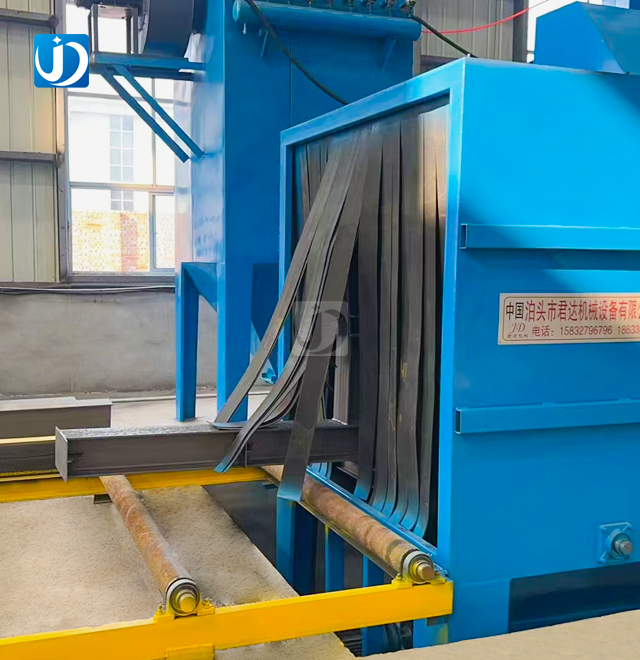
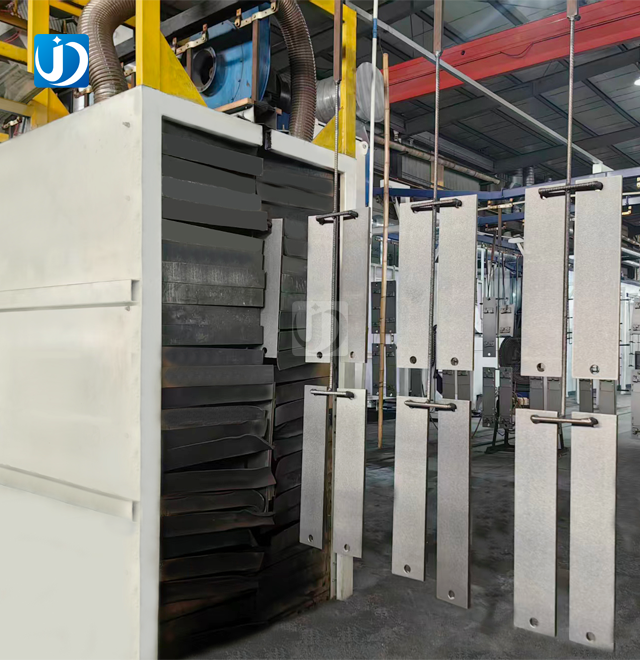
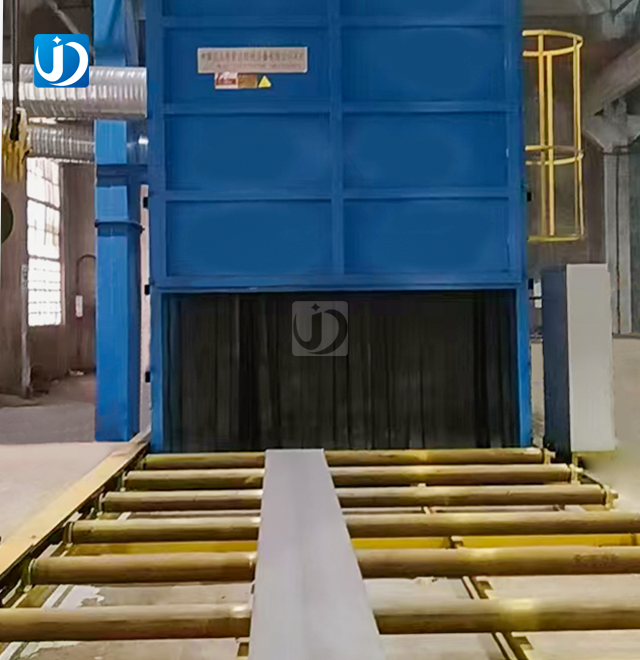
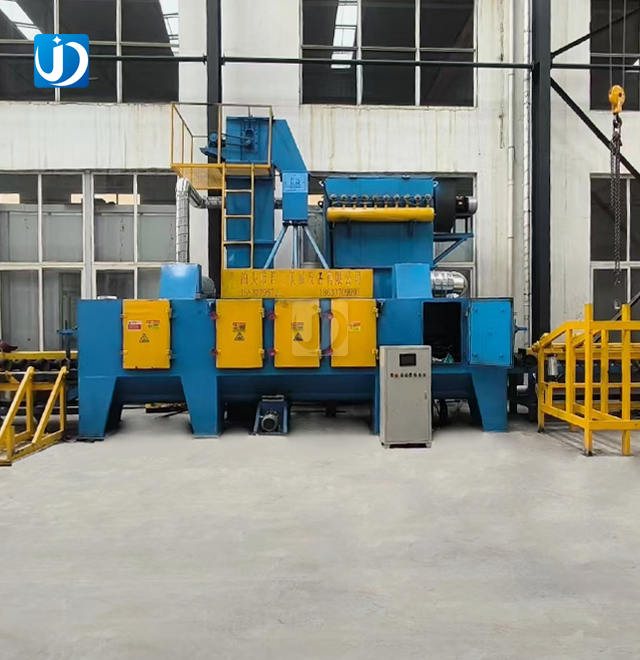
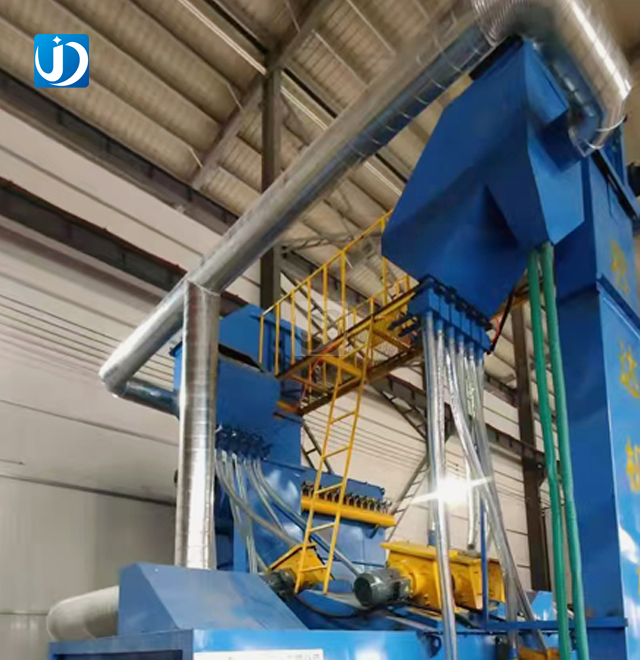
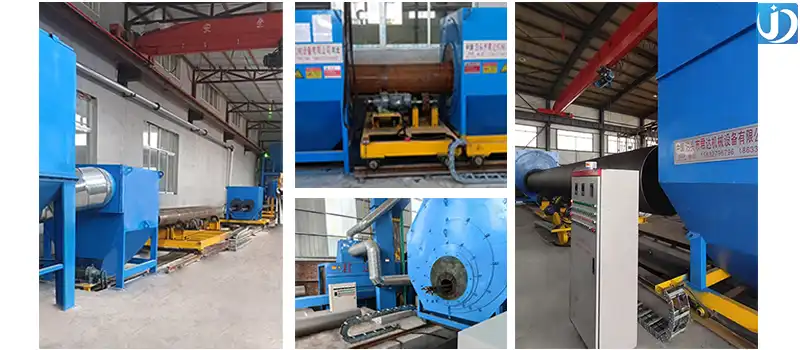
People often look for a pipe air blasting machine when they need something to blast rough material onto pipes. The word refers to a number of designs. Ours has five main parts: a chamber for blasting, V-shaped rotating rollers, blast wheels, a unit for recovering abrasives, and a dust collector. The wheels spin the pipe, which moves it toward the front of the room. Around the pipe are blast wheels that hit it with grit from all sides. This makes sure that there are no dark spots. This leaves steel that is bare and has a uniform anchor profile. Paint or zinc is then applied to the surface to make it stick.
Pneumatic and Electric Operating Principles
Pipe blasting is based on two main ideas. A compressor pushes abrasive through a tube in compressed air blasting. An user or tool points the stream in the right direction. An electric motor spins a blast wheel, which throws abrasive into the air by centrifugal force. The wheel is what our pipe air blasting machines work on. The wheels send a steady flow along the whole pipe, so the results don't depend on where the user points the gun. Not only that, but the plant doesn't need the big compressor that nozzle blasting does. For spot fixes and odd forms, nozzle systems are still useful, but wheels work best for continuous pipe lines.
Where Pipe Surface Preparation Matters
The steel surface is where the coating life begins. According to the NACE IMPACT report, rust cost the world about us$2.5 trillion in 2016, which is about 3.4% of the world's GDP. One common reason coats fail early is that the surface is not prepared well. Standards like ISO 8501-1 and SSPC-SP 10 tell inspectors what kind of cleanliness they can expect. Chemical pipes, oil and gas pipes, structural tubes, scaffolding tubes, and seamless tubes are all things that our machines can do. Before painting or pickling, steel needs to be clean for each use. The same is true for weld preparation.
Key Features and Types of Pipe Air Blasting MachinesManual, Automatic, and Dust Collection Variations
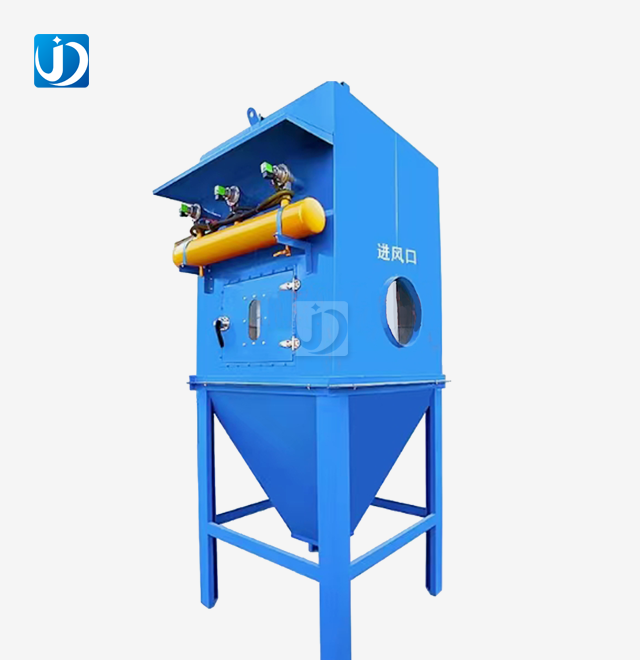
When someone blasts by hand, they stand in a booth or yard with a hose and nozzle. It's adaptable, but the quality changes depending on who operates it, and the output stays low. The rollers in the room move the pipe at a set speed, so each pipe gets the same amount of contact. People can also pick flats with or without dust catchers. I think of dust control as an important part of the package when I'm in the US because OSHA controls airborne contaminants and local permits are often needed. Our pipe air blasting machines come with dust collection and abrasive recovery, and we can match them to your site.
Core Features of Our Pipe Shot Blasting Machine
As buyers often ask, these are the main features that people are most interested in.
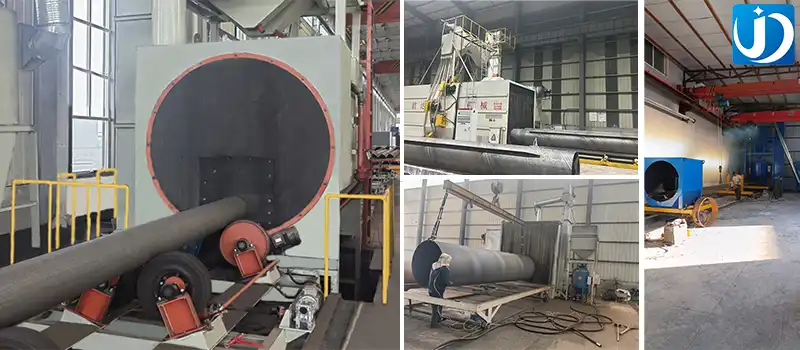
- V-type rotating rollers: The wheels keep the pipe steady as it moves forward and turns. The V shape keeps the pipe in the middle, which keeps it from sliding and moving, which could scratch the surface. Roller layouts and machine length can be changed to fit your range of pipe diameters and lengths. For long pipes, there is even an extended model that is 12 m long.
- Surround blast layout: Blast wheels go around the pipe so that the grit covers the whole 360° circle in one pass. This layout gets rid of shadows and works with stable Sa 2.5 results. The cleaning pattern is set by the wheel position and the pipe speed, and both can be changed to get rid of different types of rust.
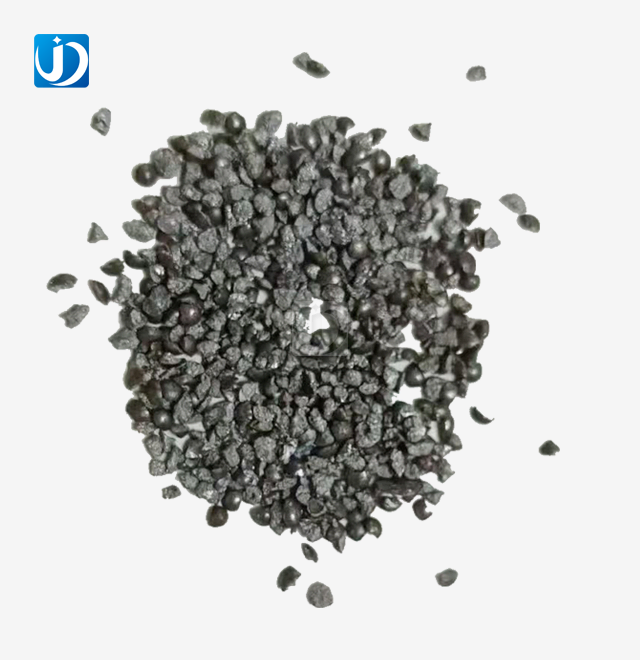
- Dust collection and recovery: A dust collector pulls small particles out of the chamber, and a recovery unit cleans the steel shot and sends it back to the wheels to be used again. This gets rid of rough waste and keeps the work area clean, which is important in shops that are outside or partially enclosed. We match both numbers to the result you give us.
All of these features work together to fix the three issues that contractors worry about the most: failed inspections, scratched pipes, and dust complaints.
Comparison with Sandblasting
When silica sand blasting is done, crystalline silica is released into the air. The OSHA guideline for silica exposure limits exposure to 50 milligrams per cubic meter over an eight-hour shift. Steel shot and grit don't have any solid silica in them, and the plant can use the abrasive many times thanks to a recycling unit. Sand is trash because it breaks down so quickly. Hand blasting takes a lot of work, but wheel machines cut down on that time. This helps shops that are having trouble hiring blasting crews. Sandblasting is still used to fix things in the field. When making things in a shop, however, an automatic machine gives better quality control and, once volume is steady, a lower cost per meter.
How to Operate and Maintain Pipe Air Blasting Machines for Optimal Performance?Setup and Step-by-Step Operation
I think you should do three things before each shift.
- Check the pipe and its settings. Make sure the width, length, and level of rust are correct. Then, set the pipe's speed and wheel position according to the job sheet. Before you start blasting, check the rollers, doors, abrasive level, and make sure the dust collector works. Keep track of the values by writing them down.
- "Load and go." Put the pipe on the infeed rollers, turn them on, and move the pipe forward. Keep a close eye on the first pipe for slipping or drifting, and stop right away if you see either. Change the speed or the position of the wheels until the ground looks even.
- Check the outcome. Look at the first pipe next to the ISO 8501-1 standard for Sa 2.5. If the standard says to, use a roughness gage or duplicate tape to check the surface profile. Write down the results and check them again with each new batch.
This routine checks the first pipe for problems instead of the hundredth.
Routine Maintenance
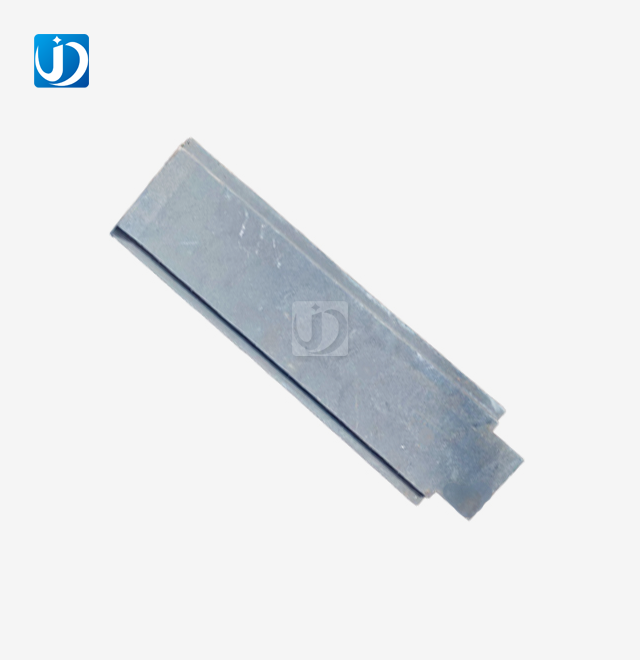
Uptime is set by wear parts. As abrasive hits blast wheel blades, liners, and control cages, they wear down. Check them on the plan in your manual and change them before they get too thin. Check the pressure reading on the dust collector and the filter cartridges. A clogged filter cuts off airflow and lets dust escape. Check the roller surfaces for wear, since rollers that are broken can make it easier to slip. Make sure the abrasive mix is clean and full. As a long-term supplier of original spare parts and English manuals, we make sure that your team has clear steps and parts on hand for your pipe air blasting machine.
Safety Protocols and Troubleshooting
Places where blasting happens need strict rules. People who work in dusty areas should wear hearing and eye protection as well as respirators. Before going into the room to do a check, they should also turn off the power. Keep the paths clear and the guards in place. When cleaning doesn't look even, the first things I check are where the wheel's directional cage is located and how fast the pipe is turning. If either is not where it should be, lines will show up. If the pipes move on the rollers, make sure the rollers are lined up right and the pipes are straight. Our team can help with problems and train operators from afar, and if a project needs it, we can send an engineer from another country.
Choosing the Right Pipe Air Blasting Machine for Your Business Needs
Define Your Operating Requirements
Start with the job, not the pipe air blasting machine. Make a list of the pipe diameter range, the longest pipe, the output you need for each shift, and the profile and cleanliness you want to achieve, like Sa 2.5 with a certain anchor depth. A 12 m pipe needs a longer type, so say that right away. Choose whether you only need the outside walls cleaned or also the inside walls treated. Each needs a different set-up. Lastly, write down where you are, whether it's inside or outside, the voltage, and any dust rules that apply in your area. We can find a machine that fits your project's plan and the paperwork your tester will need if you give us these details.
Compare Total Value, Not Just the Quote
The worth of a machine is shown by how much it costs per pipe and how many jobs check out the first time. Compare how much abrasive is used, how well it is recovered, how long wear parts last, how much power is used, and how much labor is needed from different suppliers. It can cost more to fix something that didn't pass inspection than the difference between two quotes, and there are fines for being late with a delivery. People who rent scaffold tubes should do the same math to see if it's cheaper to fix them up or buy new ones. If it costs more per meter to clean a used tube than a new one, it's not worth the money. To keep running costs low, ask each provider for a list of worn parts and instructions on how to repair them.
Evaluating Suppliers and OEM Options
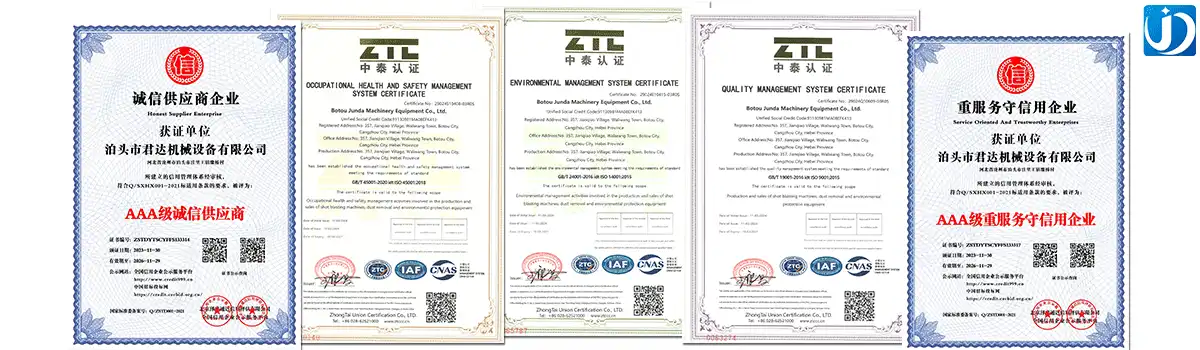
Pay close attention to both the machine and the provider. Check the guarantee terms, availability of spare parts, help with fitting, and reaction time. The people at Junda Machinery have been making shot blasting tools for 20 years. They are certified in ISO 9001, ISO 14001, and ISO 45001, and they answer questions within 6 to 8 hours. Depending on the details, making a standard custom machine takes about 15 days. We do OEM and ODM work that includes machine sizes, dust collection, control systems, painting, voltage, and private labeling. We also pack for export and take care of the customs paperwork. We ship FCL, LCL, and oversized loads.
Real-world Use Cases and Future OutlookCoating Contractor Workflow
Take a look at how a pipe coating contractor usually works. This is not a customer record; it's just a sample. Before automation, crews had to blast pipe by hand, and the supervisor had to deal with complaints about dust, uneven results, and slow work. In a robotic line, pipes come in on wheels, go through a 360° blast zone, and come out ready to be coated. The inspector compares the first pipe to ISO 8501-1 and the profile requirement. The rest of the pipes in the batch then use the same settings that were recorded. When an owner's inspection won't let you start until the surface meets the requirements, this consistency is important for the pipe air blasting machine operation.
Scaffold Tube Refurbishment
People who rent scaffold tubes look for the cheapest price per meter. It must be cheaper to clean used tube than to buy new tube because it comes back with rust and old coatings. A recovery unit keeps abrasive loss low, and a continuous machine handles a lot of work at once. Wear parts become the main cost of running the machine when the tube volume stays the same, so having parts on hand is important. After the tubes are cleaned, they can be painted or galvanized again and put back into the rental fleet. Controlling the dust is also important here because the work takes a long time and neighbors can notice emissions.
Future Outlook
Equipment is getting cleaner and better at being watched. At Junda Machinery, we've made software for tracking how well dust is being removed, collecting and analyzing data, controlling the production process, and planning maintenance and work schedules. As of now, we have two utility model patents and seven software copyrights. These tools let workers keep an eye on how well filters are working, keep track of output, and plan repair for before they break down. I think buyers will ask for more data-based inspection records, better dust control, and less energy use per pipe because owners and testers want proof of surface quality more and more.
Conclusion
A pipe air blasting machine gets steel pipe ready for coating by getting rid of rust and mill scale and making an anchor profile that is the same all the way through. The study looked at the differences between centrifugal wheels and compressed-air nozzles. It found that wheel machines with V-type rollers and a 360° blast plan give consistent Sa 2.5 results on moving pipe. Automatic lines cut down on the need for manual crews, and steel abrasive keeps workers from being exposed to silica, which can happen with sand. To keep quality stable and the work area up to code, it's important to collect dust, recover abrasives, check wear parts regularly, and set the pipe speed and wheel correctly. Before comparing running costs and seller support, buyers should first decide on the diameter, length, output, and cleaning needs. The rule that coating contractors and people who rent scaffold tubes follow is the same: consistent surface preparation protects the life of the coating and keeps projects on schedule.
FAQ
What is the difference between pneumatic and electric pipe blasting machines?
Abrasive is pushed by pneumatic nozzle systems that use compressed air. Electric wheel tools, like the one we have, use centrifugal force to throw grit and are good for making pipes all the time.
How often should I service the machine?
Stick to the plan in the guide. Check the rollers, filters, and parts of the blast wheel often for wear, and repair any that are damaged before they affect the quality of the surface.
Can one machine handle different pipe diameters?
Each machine is made to fit a certain range of diameters and lengths. Just let us know what size and length of pipe you have, up to and including 12 meters, and we'll set up the machine to fit.
Can the machine reach Sa 2.5?
Yes. Stable Sa 2.5 results are achieved with the right abrasive, the right 360° layout, and the right pipe speed. We can also help you with the paperwork and tests that your inspector needs.
Request a Pipe Air Blasting Machine Quote from Junda Machinery
Junda Machinery customizes each pipe air blasting machine to your pipe's diameter, length, and output needs. You can also choose to have dust collected and abrasives recovered. With 20 years of experience making pipe air blasting machines, we can give fast shipping, OEM and ODM options, and help with setting up the machines from afar. Send your pipe sizes and the level of cleanliness you want to achieve to junda001@jundablast.com. One of our engineers will get back to you in 6 to 8 hours. For more information on the product, go to jundablast.com.
References
1. ISO 8501-1: Preparation of Steel Substrates Before Application of Paints and Related Products – Visual Assessment of Surface Cleanliness, 2007
2. ISO 8503-1: Preparation of Steel Substrates Before Application of Paints and Related Products – Surface Roughness Characteristics of Blast-Cleaned Steel Substrates, 2012
3. SSPC-SP 10/NACE No. 2: Near-White Metal Blast Cleaning, 2007
4. ISO 12944-4: Paints and Varnishes – Corrosion Protection of Steel Structures by Protective Paint Systems – Types of Surface and Surface Preparation, 2017
5. OSHA, Occupational Exposure to Respirable Crystalline Silica (29 CFR 1910.1053), 2016
6. NACE International, International Measures of Prevention, Application, and Economics of Corrosion Technologies Study, 2016

USER EVALUATE
Real feedback and practical experience shared by worldwide partners who purchased our machinery and environmental treatment devices.