Mini Shot Blasting Machine: Key Features, Uses, and Maintenance Tips
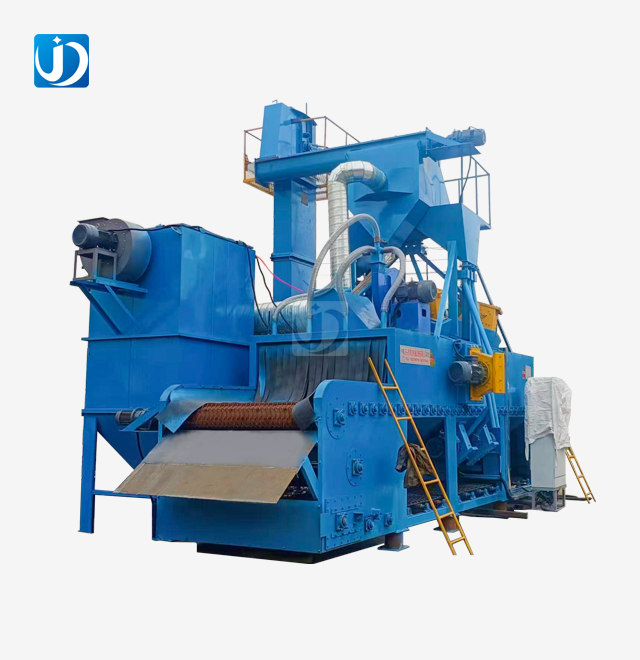
A mini shot blasting machine is a compact surface treatment device that propels steel shot at speeds of 55–80 m/s to remove rust, scale, and burrs from small metal parts. Designed for workshops with limited floor space, these machines deliver 360° cleaning coverage through multi-angle blast wheel layouts and a closed-loop shot recovery system. With installed power ranging from 7.5 to 45 kW and throughput of 0.3–5 t/h, they suit small hardware factories, auto repair shops, mold repair stations, and laboratory sample testing — all without requiring a pit foundation or a dedicated operator team.
What Is a Mini Shot Blasting Machine and How Does It Work?
You can get rid of rust, scale, and burrs on small metal parts with a mini shot blasting machine. This machine moves steel shot over the metal at speeds of 55 to 80 m/s. They can clean in any direction because they have a blast wheel that can be used at different angles and a closed-loop shot recycling system. For workshops that don't have a lot of floor space, they were made. Because they don't need a pit base or a special team of operators, they can be used by labs, small grocery stores, auto shops, and places that fix mold. They can handle throughputs of 0.3 to 5 t/h.
Core Components You Should Know
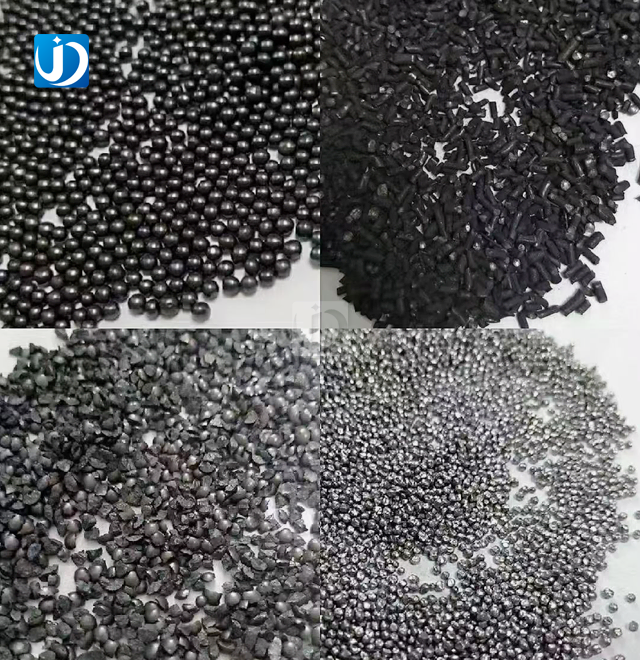
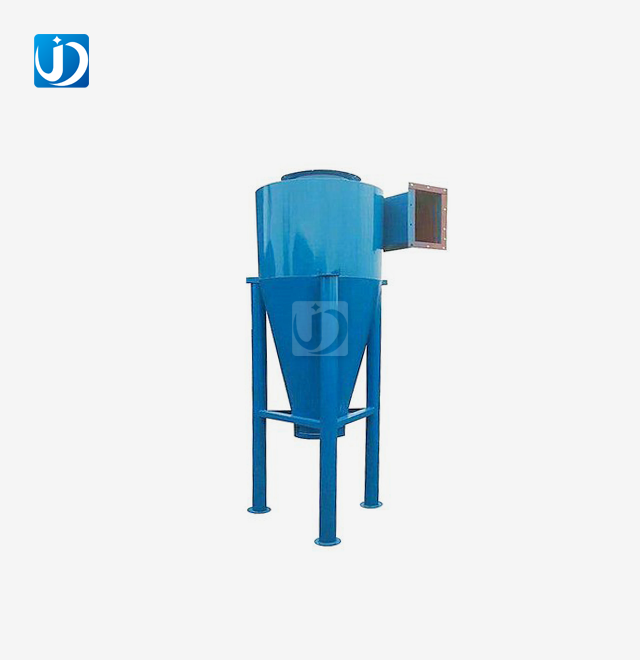
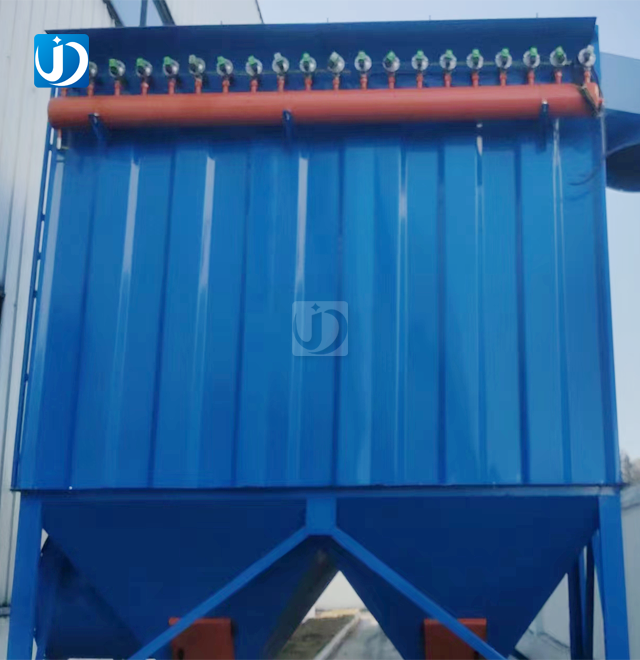
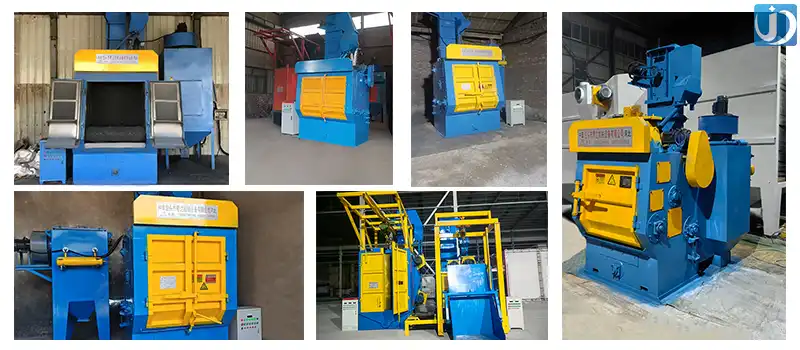
There are four parts to every mini shot blasting machine. These are the blast wheel assembly, the shot moving and recovery system, the grit separation unit, and the dust collection unit. Steel shot is thrown at the piece of work by a fast impeller has alloy blades. There is an air cleaner between them that gets rid of old shot and dust. Clean shot goes back to the bin by itself.
How the Blasting Cycle Operates
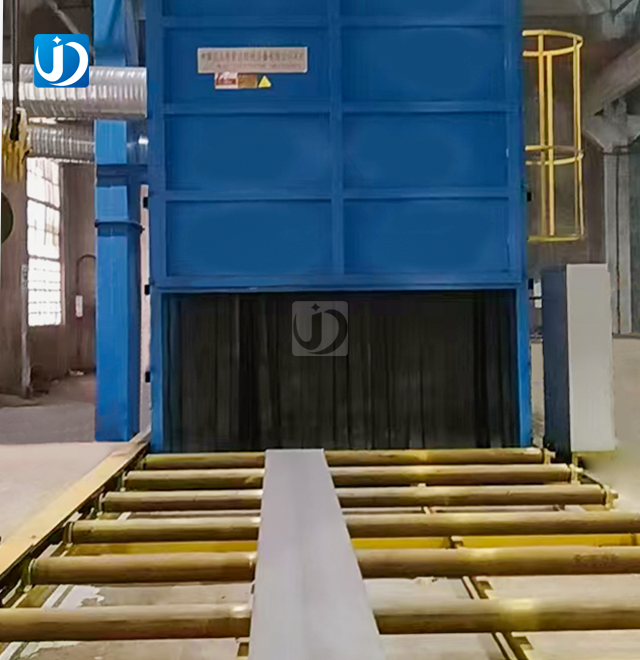
A lot of parts are put into the blast room, which is not working. After the engine speeds it up, the steel shot can be used. You can make sure the shot hits every surface in one pass by moving the tip around. This includes surfaces with holes or threaded parts. Closed-loop recovery sorts used film into different types and puts the useful media back into the hopper so that it doesn't need to be dumped out by hand.
Shot Blasting vs. Sandblasting: A Practical Distinction
To move the loose sand around during sandblasting, you use short bursts of compressed air. Silica dust that is very fine is made this way. This is very bad for your health. Shot blasting uses steel shot and spinning wheels to make a lot less dust in the air. When mini shot blasting machines are closed off, they have a system with multiple layers that keeps dust levels well below what the law allows. Because of this, they work better in small shops that need to use them every day.
Safety Basics Before You Start
Because the cabinet is closed off, you should always wear gloves, a face shield, and hearing protection when putting things in and taking them out. Before you turn on the blast wheel, make sure the dust collector works. Check the hopper to see how many shots are in it before each shift starts. For people who run a small business, these three steps cover most of the safety rules.

Key Features and Benefits of Mini Shot Blasting Machines
Small-footprint blasting tools have come a long way. They are very strong, and you can store them in a box that fits against the wall of your workplace. Just before you buy, here are the most important pros you should know about the mini shot blasting machine:
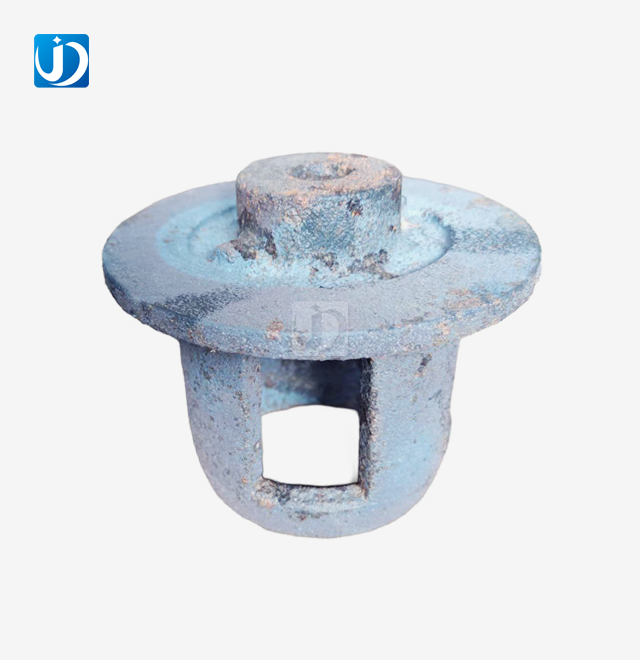
- Wear-resistant construction: The manganese steel liner plates and alloy impeller blades make the construction last longer and protect against damage. As soon as blades reach HRC 60–65, they become very hard and don't need to be replaced as often.
- Fully enclosed, low-noise cabinet: The sealed case keeps the steel shot inside the machine and quiets it down, so people nearby don't have to wear heavy earplugs.
- Automatic shot recovery: Every time the blast cycle is over, a small closed-loop transit system picks up, sorts, and uses the steel shot again. Always better shots and less work when you don't have to sweep by hand.
- Simple controls: Everything is easy to use. After a short lesson, someone who has never done shot blasting before can run the machine. The control panel makes it impossible to make many changes.
- Compact footprint: Most of them don't need a pit and don't take up more than 4 m² of floor room. In other words, they can be used in rented workshops without making any changes to the building.
You can't get tools for small shops very often because they don't have enough space, staff, or time to get your money back. These benefits deal with these problems directly.
Common Applications of Mini Shot Blasting Machines
Hardware and Fastener Production
Mill scale and light rust will form on small bolts, nuts, clamps, and stampings if you store them or heat them. When you load a mini shot blasting machine in groups, it only takes minutes to clean a whole tray of screws. If you want to paint, charge, or plate it, the surface is now smooth and ready. Workers from outside the company used to finish this job.
Automotive Small Parts and Mold Components
If you want to treat die-cast metal covers, brake clamps, or pump housings, make sure they are clean and in the right shape first. Mini shot blasting machines are used to get rid of any rust in the holes in the tool steel when the mold is not being used. You can fix things and make things with these tools because they can work with metal and non-metal components.
Laboratory and Prototype Testing
For covering adhesion tests or wear studies, small blast boxes are used in schools, research rooms, and teams that are making new products. The samples can be single items or small groups. The basic models can only handle 0.3 t/h of output, so they're great for making prototypes because they don't waste time and money running a full production machine at half load.
Maintenance Tips to Maximize Mini Shot Blasting Machine Performance
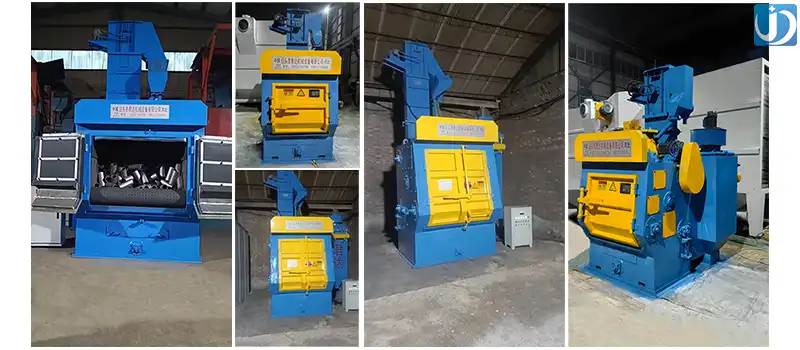
Why does a mini shot blasting machine last so long? The main reason is how often you fix it. A machine will work better if it is serviced once a week instead of once a month when something breaks. Do this good thing every day: Every morning before work, check to see if the shot hopper is full, the dust collector filter is empty, and all the cabinet seals are still in place.
- Check the output stream once a week to make sure the air-wash separator is separate the shot correctly, and clean the elevator belt and bucket cups. Check the blast wheel blades for wear that isn't even as well.
- Every month, check the blast zone to see how thick the liner plates are. A piece inside needs to be replaced if it is worn down to the minimum width given in the directions. Follow the steps in the repair guide to grease the wheel bearings.
- As needed: To keep the wheel steady, change the rotor blades in pairs that match. If the wheel isn't balanced, it will shake, which will damage the bearings more quickly and make the blast pattern less even.
How to Choose the Best Mini Shot Blasting Machine for Your Business?
Match Machine Size to Your Largest Workpiece
How long, wide, and tall is the part at its widest points? Then, make sure that the mini shot blasting machine's loading door and chamber are at least a little bigger than those. People often make this mistake when they buy these kinds of tools for the first time: they don't think about how big a part is.
Evaluate Power Supply and Site Conditions
To work, most mini shot blasting machines need power that comes in three stages. Make sure you know how much power and energy your building can handle before you place your order. Tell the supplier right away if your workshop only has a single-phase service. Check to see if the floor can support the weight of the machine by itself.
OEM/Standard and Supplier Considerations
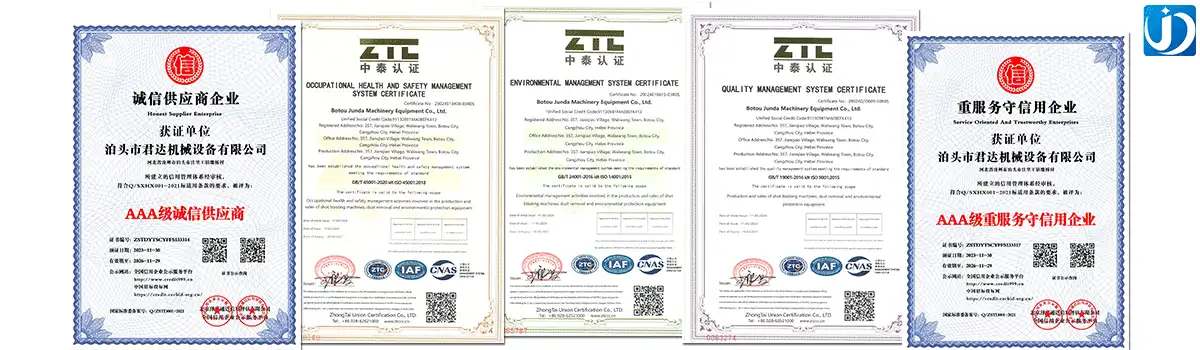
With regular models, it costs less and gets sent out faster. When setting up an OEM or custom system, you can choose the room size, the amount of dust it can hold, the language of the control system, and the voltage standards that work in your market. It's safer to buy a lot of tools from a seller who has ISO 9001 certification and written procedures for what to do after the sale. A lot of people feel this way when they buy tools from another country for the first time.
Conclusion
It's easy and cheap for small shops to clean surfaces right where they are with a mini shot blasting machine. It is easier for people who have never bought anything before to do so because it is small, restores shots automatically, and is easy to use. To begin, you need to know how big your job is, where your power will come from, and how much work you want to do. After that, you can pick the right model. Next, you need to make sure that the company selling the machine you want has a history of good after-sales service, easy access to spare parts, and clear technical support. Sometimes, if those things are done right, the tools will pay for itself in just one year of use.
FAQ
How long does a mini shot blasting machine typically last?
Your machine should last between 8 and 12 years if you take good care of it. Every week, check the blades and seals and repair any broken parts right away. After a certain amount of time, wear parts like blades and plates need to be changed. This lets you know right away how much it will cost to run each year.
What is the main difference between shot blasting and sandblasting?
A wheel that spins quickly throws steel shot during shot blasting. Fine grit is moved faster by forced air in sandblasting. The surface profile is smoother, the media is reused, and there is a lot less fine dust when you shot blast. Shot blasting is often used in places where metal parts are worked on every day because it is safer and costs less.
What safety measures are required during operation?
People who load and unload parts should protect their faces with gloves. Before the blast wheel can start to work, the dust catcher has to be turned on. At the start of every shift, the cabinet doors and seals should be checked. Even if you use low-noise types that are sealed and can be loud for a long time, you should still wear hearing protection.
Can these machines handle aluminum or non-ferrous parts?
Yes. You can change the blast wheel's shot size and speed so that soft materials like metal molds, brass die-cast parts, and others can be worked on without getting damaged. Before you choose a model, talk to the seller about the materials and finishes you need.
Get a Quote from Junda Machinery — Mini Shot Blasting Machine Supplier
From its home base in Botou, Hebei Province, Junda Machinery has been making mini shot blasting machines for 20 years. ISO 9001, ISO 14001, and ISO 45001 have all approved it, so you know it's good. We will let you know in 6 to 8 hours whether you need a standard small blaster or one that is made just for the size of the piece you need to blast. Send an email to junda001@jundablast.com with the part's size and the number of copies you need. You can also go to jundablast.com now.
References
1. Metal Finishing Guidebook and Directory — Metal Finishing, 2021
2. Surface Preparation Standards for Painting Steel Surfaces — SSPC/NACE Joint Standard SP-6, 2020
3. Abrasive Blasting: Health and Safety Considerations — American Industrial Hygiene Association (AIHA), 2019
4. Handbook of Surface Treatment Technology — ASM International, 2018
5. Shot Peening and Shot Blasting: Principles and Industrial Applications — Journal of Materials Processing Technology, 2020
6. ISO 8501-1: Preparation of Steel Substrates Before Application of Paints — International Organization for Standardization, 2022

USER EVALUATE
Real feedback and practical experience shared by worldwide partners who purchased our machinery and environmental treatment devices.