_1786959752558.webp)
How to Choose the Right Shot Blaster for Your Business
Choosing the right shot blaster for your business comes down to matching the machine's specifications to your actual production needs. You need to consider your workpiece material, required surface cleanliness grade (such as Sa2.5), throughput capacity, power supply, and dust control requirements. A well-matched blasting machine reduces labor costs, meets export quality standards, and delivers consistent results shift after shift. This guide walks you through everything you need to evaluate before making a purchase decision — from technical specs to supplier reliability.
Understanding Shot Blasting and Its Business Value
With a rotational blast wheel, gritty media, like steel shot or grit, are pushed against a workpiece at high speed during shot blasting, a mechanical surface preparation process. The surface is now clean and shaped, and it's ready to be coated, welded, or inspected for damage.
What Industries Rely on Shot Blasting?
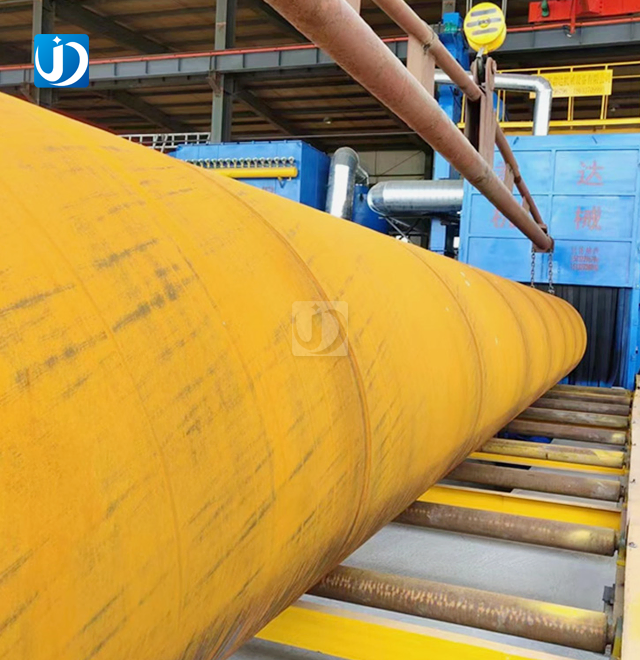
Shot blasting is used to remove mill scale, clean rust, and profile surfaces by steel makers, car foundries, shipbuilders, and companies that make farm equipment. According to ISO 8501-1, most export contracts require that the surface be clean to a level of Sa2.5 before applying an industrial coating.
Why It Outperforms Manual Methods
An automatic blasting machine can get more done or be more consistent than grinding or sanding by hand. When set up correctly, a system can handle between 0.5 and 20 tons per hour in a single pass. This cuts down on the time needed to do extra work because of uneven surface profiles and saves money on labor.
Environmental and Operational Advantages
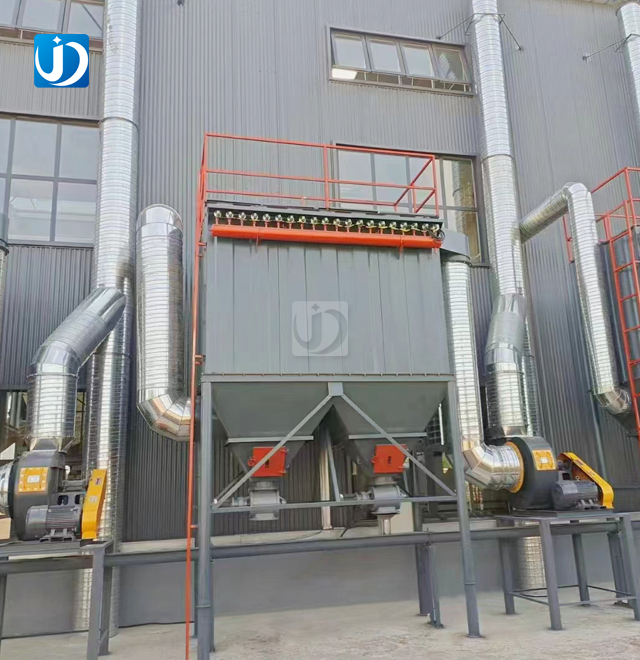
Modern systems recycle abrasives in a closed loop and collect dust at the same time. This makes sure that the workshop follows local environmental rules. A contained shot blaster blasting system keeps workers safe and avoids fines from the government compared to open-air sandblasting, which releases dangerous silica into the air.
Core Criteria to Evaluate When Choosing a Shot Blaster
Before you call any suppliers, you need to get honest answers to a few key practical questions in order to make the right choice.
Production Volume and Workpiece Type
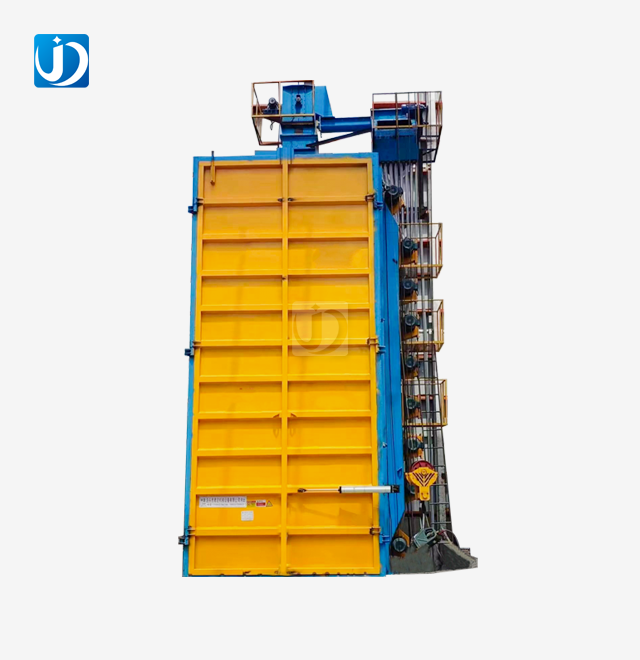
Begin by figuring out your throughput goal and the shape of your parts. Different types of steel plates, H-beams, molds, hardware parts, and odd structure parts need different machine setups. A 15–120kW installed power machine with a multi-turbine layout can handle a wide range of tasks, while a single-wheel unit may be enough for smaller batches.
Manual vs. Automatic Systems
Support and service after the sale: A full machine guarantee with English-language instructions and online commissioning help lowers the risk of downtime, especially for buyers from other countries.
Total Cost of Ownership
These financial factors have a direct effect on how long it takes for you to get your money back, so you should pay as much attention to them as the technical specs of the machine.
- Wear parts and consumables: Blast wheels, liners, and impellers need scheduled replacement. Confirm the supplier stocks original spare parts for long-term supply.
- Energy consumption: Equipment ranging from 15kW to 120kW (or up to 200kW for heavy-duty custom builds) varies significantly in operating cost per shift.
- Warranty and after-sales: A full machine warranty backed by remote commissioning support and English-language manuals reduces downtime risk, especially for international buyers.
These financial factors directly affect your return on investment timeline, so they deserve as much attention as the machine's technical specs.
Comparing Shot Blasters with Alternative Surface Preparation Methods
A shot blasting machine is not always needed to prepare an area. Knowing when blasting is better than other options can help you make the case for the investment within the company.
Shot Blasting vs. Sandblasting
Sandblasting moves abrasive materials with compressed air and is good for jobs with complicated shapes or that need to be done on-site. It does, however, make fine dust, uses more grit per turn, and can't keep up with the speed of a wheel-based system. When working with a lot of steel on the plant floor, a mechanical blasting machine always gives better value per square meter handled.
Shot Blasting vs. Grinding
Grinding takes away the top layer of material, but it doesn't create the base shape that industrial coatings need to stick properly. Grinding alone is not enough to reach ISO 8501-1 Sa2.5. Coating makers require a controlled surface roughness (Rz profile), which can only be achieved by a shot blaster. This is a must for structural steel that will be used in building, ship, or bridge construction.
Automatic vs. Manual Shot Blasting
Automatic systems cost more up front, but they pay for themselves in the long run with consistent output, less need for labor, and audit-ready proof of surface cleanliness. Manual portable units are useful in some situations, but they aren't right for factories that have production goals that are based on shifts.
Selecting Trusted Shot Blaster Brands and Suppliers
The company that sells you a machine is only as good as the warranty they offer. In 2024, buying teams are more aware than ever of certification, wait time, and infrastructure for after-sales service.
What Certifications Should a Supplier Hold?
A good starting point is to look for ISO 9001 quality management certification. For export markets, CE certification is important for getting goods through customs in many places. When asked, suppliers should be able to provide full technical paperwork, test results, and qualification files.
Evaluating Delivery and Customization Capability
Standard machines that are in stock should be sent to ports within 30 days. Custom configurations, such as changing the voltage (for example, to 380V/50Hz for Southeast Asian grids), changing the dust collection systems, and setting up longer blast wheels, should have a clear production window. For well-known manufacturers with active production lines, this window is usually around 15 days.
After-Sales Support as a Decision Factor
Guaranteed spare parts availability, remote video commissioning, and English-language operation instructions are not extras that can be chosen; they are operating requirements. Before you sign the deal, you should ask the supplier: How quickly do you answer questions about technology? Can you send me new wear parts within 72 hours? What kinds of training materials do you give people who work with machines?
Maintenance and Safety Considerations to Maximize Your Investment
A shot blasting machine is a machine that wears out quickly. If you don't have an organized repair plan, abrasive contamination and blade wear will lower cleaning performance and raise running costs per unit.
Routine Maintenance Schedule
Usually, blast wheel blades need to be checked every 50 to 80 hours of use. Depending on the strength of the abrasive and the material of the item, high-chrome alloy blades can last longer than 100 hours between services. To keep the dust collection working well, the abrasive recovery system, separation, and cartridge filter should be checked once a week.
Safety Protocols for Operators
Operators must wear the right PPE, such as safety glasses, hearing aids, and, if needed, breathing gear. Before each shift, the machine's case, door seals, and dust extraction connections should all be checked. Dynamic balance testing of the impeller assembly (G2.5 standard) stops bearing failure and structural wear caused by shaking.
Leveraging Manufacturer Support
A lot of downtime is caused by spare parts being late or troubleshooting instructions that aren't clear. If you work with a maker that keeps a long-term stockpile of parts and gives remote diagnostic support, your production team can fix most problems during one shift instead of having to wait days for an expert.
Conclusion
Not all blasting equipment is the same, so choosing the right one is not a simple process. Which shot blaster machine setup makes the most sense depends on the shape of your workpiece, your output goals, the level of cleanliness you need, and the electrical standards in your area. The biggest mistake buyers make is focusing only on price and not looking at things like availability of wear parts and help after the sale. A machine that works well for years and has easy access to extra parts will always do a better job than a cheaper one that sits around waiting to be fixed. Do your research on the technical specs, ask tough questions about how the supplier will help you, and pick a manufacturer whose certifications can be checked and who can actually make the product.
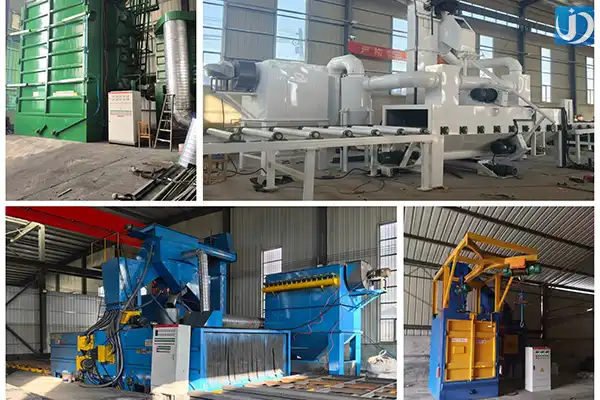

FAQ
1. How often should blast wheel blades be replaced?
Inspect blades every 50–80 operating hours. With high-chrome alloy blades and standard steel shot abrasive, service life can exceed 100 hours. Frequency depends on abrasive type and workpiece hardness.
2. What abrasive media should I use for steel surfaces?
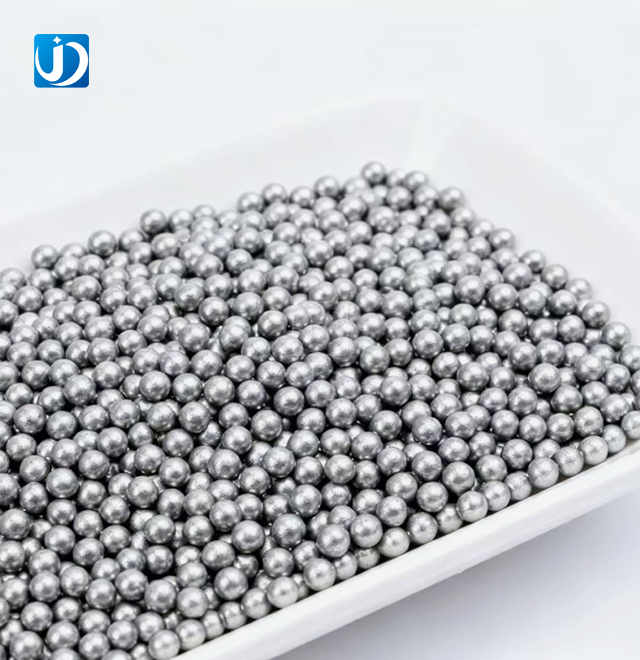
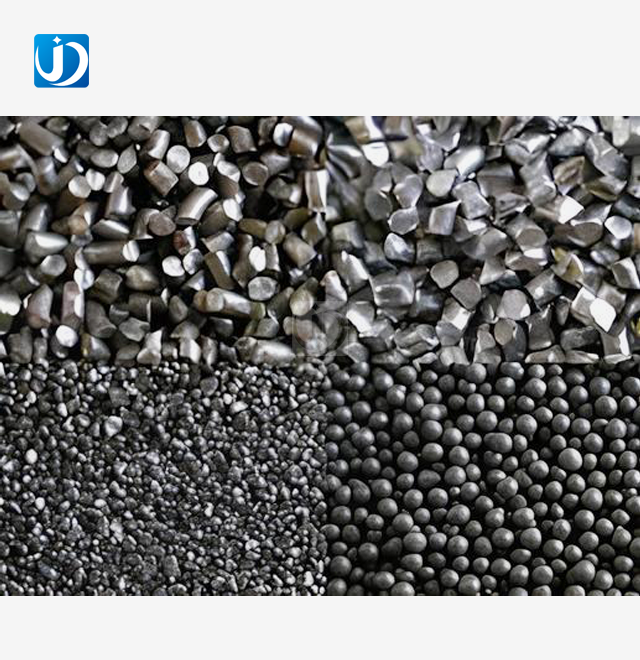
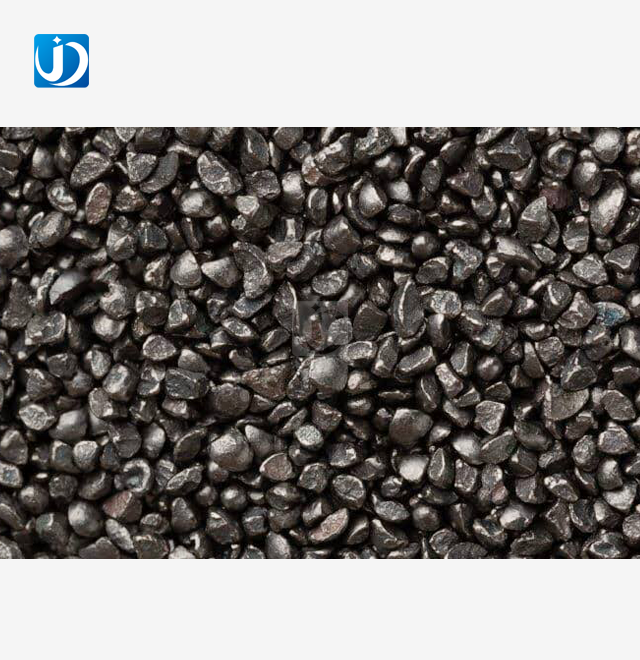
S280 to S330 steel shot works well for general rust and scale removal. For deeper anchor profiles required by thick coatings, steel grit (GL or GH grade) is the standard choice per coating manufacturer specifications.
3. Can the machine be configured for my local power supply?
Yes. Machines can be built to local electrical standards, including 380V/50Hz configurations common in Vietnam and Indonesia. Confirm voltage and frequency requirements with your supplier before placing an order.
4. How does the dust collection system work?
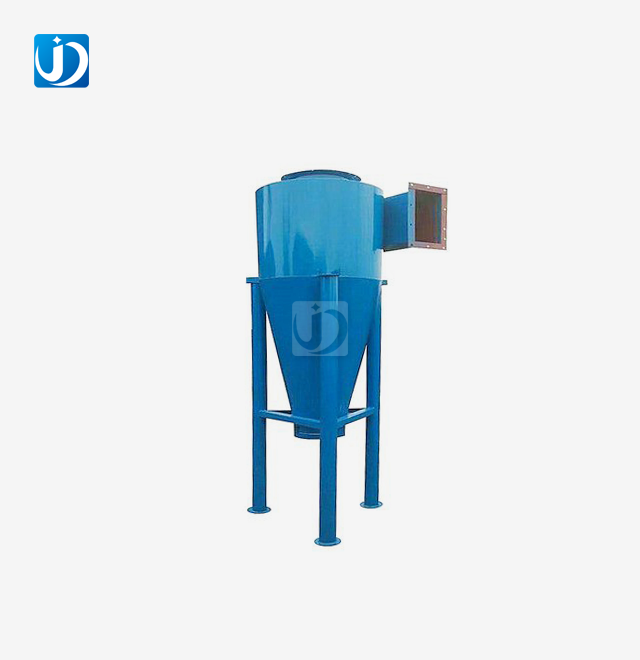
A closed-loop system vacuums spent abrasive and dust into a separator. Reusable shot is recycled back to the blast wheel. Fine dust is captured in pulse-cleaned cartridge filters, keeping the workspace compliant with environmental standards.
5. What surface cleanliness grade can I expect in a single pass?
A properly configured multi-turbine system achieves Sa2.0 to Sa2.5 per ISO 8501-1 in a single pass. Sa2.5 is the standard required by most export coating specifications, including those from European and American contractors.
Get a Custom Quote from Junda Machinery — Trusted Shot Blaster Manufacturer
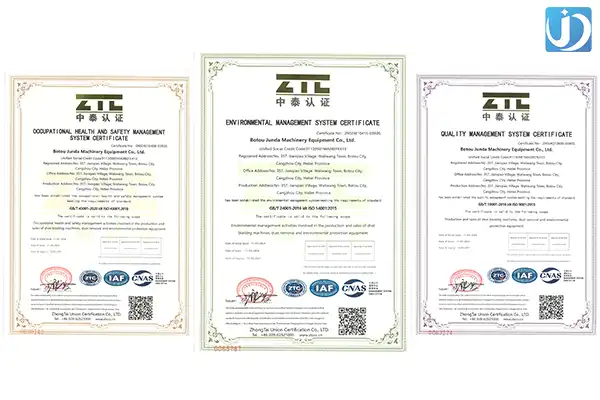
An ISO 9001, ISO 14001, and ISO 45001-certified company called Junda Machinery has been making industrial blasting equipment for 20 years out of Botou, China. Our technical team gets back to you within 6–8 hours, whether you need a basic shot blaster unit that we have in stock or a fully customized blasting machine with CE paperwork. To get your quote right away, email us at junda001@jundablast.com.
References
1. ISO 8501-1: Preparation of Steel Substrates Before Application of Paints and Related Products — Visual Assessment of Surface Cleanliness. International Organization for Standardization, 2007.
2. SSPC (Society for Protective Coatings). Surface Preparation Standards and Commentary. SSPC Press, 2019.
3. Neff, D. "Abrasive Blasting Equipment Selection for Industrial Coating Applications." Journal of Protective Coatings & Linings, 2021.
4. Keane, J.D., & Trimber, K.A. Industrial Lead Paint Removal Handbook. SSPC Press, 2018.
5. Momber, A.W. Blast Cleaning Technology. Springer, 2008.
6. Walker, P. "Surface Preparation and Coating Performance in Structural Steel Fabrication." Corrosion Engineering, Science and Technology, 2020.

USER EVALUATE
Real feedback and practical experience shared by worldwide partners who purchased our machinery and environmental treatment devices.