What Are the Main Components of Industrial Shot Blasting Equipment?
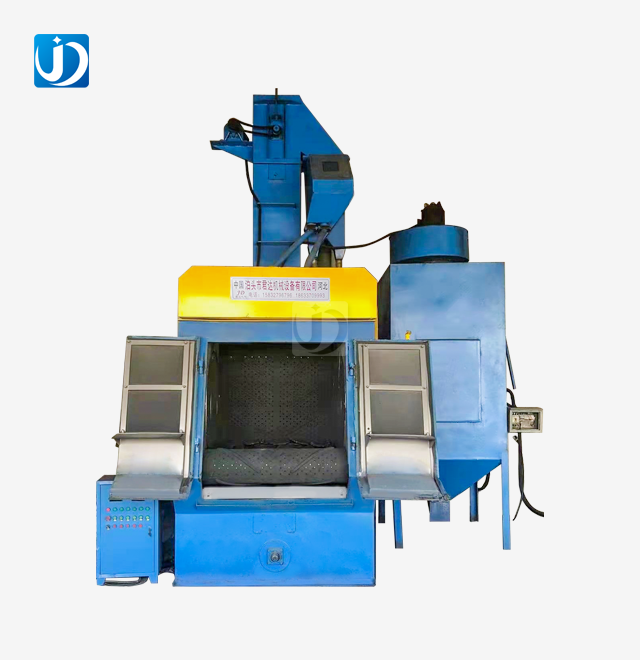
If you are sourcing surface treatment equipment for a production line, you already know that the wrong machine choice can cost far more than the purchase price. Before you sign any procurement documents, understanding what sits inside a shot blasting machine will save you time, money, and frustration down the road. Industrial shot blasting equipment is a mechanical surface treatment system that uses high-speed centrifugal wheels to propel metallic abrasives against a workpiece, removing rust, mill scale, and surface contaminants. The main components include the blast wheel assembly, abrasive recovery and separation system, fully enclosed blast chamber, pulse negative-pressure dust collector, workpiece conveying mechanism, and PLC control unit. Each part works in coordination, and its quality directly determines throughput, surface cleanliness grade, dust compliance, and long-term operating cost.
Overview of Industrial Shot Blasting Equipment
Shot blasting has been a standard method of production in heavy industry for many years. The Society for Protective Coatings (SSPC) says that mechanical abrasive blasting is still the best way to get surfaces clean to ISO 8501-1 Sa 2.5 to Sa 3 standards, which is the bare minimum for protective coatings in marine, structural, and automobile settings.
Where It Is Applied
Shot blasting tools can be found in places that build ships, make cars, work with steel, make pressure vessels, and make parts for rail travel. Each industry needs its own flow rates, surface patterns, and limits on how much dust can be released.
Why Component Knowledge Matters for Procurement
When looking at a machine for H-beam processing, one production manager puts different parts at the top of their list than when cleaning engine molds. If you know which parts control output quality, wear cost, and environmental compliance, you can compare providers based on what they actually do instead of what they say in their catalogs.
How Junda Machinery Fits Into This Picture
For more than 20 years, Botou Junda Machinery Equipment Co., Ltd. has been making shot blasting and dust removal equipment from a 3,000 m² factory in Botou, Hebei, which is known as China's center for foundry and environmental Industrial shot blasting equipment . In their five machine platforms, you can find a roller conveyor, a hook type, a tumble belt, an overhead chain pass-through, and a rotary design. The platforms have fixed power ranging from 30 kW to 200 kW and can handle 1 to 20 t/h.
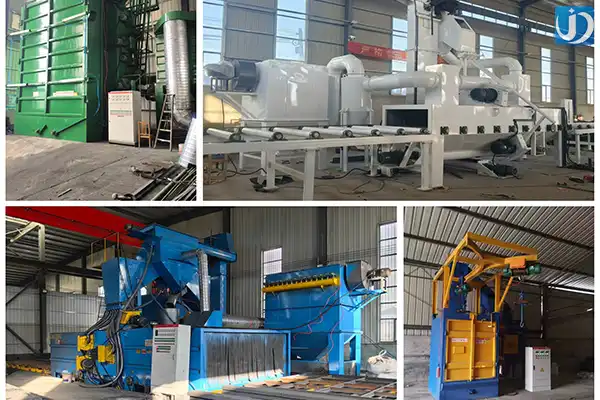

Key Components of Industrial Shot Blasting Equipment
A set of core parts is used by all machines in this group. Running costs, surface quality, and how often upkeep needs to be done are all directly affected by the quality and design of each part.
Blast Wheel Assembly
The blast wheel is the system's main piece of machinery. It spins very fast and uses centrifugal force to throw coarse materials against the surface of the subject. High-alloy blades that are HRC 60+ hard are used in Junda's blast wheels. Blades last 400–800 hours under normal conditions, and liners last more than 2,000 hours. This is a lot longer than standard manganese-steel alternatives. Each wheel has an abrasive flow rate of more than 250 kg/min, which allows for even coverage of the surface at production speed.
Abrasive Recovery and Separation System
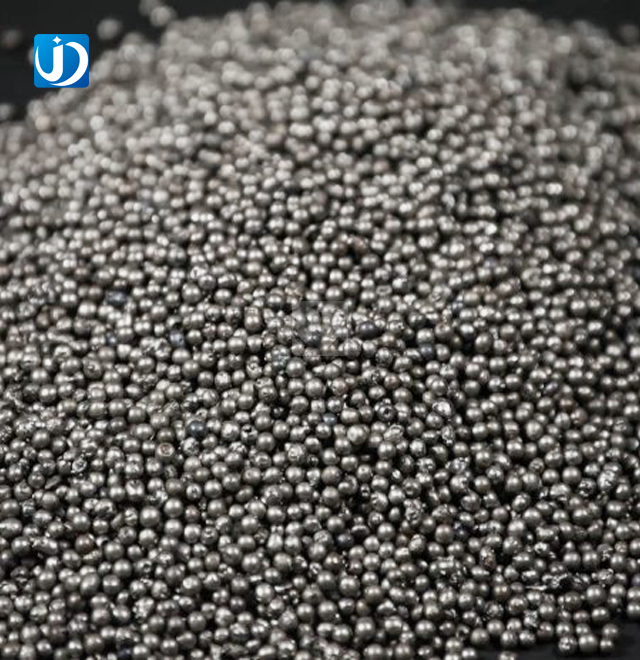
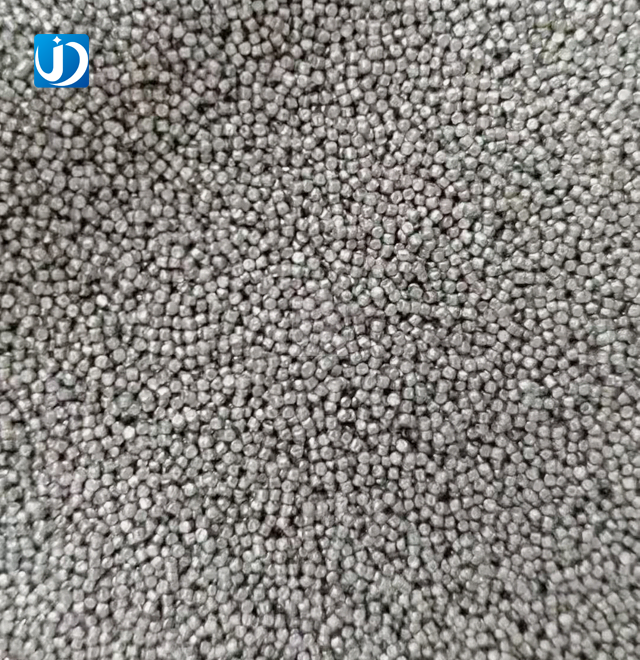
When the abrasive hits something, it falls to the floor of the chamber. A screw conveyor or bucket elevator then picks it up and takes it back to a separator. The divider gets rid of fine dust, broken particles, and pieces that are too big or too small, sending only the right mix back to the wheel hopper. Keeping a balanced operating mix, which can be checked by sieve tests on a daily basis, is directly linked to ISO 8501-1 compliance and consistent surface roughness.
Blast Chamber and Sealing Structure
The whole blasting process takes place in the chamber. Junda constructs rooms with a rigid frame made of a single piece and ends each entry and exit point with a multi-layer screen that is resistant to wear. This fully sealed design keeps the air inside stable so that the abrasive can move around properly. It also stops steel shot from leaking into the workshop. There are no dead cleaning zones, which is important when working with sections that have complicated shapes.
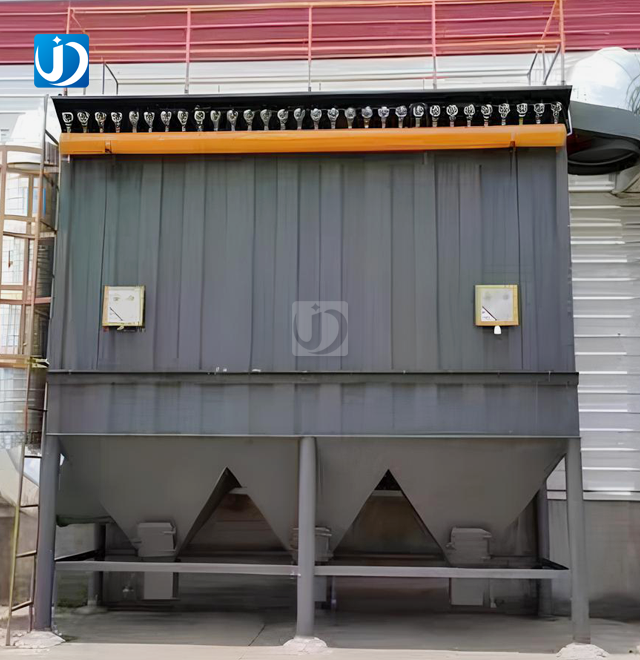
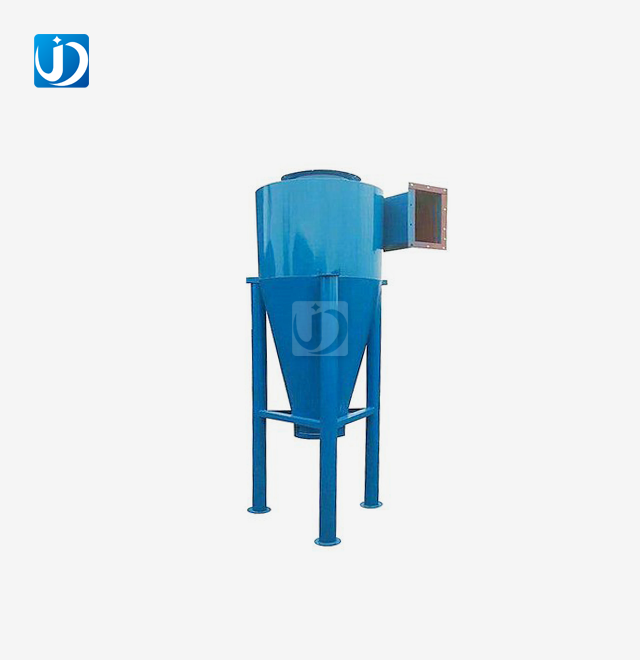
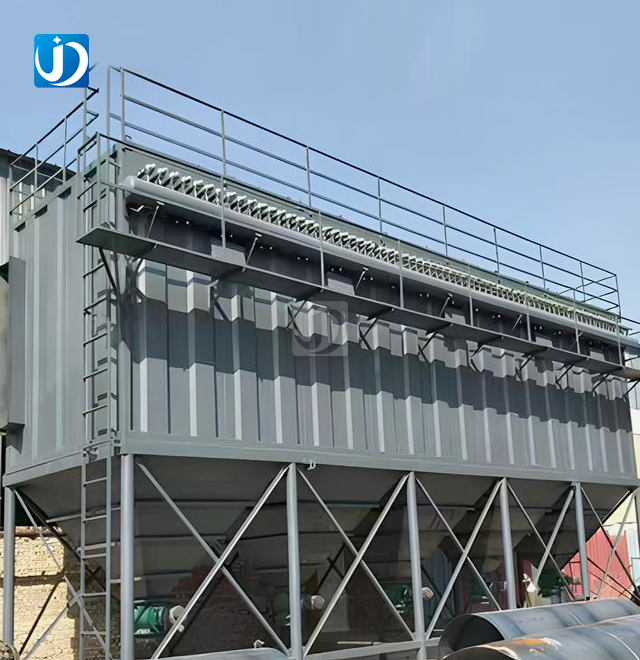
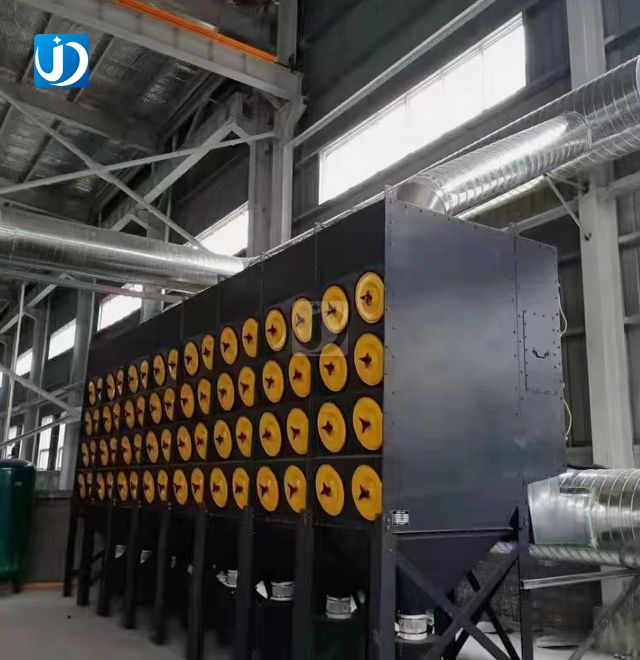
Pulse Negative-Pressure Dust Collector
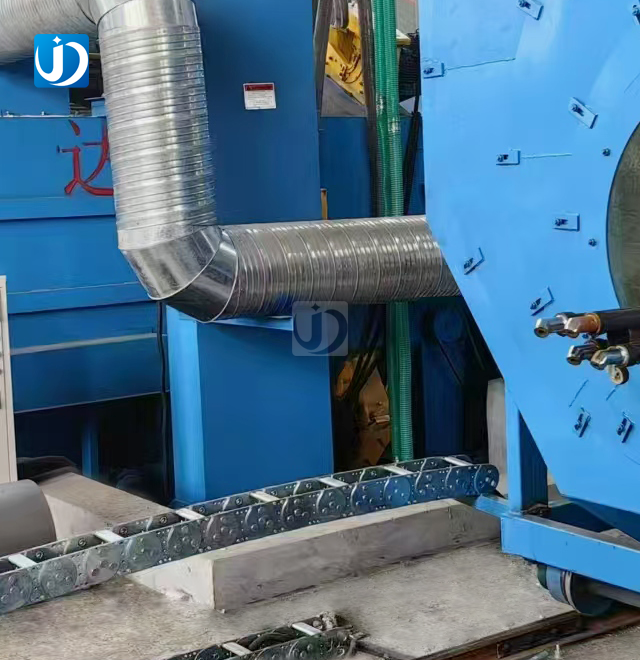
Controlling dust is not a choice; it is required by law. The pulse negative-pressure dust collection from Junda does both continuous negative-pressure suction and automatic pulse cleaning of the filter cartridges. Emissions stay below 5 mg/m³, which is in line with OSHA rules and local environmental laws. Filters don't have to be changed by hand during production shifts.
Conveying Mechanism
How pieces of work move through the blast zone is controlled by the transportation system. Flat steel plates and structure pieces can be moved with roller conveyor systems. Complex casts are handled by hook-type tools. A tumble belt model can be used for small pieces of hardware and forgings. PLCs that control the speed of the belts and rollers make sure that every surface gets the same amount of exposure time. This is what makes the Sa cleanliness grades uniform.
PLC Control Unit
All the parts of the system work together because of the control unit. The PLC controls the speed, the flow of abrasive materials, the time of the dust collector's pulses, and the recording of output data. Junda owns seven software patents for its own Intelligent Shot Blasting Machine Management and Control System. This system helps with scheduling production and predicting maintenance needs by collecting data and keeping an eye on the whole process.
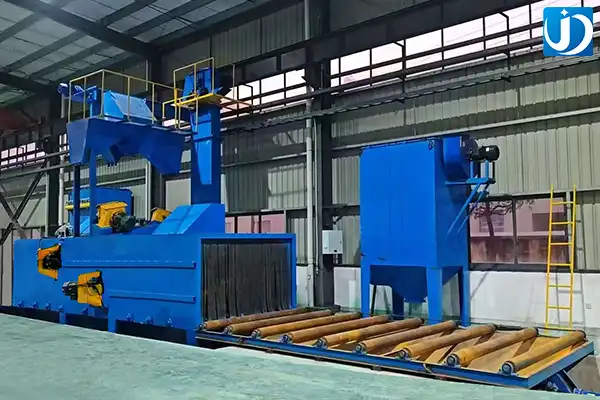
How Industrial Shot Blasting Equipment Works: Process and Component Interaction
When you know about the operating cycle, you can find failure points before they cause downtime.
A piece of work is moved into the sealed blast room by the conveying device. This starts the loop. abrasive media are sped up by the blast wheel and thrown at the target area. Abrasive impacts get rid of dirt and make an anchor profile. The used media falls to the salvage conveyor, moves to the separator, is cleaned, and then goes back to the wheel bin. At the same time, the dust collection keeps the chamber under negative pressure, which stops small bits from getting to the exhaust.
Coordination Between Subsystems
A divider that lets big pieces of shot go back into the wheel will make the blade wear out faster. If the suction in a dust collector breaks, small particles will be able to move back onto surfaces that have already been cleaned. Because the performance of each part relies on the other parts working as planned, buying from a single manufacturer who designs the whole system is clearly better than putting together tools from different suppliers.
Common Failure Points to Watch
When blast wheel blades get worn, they slow down the throwing speed and make the surface coverage uneven. When the dust collector's pulse system doesn't work right, the filter pressure goes up, which slows down airflow and makes it harder to collect dust. When the divider isn't calibrated properly, the abrasive mix breaks down, which makes the surface rougher than the required Ra/Rz range.
Maintenance Tips for Key Shot Blasting Components
Downtime that wasn't planned for costs a lot more than planned maintenance. A typical mid-sized manufacturing facility that only uses Industrial shot blasting equipment on one shift can lose a lot of work hours each year because of parts breaking down that could have been avoided.
Here are the maintenance tasks that skilled workers do first:
- Blast wheel blades: Inspect blade thickness every 200 hours. Replace the full set when any blade reaches minimum thickness, not just the worn ones, to keep throwing balance consistent. Under standard conditions, budget for replacement at 400–800 operating hours.
- Wear-resistant liners: Check liner thickness with ultrasonic testing at each scheduled shutdown. Liners rated for 2,000+ hours under normal abrasive loads will wear faster if the operating mix contains oversized fragments.
- Separator and sieve system: Run a sieve analysis of the abrasive operating mix weekly. An unbalanced mix — too many fines or too many large particles — directly degrades surface finish quality.
- Dust collector filter cartridges: Verify pulse pressure and differential pressure daily. Automatic pulse cleaning extends cartridge life, but a full inspection every quarter prevents filter bypass and compliance failure.
These steps protect your facility's environmental inspection status and keep equipment running at its best.
Choosing the Right Shot Blasting Machine Configuration for Your Needs
To choose the right machine platform, you need to make sure that the design fits the type of workpiece, the amount of output, and the plan of the floor.
Machine Type vs. Workpiece Geometry
In continuous production, roller conveyor pass-through machines are a good way to handle steel plates, H-beams, and structural sections. Large casts and fabrications that can't lie flat can be used on hook-type tools. Tumble belt types work well for both large pieces of gear and small forged parts. Overhead chain pass-through units are used on production lines that run all the time and have workpieces hanging from carriers. Rotary table tools are good for medium-sized parts that are symmetrical and need even covering all the way around.
OEM vs. Aftermarket Components
Original manufacturer parts have been tested for quality and are made to work within the machine's set performance range. Aftermarket blades and covers may save you money in the short term, but they can shorten the time between service visits for blast wheels or cancel machine guarantees. Original parts usually have a lower total cost of ownership in situations where uptime is measured by how much it costs to make something every hour.
Compliance and Certification Requirements
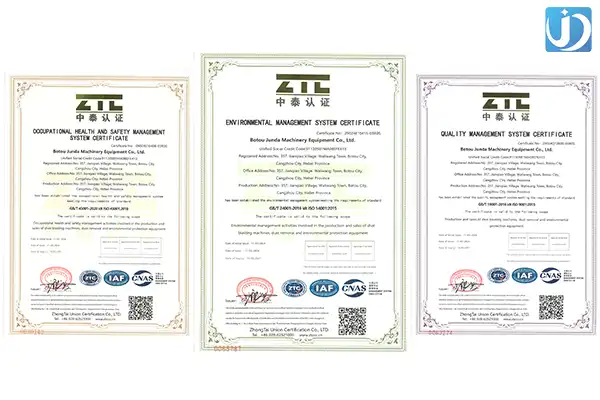
If your business has to follow CE marking rules or local environmental laws, make sure the machine provider can give you the necessary technical paperwork. Junda has certifications for ISO 9001, ISO 14001, and ISO 45001, and they help users apply for CE certification by giving them full qualification files for import and governmental approval.
Conclusion
The performance of industrial shot blasting equipment depends on how well its main parts work together. These are the blast wheel, abrasive recovery system, sealed chamber, dust collector, conveying mechanism, and control unit. Buying things based on their specifications instead of their price in a catalog leads to better production efficiency, environmental compliance, and lower long-term operating costs. The easiest way for a surface treatment line to work is for sites in the shipbuilding, automobile, steel construction, casting, and rail transit industries to match the right machine base to the type of workpiece and the amount of work that needs to be done.
FAQ
1. What is the difference between shot blasting and sandblasting components?
Centrifugal blast wheels are used in shot blasting to mechanically throw steel shot or grit. In sandblasting, silica or other materials are pushed around by compressed air. In order to work, the parts are very different. Shot blasting tools need blast wheels, wear-resistant plates, and mechanical abrasive recovery systems. Nozzles, air engines, and pressure pots are used in sandblasting setups. Shot blasting can handle larger amounts of work and make surfaces with more uniform shapes for industrial coatings.
2. How often should blast wheel blades be replaced?
High-alloy blades with a hardness rating of 60 or more usually last between 400 and 800 hours of use under normal conditions and with the right amount of abrasive mixed in. The actual times depend on the type of grit, the feed rate, and how well the working mix is maintained. Every 200 hours, check the width of the blades and change the whole set at the same time to keep the throwing performance even.
3. Can components be customized for local voltage and environmental standards?
Yes, Junda Machinery changes the electrical control systems to fit local power standards, changes the specs of the dust collectors to fit local emission limits, and provides CE paperwork to markets that need it. Custom options include machine size, automatic control language, painting the surface, and smart software for monitoring.
4. What causes decreased blasting efficiency over time?
The three most common reasons are worn blast wheel blades that slow down the throwing speed, an unbalanced abrasive operating mix from incorrect separator calibration, and a dust collector pulse system that doesn't work right and stops airflow. Checking the sieve, the blades, and the differential pressure on a regular basis takes care of all three problems before they get worse and lower the surface cleanliness grades.
Partner With Junda Machinery for Your Next Surface Treatment Project
Junda Machinery has been making industrial shot blasting equipment for 20 years and has ISO 9001, 14001, and 45001 certifications, as well as CE documentation support. They sell everything from single machines to full turnkey production lines. Our research team gets back to people within 6–8 hours, whether you need a hook-type machine for difficult castings or a roller conveyor system for structural steel. Email us at junda001@jundablast.com right now to get a detailed plan from a well-known company that makes industrial shot blasting equipment.
References
1. Society for Protective Coatings (SSPC). Surface Preparation Standards for Steel Substrates. SSPC, 2020.
2. ISO. ISO 8501-1: Preparation of Steel Substrates Before Application of Paints and Related Products — Visual Assessment of Surface Cleanliness. International Organization for Standardization, 2007.
3. Wheelabrator Group. Shot Blasting Technology: Principles and Applications in Metal Finishing. Wheelabrator Technical Publications, 2018.
4. Occupational Safety and Health Administration (OSHA). OSHA Technical Manual: Abrasive Blasting. U.S. Department of Labor, 2019.
5. TWI Ltd. Surface Preparation for Protective Coatings: Methods and Standards. TWI Technical knowledge Series, 2021.
6. The Institute of Corrosion (ICorr). Abrasive Blasting for Corrosion Protection: Best Practice Guide. ICorr, 2017.

USER EVALUATE
Real feedback and practical experience shared by worldwide partners who purchased our machinery and environmental treatment devices.