Troubled by uneven blasting on complex structural parts? Spinner hanger shot blaster achieves 360° uniform treatment
You already know how annoying it is when the surface treatment isn't even if you run a precision casting plant or make valves, pump bodies, or aerospace impellers. This problem can be solved by a rotary hanging shot blaster, which hangs workpieces from self-rotating hooks that keep spinning while blasting. This gives the machine full 360° coverage with no dead spots. This machine can reach surfaces that fixed-angle or hand-operated methods just can't, like thin-walled parts and curved internal cavities. The end result is a stable Sa2.5–Sa3.0 surface shape that can be coated, put together, or machined further.
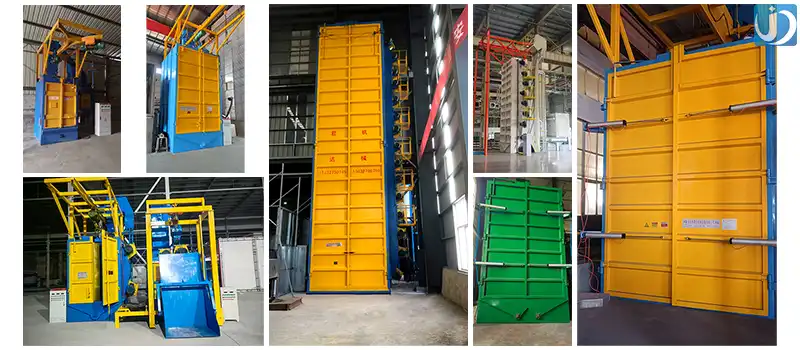

Understanding the Challenges of Uneven Blasting on Complex Structural PartsWhy Geometry Creates Problems?
If you cast valve bodies and impellers with great care, the surfaces will bend, fold and recess in ways that stop shot media. Edges that are raised on the outside and hollow on the inside cast shadows when an air blaster or a fixed wheel fires in one direction. Shot never gets to that metal, so it stays raw or hasn't been treated right.
What Traditional Methods Get Wrong
Small problems can be fixed by grinding by hand, but it's not always right and can't get to the root of the problem. Shapes that are flat or simple work best with blasters that spin in place. However, they miss out on undercut channels and sides that are bent. Because it makes the surface rough in different places, paint doesn't stick as well and the part lasts less long.
The Cost of Getting It Wrong
Over 80% of steel structures that rust before they should are because the coating doesn't stick because the surface isn't ready. This is according to the Society for Protective Coatings (SSPC). When it comes to precise parts, rework takes time, wastes abrasive media, and slows down shipping. These costs add up quickly for foundries and factories that make a lot of valves.
How Spinner Hanger Shot Blasters Work to Deliver 360° Uniform Treatment?
The Self-Rotating Hook Mechanism
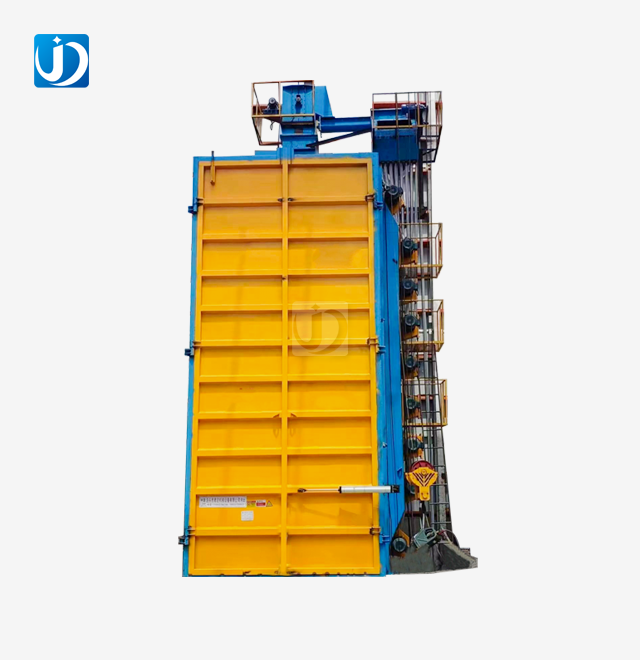
Hooks are a big part of what makes a spinner hanger machine unique. As the blast wheels spin, they keep firing hooks one at a time. All of the rough media can reach every side, corner, and curve inside the piece because it turns. This gets rid of the shadow zones that happen with static setups.
Multi-Directional Blast Wheel Layout
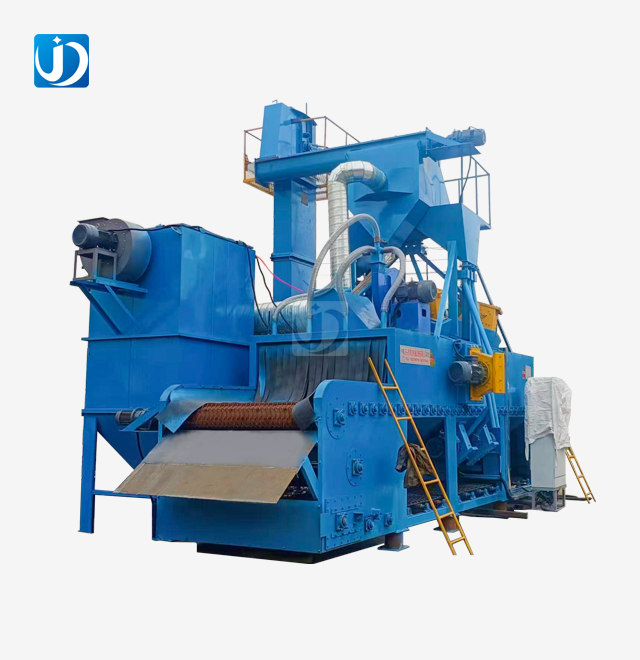
An engineer at Junda Machinery set up a group of high-speed blast wheels at different angles all around the blasting chamber. In this case, shots can come from more than one way at the same time. This means that a valve body with a lot of curves or a fan blade with a lot of bends is hit all the way through at the same time.
Adjustable Parameters for Delicate Parts
Parts that have thin walls or were cast with a lot of care can't handle too much force from rotary hanging shot blaster equipment. The person who is running the machine can change the hanger's speed, the abrasive's flow rate, and the blast wheel's speed. For process engineers, it is possible to set the ideal impact energy to hit Sa2.5 without damaging or over-blasting sensitive shapes. This is the most important thing for people in charge of casting tools to think about when they look at it.
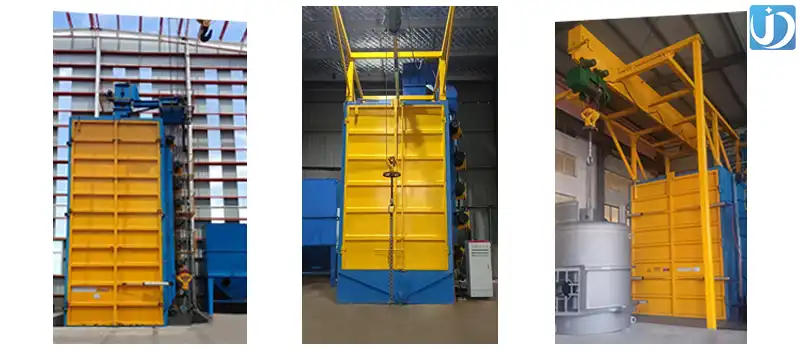
Comparing Spinner Hanger Shot Blasters with Other Shot Blasting TechnologiesVersus Tumblast Machines
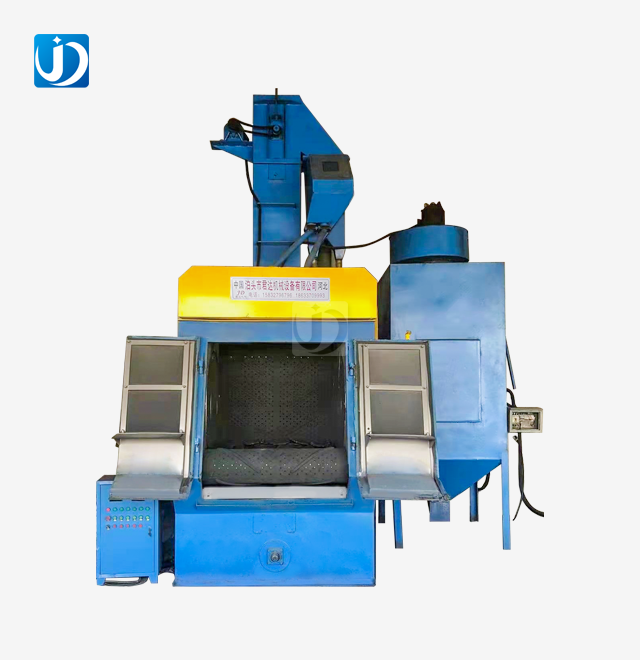
Because they tumble parts inside a rolling tube, these tools are good for making small, strong castings. Because they hit each other as they roll, the parts don't work well for parts with thin walls or complicated shapes. A spinner hanger system hangs each piece of art on its own. Parts don't get hurt by each other, and each piece can choose how much blasting touch it gets.
Versus Air Blast Cabinets
In air blast boxes, compressed air is used to move rough materials. You can change the speed and direction of the air to fit your needs. But they're slow, need a lot of power from compressed air, and rely on the person who is in charge a lot. A spinner hanger shot blaster with centrifugal blast wheels can make a lot more parts and use less energy per part. For places that need to make parts in small amounts, this is the best choice.
Automation and Dust Control
When it comes to how they work, automatically hung spinners are better than people because
- Consistent cycles over and over: Automated PLC controls lock in the rotation speed, blast duration, and media flow, so there is no room for error on the part of the operator.
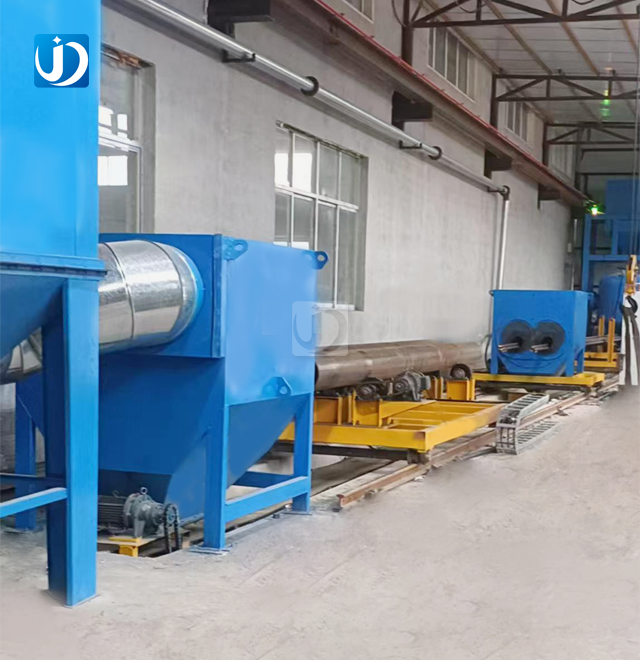
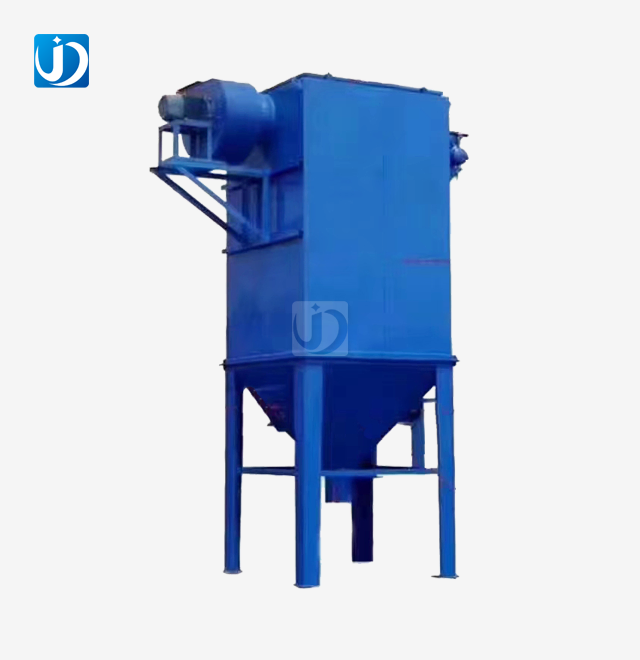
- Integrated dust collection: A closed-loop abrasive recycling system and pulse-cleaned cartridge filters keep the workshop in line with air quality rules for the workplace and cut down on abrasive waste.
- Less reliance on labour: Unlike manual blast rooms, one operator can load and unload while the machine runs its full automatic cycle, which saves money on labour costs.
Maintenance Tips and Safety Guidelines for Optimal Performance
Routine Inspection Points
To keep wear parts working right, they need to be checked often. A high-manganese steel blast wheel should have its blades and plates checked every 50 to 80 hours of use. At the end of each shift, the grit separator should be checked for any blockages. Grease the rollers that spin the hanger once a week.
Shot Media Management
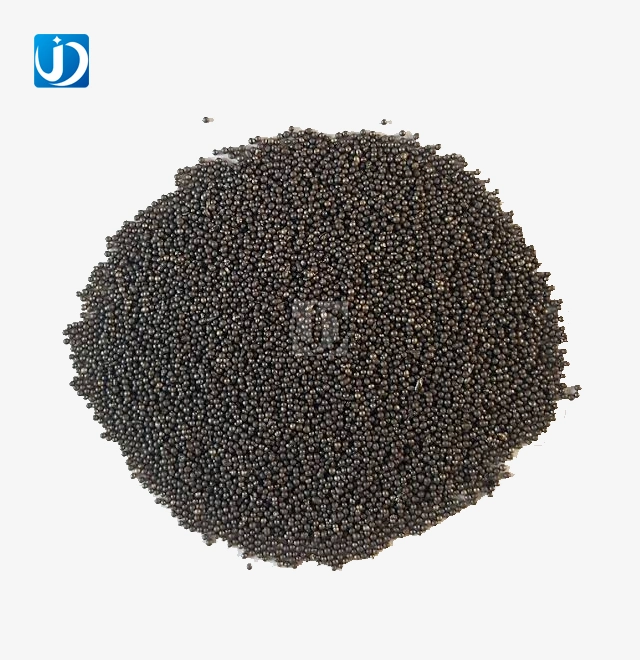
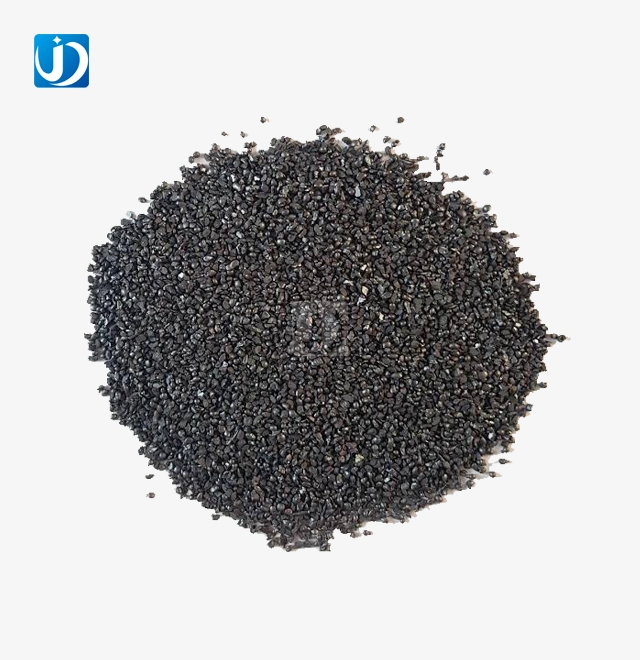
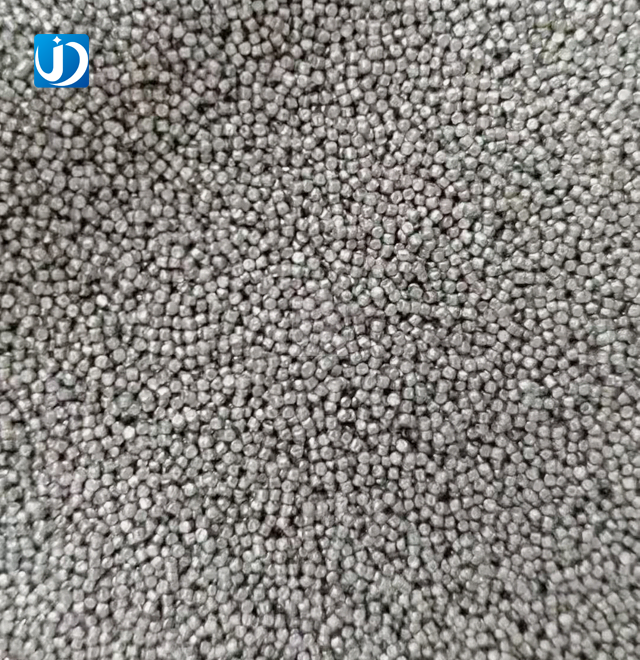
How much the surface shines all the time in a rotary hanging shot blaster depends on the quality of the grit. The surface shape gets worse, there are more broken pieces, and the blades wear out faster. Users should test the media mix with a screen and add S280–S330 steel shot or the right grit grade to keep the working mix stable.
Operator Safety Protocols
People who work on maintenance, loading, and unloading must wear safety gear like steel-toed boots, dust-rated respirators, and hearing protection. Every shift should start with a test of the emergency stop device. Junda Machinery helps customers from other countries by showing them how to use and take care of their machines in English-language videos. If you need it, they can also help you get online.
When you're looking for a machine, it's not just about price. These are the most important things to remember while you shop:
Procurement Guide for B2B Buyers: Selecting the Right Spinner Hanger Shot Blaster
Choosing the right machine is not simply about price. When making a good procurement decision, the following things are the most important:
- Size and weight of the part: Make sure the hanger's load rating matches the weight of your heaviest piece of work. Normal sets can hold loads ranging from 50 kg to several hundred kg per hook.
- Blast wheel count and placement: More wheels at optimized angles improve covering speed. Ask the maker for a covering simulation that is based on the shape of your part.
- Level of automation: PLC-controlled systems cut down on labour costs and make batches more consistent, which is very important for OEM customers who need to keep track of the process.
- Wear parts: Make sure that blades, liners, and seals can be shipped within a lead time that doesn't mess up your production schedule. Junda Machinery keeps stock on hand so that orders can be filled quickly.
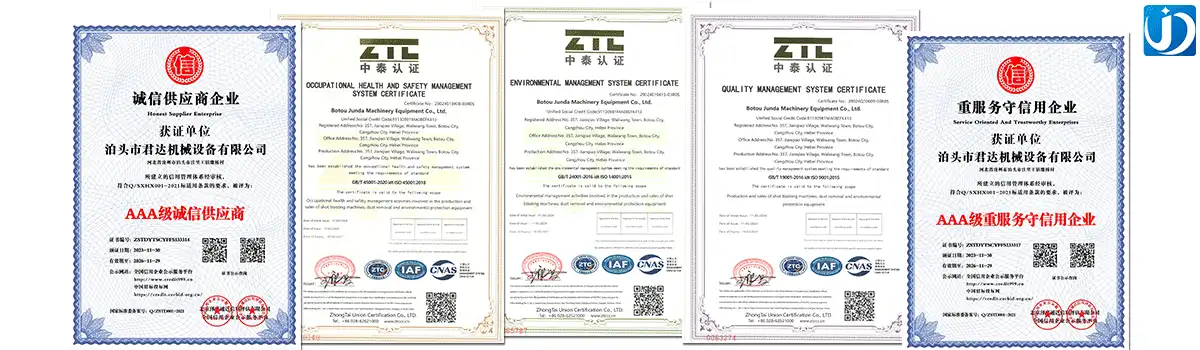
- Certificates: The ISO 9001 quality management system and the CE certification help meet export requirements and legal requirements in North American and European markets.
Conclusion
Complex castings, valves, pump bodies, and impellers can be uniformly surfaced with a rotary hanging shot blaster. Self-rotating hooks, multi-directional blast wheels, and customisable blasting settings eliminate untreated areas, safeguard sensitive workpieces, and deliver consistent Sa2.5–Sa3.0 surface preparation. Automated spinner hanger systems improve processing consistency, labour needs, and manufacturing efficiency over manual blasting and tumblasting. Long-term performance requires maintenance, abrasive management, and dust collecting. Junda Machinery serves varied production needs with customised equipment solutions, technical consultation, and spare-parts support after 20 years of shot blasting equipment manufacturing. The correct machine layout may reduce rework, maintain coating quality, and boost operating efficiency.
FAQ
Is a spinner hanger shot blaster suitable for thin-walled parts?
Yes. The machine allows independent adjustment of blast wheel speed and abrasive flow rate. This means operators can reduce impact energy specifically for thin-walled or deformation-sensitive workpieces while still achieving the required surface cleanliness grade. Junda Machinery can configure custom parameters during factory acceptance testing based on your specific part specifications.
How often does the equipment require major maintenance?
Blast wheel blades typically need inspection every 50–80 operating hours. Full overhaul of the hanger rotation mechanism is generally recommended annually or after approximately 2,000 operating hours, depending on production volume. Following the manufacturer's scheduled maintenance plan extends equipment service life significantly and prevents unplanned downtime.
Can this machine handle both steel castings and aluminum alloy parts?
Yes. By selecting the appropriate abrasive type and adjusting impact parameters, the machine processes steel, cast iron, aluminum alloys, and stainless steel. Aluminum parts require lower-energy settings and non-ferrous abrasive media to avoid contamination or surface damage. Discuss your material range with the equipment supplier before finalizing machine specifications.
Ready to Achieve More Consistent Blasting Results with Junda Machinery?
Are uneven surface finishes, costly rework, or damage to delicate castings slowing down your production? Junda Machinery offers a reliable rotary hanging shot blaster designed for 360° coverage, consistent Sa2.5–Sa3.0 surface preparation, and adjustable blasting parameters for complex and thin-walled components. With 20 years of shot blasting equipment manufacturing experience, Junda helps foundries and industrial manufacturers improve processing consistency, reduce manual labor, and maintain efficient production. From multi-directional blast wheel configurations and automated PLC controls to integrated abrasive recycling and dust collection, our solutions are tailored to your workpiece dimensions, materials, and production requirements. Our team also provides technical guidance, English-language operation resources, and spare-parts support to help minimize downtime. Ready to optimize your blasting process? Share your workpiece specifications and production goals with our team at junda001@jundablast.com or go to jundablast.com to discuss your customized solution.
References
1. SSPC: The Society for Protective Coatings. SSPC-SP 6/NACE No. 3: Commercial Blast Cleaning. SSPC, 2007.
2. ISO 8501-1. Preparation of Steel Substrates Before Application of Paints and Related Products — Visual Assessment of Surface Cleanliness. International Organization for Standardization, 2007.
3. Wheelabrator Group. Shot Blasting Technology and Surface Preparation Handbook. Wheelabrator, 2015.
4. American Foundry Society. Metalcasting Industry Technology Roadmap. AFS, 2020.
5. Wouters, M., & Rentrop, C. Surface Preparation and Coating Performance: Adhesion and Corrosion Resistance. Progress in Organic Coatings, 2010.
6. Aerospace Industries Association. Nadcap Shot Peening and Surface Enhancement Requirements. AIA, 2019.

USER EVALUATE
Real feedback and practical experience shared by worldwide partners who purchased our machinery and environmental treatment devices.