Pipe Air Blasting Machine vs. Traditional Pipe Cleaning Methods
When comparing a pipe air blasting machine to traditional pipe cleaning methods, the differences in performance, safety, and long-term value are clear. A pipe air blasting machine uses high-velocity abrasive media propelled by centrifugal blast wheels to achieve consistent surface cleanliness—reaching Sa 2.5 or higher per ISO 8501-1—across the full pipe circumference. Traditional methods like manual wire brushing, chemical pickling, or hand-held sandblasting often fall short on cleanliness uniformity, operator safety, and processing speed. For industrial contractors and pipe manufacturers who need verified surface preparation before coating or galvanizing, understanding this comparison directly affects project outcomes.
Limitations of Traditional Pipe Cleaning Methods
For decades, people have used traditional ways to get the surface of pipes ready. It is well known that chemical treatments, sandblasting by hand, hydroblasting, motorized brushing, and pigging all have issues that get harder to deal with as the job gets bigger and better.
Inconsistent Surface Quality
Chemical or hand methods make it hard to get an even anchor shape. The job at hand sanding, for example, has a lot to do with how skilled and tired the person is. Most studies that look into why coatings don't stick to surfaces find that the main reason is that the surface isn't ready, especially if it has roughness patterns that aren't all the same. There is almost always some difference between the Rz values of a group of pipes that have been cleaned by hand when a project auditor checks them.
High Labor and Safety Costs
Silica dust is made during open sandblasting, and it is very bad for your lungs. The silica rule from OSHA (29 CFR 1926.1153) has a lot of rules about exposure, paperwork, and breathing protection. These rules cost money and are hard to manage. More and more, it's hard to find and keep trained sandblasting teams in the U.S., especially for companies that work with a lot of pipes.
Low Throughput and Environmental Risk
Chemical pickling makes dangerous liquid waste that needs to be thrown away in a certain way. When hydroblasting, dirty water is released into the air. When there aren't many days left to finish a job or when the pipe is hundreds or thousands of meters long, neither way works well. A good way to get rid of waste inside is to pig, but it can't give the surface the shape a coating needs to stick. Projects are late because of these rules, people get in trouble for not following them, and more work needs to be done.
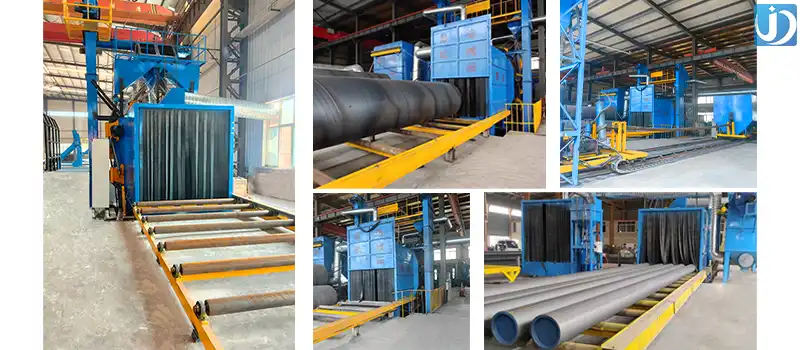

Introduction to Pipe Air Blasting Machines and Their Working Principle
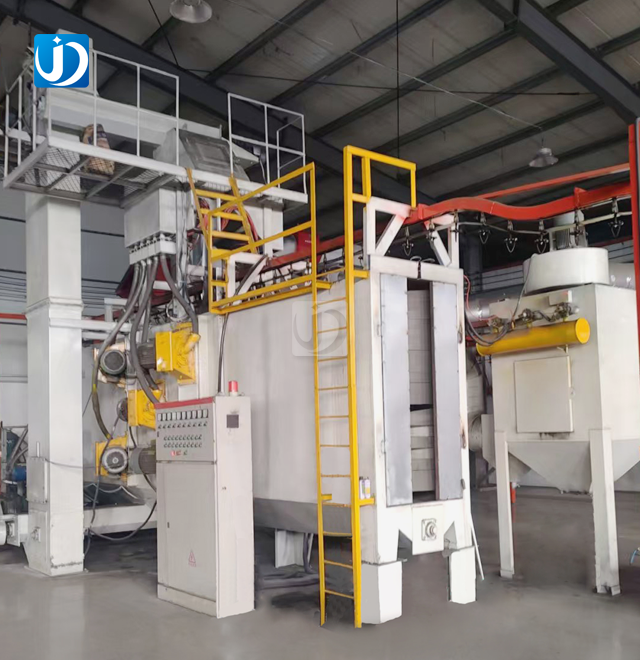
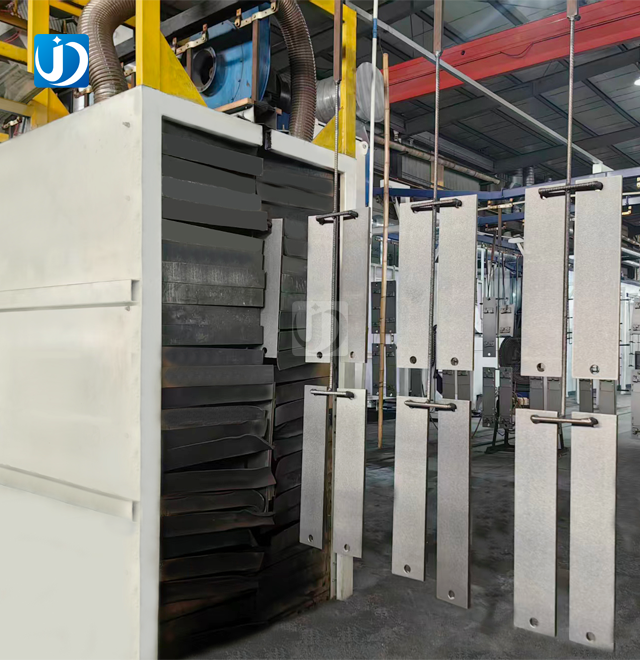
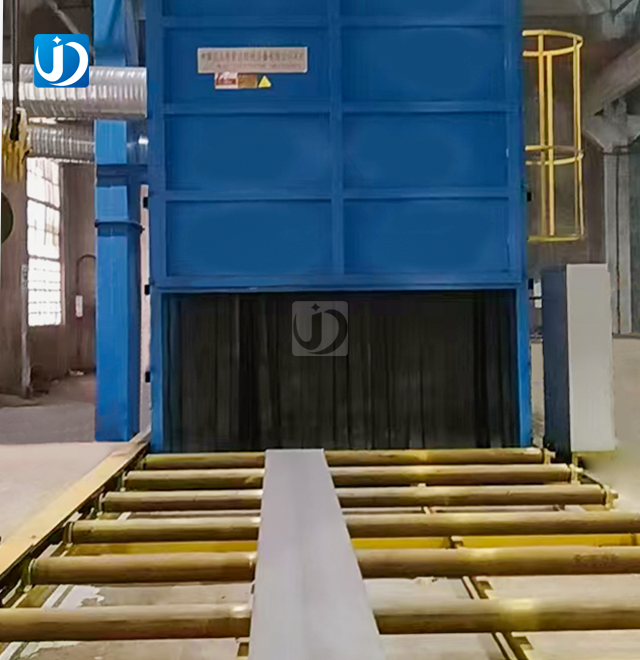
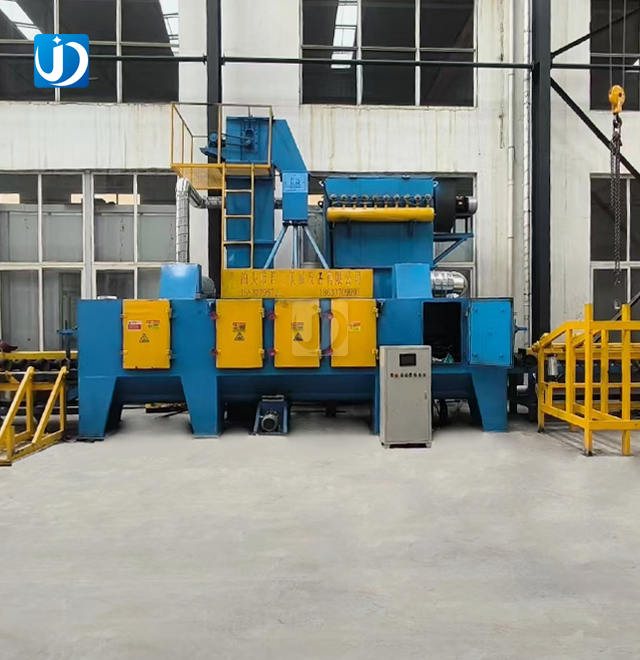
In heavy industry, a pipe air blasting machine is also called a pipe shot blasting machine. It has high-speed centrifugal blast wheels that hit the pipe surface with abrasive media at a controlled speed and angle. This machine is part of Junda Machinery's pipe blasting equipment, which also has V-shaped spinning roller belts that spin the pipe as it goes forward. It makes sure that the whole circle is covered and there are no gaps.
How the V-Roller System Works
The pipe is grabbed from below by the V-shaped roller conveyor, which turns it as it moves through the blast chamber. Since it is going both forward and backward, the rough surface hits every point on the outside the same amount. This makes the surface shape the same all the way along the pipe, even in spots that fixed-position blasting systems often miss.
Abrasive Recycling and Dust Control
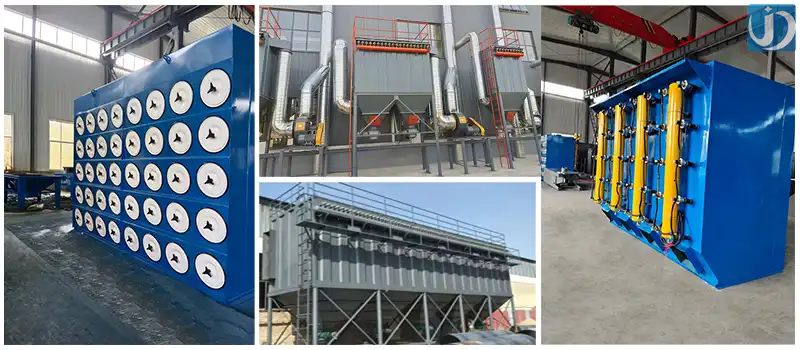
It falls to the chamber floor and is picked up by a salvage conveyor. It is then lifted back up to the blast wheel bin. It goes through a separator on the way, which gets rid of the fine dust and broken grit. Particles as small as submicron ones are taken out by a pulse-jet cartridge filter system. This keeps pollution well below 20 mg/m³, which is the amount needed to meet most US regional air quality rules. This closed-loop system is good for the environment and keeps costs down.
Achieving Sa 2.5 Reliably
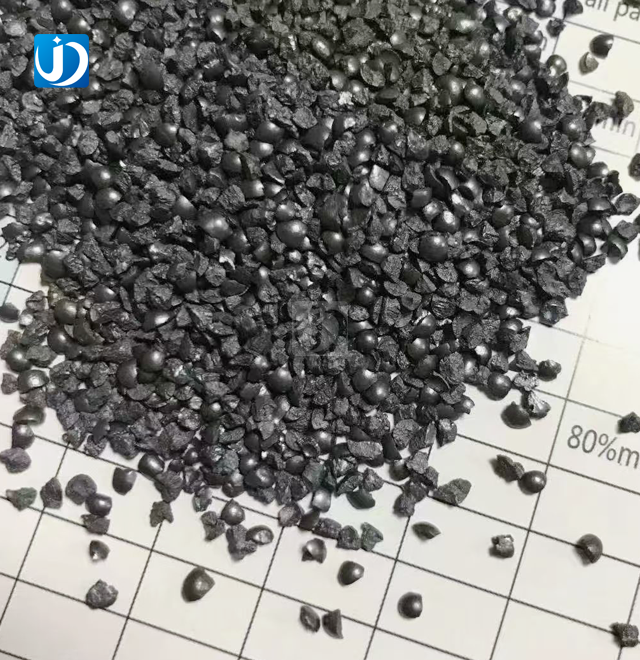
The angle of the blast wheel, how fast it spins, the type of grit that is used, and the speed of the pipe all work together as a system. Tools from Junda Machinery have a VFD (Variable Frequency Drive) that lets workers change how fast the moving parts move. They can then set the right contact time for the different types of rust and the thickness of the pipe walls. ISO 8501-1 says that Sa 2.5 is a known and repeatable result when S330 or S390 steel shot is used in normal production circumstances. It is not a positive guess.
Comparing Pipe Air Blasting Machines to Traditional Methods
Before you decide to buy, you should compare these main performance differences:
- Surface cleanliness grade: Mechanized pipe blasting reliably reaches Sa 2.5–Sa 3.0. Manual sandblasting rarely exceeds Sa 2.0 with consistent uniformity across a full pipe run. Chemical methods do not produce a measurable anchor profile.
- Processing speed: A single Junda pipe blasting line can process continuous pipe batches without the setup time that hand operations require between each pipe. For 12-meter pipes, the extended machine model maintains the same throughput as shorter pipe configurations.
- Dust and waste output: Closed-loop blasting generates dry, recyclable steel shot waste. Open sandblasting and chemical pickling generate hazardous byproducts requiring separate handling, transport, and disposal—each with associated regulatory costs.
- Labor dependency: Mechanical blasting requires an operator to load, monitor, and unload. Traditional hand methods require skilled crews per pipe, with quality varying by individual performance and shift fatigue.
Procurement Considerations for Pipe Air Blasting Machines
You have to match the machine's specs to the job's needs in order to pick the right pipe blasting tools. It's not possible for a machine that works well with 2-inch scaffolding tube to handle 24-inch oil transmission pipe without major changes to how it's set up.
Pipe Diameter and Length Range
Items from Junda Machinery that are used for pipe blasting can handle pipes that are 20 mm to 3000 mm in diameter. Longer types can fit pipes up to 12 meters long, which is what most projects that need oil and gas lines for transportation need. When you place your order, make sure you know the range of diameters and the longest pipe length that is possible. This will help you avoid capacity problems that are hard to fix after delivery and cost a lot of money.
Customization and Compliance Documentation
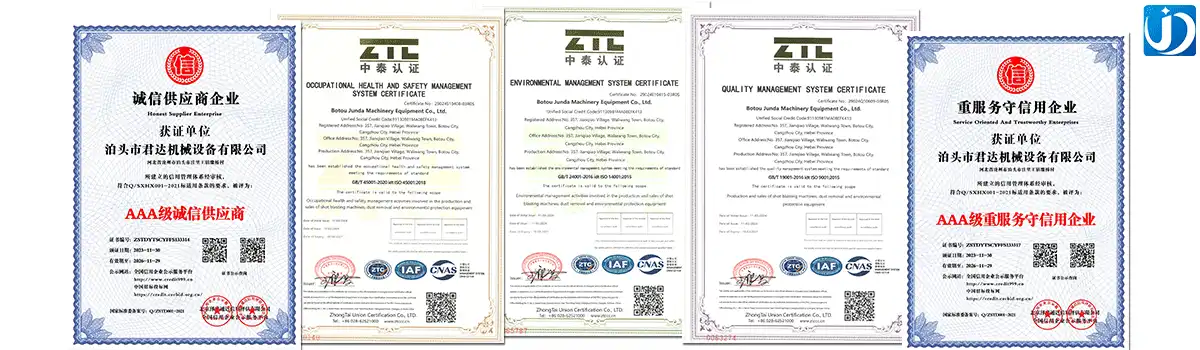
To meet U.S. standards for power, dust emissions, and paperwork needs, the pipe air blasting machine must be set up in a way that meets the needs of buying teams or OEM buyers. You can get ISO 9001, ISO 14001, and ISO 45001 certifications from Junda Machinery. They also offer technical files and test results that can help you get CE certification and meet other requirements for entering new markets. When you order something from outside the US, it always comes with full English instructions and movies on how to do upkeep.
Delivery, Installation, and After-Sales Support
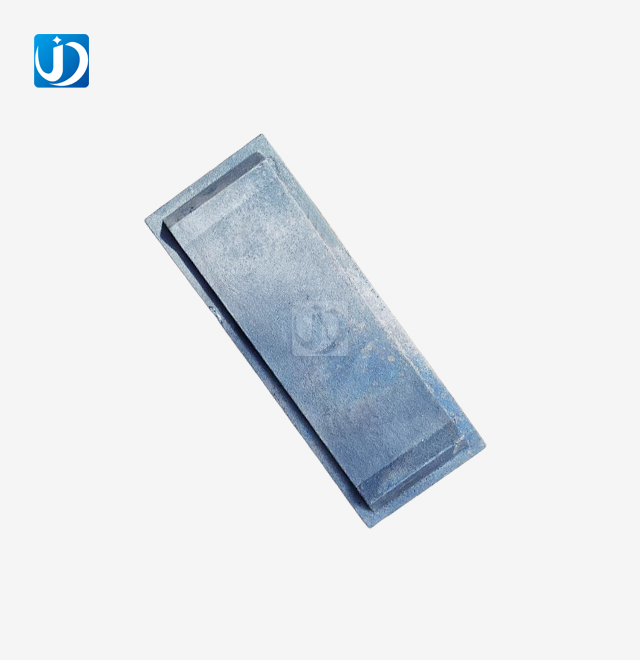
It depends on the details, but most personalized gear takes about 15 days to make. There is remote help for setting up, commissioning, and training for the operator. Original extra parts can be ordered in large quantities and for a long time. Some of these are blast wheel blades that last between 500 and 800 hours and high-chromium wear plates with an HRC number of 60 or higher. It takes between 6 and 8 hours for answers to customer questions to arrive.
Maintenance, Safety, and Troubleshooting Tips
Keeping a pipe blasting machine running at full capacity requires consistent attention to a short list of high-impact maintenance tasks.
Wear Part Inspection Schedule
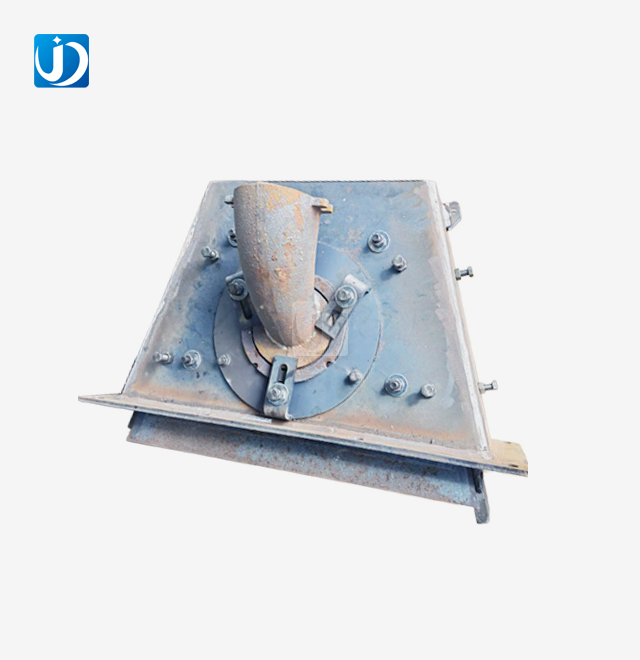
Blast wheel blades, directional control cages, and internal liner plates absorb continuous abrasive impact. Inspecting blade thickness weekly and replacing blades before they reach minimum thickness prevents wheel imbalance, which causes vibration-induced bearing and shaft fatigue. High-chromium alloy liners typically outlast standard manganese steel by a factor of three to five, reducing replacement frequency and downtime.
Dust Collector Maintenance
Pulse-jet cartridge filters require periodic pulse-cleaning cycle verification and filter element replacement. A clogged filter raises internal chamber pressure, reduces abrasive separation efficiency, and pushes emissions above permitted limits. Logging differential pressure readings daily takes less than a minute and flags filter degradation before it becomes an operational or compliance problem.
Troubleshooting Uneven Cleaning
Uneven surface preparation on the pipe's circumference usually points to one of two causes: an incorrectly positioned directional cage (the "hot spot" adjustment that controls where abrasive contacts the pipe) or inconsistent pipe rotation speed due to roller wear or drive belt slippage. Both are straightforward to correct once identified. Junda Machinery's remote technical support team can diagnose most issues from machine data and video without requiring an on-site visit.
Conclusion
It is clear that automated pipe blasting with a pipe air blasting machine is better than traditional ways of cleaning in almost all production cases where Sa 2.5 is needed by contract. This is true for surface quality, output, labor costs, and following environmental rules. There is no need for these teams to decide if they want to make the change. They only need to find the machine configuration that works best for their pipe range and project schedule. The pipe blasting systems made by Junda Machinery are made to answer that question. They come with all the technical paperwork needed for both U.S. and foreign projects and can be set up by diameter, length, and production rate.
FAQ
What abrasive size is correct for Sa 2.5 pipe preparation?
S330 or S390 steel shot works well for general descale to Sa 2.5. Some coatings need a rougher surface (Rz > 70 microns). Adding angular grit to the abrasive mix makes the surface rougher without changing much about how the machine is set up.
Can the machine process both internal and external pipe surfaces?
This type of blast wheel is used to work on the outside of things. To treat the inside of walls, special gas or hydraulic lance devices are used. Junda Machinery can set up either one, depending on what the project needs. During the first technical conversation, make sure to confirm what needs to be done for internal processing.
How is dust emission kept within legal limits?
The multi-stage pulse-jet cartridge filter stops pollution below 20 mg/m³ by catching particles as small as 0.5 microns. This meets the needs of most U.S. state air quality licenses for indoor manufacturing activities.
What pipe materials can the machine handle?
People often use ERW pipe, scaffolding tube, seamless steel pipe, pipe for oil and gas transport, pipe for chemical plants, and pipe that has already been coated. The roughness of the material and the pipe wall's width affect the abrasive choice, but they don't limit what the machine can do.
What causes uneven cleaning results?
More often than not, it's because the cage isn't facing the right way or the pipe's speed changes as it's being moved. Both of them can be fixed during commissioning or with help from a remote troubleshooter.
Get a Custom Pipe Blasting Solution from Junda Machinery
If you need to prepare the surface of a pipe, you should get a machine that is made to fit the pipes' size, the amount of work you need to do, and the standards you need to meet for approval. Junda Machinery has been making specialized pipe air blasting machines for 20 years, so they can make tools that fit your needs for pipe length, pipe diameter, and Sa 2.5 documentation. Send an email to junda001@jundablast.com or visit jundablast.com to get a technical proposal and production schedule from our engineering team.
References
1. Society for Protective Coatings (SSPC). SSPC-SP 10/NACE No. 2: Near-White Metal Blast Cleaning. 2019.
2. International Organization for Standardization. ISO 8501-1: Preparation of Steel Substrates Before Application of Paints and Related Products — Visual Assessment of Surface Cleanliness. 2007.
3. NACE International. NACE SP0188: Discontinuity (Holiday) Testing of New Protective Coatings on Conductive Substrates. 2006.
4. Occupational Safety and Health Administration (OSHA). Occupational Exposure to Respirable Crystalline Silica — Final Rule (29 CFR 1926.1153). 2016.
5. Keane, J. D., and Weaver, R. E. F. Good Painting Practice: SSPC Painting Manual, Volume 1. Society for Protective Coatings, 2000.
6. Appleman, B. R. "Corrosion Protection by Coatings and the Role of Surface Preparation." Journal of Protective Coatings and Linings, 2004.

USER EVALUATE
Real feedback and practical experience shared by worldwide partners who purchased our machinery and environmental treatment devices.