


_1786959752558.webp)
Mini Shot Blasting Machine for Small Parts: Applications and Benefits
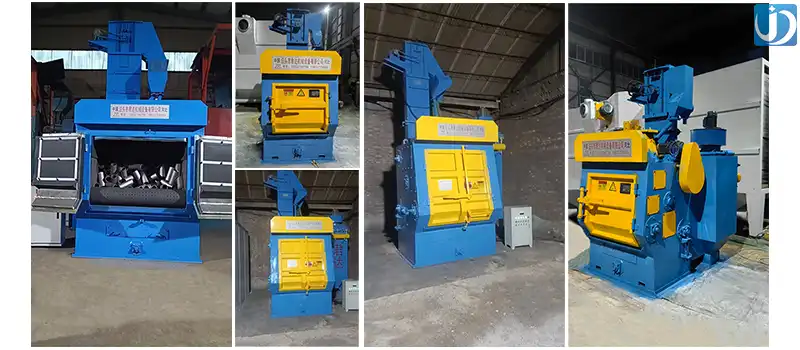
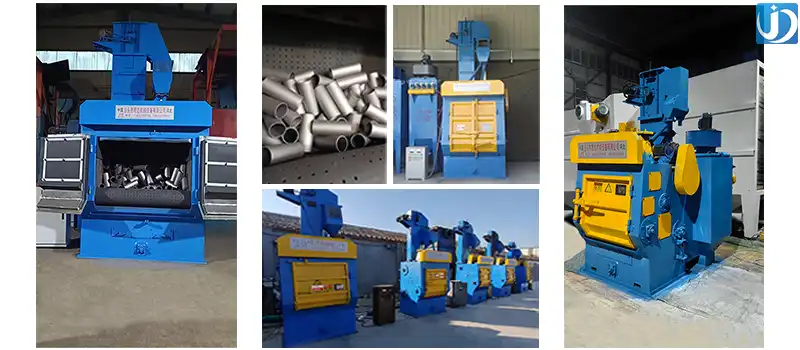
If you run a small metal shop, hardware factory, or auto parts workshop, surface rust and burrs are a daily headache. A mini shot blasting machinea gives small manufacturers a practical, affordable way to bring rust removal and surface preparation in-house — no outsourcing, no waiting. These compact units project steel shot at 55–80 m/s, process 0.3–5 t/h, and fit into tight floor spaces without requiring a pit. Whether you make fasteners, mold parts, or automotive small components, this guide explains what these machines do, where they work best, and how to pick the right one.
Understanding Mini Shot Blasting Machines
What Is a Mini Shot Blasting Machine?
A mini shot blasting machine is a small device for treating surfaces that pushes metal abrasive media, like steel shot or cut wire, at high speeds against the surfaces of workpieces. The media is spun outward by the centrifugal blast wheel, which quickly removes rust, scale, and burrs from metal parts. The process is mechanical and can be repeated, unlike chemical pickling or grinding by hand. It creates a uniform base shape that coatings and platings can safely bond to.
Core Components You Should Know
These three groups are used by all units: the blast wheel assembly, the abrasive recirculation system, and the dust collection unit. A motor with power between 7.5 kW and 45 kW turns the blast wheel. The inside of the chamber is protected by wear-resistant liner plates and alloy blades. A closed-loop steel shot recovery circuit automatically gathers, sorts, and sends back to the wheel reused media. This keeps the floor clean and the costs of operation low.
How It Differs from Sandblasting
Sandblasting uses compressed air and grit that can be thrown away. Sand breaks down quickly, making fine silica dust that can be harmful to workers' health. A small shot blasting machine reuses its steel media hundreds of times, works inside a fully sealed, noise-dampening cabinet, and makes a lot less particulate matter that gets into the air. This difference is important for shops that work near residential areas or have to follow dust regulations.

Applications of Mini Shot Blasting Machines for Small PartsAutomotive and Hardware Components
Small auto parts like brake clamps, bolts, and valve bodies have mill scale and surface oxides that make it hard for coatings to stick properly. These parts are cleaned to almost-white metal (Sa 2.5) in one pass by a small shot blaster. Hardware factories that make hinges, lock bodies, and handles say that they can turn around orders two to three days faster when they do the work themselves instead of sending them out.
Fasteners, Mold Parts, and Foundry Castings
mini shot blasting machineas are used to smooth out threaded surfaces before they are zinc-plated or hot-dip galvanized by companies that make fasteners. Mold repair shops like that the multi-angle blast plan can clean tool steel and aluminum alloy parts without losing any of their shape. This is because it can reach places that hand tools can't. Small foundries that work with blanks made of cast iron or forged steel use these machines to get rid of sand and scale before they machine the blanks.
Laboratory Sample Testing and R&D
Some places that test materials, like schools and corporate R&D labs, treat specimen coupons in small batches with a special treatment before they are put through tests for adhesion, corrosion, or fatigue. Because the machine always does the same thing to the parts, test results are similar from batch to batch. Because of this, small mini shot blasting machine systems are a reliable part of quality control processes, not just production lines.
Benefits of Using Mini Shot Blasting Machines
A lot of the time, small manufacturers think about whether the investment is worth it. The answer comes down to three clear benefits.
Before you pick, here are the main benefits you should think about:
- Uniform surface quality: The multi-angle blast layout directs shot from several positions simultaneously, achieving 360° coverage with no blind spots on small workpieces. This removes the uneven finish that hand grinding leaves behind and improves coating adhesion scores in pull-off tests.
- Closed-loop media recovery: Steel shot recirculates automatically. Consumption per ton of parts processed is a fraction of expendable abrasive cost. Reduced manpower — one operator can run the machine and handle other tasks simultaneously — lowers labor cost per part.
- Enclosed, low-dust design: Multi-layer seals on doors and media passages prevent shot and dust from escaping the cabinet. The integrated dust collector captures fine particles before they reach the breathing zone, keeping air quality within OSHA permissible exposure limits for nuisance dust.
Equal quality of the surface: The multi-angle blast layout directs the shot from several places at the same time, so there are no blind spots on small parts and the area is fully covered. This gets rid of the rough surface that hand grinding leaves behind and raises the scores for coating stickiness in pull-off tests.
Maintenance Tips and Safety Precautions
Routine Inspection Points
Before each shift, look at the blades and impellers of the blast wheel. When blades get worn, they slow down the shot and make the finish uneven. To keep the blast pattern even, replace them in sets instead of one at a time. Check the liner plates once a month; thin or cracked plates let mini shot blasting machinea get to the machine housing. Make sure the filter in the dust collector isn't jammed. A clogged filter raises the pressure in the chamber and forces dust out through the openings.
Preventive Maintenance Schedule
Replace high-wear parts like blades, impellers, and motion control cages every 500 to 800 hours of use. Depending on the manufacturer, you should grease the wheel shaft bearings at certain times. Check the media divider screen for tears that let large pieces back into circulation; surface pitting is caused by broken shot. Keep track of when things need to be replaced. A simple paper log can help you find wear patterns and order new parts before a breakdown stops work.
Safety Protocols for Operators
When operating a machine, workers must wear safety glasses and earplugs. Do not open the blast cabinet while the wheel is turning. If your machine does not already have one, add a door interlock. Clear the area around the machine of any rags or loose clothing that could get into the vents. Read the English-language operation manual that came with the machine. If you're an international customer and would rather see how to do something, Junda Machinery offers video commissioning guidance.
How to Choose the Right Mini Shot Blasting Machine for Your Needs
Match the Machine to Your Parts
Before you ask, measure your biggest piece of work. A machine that is made for fasteners won't be able to fit a mold insert that is 300 mm across. Make sure that the shape of the part fits the conveyor or loading system. Tumble-drum models work best for large, small parts like bolts, while hanger or turntable models work best for flat or complicated shapes. Most of the time, people who regret buying something did so because they misread the part's measurements.
Evaluate Power Supply and Floor Space
Most small shot blasting machines need three-phase power. Before you order, make sure your shop has the right voltage and amperage. Power installed varies from 7.5 kW to 45 kW based on the size of the type. The floor space they take up varies, but small models can fit in a 4 m² space. There is no need for a floor pit, which makes installation a lot easier in small workshops with concrete slabs.
Assess Supplier Support and After-Sales Coverage
A machine is only as effective as the people who keep it running. Make sure the seller gives you English instructions for how to use the equipment, help with setting it up remotely, and a clear way to get extra parts. Find out if the wear parts you need, like blades, liner plates, and separator screens, are close by or if they can be shipped quickly. Junda Machinery sells original spare parts and gives remote expert help, which lowers the risk of downtime for buyers from other countries.
Conclusion
Small manufacturers can directly prepare surfaces with a compact mini shot blasting machinea system. This cuts down on the cost of outsourcing, shortens wait times, and lets them take on jobs that need to be finished in-house. It's important to make sure that the machine's capacity matches the parts you need, that your power source works, and that you choose a supplier with easy access to help after the sale. The right machine pays for itself in a production cycle that most small shops can easily plan around, whether you make bolts, mold parts, or hardware for cars.
FAQ1. What abrasive media works with a compact shot blasting machine?
Steel shot (S110–S330) and cut wire shot are the standard media for small-part cleaning. Steel grit suits applications needing a rougher surface profile for heavy coatings. Ceramic or stainless-steel shot is available for applications where ferrous contamination is not acceptable, such as stainless-steel parts or food-contact components.
2. Can these machines handle thin or delicate parts without deformation?
Yes, with correct media selection and blast intensity settings. Reducing wheel speed and using lighter shot (S110 or finer) minimizes impact energy on thin-walled parts. Test a sample batch first — most suppliers will accept sample parts for trial blasting before you commit to a machine configuration.
3. How often should steel shot be replaced or replenished?
Steel shot degrades gradually into fines that the separator removes automatically. Replenish media when the working mix drops below the recommended fill level — typically every 50–100 operating hours depending on throughput. A full changeover is rarely needed unless you switch between steel and non-steel media.
4. Does the machine require special electrical installation?
Most models run on 380 V / 50 Hz or 460 V / 60 Hz three-phase power. Junda Machinery configures the voltage to the buyer's local standard before shipment, so no rewiring is needed on arrival.
Get a Quote from Junda Machinery — Mini Shot Blasting Machine Supplier
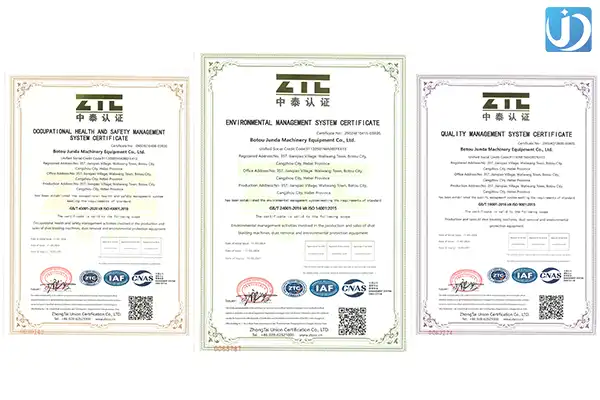
Junda Machinery is based in Botou, Hebei, which is known as China's center for making mini shot blasting machinea equipment. The company has built and sent small blast cleaning systems to small parts workshops all over North America and other places. You can count on us as a manufacturer of mini shot blasting machines because we are ISO 9001 certified, have been in business for 20 years, and have a normal wait time of about 15 days. To get a sample test or formal quote, email junda001@jundablast.com with the size and number of parts you need made.
References
1. Rossi, S., & Fedel, M. — Surface Treatment and Coating Adhesion on Carbon Steel, Progress in Organic Coatings, 2018.
2. ISO 8501-1:2007 — Preparation of Steel Substrates Before Application of Paints and Related Products, International Organization for Standardization, 2007.
3. Parkes, D. — Shot Blasting Technology in Metal Fabrication, Welding and Cutting Journal, 2019.
4. American Foundry Society — Casting Surface Finishing Manual, AFS, 2016.
5. Seavey, M. — Abrasive Blast Cleaning for Industrial Maintenance Coatings, JPCL (Journal of Protective Coatings & Linings), 2020.
6. OSHA Technical Manual, Section III, Chapter 3 — Surface Preparation and Coating Operations, U.S. Department of Labor, Occupational Safety and Health Administration, 2021.

USER EVALUATE
Real feedback and practical experience shared by worldwide partners who purchased our machinery and environmental treatment devices.