How to Choose the Right Mini Shot Blasting Machine for Your Workshop
To choose the right mini shot blasting machine for your workshop, start with your parts, not the brochure. Measure your largest workpiece, note its material and weight, and estimate how many pieces you clean each day. Then match those numbers to the machine's capacity, motor power, dust control, and shot recovery. Check that your shop has the right electrical supply and floor space, and confirm that spare parts and support are easy to reach. In this guide, I explain each step in plain language so you can buy with confidence.
Understanding Mini Shot Blasting Machines: Essentials and Working Principles
What a Mini Shot Blasting Machine Does
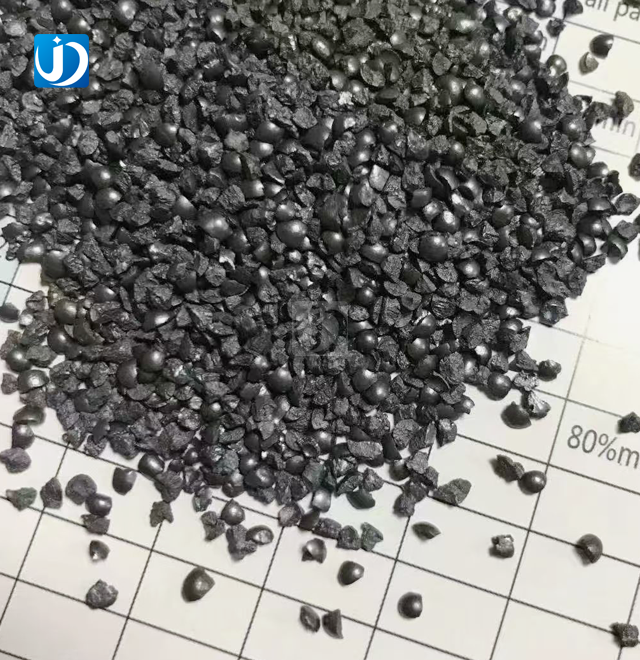
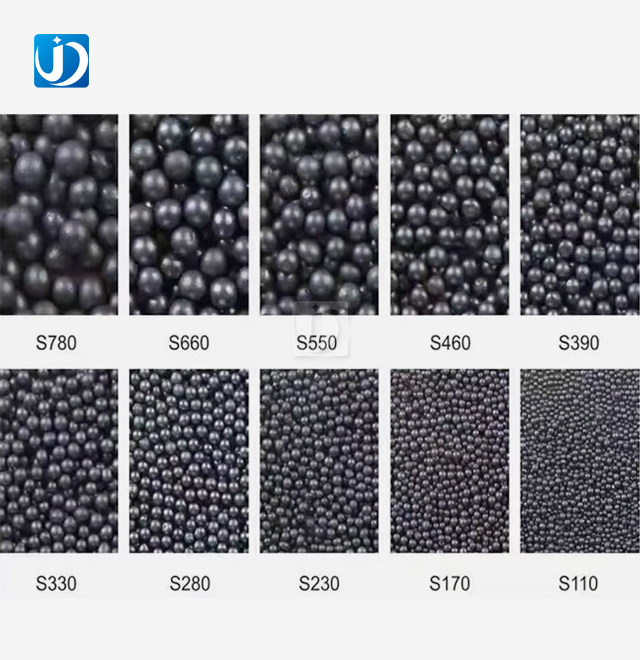
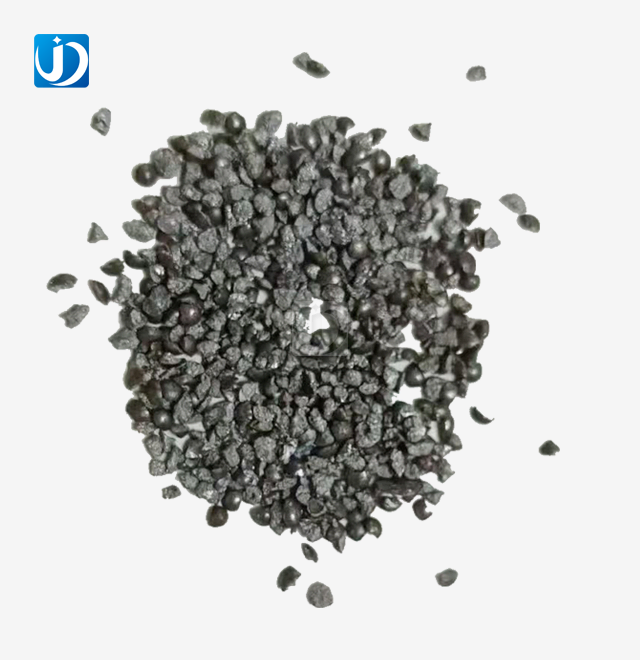
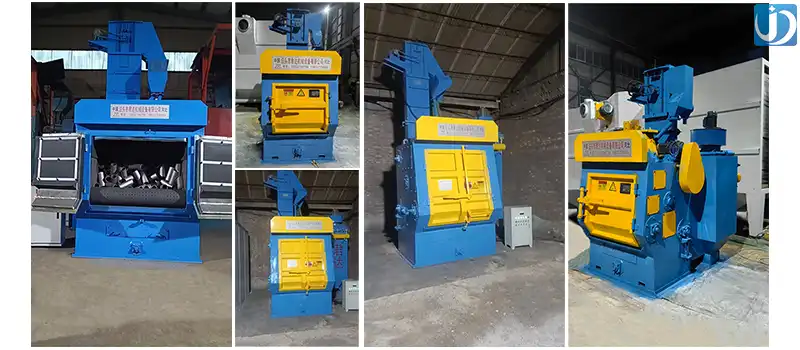
If you want to clean something, a mini shot blasting machine is a small, closed system. To get rid of rust, scale, sand, and burrs, small steel shots are thrown at metal parts. Small models from Junda Machinery can throw at speeds of 55 to 80 m/s, have set power of 7.5 to 45 kW, and process 0.3 to 5 t/h. These tools can be used to make small castings and forgings, hardware fittings, small car parts, screws, and mold parts. Now that the surface is clean and rough all over, it's ready to be painted, plated, or coated. As a general rule, coating needs a grade like Sa 2½ from ISO 8501-1, which means "very thorough blast cleaning."
How the Process Works Step by Step
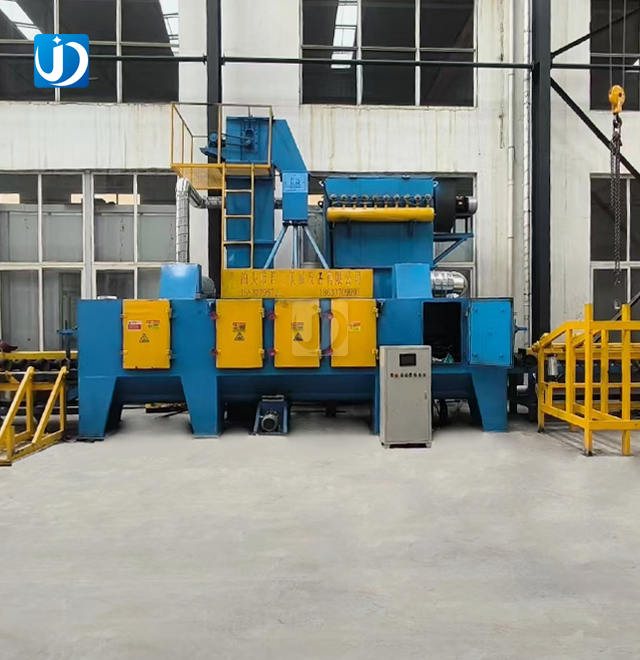
It is simple to do. You close the door to the sealed room and put parts inside. A engine turns the blast wheel, and centrifugal force throws the shot quickly off the blades. The machine can hit small parts from all sides because it is set up to blast from different angles. The spent shot, rust, and dust are collected by a closed-loop recycling device. That machine separates the shot that can be used from the shot that can't be used. It then sends the clean shot back to the wheel. The dusty air is sucked out of the cabinet by a dust collector. Blades made of alloy and liners that don't wear down keep dust and shot inside the machine.
Shot Blasting Compared With Sandblasting
Sandblasting uses compressed air to push grit through a tube. The result is different because of the large air compressor and the speed and goal of the user. Shots are mechanically thrown from set places during wheel blasting, so the effects are the same every time. If you add up all the milligrams of silica that workers are exposed to in eight hours, that's how much the 2016 OSHA silica rule says. Silica isn't in steel shot, but sand left on casts can still make silica dust, so it's still important to gather the dust. Still, it works well to fix both big and small things. A mini shot blasting machine is often the best way to work with groups of small parts because it saves time and effort.
Key Criteria to Evaluate When Choosing a Mini Shot Blasting MachineStart With Your Parts: Size, Material, and Volume
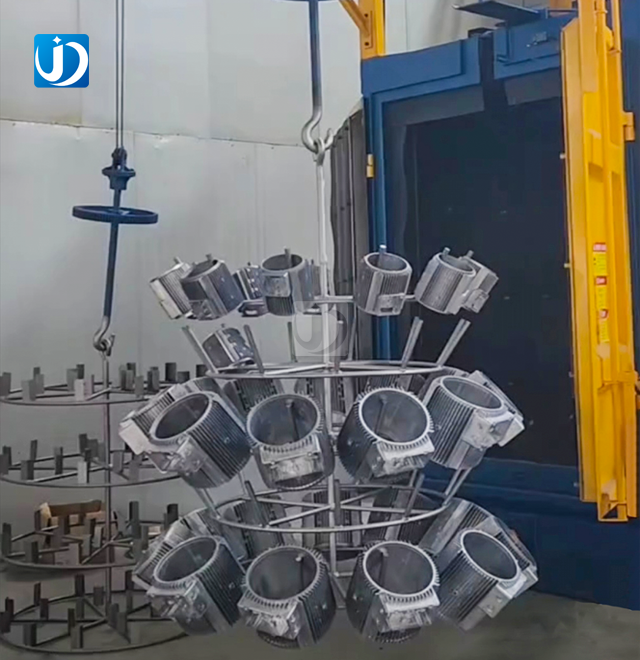
For each piece you want to clean, write down its length, width, and weight, as well as any hooks or baskets. Check to see how those numbers match up with the barrel's opening and maximum load. Leave some space because people often buy things that are too big or too small. Next, write down everything you have. Before you place your order, tell the seller what you need. Forges made of cast iron and steel can handle steel shot well, but parts made of thin sheet or aluminum need to be set up more carefully. Finally, add up how much weight you work out every day. During busy weeks, you should choose a mini shot blasting machine instead of during slow weeks so that it doesn't get in the way.
Performance Numbers That Matter
How hard the shot hits depends on how fast you throw it. Water speeds between 55 and 80 m/s can be used to clean tough scale off of forgings and sensitive parts. This is based on the size of the wheels and the amount of work that needs to be done. The power ranges from 7.5 kW to 45 kW. This number, which is between 0.3 and 5 t/h, tells you how much weight the machine can move in an hour. Check out the worn-out parts too. Because they are used every day, the metal blades and wear-resistant plates last longer, and shot leaks are stopped by multi-layer seals. Find out how the seller checked throughput on parts that are like yours. How long it takes to clean depends on how much rust is on the part and its shape.
Power, Space, and Dust Control
First, check where your power is coming from. Three-phase, 60 Hz power at 208, 230, 460, or 480 volts is used in many shops in the US. Junda Machinery can set up tools to work with the voltage standards in your area. Get a base plan and make sure you need a pit next. You should still be able to open the doors, add more shot, and empty the dust collection on a small machine. Noise and dust are also important for safety. Over 85 dBA and up to 90 dBA is the noise level that OSHA says must be stopped for eight hours. That's what you can do with the help of a fully sealed box that blocks out noise.
Cost of Ownership, Downtime, and Certifications
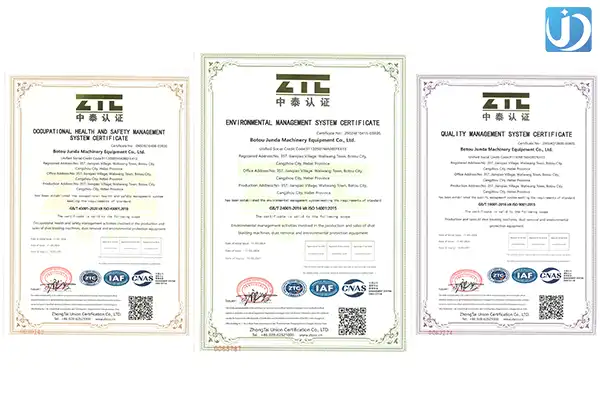
Take a look at something else besides the bill. Power, new shot, worn parts, filter changes, and the user's time are all things that the machine costs money to run. It is important to make sure that blades, covers, and seals are standard, replacement parts that can be easily sourced. If they break, you lose money. Don't forget to ask for proof of quality. You can get ISO 9001, ISO 14001, and ISO 45001 certifications from Junda Machinery. They can also help you with CE certification and specialized papers. Check to see if the control panel meets the requirements of the electrical tester in your area as well. You can tell how a business will handle problems in the future by reading their clear written answer.
Comparing Popular Mini Shot Blasting Machine Types and BrandsManual and Automatic Operation
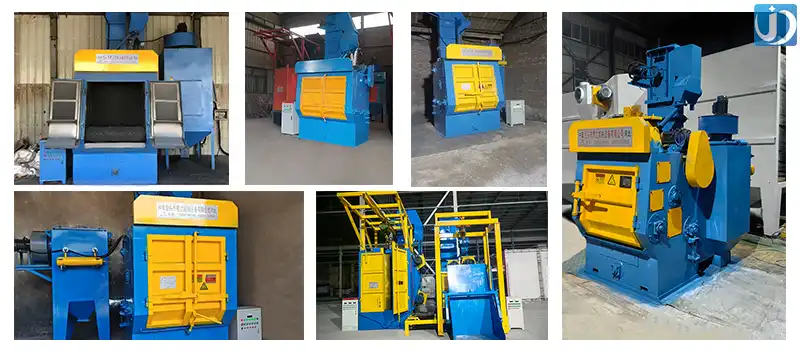
You can use strange forms when you load and aim by hand, but the results depend on who is playing. The pattern of the blast is set by automatic systems that fire set rounds. This way, it takes less work to treat each batch the same way. These mini shot blasting machines from Junda are simple to use and can automatically recover shots, so the owner or one trained worker can do it. That's important in a small shop where no one wants to put shot back into a hopper. Find out if the cycle times can be changed and if there are fittings that can hold parts in place if you work with a lot of different shapes.
Wheel Blasting, Air Blasting, and Micro Blasting
There are various ways to complete a task. A lot of shot can be moved at once with wheel blasting, which is good for groups of small castings, forgings, and bolts. With a hand-held tool and compressed air, air blasting cabinets like the ones made by Clemco can clean up small areas and get rid of germs. Nano-abrasive blasting is often used on small parts in labs to get very precise work done. It has very small needles and very fine media. A wheel cleaner is the best way to clean the same parts every week. If your work isn't always the same, an air blasting box might be better for you.
Checking Brands and Suppliers
Not only the machine should you look at it. Wheelabrator makes well-known air blast cases and Wheelabrator makes well-known wheel blast tools. Botou, Hebei, is also known as China's base for foundry machinery and dust removal equipment. This is where a small wheel blasting system is made. Junda Machinery has been making shot blasting gear for 20 years. On top of that, they have English-language operation manuals, maintenance videos, and a steady supply of original spare parts for all of their machines. Within 6 to 8 hours, our team will answer your questions. When you talk to different suppliers, you should ask them the same questions about their warranties, how long it takes to get spare parts, offer installation help, and train operators.
Maintenance Tips and Safety Guidelines for Long-Term Machine Efficiency
Daily and Weekly Maintenance
Short, regular checks can keep you from having most breakdowns. Check the shot level and look for leaks around doors and seals every day. Get rid of the dust before it gets full as well. Every week, look for wear on the blades, plates, control cage, belts, and nuts. All of the blades should be changed at the same time to keep the wheel steady. A wheel that isn't balanced shakes and the bearings wear out faster. When it says to lubricate in the manual, do it. Also, keep a simple log of run hours, parts changed, and shot added. That log helps you know when to repair parts that are worn out and lets our support team see what's wrong from away. This helps maintain your mini shot blasting machine for the long term.
Common Faults and Quick Fixes
A lot of mistakes are easy to figure out what caused them. It could be that the blades are worn, the shot flow is low, or the fines are made from broken shot. If dust is escaping, check the door locks and filter. If the machine starts to shake, stop it and check the blades for any strange wear or missing pieces. The shot on the floor was probably caused by a worn seal or liner. Picture or record a short film of the issue before you call. Little shops that don't have a repair engineer on staff can get help from Junda Machinery to fix problems and set up machines from afar.
Operator Safety and Training
To be safe, you must first be trained. The people who use the machine should all know how to turn it on and off, where the emergency stop is, and what each alarm does. If the noise level gets above 85 dBA, you should protect your eyes and ears as well. When you change the filters or empty the dust catcher, don't breathe in. In line with 29 CFR 1910.147, OSHA says to lock out and tag out power before letting go of any guard. Door locks should always be used and should never be skipped. Steel shot on a concrete floor feels like walking on ball bearings, so quickly pick up any shot that falls.
Procurement and Purchase Guidance for B2B Clients
Choosing Where to Buy
You can buy your mini shot blasting machine from authorized dealers, online shops, or the company that makes it. You can talk to a dealer in person, and it's easy to quickly compare prices on shopping sites. You can talk to the people who made the machine when you buy it directly. They can help you with things like voltage, dust collection, and chamber size. Before you agree to buy, ask for a video of a test run, a general arrangement drawing, a parts list, and a written delivery schedule. It's easy to ship small things. Junda Machinery can ship both full containers and containers that aren't full. They also pack goods for export, handle customs, and give certificates of origin, so a small store can bring in goods without having to hire a freight expert.
New and Used Equipment
Both options have risks, so think about your plan and how ready you are to fix things.
- New tools: The safety features are up-to-date, the specs are written down, and it's easy to get extra parts. Plus, with a new machine, you can pick the power, chamber size, and dust collection that work best for your shop. That way, you won't have to make any changes in the future. The trade-off is a bigger initial investment, so make sure the machine can do the work you currently hire someone else to do before you buy it.
- Used gear: Buying a used machine might be less expensive, but you don't know how much it's been used. You might not get the savings if the worn or good bearings, liners, guards, or parts that are no longer made are used. If you decide to buy one, make sure that new blades and liners are still available. You should also ask for pictures of the inspection, records of how long it has been used, and a test run.
Negotiation, Bulk Orders, and OEM Options
Ask for a written list of what is included, like a dust collector, electrical control, first shot charge, spare wear parts, and help setting up the gun. Find out how long it will take to deliver and look over the guarantee coverage line by line. No matter what kind of machine it is, Junda Machinery can make standard or custom tools in about 15 days. You can buy more than one unit at once and ask for ODM and OEM services, like private marking, surface painting, voltage standards for the target market, and English instructions. It's faster and safer for everyone if the terms are clear from the start.
Conclusion
Before you buy a mini shot blasting machine, make sure it has the parts, power, space, and help you need. Part size, material, and daily weight are the first things that are looked at. A model can handle that load if it has the right throwing speed, engine power, capacity, and wear parts that are in good shape. For making a lot of small parts at once, wheel blasting works best. Air and microblasting, on the other hand, work best for one-time or precise jobs. There are OSHA rules about how to set up and use the equipment, as well as limits on dust and noise. The machine doesn't have much downtime because it is checked often, problems are found quickly, and workers are trained. Make sure you get a written plan, clear warranty terms, access to spare parts, and an honest comparison of new and used choices before you buy something. This will help you keep your money safe.
FAQ
How do I know whether a mini shot blasting machine fits my workshop?
Compare the largest part of yourself to the hole in the chamber and the maximum load. Then, make sure there is space around the mini shot blasting machine to open the doors, change the shot, and empty the dust collector. Before you buy something, ask the seller for a foundation drawing. You can draw or send them photos.
What maintenance should I expect?
Every day, you should check the shot level, seals, and dust collection. Once a week, you should check the blades and dividers. Parts that get worn out, like blades and seals, need to be changed every so often. You can get help with these tasks from English-language repair guides and movies for Junda machinery.
Can a mini machine fit into my existing production flow?
Some small shops do it after cutting, welding, or forging, but before painting or coating. To start, make sure you know how to handle parts, find dust, and figure out the voltage. To make the tools work for your plant, Junda Machinery can change their size, how they collect dust, how they are controlled, and even how they are painted.
Request a Mini Shot Blasting Machine Quote From Junda Machinery
Junda Machinery can help you find a mini shot blasting machine with the right parts, power, and room on the floor. Mini shot blasting machines are what we've been making for 20 years. They come with English manuals, a warranty on the whole machine, and support from far away. Send your part sizes and photos to junda001@jundablast.com, and we'll get back to you in 6–8 hours. Jundablast.com is the website where you can find out more.
References
1. OSHA, Occupational Exposure to Respirable Crystalline Silica Final Rule, 2016
2. ISO, ISO 8501-1: Preparation of Steel Substrates Before Application of Paints and Related Products, 2007
3. NIOSH, Criteria for a Recommended Standard: Occupational Noise Exposure, 1998
4. NIOSH, Hazard Review: Health Effects of Occupational Exposure to Respirable Crystalline Silica, 2002
5. ASM International, ASM Handbook, Volume 5: Surface Engineering, 1994
6. Kalpakjian and Schmid, Manufacturing Engineering and Technology, 2014

USER EVALUATE
Real feedback and practical experience shared by worldwide partners who purchased our machinery and environmental treatment devices.