Shot Blasting Unit Applications in Metalworking and Manufacturing
A shot blasting unit throws grit or steel shot at metal parts to make their surfaces clean, stronger, and ready for work. People who work with metal and make things use it to get rid of rust, scale, core sand, and burrs, get parts ready to paint or coat, and peen surfaces so parts don't wear down easily. Pieces of work that are often made are automotive parts, fasteners, bearings, and small castings. Parts don't have to be handled by hand during cleaning because of a sealed unit that is built into the production line. This article talks about how these units work, what to keep up, how to buy with confidence, and what kind of unit is best for each job.
Understanding Shot Blasting Units and Their Core Applications
How a Shot Blasting Unit Works
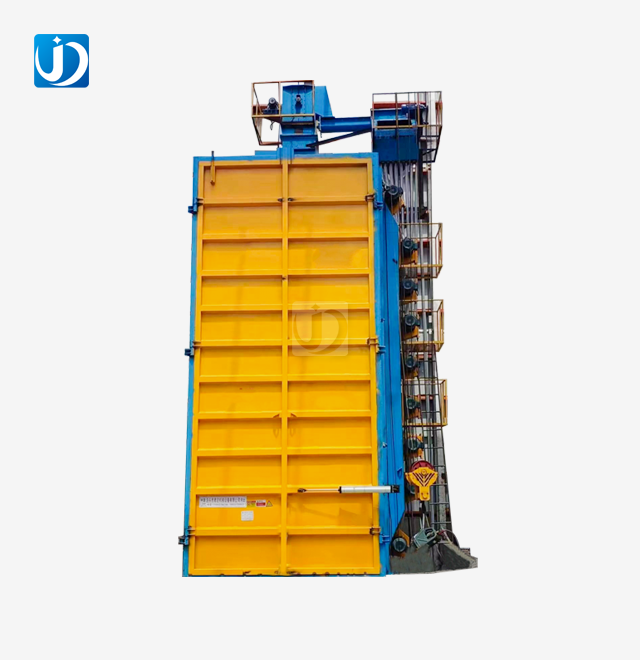
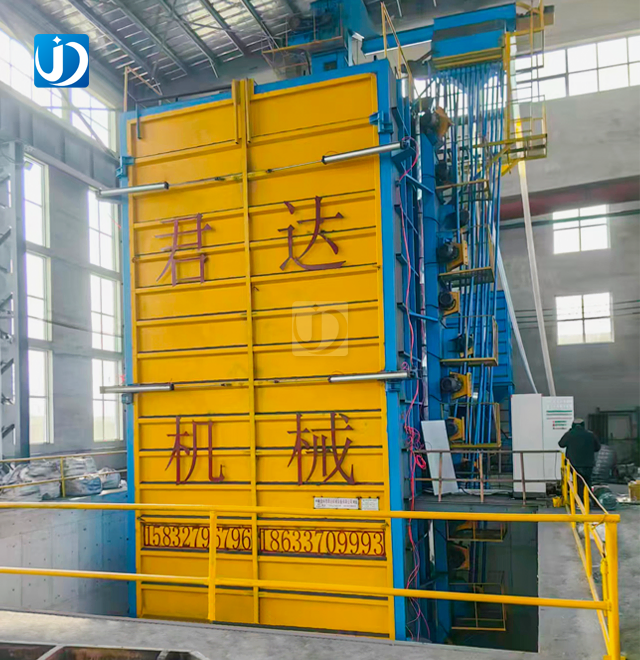
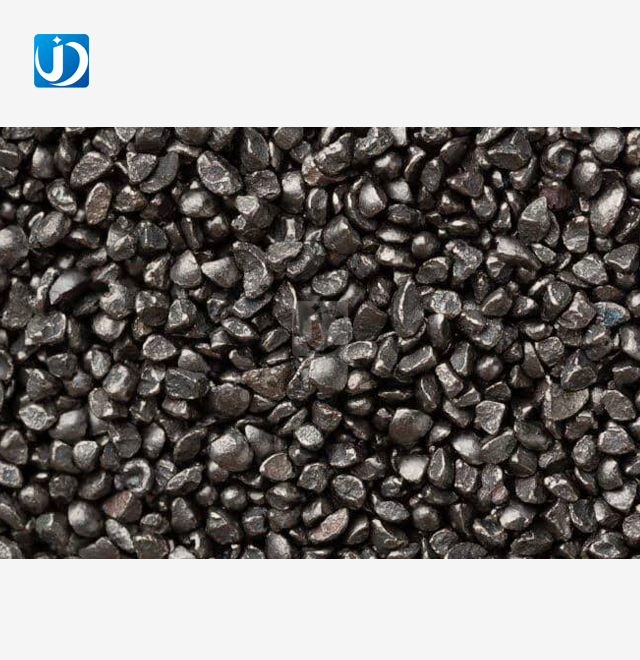
Centrifugal force is used by a shot blasting unit to clean parts. A blast wheel is turned by a motor, and steel shot, grit, or cut wire is hit by the sharp blades on the wheel. The control cage keeps track of how much media is on the blades and decides what kind of blast pattern to use. Separators and elevators get back media that can be used again while removing dust and broken pieces. The exhaust air is cleaned by a dust collector. The whole cycle is run by a PLC. With our embedded units, these parts are kept in a closed cabinet that is part of a production line. This means that operators don't have to work at an open blast station.
Core Applications: Cleaning, Preparation, and Peening
A shot blasting unit is used in most plants to do three main things. The first step is to clean the core to get rid of rust, mill scale, burrs, and any extra core sand. The second step is to prepare the surface. The impact makes the surface smooth, which makes it easier for paint and coatings to stick. The Sa 2.5 grade in ISO 8501-1 means "very thorough blast cleaning," which is a necessity in a lot of finishing standards. In the third use, called peening, controlled collisions make the top layer of metal under stress. Based on the ideas of leftover stress that were first introduced by Almen and Black in 1963, peening makes springs, gears, and shafts last longer by keeping them from wearing out.
Where Manufacturers Use It
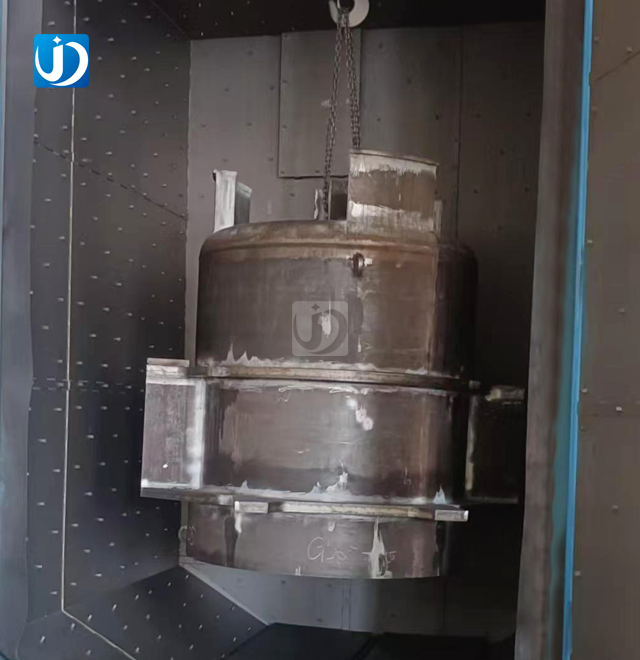
Our embedded unit is made for small castings, fasteners, automotive parts, and automotive parts. A lot of the time, these units are used to focus on certain areas, like peening a gear housing part, cleaning a weld, or getting rid of scale after heat treatment. Heavy machinery builders blast parts before putting them together or painting them, and aircraft suppliers use controlled peening that has to follow strict rules. One example is a transmission plant that puts a shot blasting unit right next to a heat treatment furnace. This way, parts are cleaned as soon as they come out of the oven, so there's no need to send forklifts to outside vendors.
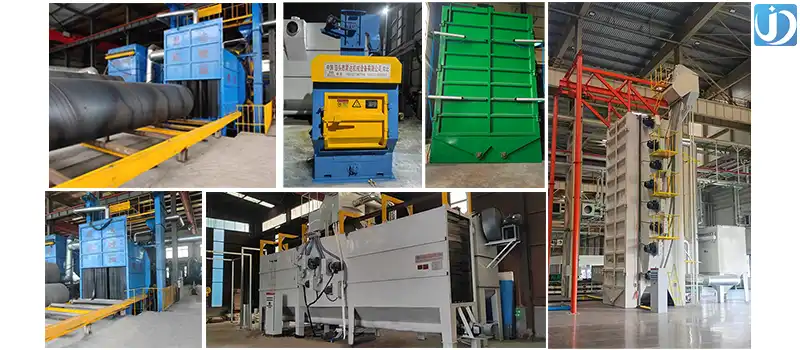
Types of Shot Blasting Units and Their Suitability for Metalworking TasksWheel Blast vs. Air Blast
In wheel blasting, media are thrown at the workpiece by a turbine that spins. When you use air blasting, on the other hand, compressed air is used to force media through a tube or nozzle. Wheel systems are great for steady production and making the same parts over and over because they can move a lot more media per minute with the same amount of energy. Air blasting is good for fine-tuning a small area, which is useful for one-time fixes and hard-to-reach places, but it needs a dedicated worker and a compressor. Our units have wheels on the top, sides, and bottom, so the blast can hit different parts of a part without the user having to aim.
Dry or Wet, Manual or Automated
Steel shot is usually used for dry blasting because the recovery system lets the media be reused. Abrasive is mixed with a liquid slurry during wet blasting to reduce dust and make the finish smoother. However, steel parts need to be dried and protected from corrosion after this process. When it comes to dealing, loading by hand works well for small amounts and a mix of parts. Parts are moved through the shot blasting unit at line speed by conveyor belts, robots, or fixtures in automated handling. So that the blast cycle works with robots, lifts, and vision systems, we can change how the PLC talks to them so that they use Profinet, EtherCAT, or Modbus.
Matching Material, Volume, and Part Size
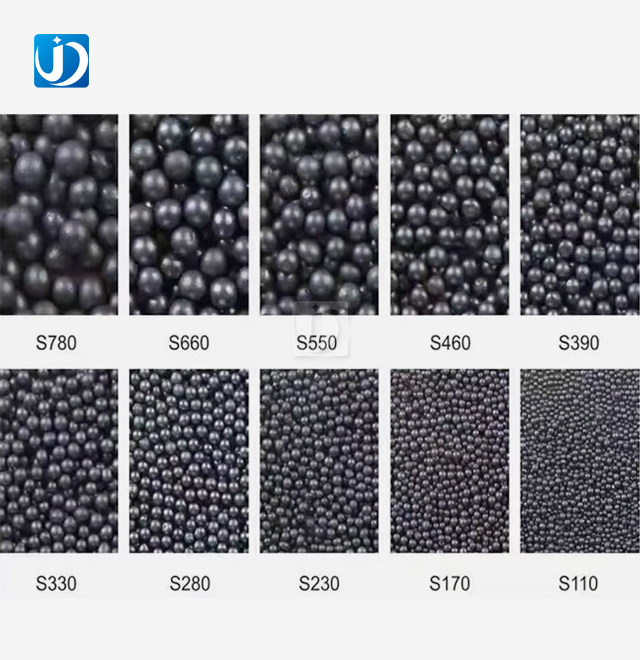
The material is the first step in the selection process. Cast iron and steel can both use hard steel shot or grit, but aluminum and soft metals need non-ferrous media and a lower intensity. This was proven by testing sample parts. Next, look at how many pieces you need to process. One of our modules can handle between 80 and 600 pieces per hour, and each unit has power between 7.5 and 55 kW. Now think about the size of the part. Embedded units work best for small to medium-sized items like fasteners, bearings, and small castings. On the other hand, big rolling conveyor plants are usually needed for long beams or wind tower sections.
Shot Blasting vs. Sandblasting and Grit Blasting
In sandblasting, natural sand is moved by a stream of air. In grit blasting, angular abrasives are moved by air or wheels. Using steel shot in a shot blasting unit gives a rounder impact that cleans and peens, and the media can be reused many times, which lowers the cost of consumables. Another important thing is safety. A report from NIOSH in 1992 said that sandblasting could cause silicosis. The OSHA silica rule from 2016 sets a strict limit of 50 micrograms per cubic meter for exposure. When makers use an enclosed unit with steel media and dust collection, they avoid silica hazards and keep the operator away from the dust.
Benefits of Using Shot Blasting Units in Manufacturing Processes
Consistent Surface Quality and Fewer Defects
When people blast by hand, their speed, angle, and level of fatigue can change, which can lead to finishes that aren't uniform between shifts. This is not a problem with an automated shot blasting unit because it uses a fixed blast pattern. Every part has the same cycle time, wheel position, and media flow. This makes sure that the surface profile is stable for coating or machining later on. Due to this uniformity, there is less need to redo work because of missed spots or coating failures. Also, if a customer asks how a part was treated, our data acquisition software can record process data to help with tracking.
Faster Cycles and Lower Labor Content
When you switch from manual blasting or processing outside the plant to an embedded shot blasting unit, you can skip steps that don't add value, like packing, shipping, and inspecting returned lots. Parts move smoothly from one station in the line to the next, so one worker can watch over the cell without having to hold a blast gun by hand. Planners can fit the blast step to the line takt time with a module that can handle 80 to 600 pieces per hour. So, workers move from doing the same cleaning tasks over and over to more useful roles like loading, monitoring, and maintenance.
Cleaner Air, Safer Work, and Media Recycling
The blasting process takes place inside a closed box that sends dusty air to a collector. This keeps the particles from getting into the work area. The recovery device takes back media that can be used and gets rid of dust and fines. This cuts down on waste and abrasive use. We also make equipment for getting rid of industrial dust, and our monitoring system keeps track of how well the collectors are working. This is very important for U.S. plants that need to follow OSHA exposure limits and local air permits. Also, compared to open blast stations, enclosed units make less noise and protect nearby workers from flying media.
Core Advantages of Our Embedded Unit
Here are the core advantages of our embedded unit:
- Flexible integration: The inner module can connect to robots, conveyors, and vision systems, and we can customize PLC communication for Profinet, EtherCAT, or Modbus. Mechanical and electrical interfaces stay open, so integrators can pair the unit with existing automation brands. Our engineers review each interface drawing with you before production.
- Multi-wheel layout: The cabinet features blast wheels on the top, sides, and bottom, allowing the unit to work on multiple faces of a part simultaneously. Power ranges from 7.5 to 55 kW per unit, and depending on the part, one module handles 80 to 600 pieces per hour.
- Private label and ODM: We offer ODM and OEM manufacturing, including private labeling, custom dimensions, dust collection systems, control systems, and surface painting. We also adjust configurations for local voltage standards to help brand owners and integrators. The final design is shaped by local environmental rules and factory conditions.
These features address the interface mismatches and rework that often slow down line integrations.
Maintenance, Safety, and Operating Tips for Steady Shot Blasting Unit Performance
Daily to Monthly Maintenance Routines
Most breakdowns can be avoided with regular upkeep. Check the door seals, media leaks, and the dust collector pressure gage every day to make sure everything is okay. Every week, check the belts and bolts and look for wear on the control cage, the blades, and the liners of the shot blasting unit. Check the elevator's tension, clean the separator, and look for wheel wobble once a month. You should change these times based on the type of media you use and the hours it's on. We offer detailed maintenance guides and English-language repair videos.
Media Inspection and Replacement
Because media naturally wears down when it's recycled, most people use a mix of new and used media. You need to keep checking the mix to make sure the particles are the right size and shape. Particles that are broken or too small weaken the finish by lowering the impact energy. It is best to keep adding new media in small amounts so that the mix stays stable. Always replace blade sets together to avoid uneven wear that can damage bearings and cause them to vibrate. To avoid downtime, keep extra blades, seals, and wheel parts on hand. We also offer original spare parts for a long time.
Operator Safety and PPE
It's important to follow safety rules even when using a shot blasting unit that is contained. Before opening doors or working on wheels, follow lockout/tagout procedures and make sure all door interlocks work. When operators empty the dust collector or clean the cabinet, they should wear safety glasses, hearing protection, gloves, and a respirator that fits properly because fine dust gathers in these places. Staff should be taught how to use the emergency stop and spot strange sounds. Shot that has been spilled should be cleaned up right away because it acts like tiny ball bearings and makes it easy to slip. A posted checklist makes sure that habits are the same from shift to shift.
Troubleshooting Clogging and Weak Blast Power
Media clogging is usually caused by water, large pieces of dirt, or a screen that is broken. Dry the disks, clean the screen, and look for leaks in the cabinet to fix this. If a wheel stops throwing as far, check for a worn impeller, a worn control cage that doesn't give enough media, or a drive belt that slips and lowers RPM. Blade wear that isn't even is often the cause of vibration. Simple wear items can be fixed on-site by maintenance staff, but electrical problems or PLC alarms may need to be fixed by a professional. We offer online help, troubleshooting, and engineer service from other countries when needed.
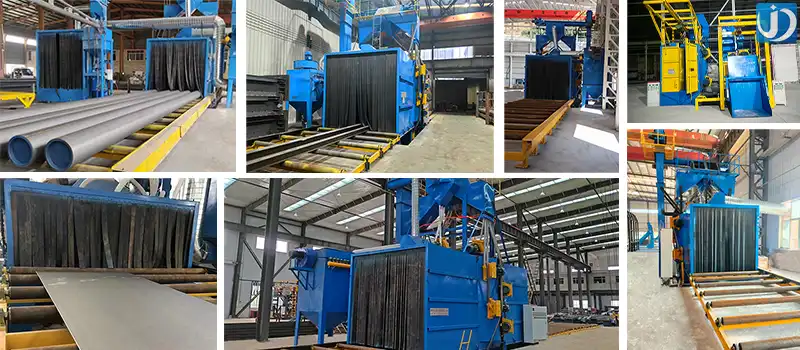
Procurement Considerations for Selecting the Right Shot Blasting UnitMatch Capacity, Power, and Automation to Your Line
First, figure out your takt time, the size and weight of the part, and the finish you want on the outside. Divide your desired output by the number of operating hours to get the number of pieces per hour that the module needs to reach. Then, compare that number to the range of 80 to 600 pieces per hour. Compare the number of wheels and the power (7.5 to 55 kW per unit) to the shape of the part. You also need to make a list of the interfaces you need, such as the PLC protocols, robot brands, conveyor heights, and power supplies. Before committing, send test parts to make sure of coverage, cycle time, and media consumption.
Compare Suppliers on Documents, Support, and Customization
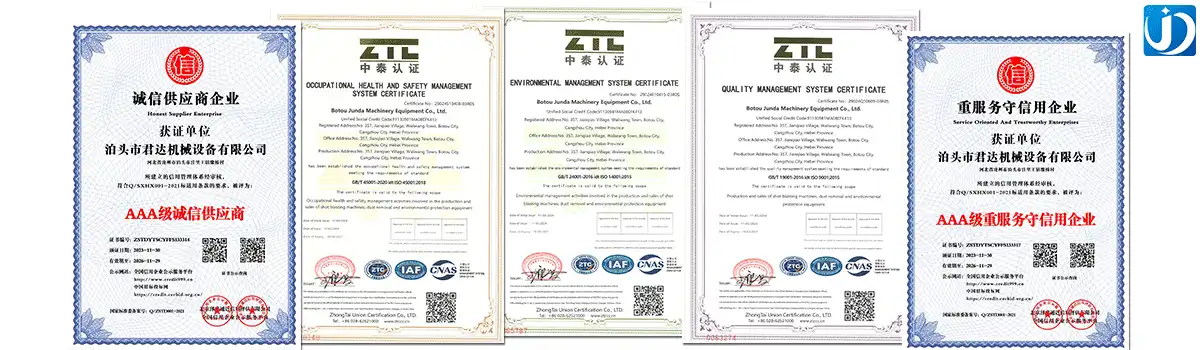
Instead of just claims, look for proof of quality. Our company is certified by ISO 9001, ISO 14001, and ISO 45001, and we offer technical documents, qualification files, and test reports for export. We have been making shot blasting equipment for 20 years and have 2 utility model patents and 7 software copyrights. It takes us about 15 days to make standard customized equipment, and we answer questions within 6 to 8 hours. Make sure the supplier gives a warranty on the whole machine, English manuals, and a reliable source for spare parts. We also deal with FCL, LCL, oversized, and export paperwork.
Buy New, Lease, or Rent
If you buy a new shot blasting unit, it will be built to your exact specifications and come with a full warranty. However, it will cost you money. When you lease something, you pay for it over time, and the terms can be different depending on the length of the job. For short-term jobs, renting machines or hiring outside workers might work, but the interfaces of a rented machine don't always match those of an embedded line, and shipping takes longer when processing is done by someone else. For a permanent production line, it's usually best to get a unit that has been set up with the interfaces you need. Talk to your financial team about these ways to get money.
Conclusion
Shot blasting units use steel shot, grit, or cut wire on blast wheels to clean, prepare, and strengthen metal parts. Embedded versions do this work on the production line. Air blasting is best for small, hand jobs, wheel blasting is best for parts that need to be done over and over, and steel media is better than sandblasting because it doesn't contain silica. The major advantages are a consistent surface quality, shorter cycles, better air quality, and the ability to reuse media. The output stays steady because the blades, media, and dust gathering are checked often. Before deciding to buy, lease, or rent, buyers should make sure that the capacity, interfaces, and documentation are a good fit for their line. They should also try sample parts and look at how well different suppliers support their products.
FAQ
What is the difference between shot blasting and sandblasting?
A shot blasting unit throws metal media, such as steel shot, using spinning wheels and recycles it through a recovery system. Sandblasting pushes mineral sand with compressed air, and the sand breaks down after use. Shot blasting is ideal for high-volume production and avoids the respiratory hazards associated with silica sand.
How often should I maintain a shot blasting unit?
Every day, check door seals, media leaks, and dust collector readings. Each week, inspect the blades, liners, and the control cage. Every month, review the elevator, separator, belts, and wheel vibration. These intervals depend on your media type and operating hours, so adjust them according to your manual and wear records.
Can I blast aluminum without damaging it?
Yes, provided you use the correct setup. Since aluminum is softer than steel, you should use softer or non-ferrous media and lower intensity, confirmed by a trial on sample parts. Note that steel shot can leave iron particles on aluminum, which may cause corrosion later, so confirm your media choice before production begins.
Request a Shot Blasting Unit Quote from Junda Machinery
Junda Machinery builds embedded shot blasting units with ODM and OEM options, private labeling, and customized PLC communication. As a shot blasting unit manufacturer with ISO 9001, ISO 14001, and ISO 45001 certifications, we produce standard customized equipment in about 15 days and reply to inquiries within 6–8 hours. Send your part drawings, target pieces per hour, and interface list to junda001@jundablast.com, or visit jundablast.com for details.
References
1. Occupational Safety and Health Administration, Occupational Exposure to Respirable Crystalline Silica Final Rule, 2016
2. National Institute for Occupational Safety and Health, NIOSH Alert: Request for Assistance in Preventing Silicosis and Deaths from Sandblasting, 1992
3. International Organization for Standardization, ISO 8501-1 Preparation of Steel Substrates Before Application of Paints and Related Products, 2007
4. ASM International, ASM Handbook, Volume 5: Surface Engineering, 1994
5. Metal Improvement Company, Shot Peening Applications, 2005
6. J. O. Almen and P. H. Black, Residual Stresses and Fatigue in Metals, 1963

USER EVALUATE
Real feedback and practical experience shared by worldwide partners who purchased our machinery and environmental treatment devices.