Shot Blaster vs. Sandblasting: Key Differences Explained
Choosing between a shot blaster and sandblasting as a way to prepare the surface will affect your production speed, the quality of the finish, and your long-term costs. A shot blaster moves steel shot at speeds of 60–85 m/s using centrifugal force. This cleans the surface to a level of Sa2.0–Sa2.5 in a single pass. Compressed air is used to push gritty materials against a surface during sandblasting. Both ways are useful for different things, and knowing the main differences between them helps procurement teams choose the right tools for their work loads and quality standards.
Understanding Shot Blasting and Sandblasting
It's important to know how each way works before you can compare them. The different builds of the tools change everything from how safe the workers are to how well the work is done.
How Shot Blasting Works
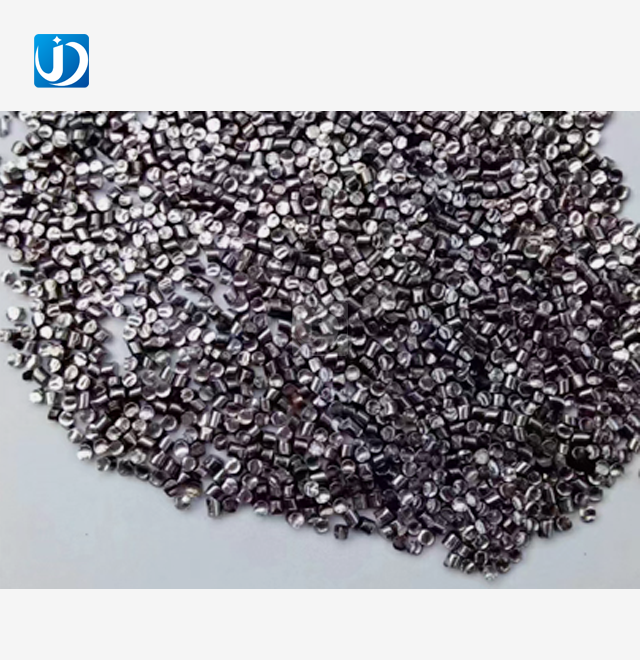
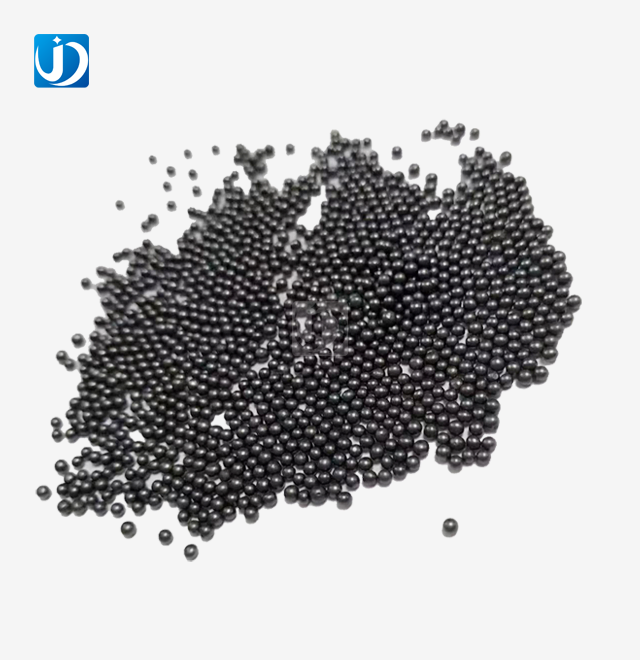
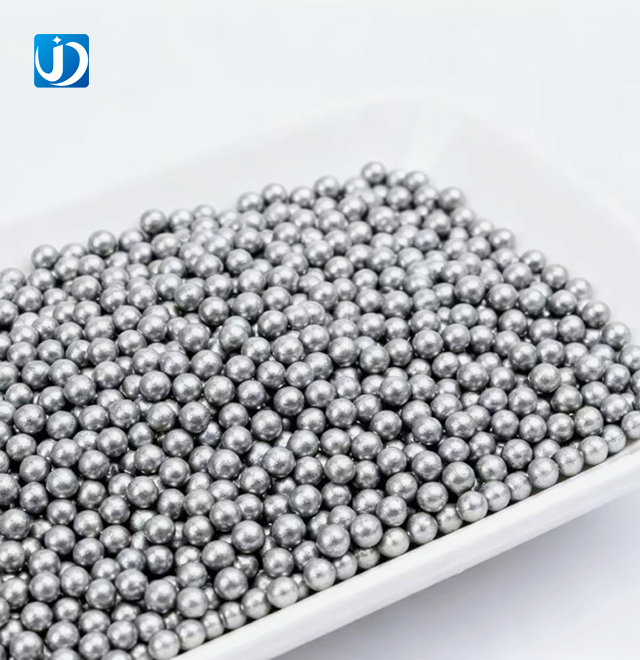
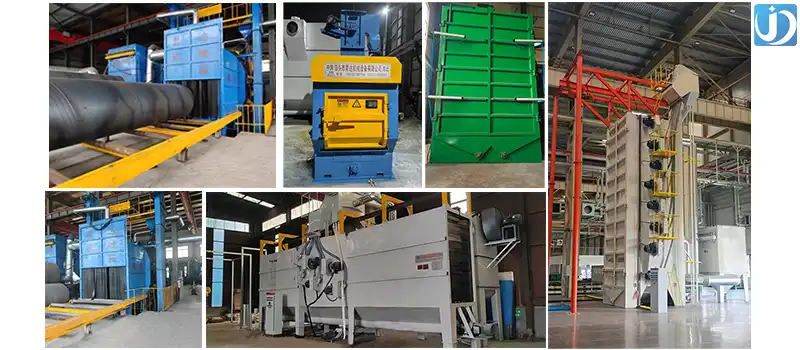
A 15 kW to 120 kW electric engine turns a high-speed blast wheel. This hits the person with steel shot or grit. Speeds of 60 to 85 m/s are used to remove rust, mill scale, and oxide layers from steel plates, moulds, structural sections, and metal parts. The dust from the steel shot is sent to a linked filter unit to keep the work area clean by a closed-loop system.
How Sandblasting Works
Glass sand, aluminium oxide, or garnet are some of the rough materials that are shot through a tube at a surface to clean it. Because the angle and distance of the tip are set by hand, it works well for odd shapes, tight spots and repair work out in the field. They are used a lot on building sites and in repair shops where portability is more important than processing volume.
Key Equipment Differences
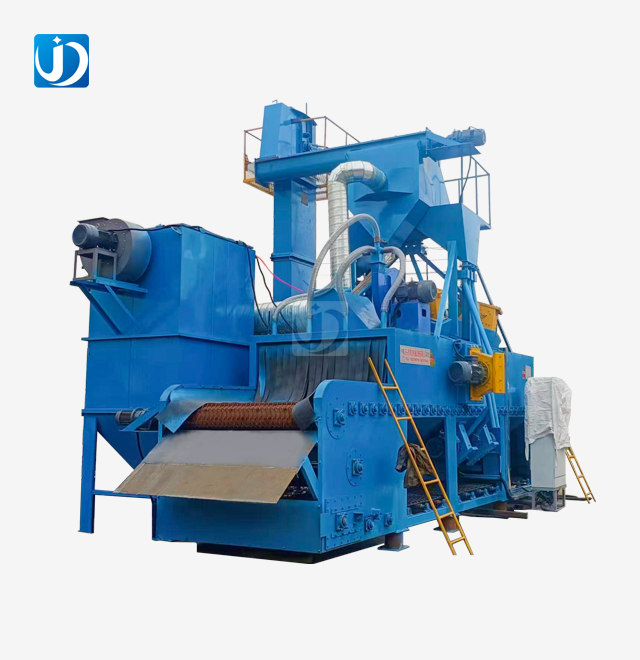
There are two types of shot blasters with wheels: ones that are set and ones with moving belts that are made to work in straight lines. Sandblasting equipment comes in a wide range of shapes and sizes, from small pots that you can carry with you to large blast rooms. Which one to choose will depend on how much output you need. A conveyor belt can feed between 0.5 and 20 t/h to a shot blaster. Though, a sandblasting pot is usually small enough for one person to handle on their own for less busy jobs.
Comparing Performance and Outcomes
When trying to convince a factory owner or procurement committee to buy new equipment, performance statistics is important. In terms of the things that purchasing managers care about most, here's how the two methods compare.
Surface Cleanliness and Profile
In a single machine pass, shot blasting always gets surfaces clean to the standard of Sa2.5, which is what European and North American finishing standards call for. The profile of roughness that is made is within a predictable range, which is what coatings manufacturers need for the coatings to stick properly. Sandblasting can also reach Sa2.5, but the results depend a lot on how the operator works, the condition of the media, and the distance between the nozzle and the surface being worked on. This introduces variation that lowers the performance of the coating.
Productivity and Throughput
An industrial shot blaster with three-dimensionally arranged blast wheels can work on wide steel plates all the time without having to be moved by hand. The Steel Structures Painting Council (SSPC) published industry standards that say using a machine to prepare the surface cuts down on work hours by 60–80% compared to doing it by hand. Sandblasting's output is limited by how fast the operator works and how often the media needs to be replaced. This makes it less useful in high-volume fabrication settings.
Dust Control and Environmental Compliance
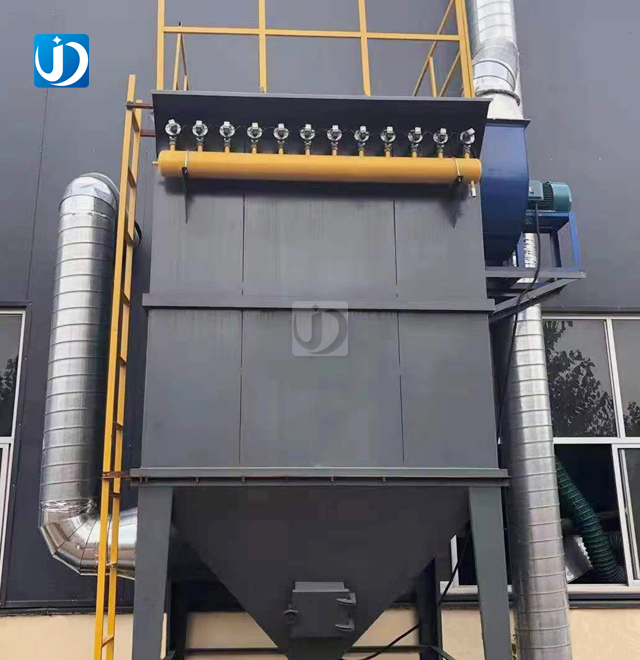
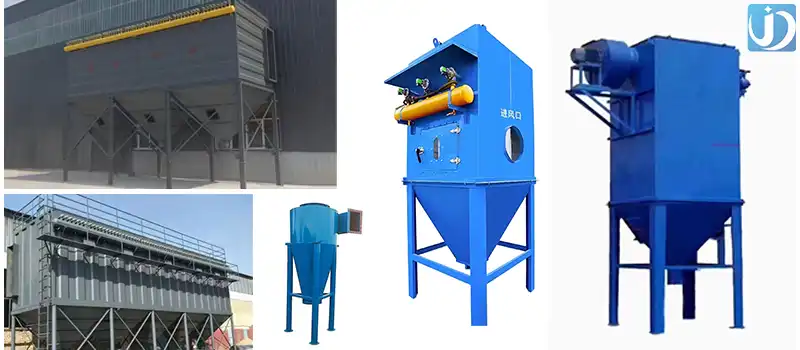
Shot blasters work like closed systems. Steel shot is immediately collected, separated from dust, and put back into the machine. Fine particles are caught by the built-in pulse-cleaned cartridge filter before the air is released. When sandblasting, a lot more dust is released into the air, especially when using silica-based media. This dust is harmful to health and is regulated in the US by OSHA's silica rule (29 CFR 1926.1153). Enclosed shot blasting systems are much easier to handle for places that need to follow environmental rules.
Operational and Cost Considerations for Procurement
When making a purchase decision, the full lifecycle cost should be taken into account, not just the purchase price. The real cost of ownership over five to ten years is based on how reliable the equipment is, how easy it is to get replacement parts, and how much energy it uses.
Upfront Investment vs. Long-Term Value
Portable sandblasting setups are cheaper than shot blasters to buy at first, but the math changes quickly when you start making a lot of them. Sandblasting media is usually only used once, but steel shot can be used thousands of times before it needs to be replaced. Modern shot blasters have automated PLC control and variable-frequency drive systems that cut down on the need for operators and energy waste at the same time.
Here are the main cost factors that you should compare:
- Shot blasting has a higher initial cost but low costs for consumables. It can work in 8-hour shifts and supports Sa2.5 at scale.
- Sandblasting has a lower start-up cost but a higher ongoing media cost. It is operated by hand and works best for small amounts or shapes that aren't perfectly round.
Because of these differences, shot blasting is the better investment for factories that make a lot of things on a regular basis. Sandblasting, on the other hand, can still be used for repairs in the field and custom finishing work.
Maintenance and Wear Parts
The main parts of a shot blaster that wear out are the blast wheel liners, impellers, and steering control cages. High-manganese steel liners usually need to be checked every 50 to 80 hours of use. By replacing worn parts on time, you can avoid sudden downtime. High-pressure sandblasting tools wear out faster and need to be checked after every shift. For both systems to keep the same level of surface quality, maintenance schedules need to be followed religiously.
Automation and PLC Integration
Modern shot blasters have PLCs for controlling output, variable-frequency drives to change the speed of the conveyor, and software for monitoring them from afar. These features let factory managers write down cleaning parameters for quality records, which are becoming more and more important to export customers and project inspectors. In standard setups, sandblasting doesn't have the same level of automation.
Matching Solutions to Industrial Needs
Each plant has its own needs. The type of job, the amount of work that needs to be done, the site's layout, and the level of cleanliness that the customer wants will all affect the tools you need.
Heavy Metal Fabrication and Structural Steel
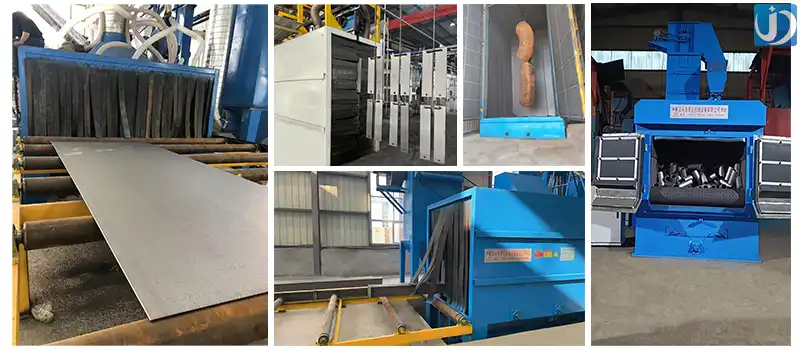
As a steel structure maker, this type of shot blaster works best for people who work with H-beams, flat plates, and welded sets. Many wheels cover the whole surface at once, getting rid of dark spots that would be missed if you did it by hand. Most of the time, structural steel for building or bridge projects needs Sa2.5, which can be safely given by a shotgun that is set up properly.
Castings, Hardware, and Complex Parts
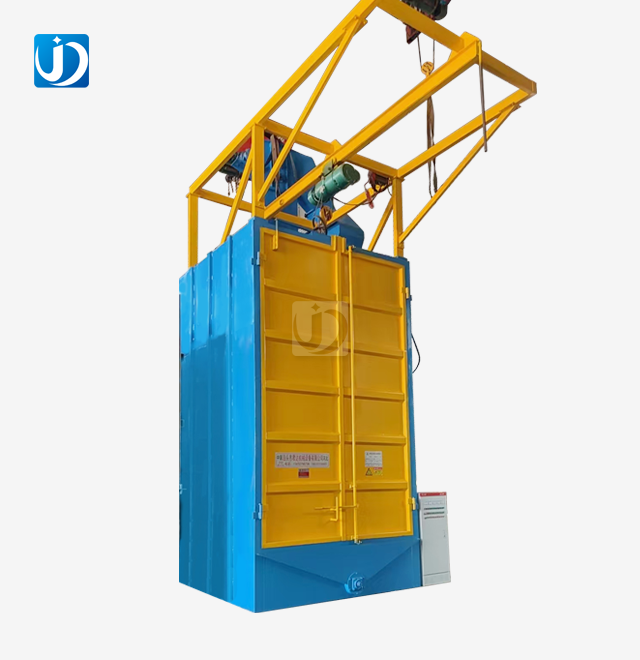
Shot blasters with a hanger or tumbler are frequently used in metal shops and foundries that work with casts, axles, or farm equipment parts that aren't round or square. This type of machine either moves or hangs the piece of work so that all of its sides are roughened up the same amount. Sandblasting by hand to get rid of burrs and scales takes a long time, and you might miss some spots.
Field Maintenance and On-Site Work
Sandblasting is still the best way to clean things that can't be moved, like ship frames in dry dock, bridge decks, or storage tanks. When you use portable blast pots outside, they come with vacuums that keep you from taking in too much dust. It's more important that sandblasting can be used in different ways than that set tools work better for these jobs.
Conclusion
Scrubs and shot blasting are both good ways to prepare surfaces for work, but they do different things. There is no better way to make a lot of metal parts than shot blasting. It makes more, keeps the results at Sa2.5, costs less, and has dust control built in. Sandblasting can be used for one-time, small jobs or projects that need to be done out in the yard. You should spend the money on the right shot blaster if your business deals with a lot of structural steel, castings, or tools. It always gets the job done right, saves money on labour, and meets export coating standards.
FAQ
What cleanliness grade does a shot blaster reach in one pass?
A properly configured shot blaster achieves Sa2.0 to Sa2.5 per ISO 8501-1 in a single conveyor pass, depending on travel speed and blast wheel layout. Sa2.5 is the grade required by most structural coating specifications.
Can a shot blaster handle materials other than flat steel plate?
Yes. Different machine configurations—tumble belt, roller conveyor, overhead hanger—accommodate castings, pipe sections, hardware parts, and structural profiles. Machine selection depends on workpiece dimensions and geometry.
Is shot blasting compliant with environmental regulations in the United States?
Shot blasting systems use closed-loop media recycling and integrated dust collection, which aligns with EPA and OSHA indoor air quality requirements. Unlike open sandblasting with silica media, enclosed shot blasting produces minimal fugitive dust.
What power supply does an industrial shot blaster require?
Standard units run on 380V/50Hz three-phase power. Junda Machinery configures equipment to match local grid specifications, including 460V/60Hz for North American installations.
How long does it take to receive a standard machine?
Standard models are kept in inventory and typically ship within 30 days to port. Custom configurations are produced in approximately 15 days from order confirmation.
Get a Shot Blaster Quote from Junda Machinery
June Machinery has been making tools for shot blasting for 20 years. They are certified by ISO 9001, ISO 14001, and ISO 45001, and they can help with CE forms. Our shot blasters range from 15 to 120 kW, can handle 0.5 to 20 t/h, and are fully controlled by a PLC. If you need a standard model from stock or a shot blaster supplier solution built to your exact production specs, our engineering team will get back to you in 6–8 hours. You can email us at junda001@jundablast.com or visit jundablast.com to get a price.

References
1. Steel Structures Painting Council (SSPC). SSPC Surface Preparation Standards. SSPC, 2021.
2. International Organization for Standardization. ISO 8501-1: Preparation of Steel Substrates Before Application of Paints and Related Products. ISO, 2007.
3. Occupational Safety and Health Administration (OSHA). Occupational Exposure to Respirable Crystalline Silica: 29 CFR 1926.1153. U.S. Department of Labor, 2016.
4. Nace International. NACE No. 1/SSPC-SP 5: White Metal Blast Cleaning. NACE International, 2007.
5. Keane, J.D., & Trimber, K.A. Industrial Lead Paint Removal Handbook. Steel Structures Painting Council, 1993.
6. American Society for Testing and Materials (ASTM). ASTM D4417: Standard Test Methods for Field Measurement of Surface Profile of Blast Cleaned Steel. ASTM International, 2021.

USER EVALUATE
Real feedback and practical experience shared by worldwide partners who purchased our machinery and environmental treatment devices.