How Much Does a Mini Shot Blasting Machine Cost?
If you run a small metal shop or hardware factory and you're researching surface treatment equipment, this is likely one of the first questions you type into Google. The honest answer is that pricing for a mini shot blasting machine varies widely depending on machine capacity, configuration, and whether you need any custom setup. A compact shot blasting unit for small parts typically starts at a few thousand dollars and can go higher based on power rating, output, and added features like dust collection or automation. Reading through this guide will help you figure out what you actually need — and what you should expect to pay for it.
Understanding Mini Shot Blasting Machines and Their Market Value
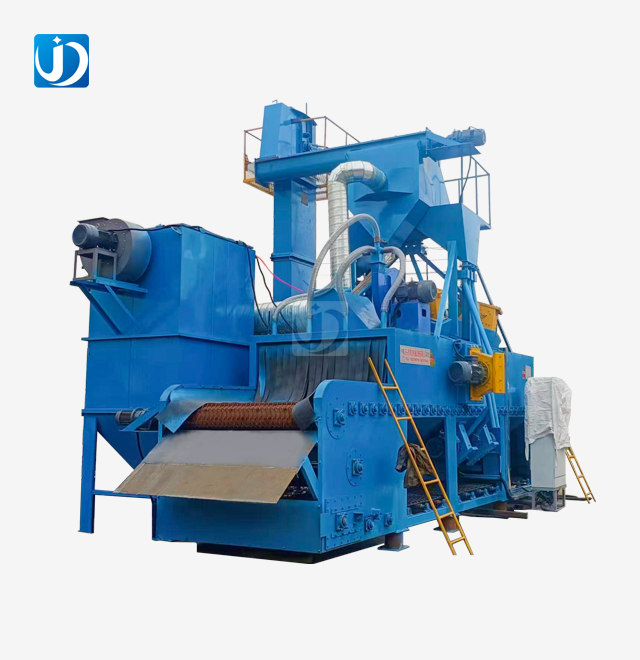
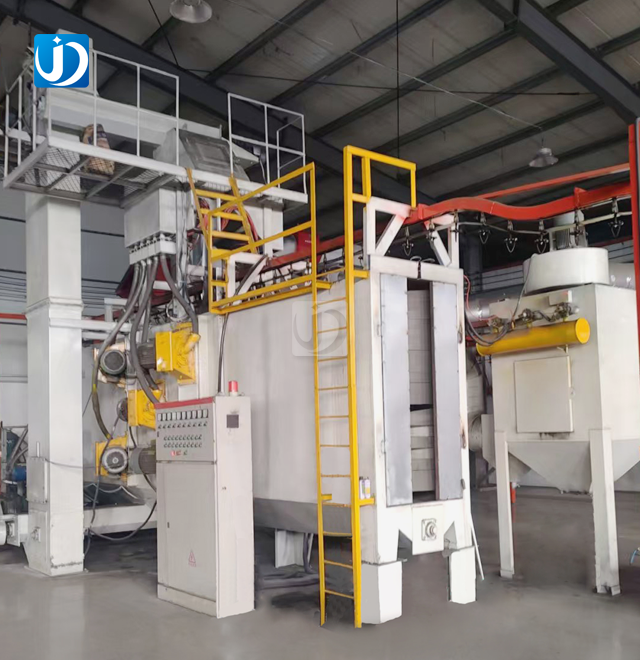
Before you start looking at prices, find out more about what you want to buy. A machine called a shot blaster moves steel grit media very quickly against metal surfaces. Without using chemicals, this gets rid of rust, scale, and burrs. Little versions of this technology are made for making smaller parts and working in smaller areas.
What Makes It "Mini"?
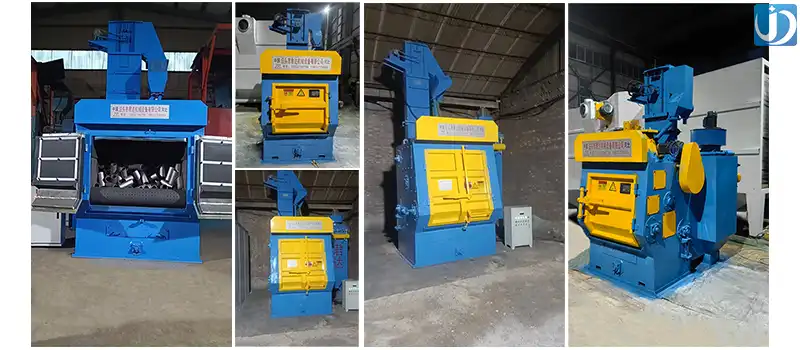
The power range for most of these machines is between 7.5kW and 45kW. They can throw at speeds of 55 to 80 m/s and make between 0.3 and 5 t/h. They can be used in small shops, job shops, and even labs to test samples because they don't take up much room. You don't need a pit or a hall for making things like you do with big machine lines.
Where Are They Used?
A lot of the time, these machines are used to clean fasteners, auto parts, mold parts, auto parts, and small castings and forgings. Some shops that use them are those that fix dies, work on cars, and school or company labs that need to test samples from time to time but don't want to pay someone else to do it.
Why Market Value Matters?
You won't pay too much or too little for a machine that breaks down in a few months if you know how much it's worth on the market. A well-built machine is useful because it always does the same amount of work, doesn't need as many new parts to replace old ones, and can do the job without being watched all the time.
Core Factors Influencing the Cost of a Mini Shot Blasting Machine
Tools cost different amounts for a reason. In order to make a good comparison between suppliers, you need to know what makes prices go up or down.
Machine Type and Throughput
Machines with a roller belt or a spin drum are cheaper for small amounts than machines with a continuous feed or a rotary table that can make more per hour. There is no way that a mini shot blasting machine that can handle 0.3 t/h and one that can handle 5 t/h can be the same price.
Component Quality
Machines with alloy blades, steel liners that don't wear down easily, and multi-layer dust seals last longer and need fewer repairs. Options that are less expensive might be made of worse materials that break after 6 to 12 months of daily use. Better wear parts also cut down on downtime, which is helpful when you want to save money.
Included Features
**: These are the things that usually cost more:
- Fully enclosed noise-reduction housing: Reduces workplace decibel levels and improves operator safety without separate acoustic panels.
- Closed-loop steel shot recovery system: Automatically recirculates abrasive media, cutting ongoing material costs significantly.
- Multi-angle blast wheel layout: Ensures 360° coverage of small workpieces, reducing the need for manual repositioning.
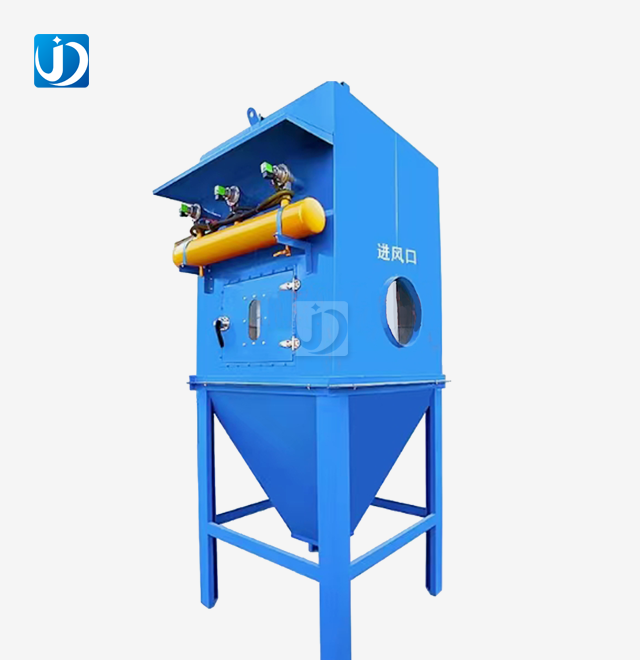
- Integrated dust collection system: Keeps the workspace clean and meets environmental discharge standards, often below 30 mg/m³.
This type of blast wheel plan covers small parts from all sides, so you don't have to move them by hand as often.
It has a built-in dust collection system that keeps the work area clean and meets environmental release standards of less than 30 mg/m³.
Mini Shot Blasting Machine Price Ranges and Budget Considerations
Exact figures vary by supplier, specification, and destination. That said, buyers in the U.S. market should account for more than just the machine price.
Entry-Level Configurations
Compact units with lower power ratings and manual loading are typically the most affordable starting point. These are suitable for very low batch volumes and sample testing. They work well for a first investment if your main goal is to bring simple deburring or light rust removal in-house.
Mid-Range and Custom Configurations
Once you move into higher throughput with a mini shot blasting machine, automated shot recovery, or custom chamber sizing for specific workpiece dimensions, prices increase accordingly. Custom configurations — such as voltage adaptation for different markets, modified conveyor lengths, or integrated PLC controls — also carry additional costs. Buyers ordering OEM or private-label units should account for tooling and labeling adjustments.
Total Cost of Ownership
Purchase price is only one part of the financial picture. Consider these ongoing cost factors:
- Energy consumption: A 7.5kW unit versus a 45kW unit makes a real difference on your monthly electricity bill.
- Wear parts: Blast wheel blades, control cages, and rubber liners all require periodic replacement. Machines using standardized components cost less to maintain over time.
- Abrasive media: Closed-loop recovery systems dramatically reduce media consumption per ton of processed parts.
- Labor: Simple controls and automatic media recycling reduce the number of operators needed per shift.
When you factor all of this in, a slightly higher-priced machine with better component quality and lower operating costs can offer a shorter actual payback period than the cheapest option on the market.
How to Choose the Right Mini Shot Blasting Machine for Your Business?
Choosing the wrong machine is a common and costly mistake. Buyers often misjudge the size of their parts or underestimate their batch frequency, ending up with equipment that either sits idle or can't handle the workload.
Match the Machine to Your Parts
The most important step is measuring your actual workpieces. If your parts are larger than the machine chamber, the job simply won't work. Always confirm maximum workpiece dimensions and weight capacity before purchasing.
Check Your Power Supply
Most industrial shot blasting equipment requires three-phase power. Before ordering, confirm your facility's electrical setup. Some compact units are configured for single-phase operation, which is more common in small workshops.
Evaluate After-Sales Support
A machine with no local spare parts availability or unclear technical support creates serious operational risk. Look for suppliers who provide:
- English-language operation manuals and maintenance videos
- Video-based remote installation and commissioning guidance
- Long-term original spare parts supply
- Clear warranty terms covering the full machine
These factors matter as much as the spec sheet when you're a small operator using a mini shot blasting machine without an in-house maintenance team.
Why Choose Junda Machinery for Your Shot Blasting Equipment?
Shot blasting tools for small and medium-sized businesses have been made by Junda Machinery for 20 years. For making casting and surface treatment tools, Botou, Hebei Province, is one of the best known places in China. This is where the company is based.
Compact Design Built for Small Shops
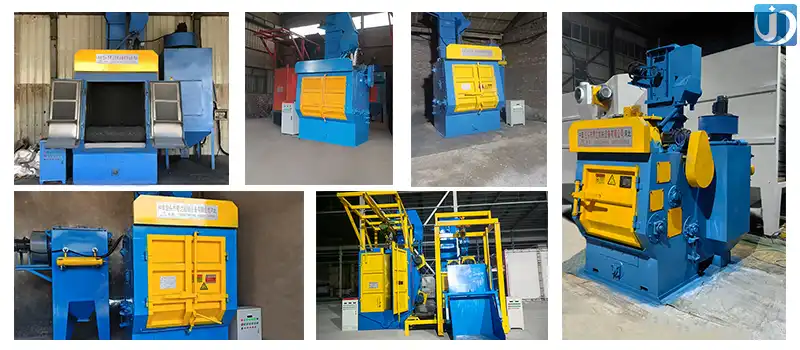
The noise-reducing housings of Junda's small shot blasting machines are fully sealed. The blast wheels can be set up at different angles, and the machines have automatic shot recovery systems. You don't have to dig a hole or make big changes to the wiring to get them to fit on a small plant floor.
Verified Quality Standards
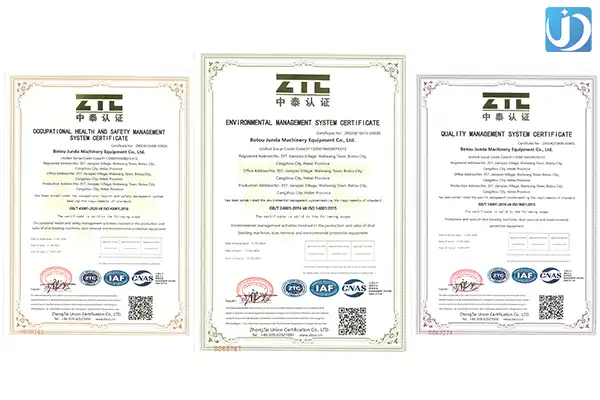
ISO 9001, ISO 14001, and ISO 45001 have given Junda awards. The company has seven software copyrights and two utility model patents that let them control production processes, keep an eye on equipment, and get data. You can find full technical instructions and test results to make sure that the rules for exporting are followed.
Fast Turnaround and Flexible Options
Standard equipment that is made to order takes about 15 days to ship. You can get help from Junda with door-to-door logistics, FCL, and LCL. Customers who buy under their own brand or as an OEM can change settings such as voltage requirements, dust collection requirements, and surface painting. It takes between 6 and 8 hours for answers to customer questions to arrive.
Small shops want things that are quick to send, simple to use, come with clear instructions, and make it easy to get extra parts.
Conclusion
A small shot blasting machine is a good buy for a company that wants to clean surfaces and get rid of rust itself. The price of a mini shot blasting machine is based on how much it can handle, how well the parts are made, and what extras it has. But the real value is in how much it costs to run. If you get the specs right from the start, you'll save time and money, whether you're just getting the first unit to test the process or you need a specific setup. You should ask for a sample test before you agree to buy everything.
FAQ
What is the difference between shot blasting and sandblasting?
Shot blasting uses steel or iron abrasive media propelled by centrifugal blast wheels. Sandblasting uses compressed air to project silica sand or similar material. Shot blasting is faster, more consistent, and better suited for high-volume metal cleaning. It also avoids the silica dust hazard associated with traditional sandblasting, making it a safer choice for enclosed workshop environments.
How often do wear parts need to be replaced?
Blade and liner replacement intervals depend on material hardness, operating hours, and abrasive media type. In typical small-shop use, blast wheel blades made from alloy steel may last several hundred operating hours. Machines using standardized wear components are easier and cheaper to maintain, especially when original spare parts are available directly from the manufacturer.
Can the machine be configured for my specific workpiece size?
Yes. Custom chamber dimensions, conveyor configurations, and blast angle layouts are standard options for manufacturers like Junda Machinery. Before ordering, provide your workpiece dimensions and batch volume. A sample test run — either at the factory or using a video demonstration — is the most reliable way to confirm fit before purchase.
Is three-phase power required?
Most industrial shot blasting units with power ratings above 7.5kW require three-phase power. Confirm your facility's electrical supply before selecting a model. Some compact units can be adapted for single-phase configurations — your supplier should confirm this option during the inquiry stage.
Request a Quote from Junda Machinery Today
Junda Machinery has a lot of small shot blasting tools that can be used for workshops and small-batch production. We're a well-known company that has been making mini shoot blasting machines for 20 years. Our production is ISO-certified, and we can help you sell directly. We can help you figure out what you need. You can email junda001@jundablast.com with the details of your workpiece and your production needs, or you can visit jundablast.com to look through our catalog and get a free consultation.
References
1. Society of Manufacturing Engineers. Shot Blasting Processes: Equipment Selection and Application. SME, 2019.
2. Wheelabrator Group. Surface Preparation Standards and Equipment Performance Guide. Wheelabrator, 2020.
3. Steel Structures Painting Council. SSPC Surface Preparation Specifications. SSPC, 2021.
4. International Organization for Standardization. ISO 8501-1: Preparation of Steel Substrates Before Application of Paints and Related Products. ISO, 2007.
5. Finishing Technology. "Abrasive Blasting Equipment Market: Trends, Technology, and Procurement Considerations." Products Finishing Magazine, 2022.
6. American Foundry Society. Casting Surface Cleaning and Finishing Handbook. AFS, 2018.

USER EVALUATE
Real feedback and practical experience shared by worldwide partners who purchased our machinery and environmental treatment devices.